Simmer Pot Recipes: Family Favorites Revealed
Simmer pots are the unsung heroes of home cooking, transforming simple ingredients into deeply flavorful, soul-warming dishes that bring families together. Whether you’re a seasoned home cook or just beginning your culinary journey, mastering the art of simmering opens up an entire world of possibilities. These gentle, low-and-slow cooking methods allow flavors to meld beautifully while keeping your kitchen filled with the most inviting aromas.
The beauty of simmer pot recipes lies in their versatility and accessibility. Unlike high-heat cooking methods that demand constant attention, simmering lets you focus on other tasks while your meal develops complex flavors. From rich, hearty broths to tender vegetable medleys, simmer pot cooking has been passed down through generations, and we’re excited to share our family-tested favorites with you.
In this comprehensive guide, you’ll discover time-honored techniques, tried-and-true recipes, and professional tips that will elevate your home cooking. Whether you’re preparing dinner for two or feeding a crowd, these simmer pot recipes deliver consistent, delicious results every single time.
What Makes Simmer Pot Cooking Special
Simmer pot cooking represents one of the most fundamental and rewarding techniques in the kitchen. At its core, simmering involves maintaining a gentle heat that keeps liquid just below boiling point, creating small, occasional bubbles that rise slowly to the surface. This gentle approach differs dramatically from aggressive boiling, which can break down delicate ingredients and create tough, unpalatable textures.
The magic of simmer pot recipes happens at the molecular level. As ingredients cook slowly together, their flavors extract gradually into the surrounding liquid. Proteins become tender and succulent, vegetables retain more nutrients than with high-heat methods, and homemade sauces and broths develop incredible depth. This is why simmer pot cooking has remained a cornerstone of cuisines worldwide, from French coq au vin to Italian minestrone to Chinese herbal broths.
Family meals prepared in simmer pots carry emotional weight beyond mere nutrition. The extended cooking time allows you to be present with your loved ones, the aroma building anticipation throughout the day. These recipes create memories and traditions that span generations, making them perfect for busy families seeking both convenience and quality.
Essential Techniques for Perfect Simmering
Mastering the fundamentals of simmering ensures consistent, delicious results across all your simmer pot recipes. The first critical element is heat control. Your stovetop should maintain a temperature that produces occasional bubbles—typically between 180-190°F (82-88°C). Too high, and you’re boiling; too low, and cooking takes excessively long.
Key simmering techniques include:
- Layering flavors: Start by sautéing aromatics (onions, garlic, celery) in oil or butter to build a flavor foundation before adding liquid
- Choosing the right pot: Use heavy-bottomed cookware with a tight-fitting lid to distribute heat evenly and retain moisture
- Proper liquid ratios: Typically, you want enough liquid to cover ingredients by one to two inches, adjusting based on your recipe
- Timing considerations: Tougher cuts of meat need 2-4 hours, chicken requires 45 minutes to 1 hour, and delicate vegetables need only 15-30 minutes
- Skimming impurities: During the first 10-15 minutes, skim foam from the surface to ensure a clear, clean-tasting broth
- Seasoning strategy: Season conservatively at the start; as liquid reduces, flavors concentrate, and you can adjust at the end
Temperature consistency matters tremendously. Using a reliable cooking resource for precise heat management helps you understand your specific stove’s characteristics. Some cooks prefer partially covering their pot to control evaporation, while others leave it uncovered for deeper reduction and concentration of flavors.
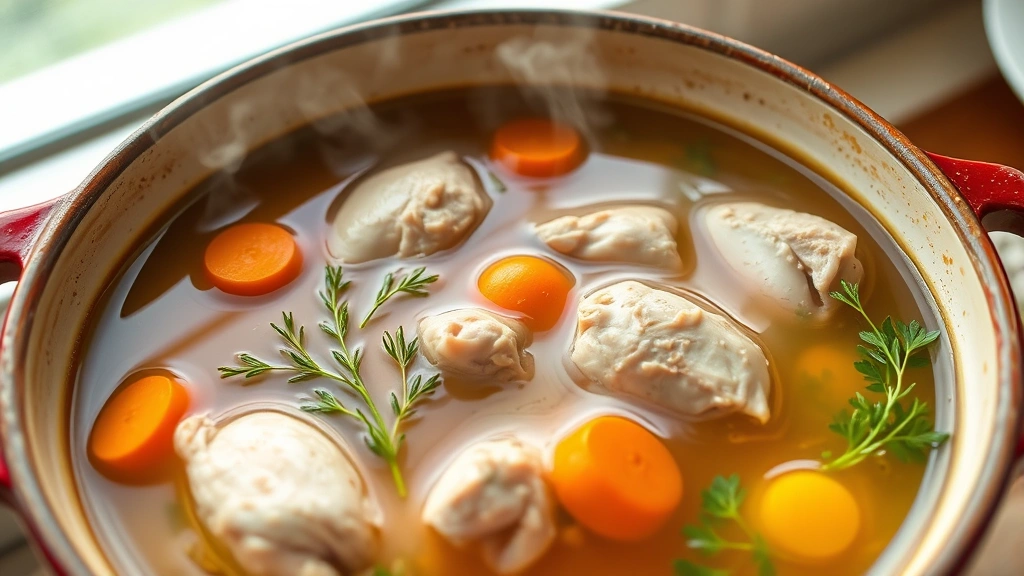
Classic Chicken and Vegetable Simmer Pot
This timeless recipe represents the foundation of comfort food cooking. It’s nourishing, forgiving, and absolutely delicious—making it perfect for both weeknight dinners and special family occasions. The combination of tender chicken, vibrant vegetables, and aromatic broth creates a dish that satisfies on every level.
Ingredients:
- 2 pounds bone-in chicken pieces (thighs and breasts)
- 4 medium carrots, cut into 2-inch pieces
- 3 celery stalks, chopped
- 1 large yellow onion, quartered
- 8 ounces baby potatoes, halved
- 4 cloves garlic, minced
- 6 cups low-sodium chicken broth
- 2 bay leaves
- 1 teaspoon dried thyme
- 1 teaspoon dried rosemary
- Salt and pepper to taste
- 2 tablespoons olive oil
- Fresh parsley for garnish
Preparation steps:
- Heat olive oil in a large heavy-bottomed pot over medium-high heat until shimmering
- Season chicken pieces with salt and pepper, then brown on all sides (3-4 minutes per side). Don’t worry about cooking through; this step builds flavor
- Remove chicken and set aside; add diced onion, carrots, and celery to the pot
- Sauté vegetables for 5 minutes, stirring occasionally, until they begin to soften and release their aromatics
- Add minced garlic and cook for 1 minute until fragrant
- Pour in chicken broth, scraping the bottom of the pot to release flavorful browned bits (a process called deglazing)
- Return chicken to the pot, add bay leaves, thyme, and rosemary
- Bring to a gentle simmer, then reduce heat to maintain a steady, gentle bubble
- Cover partially and simmer for 25 minutes, then add potatoes and continue simmering for 20-25 minutes until chicken is tender and potatoes are cooked through
- Taste and adjust seasoning as needed. Remove bay leaves before serving
- Ladle into bowls and garnish with fresh parsley
This recipe serves 4-6 people and reheats beautifully, making it excellent for meal prep. The flavors actually improve the next day as ingredients continue to meld. For healthier variations, try lean protein options and load up on vegetables.
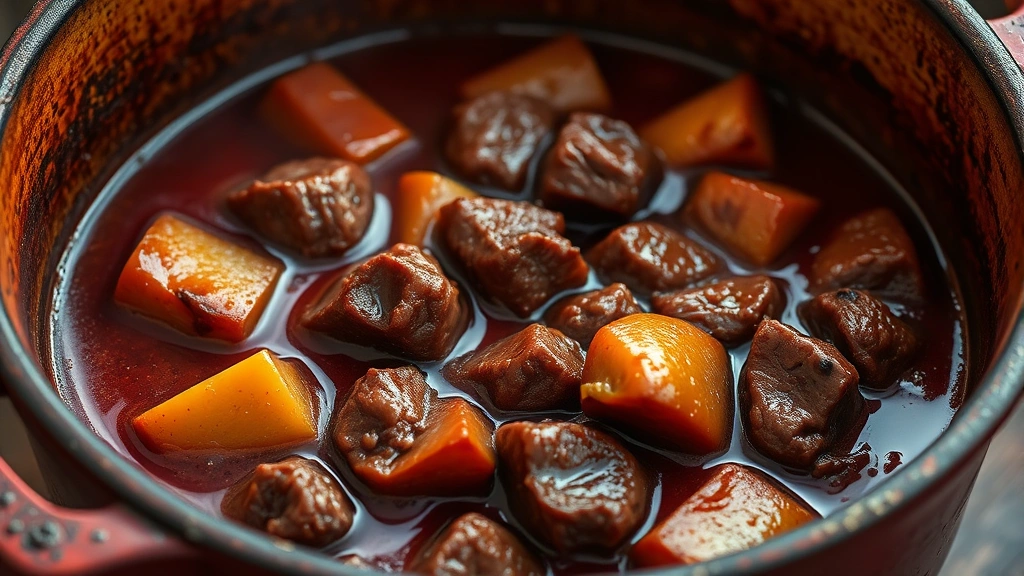
Hearty Beef Stew for Cold Nights
When temperatures drop and comfort becomes paramount, beef stew emerges as the ultimate simmer pot recipe. This deeply satisfying dish showcases how patient, gentle cooking transforms tough, economical cuts of beef into melt-in-your-mouth tenderness. The extended simmering time breaks down collagen in the meat, creating a naturally rich, silky sauce.
Ingredients:
- 2.5 pounds beef chuck roast, cut into 1.5-inch cubes
- 3 tablespoons olive oil, divided
- 1 large yellow onion, diced
- 4 cloves garlic, minced
- 4 medium carrots, cut into 1-inch pieces
- 3 medium potatoes, cubed
- 8 ounces mushrooms, quartered
- 1 can (6 ounces) tomato paste
- 4 cups beef broth
- 1 cup red wine (optional but recommended)
- 2 bay leaves
- 1 tablespoon dried oregano
- 1 tablespoon balsamic vinegar
- 2 tablespoons cornstarch mixed with 3 tablespoons water (slurry)
- Salt and pepper to taste
Cooking instructions:
- Pat beef cubes dry with paper towels and season generously with salt and pepper
- Heat 1.5 tablespoons oil in a large pot over medium-high heat until very hot
- Working in batches to avoid crowding, brown beef on all sides (3-4 minutes per batch), transferring to a plate
- Add remaining oil, then sauté diced onion for 4 minutes until softened
- Add minced garlic and cook for 1 minute, then stir in tomato paste and cook for 2 minutes
- Deglaze the pot with red wine, scraping up all flavorful browned bits, and simmer for 2 minutes
- Return beef and any accumulated juices to the pot
- Add beef broth, bay leaves, and oregano; bring to a gentle simmer
- Cover partially and simmer for 1.5 hours, stirring occasionally
- Add carrots, potatoes, and mushrooms; continue simmering for 45 minutes to 1 hour until vegetables are tender and beef is falling apart
- Stir in balsamic vinegar and cornstarch slurry to thicken the sauce if desired
- Simmer for 5 additional minutes, then taste and adjust seasonings
This recipe yields 6-8 generous servings and freezes exceptionally well. The flavors deepen over time, making it perfect for preparing several days ahead. Serve over egg noodles, mashed potatoes, or with crusty bread for soaking up the rich sauce.
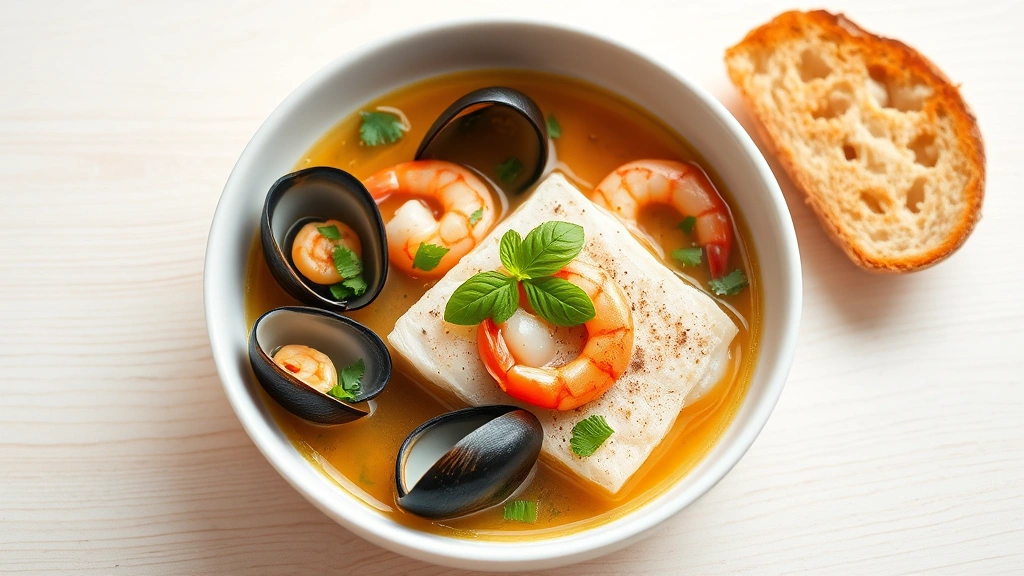
Seafood Simmer Pot with Aromatic Broth
For those seeking lighter simmer pot options without sacrificing flavor, seafood-based recipes deliver elegantly. Fish and shellfish cook quickly compared to meat, requiring only 15-20 minutes of gentle simmering. The key is building an incredibly flavorful broth that complements delicate seafood without overwhelming it. Explore more seafood preparation techniques to expand your repertoire.
Ingredients:
- 1.5 pounds mixed seafood (firm white fish, shrimp, mussels)
- 2 tablespoons olive oil
- 1 fennel bulb, thinly sliced
- 1 large onion, sliced
- 4 cloves garlic, minced
- 1 can (14 ounces) diced tomatoes
- 4 cups fish or vegetable broth
- 1 cup dry white wine
- 1 teaspoon saffron threads (optional)
- 1 teaspoon fennel seeds
- Zest of 1 lemon
- 2 bay leaves
- Red pepper flakes to taste
- Fresh basil and parsley
- Salt and pepper
Method:
- Heat olive oil in a large pot over medium heat
- Add sliced fennel and onion, sautéing for 6 minutes until softened and fragrant
- Stir in minced garlic, fennel seeds, and red pepper flakes; cook for 1 minute
- Pour in white wine and simmer for 3 minutes to reduce slightly
- Add fish broth, diced tomatoes, bay leaves, lemon zest, and saffron (if using)
- Bring to a gentle simmer and cook for 10 minutes to meld flavors
- Add firmer fish pieces first, simmering for 5 minutes
- Add shrimp and more delicate fish, simmering for 4-5 minutes
- Finally add mussels and simmer until they open (3-4 minutes); discard any that don’t open
- Taste and adjust seasoning with salt and pepper
- Garnish generously with fresh basil and parsley before serving
Serve this elegant dish in shallow bowls with plenty of broth and crusty bread for dipping. It’s restaurant-quality yet achievable at home with attention to timing and gentle heat management.
Vegetarian and Vegan Options
Simmer pot cooking shines in vegetarian and vegan preparations, where vegetables and legumes develop remarkable depth of flavor through patient simmering. These recipes prove that meatless meals can be just as satisfying and complex as their meat-based counterparts. Try incorporating them alongside your favorite salad recipes for complete, balanced meals.
Tuscan White Bean and Kale Simmer Pot:
- 3 tablespoons olive oil
- 1 large onion, diced
- 4 cloves garlic, minced
- 3 carrots, diced
- 2 celery stalks, diced
- 2 cans (14 ounces each) cannellini beans, drained
- 1 can (28 ounces) crushed tomatoes
- 6 cups vegetable broth
- 4 cups chopped kale
- 2 teaspoons Italian seasoning
- 1 teaspoon balsamic vinegar
- Red pepper flakes, salt, and pepper to taste
Sauté aromatics in olive oil for 5 minutes, add garlic and cook 1 minute more. Add carrots, celery, beans, tomatoes, and broth. Bring to a simmer and cook for 20 minutes. Stir in kale and Italian seasoning, simmering for 10 additional minutes until kale is tender. Finish with balsamic vinegar and adjust seasonings. This recipe serves 4-6 and reheats beautifully.
Curried Chickpea and Vegetable Simmer Pot:
- 2 tablespoons coconut oil
- 1 large onion, diced
- 3 cloves garlic, minced
- 1 tablespoon fresh ginger, minced
- 2 tablespoons curry powder
- 2 cans (14 ounces each) chickpeas, drained
- 1 can (14 ounces) coconut milk
- 3 cups vegetable broth
- 2 cups diced sweet potato
- 2 cups chopped spinach
- 1 tablespoon lime juice
- Salt to taste
Heat coconut oil and sauté onion for 4 minutes. Add garlic, ginger, and curry powder, cooking for 2 minutes until fragrant. Add chickpeas, coconut milk, broth, and sweet potato. Simmer for 25 minutes until potatoes are tender. Stir in spinach and lime juice, simmering for 5 more minutes. Serve over rice with naan bread for a complete meal.
Seasonal Variations and Adaptations
One of the greatest strengths of simmer pot recipes is their adaptability to seasonal ingredients. Spring calls for lighter broths with tender vegetables and fresh herbs. Summer welcomes zucchini, tomatoes, and basil. Fall embraces root vegetables and heartier proteins. Winter demands rich, warming broths and long-simmered stews. Learning to adapt your favorite simmer pot recipes ensures you’re always cooking with peak-season ingredients.
Spring Adaptation: Reduce broth by one cup, add fresh peas, young carrots, and new potatoes in the last 15 minutes of cooking. Incorporate fresh dill, tarragon, or chervil at the end for brightness.
Summer Variation: Include zucchini, summer squash, and tomatoes. Add fresh basil, oregano, and a squeeze of lemon juice. Consider using pasta in simmer pots for lighter meals by adding small shapes in the final 10 minutes of cooking.
Fall Adjustment: Emphasize root vegetables like parsnips, turnips, and beets. Add apple cider or apple juice for subtle sweetness. Use warming spices like cinnamon, nutmeg, and allspice.
Winter Embrace: Stick with hardy vegetables like Brussels sprouts, cabbage, and winter squash. Use richer broths and add dried mushrooms for umami depth. Incorporate grains like barley or farro for additional heartiness.
Storage and Make-Ahead Tips
Simmer pot recipes are exceptionally practical for busy families because they improve with time and store beautifully. The extended cooking allows flavors to fully develop and meld overnight, making them ideal for meal preparation.
Refrigeration guidelines: Cool simmer pot dishes to room temperature before refrigerating (to prevent condensation from dripping back into the food). Store in airtight containers for up to 4 days. Remove any solid fat that solidifies on top before reheating if desired.
Freezing instructions: Most simmer pot recipes freeze excellently for 2-3 months. Leave about half an inch of space at the top of containers since food expands when frozen. Label containers with the dish name and date. Thaw overnight in the refrigerator before reheating gently on the stovetop.
Reheating method: Transfer to a pot and simmer gently over low heat, stirring occasionally, until heated through. Add a splash of broth or water if the sauce has thickened too much during storage. Never microwave in the original container if it has a lid, as steam buildup can be dangerous.
Make-ahead strategy: Prepare the entire recipe up to 2 days before serving. This actually enhances flavor development. Reheat slowly to prevent any delicate ingredients from becoming mushy. For recipes with delicate seafood or tender greens, consider preparing the base broth and vegetables ahead, then adding the delicate items just before serving.
FAQ
What’s the difference between simmering and boiling?
Boiling occurs at 212°F (100°C) with vigorous, rolling bubbles breaking the surface continuously. Simmering happens at 180-190°F (82-88°C) with gentle, occasional bubbles. Simmering prevents tough textures, keeps ingredients intact, and allows flavors to develop gradually rather than aggressively.
Can I use a slow cooker instead of stovetop simmering?
Absolutely! Slow cookers excel at simmer pot recipes. Use the low setting (which maintains approximately 180°F) for 6-8 hours for meat-based recipes, or 4-6 hours for dishes with delicate vegetables or seafood. You may skip the browning step, though many cooks prefer browning meat first for deeper flavor.
How do I prevent my simmer pot from boiling over?
Place a wooden spoon across the top of the pot—this breaks the surface tension and prevents boiling over. Alternatively, reduce heat slightly if you notice aggressive bubbling. Never cover a pot with a tight-fitting lid during simmering, as this traps steam and causes overflow.
What should I do if my simmer pot tastes bland?
Build more flavor foundation by sautéing aromatics longer before adding liquid. Add umami ingredients like tomato paste, soy sauce, or Worcestershire sauce. Consider incorporating dried mushrooms, anchovies, or fish sauce. Finish with acid (lemon juice, vinegar) and fresh herbs to brighten flavors.
Can I adjust cooking times for larger or smaller portions?
Yes, but remember that simmer time depends on ingredient size and tenderness, not just quantity. Doubling a recipe may require only slightly longer cooking if ingredients are cut uniformly. Halving a recipe usually requires the same cooking time. Focus on doneness rather than strict timing.
What type of pot works best for simmer pot recipes?
Heavy-bottomed Dutch ovens (5-7 quart capacity) are ideal because they distribute heat evenly and retain moisture well. Stainless steel or enameled cast iron works beautifully. Avoid thin aluminum pots, which create hot spots and uneven cooking. A tight-fitting lid helps control evaporation.
How can I reduce sodium in simmer pot recipes?
Use low-sodium or no-salt-added broths as your base. Skip added salt during cooking and season only at the end after tasting. Many ingredients (celery, tomatoes, soy sauce) contain natural sodium that becomes concentrated during simmering. Finish with fresh herbs and acid instead of relying on salt for flavor.


