Ultimate Sirloin Tip Roast Recipe: Chef-Approved Guide to Perfect Results
The sirloin tip roast stands as one of the most versatile and budget-friendly cuts of beef available to home cooks. Unlike its pricier cousins, this lean cut from the hindquarters delivers incredible flavor when prepared with proper technique and patience. Whether you’re planning a family dinner or impressing guests, mastering the sirloin tip roast opens doors to countless delicious possibilities that rival restaurant-quality results.
What makes the sirloin tip roast so special isn’t just its affordability—it’s the challenge and reward of coaxing maximum tenderness and flavor from a naturally lean muscle. This guide walks you through everything from selecting the perfect roast at the butcher counter to carving your finished masterpiece at the table. You’ll discover why low-and-slow cooking methods transform this humble cut into something extraordinary, and learn the chef-approved techniques that ensure juicy, flavorful results every single time.
Selecting Your Sirloin Tip Roast
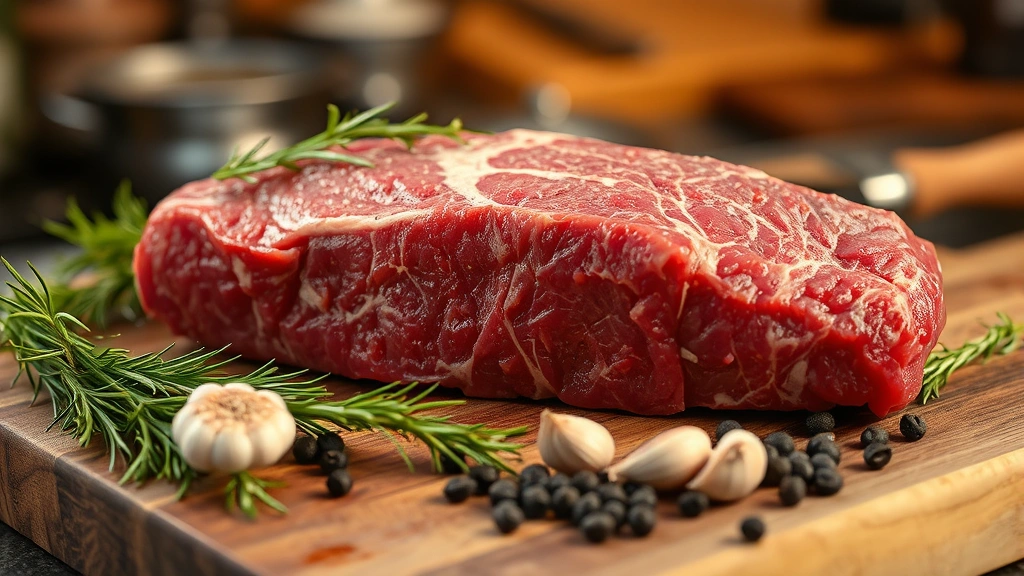
Success begins at the butcher counter. The sirloin tip roast, also called the sirloin tip center roast, comes from the upper hindquarters of the cow. Look for roasts that weigh between 3 to 5 pounds—this size ensures even cooking and enough surface area for developing that coveted crust. The meat should display a bright red color with good marbling, though sirloin tip is naturally leaner than ribeye or prime rib cuts.
Ask your butcher to trim the exterior fat cap to about one-quarter inch thickness. This thin layer protects the meat during cooking while allowing seasonings to penetrate. If the roast has a thick layer of silverskin (the shiny connective tissue), request that it be partially removed—leaving some actually helps retain moisture during the long cooking process. The shape matters too; a roast that’s relatively uniform in thickness cooks more evenly than one with odd protrusions.
Consider purchasing your roast 24 to 48 hours before cooking. This allows you to perform dry brining at home, which significantly improves texture and flavor. The extended time lets salt penetrate the meat’s muscle fibers, enhancing moisture retention during cooking. Pat the roast dry with paper towels before storing it uncovered on a plate in your refrigerator—the air circulation helps develop a drier surface that browns beautifully.
Preparation and Seasoning Fundamentals
Remove your sirloin tip roast from the refrigerator 45 minutes to 1 hour before cooking. This critical step allows the meat to reach closer to room temperature, ensuring more even cooking from edge to center. A cold roast will develop a gray band of overcooked meat around the edges before the interior reaches the target temperature.
Pat the roast thoroughly dry with paper towels—moisture on the surface prevents browning. Season generously with kosher salt and freshly ground black pepper. Many chefs recommend applying salt the night before, but even 40 minutes of resting with salt on the surface improves browning and seasoning penetration. For deeper flavor, create a dry rub using:
- 2 tablespoons kosher salt
- 1 tablespoon freshly ground black pepper
- 2 teaspoons garlic powder
- 2 teaspoons onion powder
- 1 teaspoon smoked paprika
- 1 teaspoon dried thyme
- ½ teaspoon cayenne pepper (optional)
Massage this mixture into all surfaces of the roast, paying special attention to crevices where seasonings concentrate. Some cooks prefer a French technique: create small slits across the top and insert slivers of fresh garlic and fresh rosemary sprigs directly into the meat. This delivers intense flavor pockets throughout the finished dish and pairs beautifully with other vintage grandma recipes that emphasize herb-forward preparations.
Cooking Methods and Techniques
The oven-roasting method remains the gold standard for sirloin tip roast. Preheat your oven to 450°F (232°C). Heat a heavy-bottomed roasting pan or cast-iron skillet over medium-high heat until it’s smoking hot. Add 2 tablespoons of high-smoke-point oil (avocado oil or refined grapeseed oil work perfectly). Carefully place the seasoned roast in the pan and sear all surfaces until deeply browned, approximately 2 to 3 minutes per side. This Maillard reaction creates hundreds of flavor compounds that define the finished dish.
Transfer the seared roast to a roasting rack set in your pan. Arrange quartered onions, halved garlic cloves, and fresh herb sprigs (thyme, rosemary) around the roast. These aromatics infuse the cooking environment with flavor while creating a flavorful base for pan sauce. Pour 1 cup of beef broth into the bottom of the pan—not touching the roast itself. The liquid creates steam that aids cooking while the roast’s drippings enrich the pan juices.
Place the roasting pan in your preheated 450°F oven for 15 minutes to establish initial browning, then reduce heat to 325°F (163°C). Continue roasting for approximately 15 to 18 minutes per pound for medium-rare doneness. The low-and-slow approach after the initial sear prevents the exterior from overcooking while allowing the interior to reach perfect tenderness. Every 30 minutes, baste the roast with the pan juices using a spoon—this keeps the surface moist and encourages even browning.
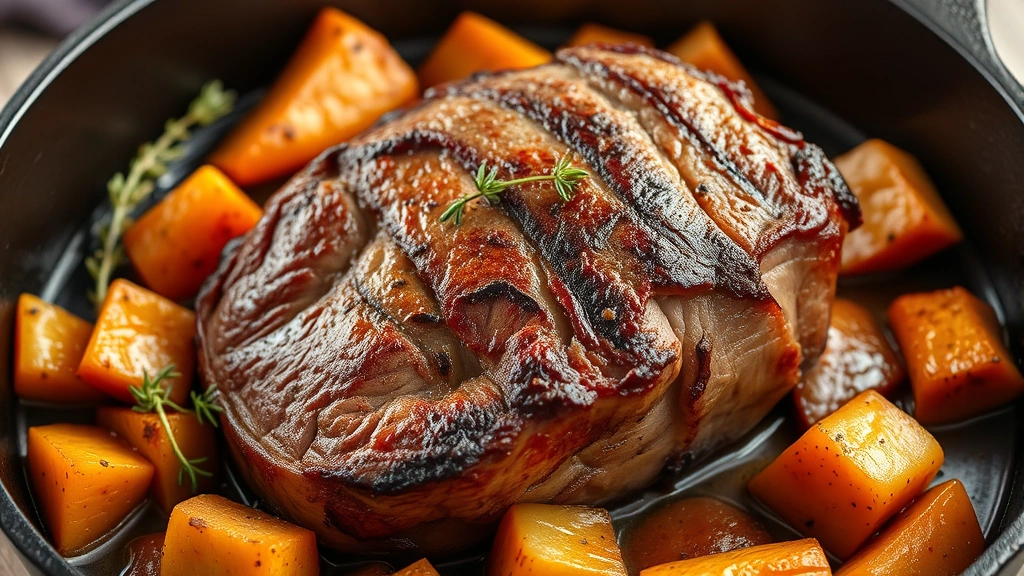
For a slow-cooker adaptation, sear the roast using the stovetop method described above, then transfer to your slow cooker with aromatics and 1½ cups beef broth. Cook on low for 6 to 8 hours, depending on roast size. This method produces incredibly tender results, though you’ll sacrifice the superior browning of oven-roasting. A Dutch oven braise offers another excellent option: sear the roast, add aromatics and 2 cups broth, cover, and cook in a 325°F oven for 3 to 4 hours. The covered environment creates moist heat that gently tenderizes the lean meat.
Reverse-sear technique appeals to precision-minded cooks. Start your roast in a 275°F oven until it reaches 120°F internal temperature (about 2 to 2½ hours), then sear it hard in a screaming-hot skillet for 1 to 2 minutes per side. This method delivers extraordinary edge-to-center evenness, though it requires more active attention and planning.
Internal Temperature and Doneness
Use an instant-read meat thermometer to determine doneness with absolute certainty. Insert the probe into the thickest part of the roast without touching bone. For sirloin tip roast specifically, aim for these internal temperatures:
- Rare: 125°F (52°C) — not recommended for lean roasts
- Medium-Rare: 130-135°F (54-57°C) — ideal for sirloin tip
- Medium: 135-145°F (57-63°C) — acceptable for those preferring more doneness
- Medium-Well: 145-155°F (63-68°C) — risks dryness with this lean cut
The critical concept is carryover cooking. After removing the roast from heat, the internal temperature continues rising 3 to 5 degrees as residual heat distributes throughout the meat. Remove your roast when it reaches 125-130°F for medium-rare, allowing carryover to bring it to perfect 130-135°F. This small detail separates perfectly cooked roasts from overcooked disappointments.
Begin checking temperature 30 minutes before your estimated finish time. Insert the thermometer at multiple points—the thickest area, a medium-thick area, and near the surface. This reveals temperature variation and guides your final decisions. A 5-pound roast might show 120°F at the center and 135°F at the edges, indicating another 10-15 minutes of cooking.
Resting and Slicing Like a Pro
Remove the roast from the oven and transfer it to a warm cutting board. This resting period—typically 15 to 20 minutes—is absolutely non-negotiable. During cooking, heat drives moisture toward the surface and out of the meat. Resting allows these juices to redistribute throughout the muscle fibers, ensuring each bite stays moist and tender. A tent of aluminum foil keeps the roast warm without trapping steam that can soften the crust.
While the roast rests, prepare your pan sauce. Strain the pan drippings through fine-mesh sieve into a saucepan, discarding solids. Skim excess fat from the surface using a fat separator or spoon. Place the saucepan over medium heat and add ½ cup beef broth plus ¼ cup red wine (optional but recommended). Simmer for 5 minutes to reduce slightly, then whisk in 1 tablespoon cold butter and fresh herbs. Season with salt and pepper to taste. This silky sauce captures all the roasted flavor from your cooking process.
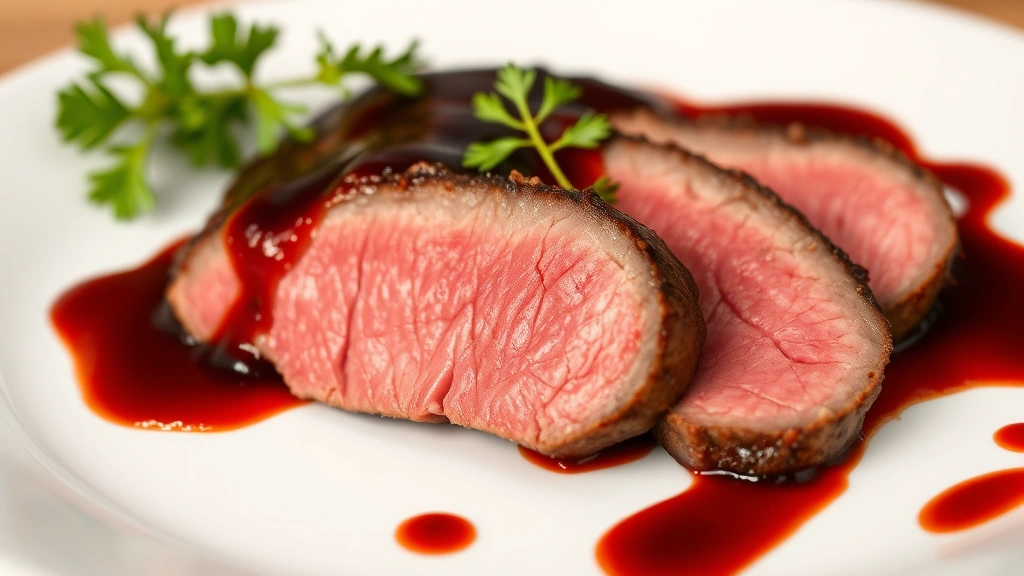
Slice your roast against the grain using a sharp carving knife or serrated slicing knife. Identify the direction of the muscle fibers running through the meat—slicing perpendicular to these fibers shortens them, dramatically improving tenderness. For sirloin tip roast, the grain typically runs lengthwise down the roast. Cut slices approximately ¼ to ⅜ inch thick. Thinner slices appear more tender and elegant, while thicker slices showcase the beautiful color gradient from crust to center.
Arrange slices slightly overlapping on a warm serving platter. Drizzle with your prepared pan sauce and garnish with fresh thyme or parsley. Serve immediately while the meat retains maximum warmth and the crust remains crispy. This presentation rivals steakhouse quality and demonstrates the care invested in preparation.
Serving Suggestions and Perfect Sides
The elegant simplicity of a perfectly cooked sirloin tip roast calls for equally refined accompaniments. Classic French preparations pair the roast with creamed horseradish sauce—a tangy, luxurious complement that cuts through the meat’s richness. Mix sour cream, Dijon mustard, grated fresh horseradish, lemon juice, and fresh dill for an unforgettable sauce.
Root vegetables roasted alongside the meat absorb pan drippings and develop caramelized exteriors. Add 2-inch chunks of carrots, parsnips, and potatoes to the roasting pan during the final 90 minutes of cooking. Toss these vegetables with oil and salt beforehand to encourage browning. Their sweet, savory flavors complement the beef beautifully while creating a complete one-pan meal.
For lighter accompaniments, consider a fresh green salad dressed with Dijon vinaigrette, or quick and easy pasta recipes like buttered egg noodles or garlic-infused orzo. Crusty bread—ideally homemade bread—provides essential texture contrast and serves as the perfect vehicle for soaking up pan sauce.
Seasonal preparations offer additional inspiration. Spring calls for asparagus with hollandaise and fresh peas in butter. Summer suggests grilled zucchini and charred tomatoes. Autumn welcomes roasted Brussels sprouts and sweet potato wedges. Winter begs for creamed spinach and gratinéed cauliflower. These seasonal sides keep your roast preparations fresh and exciting throughout the year.
Storage and Leftover Ideas
Leftover sirloin tip roast offers tremendous versatility. Store cooled slices in an airtight container with any remaining pan sauce for up to 4 days in the refrigerator. For longer storage, wrap individual slices in plastic wrap and freeze for up to 3 months. Thaw in the refrigerator overnight before reheating gently in a low oven (300°F) with a splash of beef broth to restore moisture.
Transform leftovers into elegant beef sandwiches using thinly sliced roast, horseradish cream, and peppery arugula on crusty bread. Cube the roast for hearty beef salads featuring blue cheese, walnuts, and bitter greens. Create a restaurant-style beef hash by dicing roast with roasted potatoes, onions, and bell peppers, then top with a fried egg for brunch service.
Shred leftover roast for beef tacos with caramelized onions and chimichurri sauce, or stir into creamy mushroom stroganoff for a comforting weeknight dinner. Finely chop cooled roast to create a luxurious beef salad for tea sandwiches, combining with mayonnaise, Dijon mustard, diced pickles, and fresh herbs. These applications ensure nothing goes to waste while delivering exciting meals throughout the week.
For meal planning inspiration, explore Fresh Plate Daily Blog for creative leftover applications and complementary side dishes that elevate simple ingredients into extraordinary meals.
FAQ
What’s the difference between sirloin tip roast and sirloin tip steak?
Sirloin tip roast comes from the larger sirloin tip muscle and weighs 3-5 pounds, designed for slow roasting. Sirloin tip steaks are thin slices cut from the same muscle, suitable for quick grilling or pan-searing. The cooking methods differ significantly due to thickness, though both cuts benefit from low-temperature cooking to manage leanness.
Can I cook sirloin tip roast in a slow cooker?
Absolutely. Sear the roast first on the stovetop for browning, then transfer to a slow cooker with aromatics and 1½ cups beef broth. Cook on low for 6 to 8 hours depending on size. You’ll sacrifice the superior browning of oven-roasting, but gain incredible tenderness and convenience. Slow-cooker results work beautifully for shredded beef applications and casual family dinners.
How do I prevent my sirloin tip roast from drying out?
Dry-brine 24 hours before cooking, maintain proper internal temperatures (130-135°F maximum), rest for 15-20 minutes before slicing, and slice against the grain. Basting every 30 minutes during roasting also keeps the surface moist. Avoid cooking above 325°F after the initial sear, as higher temperatures rapidly evaporate moisture from this lean cut.
What’s the best thermometer for checking doneness?
Instant-read meat thermometers provide the fastest, most accurate readings. Brands like Thermapen and Lavatools offer excellent reliability and quick response times. For hands-free monitoring, wireless probe thermometers let you track temperature from your kitchen without opening the oven repeatedly, reducing heat loss and improving accuracy.
Can sirloin tip roast be cooked rare?
While technically possible, rare sirloin tip roast (125°F internal temperature) risks appearing and tasting too rare given the meat’s natural leanness. Medium-rare (130-135°F) showcases this cut’s tenderness and flavor without the raw-feeling texture of rare beef. For truly rare presentations, choose fattier cuts like ribeye or prime rib instead.
How much sirloin tip roast should I buy per person?
Plan for ½ pound per person for boneless sirloin tip roast. A 4-pound roast comfortably serves 8 people with modest portions, or 6 people with generous servings. Account for appetites and accompanying dishes—hearty side dishes and appetizers reduce meat consumption, while a simple meal with one side increases it.
What if my roast has an uneven shape?
Ask your butcher to tie an irregularly shaped roast with kitchen twine to create uniform thickness. This ensures even cooking throughout. Alternatively, butterfly thicker sections slightly to match thinner areas, or accept that your roast will have varying doneness levels—some prefer this as it offers rare, medium, and well-done slices from a single roast.
Can I marinate sirloin tip roast before cooking?
While possible, marinating offers limited benefits for large roasts since marinades penetrate only ¼ inch into the meat. Instead, use dry rubs or wet pastes applied to the surface, which flavor the entire roast evenly. If you prefer marinating, keep it brief (4-6 hours maximum) to prevent enzymatic breakdown that creates mushy texture. Acidic marinades particularly risk this issue.


