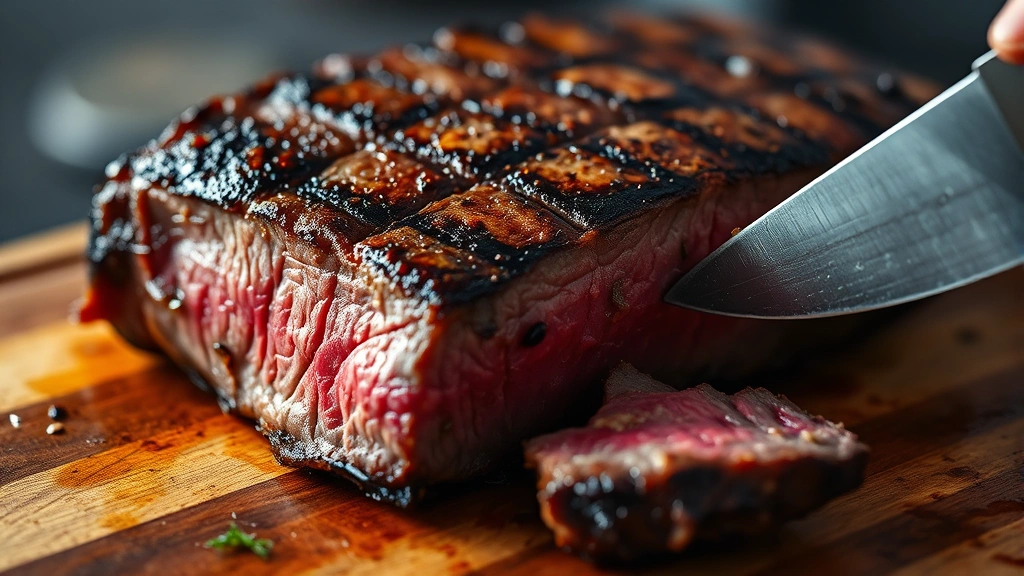
Ultimate Steak Salad Recipe: Dietitian Approved
A perfectly crafted steak salad combines protein-rich beef with fresh vegetables and nutrient-dense ingredients to create a meal that satisfies both your taste buds and nutritional goals. This dietitian-approved recipe delivers impressive flavors while maintaining a balanced macronutrient profile that supports muscle recovery and sustained energy throughout your day.
Whether you’re looking for a quick weeknight dinner or an elegant lunch option, this steak salad recipe transforms simple ingredients into a restaurant-quality dish you can prepare at home. The beauty of this recipe lies in its versatility—you can customize vegetables based on seasonal availability and personal preferences while maintaining the nutritional integrity that makes it dietitian-approved.
The key to mastering this dish involves understanding proper steak cooking techniques, salad composition principles, and dressing balance. We’ll walk you through every step to ensure consistent, delicious results every single time you prepare this meal.
Selecting the Perfect Cut of Steak
The foundation of an exceptional steak salad begins with choosing the right cut of beef. Not all steak cuts work equally well for salads—you’ll want a cut that offers excellent flavor, manageable tenderness, and reasonable cost efficiency. The best options include ribeye, New York strip, sirloin, or flank steak, each bringing distinct characteristics to your final dish.
Ribeye steaks provide superior marbling and rich flavor, making them ideal when you want maximum taste impact. They contain intramuscular fat that renders beautifully during cooking, creating tender, juicy results. However, ribeye costs more, so reserve this option for special occasions or when budget allows.
New York strip steaks offer a leaner profile than ribeye while maintaining excellent flavor and tenderness. They cook evenly and develop a beautiful crust, making them a popular choice for home cooks. This cut balances cost and quality effectively.
Sirloin steaks provide a budget-friendly option without sacrificing flavor. While slightly less tender than premium cuts, proper cooking technique and slicing against the grain produces satisfying results. Sirloin works exceptionally well when you’re feeding a larger group.
Flank steak offers exceptional flavor and leans toward the healthier side nutritionally. This cut requires careful slicing against the grain but delivers impressive results when cooked to medium-rare. Flank becomes increasingly tender with proper technique and rest time.
For a 4-person salad, purchase 1.5 to 2 pounds of steak, allowing approximately 6 ounces per person. Choose steaks that are at least 1 to 1.5 inches thick—thinner cuts cook too quickly and risk overcooking before developing a proper crust.
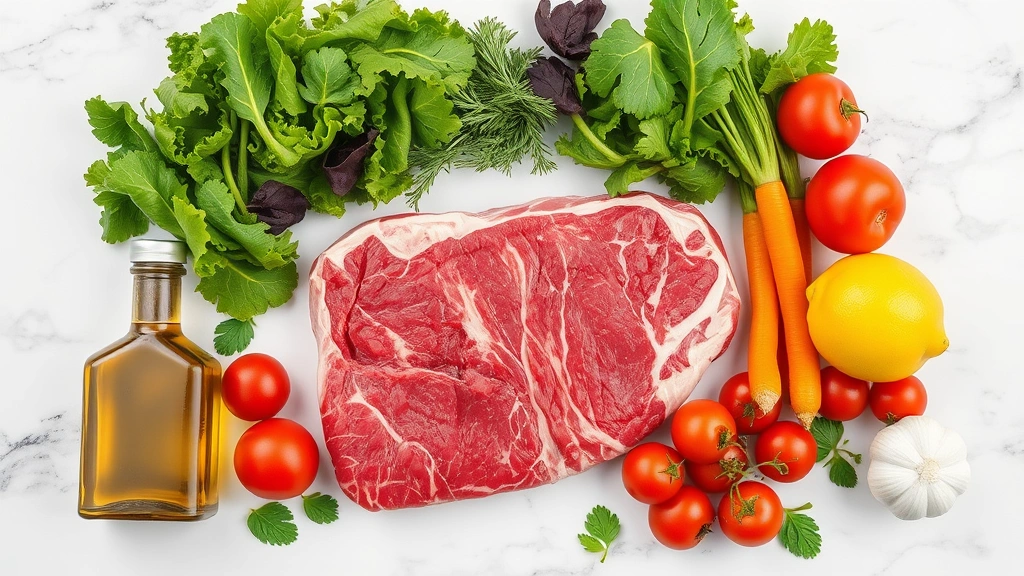
Complete Ingredient List
For the Steak:
- 1.5 to 2 pounds steak (ribeye, New York strip, sirloin, or flank)
- 2 teaspoons kosher salt
- 1 teaspoon freshly ground black pepper
- 1 teaspoon garlic powder
- 1 tablespoon high-heat cooking oil (avocado or grapeseed oil)
For the Salad Base:
- 6 cups mixed greens (romaine, arugula, spinach, or spring mix)
- 2 cups cherry tomatoes, halved
- 1 large cucumber, sliced or diced
- 1 red bell pepper, chopped
- 1 medium red onion, thinly sliced
- 1 cup shredded carrots
- 1 avocado, sliced (optional but recommended)
- ½ cup crumbled blue cheese or feta (optional)
- ¼ cup fresh herbs (parsley, chives, or dill)
For the Dressing:
- ¼ cup extra virgin olive oil
- 2 tablespoons balsamic vinegar
- 1 tablespoon Dijon mustard
- 1 tablespoon fresh lemon juice
- 2 cloves garlic, minced
- 1 teaspoon honey
- Salt and pepper to taste
This ingredient list provides flexibility—feel free to visit our guide on how to make homemade sauces for additional dressing inspiration and flavor combinations.
Preparation and Cooking Instructions
Step 1: Prepare Your Steak
Remove your steak from the refrigerator 30 to 40 minutes before cooking. This crucial step allows the meat to reach closer to room temperature, ensuring even cooking throughout. Cold meat cooks unevenly, with the exterior potentially overcooking while the center remains undercooked.
Pat the steak completely dry using paper towels. Moisture on the surface interferes with browning and crust development. Don’t skip this step—it’s essential for achieving that restaurant-quality sear.
Step 2: Season Generously
Combine kosher salt, freshly ground black pepper, and garlic powder in a small bowl. Apply this seasoning mixture generously to both sides of the steak, pressing gently so it adheres. Season approximately 15 minutes before cooking—this allows the salt to penetrate the meat’s surface, enhancing flavor throughout.
Step 3: Preheat Your Cooking Surface
Heat your cast iron skillet or stainless steel pan over medium-high heat for 3 to 4 minutes. The pan should be smoking slightly when you add your oil. This high temperature creates the Maillard reaction—the chemical process that develops those delicious brown, caramelized flavors.
Step 4: Sear the Steak
Add your high-heat cooking oil to the preheated pan. Immediately place the steak in the center, resisting any urge to move it. Let it cook undisturbed for 4 to 5 minutes for a 1.5-inch-thick steak. This uninterrupted cooking allows a proper crust to develop.
Flip the steak once and cook for an additional 3 to 4 minutes for medium-rare (internal temperature of 130-135°F). Use an instant-read meat thermometer to verify doneness—don’t rely on appearance alone, which can be deceptive.
Step 5: Rest Your Steak
Transfer the cooked steak to a cutting board and let it rest for 5 to 10 minutes. This resting period allows muscle fibers to relax and reabsorb juices, resulting in tender, juicy meat. Skipping this step causes juices to escape when you slice, leaving your steak dry.
Step 6: Slice Against the Grain
Identify the direction of the meat fibers and slice perpendicular to them. Slicing against the grain shortens the muscle fibers, making each bite more tender. Cut the steak into ½-inch-thick strips for optimal salad incorporation.
Creating the Perfect Dressing
A homemade dressing elevates your steak salad from good to exceptional. This balsamic vinaigrette provides the perfect balance of acidity, richness, and flavor complexity that complements both the steak and vegetables.
Dressing Preparation:
- Combine minced garlic and Dijon mustard in a medium bowl, stirring to combine
- Add balsamic vinegar and fresh lemon juice, whisking together
- While whisking continuously, slowly drizzle in extra virgin olive oil until fully incorporated
- Add honey and whisk until the dressing reaches a cohesive consistency
- Taste and adjust seasonings with salt and pepper
The key to a well-emulsified dressing involves slowly adding oil while whisking constantly. This process creates a stable emulsion that clings beautifully to your salad greens and vegetables. If your dressing separates after sitting, simply whisk again before serving.
For additional dressing inspiration and techniques, explore our comprehensive resource on homemade sauce preparation, which includes multiple vinaigrette variations and flavor-building strategies.
This dressing yields approximately ¾ cup, sufficient for a 4-person salad with some leftover for additional servings or future meals. Store extra dressing in an airtight glass container in the refrigerator for up to one week.
Assembling Your Salad
Proper assembly technique ensures every bite contains balanced flavors and textures. The order and method of combining ingredients significantly impacts the final eating experience.
Assembly Process:
- Place your mixed greens in a large salad bowl or directly on individual serving plates
- Arrange prepared vegetables (tomatoes, cucumber, bell pepper, red onion, carrots) around the greens, creating visual appeal
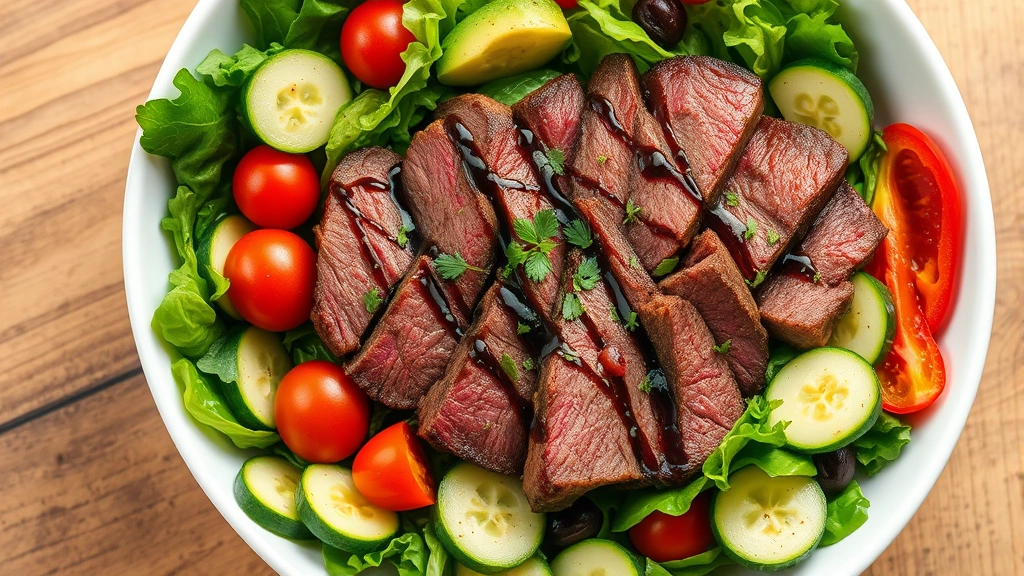
- Top with warm or room-temperature steak slices, positioning them prominently for visual impact
- Add avocado slices if using, distributing evenly across the salad
- Sprinkle blue cheese or feta crumbles over the top
- Garnish with fresh herbs
- Drizzle with balsamic vinaigrette immediately before serving
Timing matters significantly—dress your salad just before eating. Dressing greens too far in advance causes them to wilt and become soggy. However, you can prepare all components ahead of time and assemble at the last moment.
Serve immediately while the steak retains its warmth and the greens remain crisp. The contrast between warm steak and cool, fresh vegetables creates an exceptional dining experience.
Nutritional Benefits and Dietitian Insights
This steak salad recipe earns dietitian approval through its balanced macronutrient composition and nutrient density. A typical serving (4-person recipe) provides approximately 450-500 calories with impressive nutritional content.
Protein Content: Each serving contains 35-40 grams of high-quality protein from the steak. Beef provides all nine essential amino acids, making it a complete protein source that supports muscle maintenance, repair, and growth. The protein also promotes satiety, helping you feel fuller longer.
Healthy Fats: The combination of olive oil in the dressing, avocado, and steak fat provides monounsaturated and polyunsaturated fats that support heart health. These fats facilitate absorption of fat-soluble vitamins (A, D, E, K) from the vegetables.
Micronutrients: The diverse vegetable selection delivers vitamins, minerals, and phytonutrients. Tomatoes provide lycopene, bell peppers offer vitamin C, carrots contribute beta-carotene, and leafy greens supply iron, calcium, and folate. This nutritional density supports overall wellness and disease prevention.
Fiber Content: Vegetables and greens contribute dietary fiber, supporting digestive health and stable blood sugar levels. Approximately 8-10 grams of fiber per serving aids in maintaining healthy cholesterol levels and supporting beneficial gut bacteria.
Glycemic Impact: The high protein and fat content, combined with low refined carbohydrates, results in minimal blood sugar impact. This makes the steak salad an excellent choice for individuals managing blood sugar or following lower-carbohydrate eating patterns.
Explore our collection of best healthy food recipes for additional nutrient-dense meal options that complement this steak salad in a balanced diet.
Creative Variations and Substitutions
Flavor Profile Variations:
Transform your steak salad by experimenting with different dressing styles. A Asian-inspired version incorporates sesame oil, rice vinegar, soy sauce, and ginger for an entirely different flavor experience. Add edamame, shredded cabbage, and crispy wonton strips for textural contrast.
A Mediterranean adaptation features feta cheese, kalamata olives, sun-dried tomatoes, and fresh oregano with a lemon-olive oil dressing. This variation celebrates bright, herbaceous flavors that pair beautifully with beef.
A Southwest-inspired version includes black beans, corn, jalapeños, cilantro, and a lime-cumin vinaigrette. Top with crispy tortilla strips and cotija cheese for authentic flavor and satisfying crunch.
Protein Substitutions:
While beef provides exceptional flavor and nutrition, you can substitute with other proteins. Grilled chicken breast offers a leaner option with similar protein content. Salmon introduces omega-3 fatty acids and a completely different flavor profile. Even vegetarian options like marinated tofu or tempeh can work when prepared with robust seasonings.
Vegetable Customizations:
Build your salad around seasonal vegetables for maximum freshness and flavor. Spring versions feature asparagus, peas, and fresh herbs. Summer salads incorporate zucchini, summer squash, and fresh basil. Fall versions highlight roasted beets, pumpkin seeds, and dried cranberries. Winter salads feature roasted Brussels sprouts, kale, and pomegranate seeds.
Cheese and Topping Options:
Experiment with different cheeses—goat cheese, aged cheddar, or parmesan all complement steak beautifully. Add crunch with nuts (candied walnuts, pecans, or almonds) or seeds (pumpkin, sunflower, or sesame). These additions increase nutritional density while adding textural interest.
Storage and Make-Ahead Tips
Component Preparation:
Prepare salad components up to 24 hours in advance, storing them separately in airtight containers. Wash and dry greens thoroughly, then wrap in paper towels before storage to absorb excess moisture. Chop vegetables and store in sealed containers in the refrigerator.
Cook your steak up to 8 hours ahead, then slice and refrigerate in a covered container. Warm the steak gently before serving—microwave for 30-45 seconds or warm in a skillet over low heat for 2-3 minutes.
Dressing Storage:
Store homemade dressing in a glass jar with a tight-fitting lid for up to one week. Shake vigorously before each use, as the dressing may separate during storage. This advance preparation saves time on busy weeknights.
Full Salad Storage:
While you can technically store a dressed salad for a few hours, the greens will wilt and become soggy. Instead, assemble the salad just before eating, dressing only the portions you’ll consume immediately. This ensures optimal texture and flavor every time.
Batch Cooking Strategy:
Prepare double or triple batches of dressing and cook extra steak for multiple servings throughout the week. This makes assembling quick lunches incredibly convenient. Simply reheat the steak, toss with fresh greens, and enjoy a restaurant-quality meal in minutes.
For additional meal-prep inspiration, browse our selection of healthy recipes that work well for advance preparation.
Consider complementing this steak salad with our easy homemade bread recipes for a complete, satisfying meal that impresses family and guests.
FAQ
What’s the best internal temperature for steak in a salad?
Medium-rare (130-135°F) provides the optimal balance of tenderness, juiciness, and food safety. Use an instant-read meat thermometer for accuracy. Avoid cooking beyond medium (140-145°F), as higher temperatures result in a tougher, drier final product.
Can I make this steak salad ahead for meal prep?
Yes! Prepare all components separately and store them in individual containers. Cook the steak up to 8 hours ahead. Assemble the salad with dressing just before eating to maintain optimal texture and flavor. The dressing stores well for up to one week.
What oil should I use for cooking the steak?
Choose oils with high smoke points, such as avocado oil, grapeseed oil, or refined vegetable oil. Avoid olive oil for high-heat cooking, as it smokes at lower temperatures. Save your premium extra virgin olive oil for the dressing.
Is this recipe suitable for low-carb or keto diets?
Absolutely! This steak salad fits perfectly into low-carb and ketogenic eating patterns. It’s naturally low in carbohydrates while being high in protein and healthy fats. The vegetable content remains within acceptable carb limits for most keto protocols.
How can I make this recipe more budget-friendly?
Use sirloin steak instead of premium cuts like ribeye. Omit expensive additions like blue cheese or avocado, or use them sparingly. Focus on affordable seasonal vegetables and make your own dressing rather than purchasing bottled versions.
What dressing alternatives work well with this salad?
Creamy dressings like ranch or blue cheese complement steak beautifully. Asian-inspired sesame vinaigrettes offer bright, different flavors. Chimichurri sauce brings herbaceous Argentine flair. Experiment with different options to discover your personal preference.
Can I use a different type of lettuce?
Yes! Romaine, spinach, arugula, or any combination works well. Avoid iceberg lettuce, which lacks flavor and nutrition. Choose hearty greens that hold up better to warm steak and dressing.
How do I know when my steak is cooked enough?
Use an instant-read meat thermometer inserted into the thickest part without touching bone. This provides the most accurate doneness indication. The touch test and visual cues are less reliable, especially for home cooks without extensive experience.
What vegetables can I substitute in this recipe?
Nearly any fresh vegetable works! Try roasted beets, grilled zucchini, roasted Brussels sprouts, fresh corn, or mushrooms. Choose vegetables you enjoy eating and that are in season for maximum flavor and value.
Is this steak salad suitable for special diets?
This recipe naturally accommodates gluten-free, paleo, and whole30 eating patterns. For dairy-free versions, simply omit cheese. The base recipe is inherently flexible and works across most dietary approaches.


