Classic Caipirinha Recipe: Bartender Approved Guide to Brazil’s National Cocktail
The caipirinha stands as Brazil’s most iconic cocktail, a refreshing blend of simplicity and sophistication that has captivated drinkers worldwide. This traditional drink combines just four ingredients—cachaça, fresh lime, sugar, and ice—yet delivers a complex flavor profile that keeps bartenders and home mixologists coming back for more. Whether you’re planning a summer gathering or simply want to master a timeless cocktail, understanding the nuances of crafting the perfect caipirinha will elevate your bartending skills.
What makes this caipirinha recipe particularly special is its authenticity. Unlike many cocktails that have evolved through countless variations, the caipirinha remains remarkably true to its roots, dating back to 16th-century Brazil. Professional bartenders consistently emphasize that quality ingredients and proper technique matter far more than fancy equipment or elaborate presentations. This guide walks you through every step of creating a bartender-approved caipirinha that rivals those served in Rio de Janeiro’s finest establishments.
Understanding the Caipirinha’s Heritage
The caipirinha’s history intertwines with Brazilian culture and agricultural traditions. The drink emerged during the 16th century when Portuguese colonists brought distillation techniques to Brazil, where they discovered sugarcane thrived abundantly. Early versions of cachaça were produced by enslaved people working on sugar plantations, and the caipirinha eventually became the drink of choice across all social classes in Brazil.
The word “caipirinha” comes from “caipira,” referring to the interior regions of São Paulo state. The diminutive suffix “-inha” affectionately translates to “little caipira drink.” Over centuries, this humble mixture evolved into a symbol of Brazilian identity and hospitality. Today, bartenders recognize the caipirinha as a masterclass in balance—proof that exceptional cocktails don’t require complexity, just quality execution.
Understanding this heritage helps you appreciate why certain elements remain non-negotiable when crafting an authentic caipirinha. When you explore top food documentaries about Brazilian cuisine, you’ll discover how deeply this cocktail connects to the nation’s identity and agricultural traditions.
Essential Ingredients for Authentic Caipirinha
Creating a bartender-approved caipirinha begins with sourcing the right ingredients. Each component plays a critical role in the final drink’s character, and compromising on quality will be immediately apparent in your glass.
Cachaça forms the foundation of every caipirinha. This Brazilian spirit distilled from sugarcane juice differs fundamentally from rum, which comes from molasses. Quality cachaça ranges from unaged white varieties to aged expressions with complex vanilla and oak notes. Bartenders recommend starting with a mid-range unaged cachaça like Leblon or Sagatiba to understand the spirit’s natural characteristics.
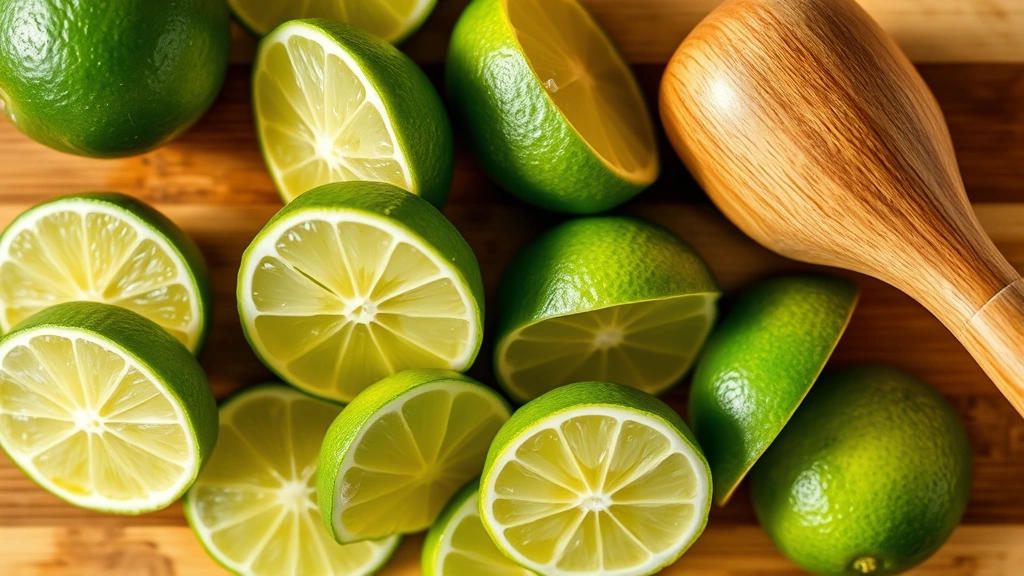
Fresh lime is absolutely essential—never use bottled lime juice or sour mix. You’ll need one to two Persian limes, which provide better juice yield than smaller varieties. The lime’s acidity and aromatic oils directly influence the drink’s balance and character. Select limes that feel heavy for their size, indicating higher juice content.
Demerara or muscovado sugar works better than white granulated sugar for traditional caipirinhas. These darker sugars add subtle molasses notes that complement the cachaça beautifully. Some bartenders use simple syrup instead, though purists argue fresh sugar allows better control over sweetness levels.
Ice matters more than most home bartenders realize. Use fresh, clear ice rather than ice that’s been sitting in your freezer for weeks, as old ice absorbs freezer odors. Ideally, crush or crack your ice into small pieces rather than using standard cubes, which melt too slowly and dilute the drink unevenly.
Step-by-Step Caipirinha Recipe Instructions
Here’s the classic caipirinha recipe that bartenders have perfected across generations:
Ingredients (per serving):
- 2 oz (60 ml) cachaça
- 1 whole lime, cut into 8 wedges
- 2 teaspoons demerara sugar (or ½ oz simple syrup)
- Crushed or cracked ice
Instructions:
- Prepare your glass: Use a rocks glass or traditional caipirinha glass. Chill the glass beforehand if possible by filling it with ice for 30 seconds, then emptying it. This keeps your finished drink colder longer.
- Cut the lime: Cut your lime in half, then cut each half into quarters to create eight wedges. Leave the white pith on the wedge—this adds important bitterness that balances sweetness.
- Add lime and sugar: Place all eight lime wedges into your glass along with the demerara sugar. This is where the magic begins.
- Muddle carefully: Using a wooden muddler or the back of a bar spoon, gently press the lime wedges against the glass bottom and sides. You want to extract the lime juice and essential oils without crushing the pith into bitter fragments. This step typically takes 8-10 gentle pressing motions.
- Fill with ice: Add enough crushed or cracked ice to fill the glass three-quarters full. The smaller ice pieces create better surface area for proper dilution.
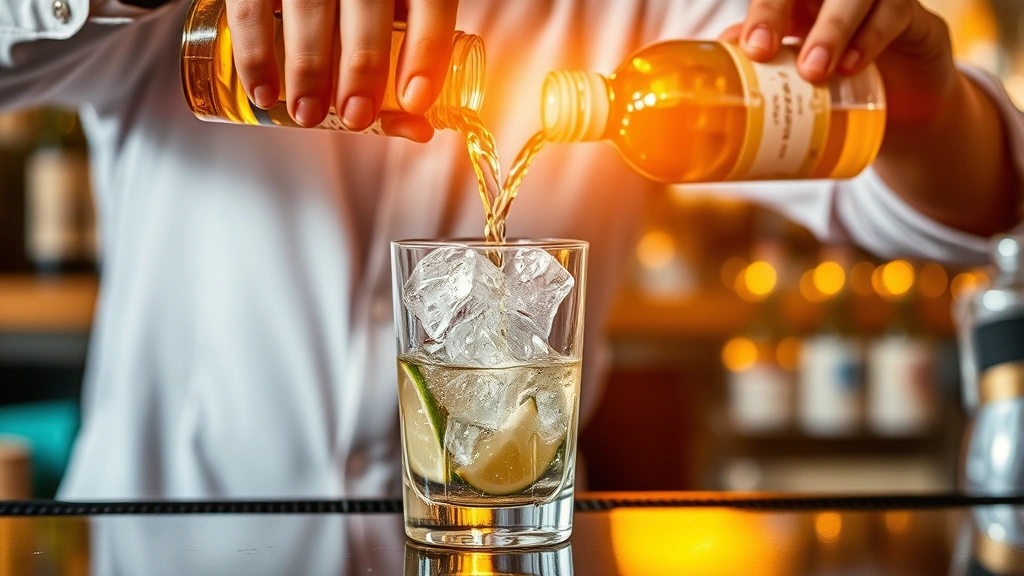
- Pour the cachaça: Add 2 ounces of cachaça directly over the ice and lime mixture.
- Stir thoroughly: Using a bar spoon or regular spoon, stir the drink for about 10-15 seconds. This ensures proper mixing of all ingredients and helps the ice begin melting for ideal dilution.
- Taste and adjust: Take a small sip and evaluate. If it’s too strong, add a touch more ice or a splash of water. If it needs more sweetness, add a small amount of simple syrup.
- Serve immediately: Drink your caipirinha right away while it’s properly chilled and balanced.
The entire process from start to finish should take about two minutes. Bartenders emphasize that rushing any step compromises the final result, so take your time and focus on technique rather than speed.
Mastering the Muddling Technique
Muddling represents the most critical and misunderstood step in caipirinha preparation. Many home bartenders over-muddle, aggressively crushing the lime wedges and releasing excessive bitter compounds from the pith and skin. Professional bartenders use a much gentler approach.
The proper muddling motion involves pressing the lime wedges downward and slightly twisting them against the glass bottom. You’re extracting juice and releasing aromatic oils, not pulverizing the fruit into oblivion. Think of it as coaxing rather than forcing.
Timing matters significantly. Muddle for approximately 8-10 seconds total. This duration allows sufficient juice extraction while keeping bitter pith compounds at acceptable levels. If you muddle for 20-30 seconds like some guides suggest, your caipirinha will taste harsh and unbalanced.
Tool selection affects results. A wooden muddler provides better control than metal alternatives and won’t damage your glassware. The back of a bar spoon works in a pinch, though it’s less efficient. Avoid plastic muddlers, which can impart off-flavors and wear down quickly.
Sugar’s role in muddling: The sugar helps break down the lime cell walls and extract juice more efficiently. Some bartenders add the sugar before muddling, while others prefer muddling the lime first, then adding sugar. Both methods work—choose whichever feels more natural to you.
If you’re interested in understanding food science principles behind flavor extraction, resources from culinary school centers offer fascinating insights into how muddling affects molecular compounds in citrus.
Cachaça Selection and Quality
Cachaça quality directly determines your caipirinha’s excellence, making spirit selection as important as technique. Brazil produces thousands of cachaça brands, ranging from industrial bulk products to artisanal small-batch expressions.
Unaged white cachaça represents the traditional choice for classic caipirinhas. These spirits showcase the pure flavor of sugarcane with bright, grassy notes and subtle vegetal character. Recommended brands include Leblon, Sagatiba, and Novo Fogo, all offering excellent quality at reasonable prices.
Aged cachaça creates interesting variations, introducing vanilla, caramel, and oak complexity. While less traditional, aged cachaça caipirinhas appeal to those who prefer richer, more sophisticated flavor profiles. Reserve aged expressions for sipping straight or in premium caipirinha variations.
Avoid industrial cachaça made from molasses or containing additives. These products lack the distinctive character of true sugarcane-based spirits and will result in flat, uninspiring drinks. Reading the bottle label carefully helps ensure you’re purchasing authentic cachaça produced from fresh sugarcane juice.
Price considerations: You don’t need expensive cachaça for excellent caipirinhas. A bottle in the $25-40 range typically offers superior quality to cheaper options while remaining reasonable for home bartenders. Once you’ve mastered the basics with quality mid-range cachaça, experiment with premium brands to discover personal preferences.
For deeper understanding of sugarcane spirits and distillation techniques, explore resources from international culinary professional organizations.
Common Mistakes to Avoid
Even with excellent ingredients and clear instructions, several common errors can undermine your caipirinha. Recognizing and avoiding these pitfalls ensures consistent success.
Over-muddling the lime tops the list of caipirinha mistakes. Aggressive muddling extracts excessive bitter compounds, resulting in harsh, unpalatable drinks. Remember: gentle pressing and twisting, not pounding.
Using bottled lime juice eliminates the fresh aromatics that make caipirinhas special. Pre-bottled juices oxidize and lose volatile compounds within hours of pressing. Always use fresh-squeezed lime juice from whole limes cut in your glass.
Adding too much sugar creates overly sweet drinks that mask the cachaça’s character. Start with two teaspoons and adjust upward if needed. Remember that lime juice adds natural acidity and perceived dryness, so less sugar often works better than expected.
Using large ice cubes melts too slowly, resulting in under-diluted spirits and unbalanced flavors. Crushed or cracked ice provides better surface area and melts at the proper rate for ideal dilution and temperature.
Skipping the stir step leaves ingredients poorly mixed and temperatures uneven. A thorough 10-15 second stir ensures all components combine properly and ice begins melting for optimal dilution.
Letting the drink sit too long before serving allows ice to melt excessively, diluting your caipirinha beyond the ideal balance point. Drink immediately after preparation for the best experience.
Using warm or old ice from the bottom of your freezer imparts off-flavors and melts unpredictably. Always use fresh ice and store it in sealed containers to prevent absorbing freezer odors.
Variations and Modern Twists
While the classic caipirinha remains unbeatable, creative bartenders have developed interesting variations that maintain the drink’s essential character while introducing new dimensions.
Caipirinha with fresh fruit substitutes or supplements lime with strawberries, passion fruit, or pineapple. Use the same muddling technique with fresh fruit wedges, creating tropical variations that appeal to those preferring sweeter profiles. These variations work wonderfully at summer gatherings and pair beautifully with best healthy food recipes featuring fresh ingredients.
Caipirinha with herbs introduces basil, mint, or rosemary alongside lime. Add fresh herb sprigs to the glass before muddling, releasing aromatic oils that complement the cachaça beautifully. This approach appeals to those interested in sophisticated flavor combinations.
Spiced caipirinha incorporates ginger, cinnamon, or chili peppers for added complexity. Muddle fresh ginger slices with your lime wedges, or rim the glass with cinnamon sugar for subtle spice notes.
Aged cachaça caipirinha uses premium aged spirits instead of unaged varieties, creating richer, more complex drinks suitable for sipping and contemplation rather than casual refreshment.
Caipirinha batches scale the recipe for parties by combining multiple servings in a large pitcher. Mix cachaça, lime juice, and sugar in proper proportions, chill thoroughly, then serve over fresh ice. This approach simplifies preparation for gatherings while maintaining quality.
When hosting events featuring cocktails, consider pairing them with easy dinner recipes for beginners that complement Brazilian-inspired beverages.
Serving and Presentation
Proper presentation enhances the caipirinha experience, transforming a simple drink into a memorable occasion. Bartenders understand that visual appeal and thoughtful service matter as much as flavor.
Glassware selection affects both aesthetics and function. Traditional caipirinha glasses feature wider bowls and sturdy bases, providing excellent surface area for muddled lime and comfortable grip. Rocks glasses work perfectly as alternatives. Avoid tall glasses designed for other cocktails, as they don’t showcase the drink’s character.
Chilling glassware beforehand keeps your caipirinha at optimal temperature longer. Simply fill the glass with ice 30 seconds before preparation, then empty and proceed with your recipe.
Garnish thoughtfully with a lime wheel or sprig of fresh mint if desired, though the muddled lime within the drink serves as the primary garnish. Avoid over-garnishing, which detracts from the drink’s elegant simplicity.
Serve immediately while the drink is properly chilled and balanced. The caipirinha’s appeal diminishes as ice melts and flavors become unbalanced, so prioritize prompt service.
Temperature control during preparation matters significantly. Some bartenders pre-chill their mixing glass or use cold cachaça straight from the refrigerator for enhanced results.
FAQ
What’s the difference between cachaça and rum?
Cachaça is distilled directly from fresh sugarcane juice, while rum is typically made from molasses, a byproduct of sugar refining. This fundamental difference creates distinct flavor profiles—cachaça offers grassy, vegetal notes while rum tends toward caramel and spice characteristics. Both spirits are excellent for different cocktails, but authentic caipirinhas specifically require cachaça.
Can I make a caipirinha without fresh lime?
Fresh lime is essential to authentic caipirinha preparation. Bottled lime juice lacks the aromatic oils and brightness that fresh limes provide, resulting in flat, uninspiring drinks. If fresh limes are truly unavailable in your area, consider substituting with fresh lemon juice as a last resort, though this creates a different drink entirely.
How do I know if I’m muddling correctly?
Proper muddling takes about 8-10 seconds and should extract lime juice while keeping the pith intact. If your drink tastes bitter or harsh, you’ve over-muddled. The lime wedges should appear slightly broken down but not pulverized into fragments.
What type of sugar works best for caipirinhas?
Demerara or muscovado sugar are traditional choices that add subtle molasses complexity. White granulated sugar works acceptably if that’s what you have available. Simple syrup provides more consistent results for those who prefer precise measurements, though some purists argue fresh sugar creates superior flavor.
Should I muddle the lime before or after adding sugar?
Both approaches work equally well. Adding sugar before muddling helps break down lime cell walls and extract juice more efficiently. Muddling the lime first, then adding sugar, gives you slightly more control over the final sweetness level. Experiment to determine your preferred method.
How can I batch caipirinhas for parties?
Combine cachaça, fresh lime juice, and sugar in proper proportions in a large pitcher. Chill thoroughly, then serve each portion over fresh ice. This approach maintains quality while simplifying preparation for large groups. Avoid pre-mixing with ice, as it will melt and dilute the batch.
What’s the ideal temperature for serving cachaça?
Room temperature works fine for sipping premium aged cachaça straight, but caipirinhas should be served ice-cold. The cold temperature suppresses harsh alcohol notes and enhances the drink’s refreshing character.
Can I use frozen lime juice?
Frozen lime juice maintains better quality than bottled alternatives, though fresh-squeezed juice is always superior. If using frozen juice, thaw it completely and allow it to reach room temperature before mixing your caipirinha.
How much cachaça should I use in a caipirinha?
The standard recipe calls for 2 ounces (60 ml) of cachaça per drink. Some bartenders prefer 1.5 ounces for lighter drinks or 2.5 ounces for stronger versions. Start with 2 ounces and adjust according to personal preference.
What food pairs well with caipirinhas?
Caipirinhas pair beautifully with Brazilian cuisine, grilled meats, fresh seafood, and light appetizers. The drink’s refreshing character complements spiced or citrus-based dishes exceptionally well. For detailed pairing suggestions, explore low carb dinner recipes featuring grilled proteins and fresh vegetables that work wonderfully alongside cocktails.
How long does cachaça last once opened?
Unopened cachaça remains shelf-stable indefinitely. Once opened, quality remains stable for several years if stored in a cool, dark place away from direct sunlight. Avoid storing in the freezer, which can affect the spirit’s flavor profile and character over time.
Mastering the caipirinha recipe takes practice and attention to detail, but the rewards justify the effort. By understanding each ingredient’s role and respecting proper technique, you’ll create drinks that rival those served by professional bartenders worldwide. Start with the classic recipe, avoid common mistakes, and gradually experiment with variations as your confidence grows. Remember that the caipirinha’s beauty lies in its simplicity—quality ingredients and proper execution always triumph over complicated additions or shortcuts. Whether you’re refreshing yourself after a long day or impressing guests at your next gathering, a well-crafted caipirinha delivers satisfaction that few other cocktails can match.


