Coffee Loophole Recipe: The Barista-Approved Hack That’s Taking Over
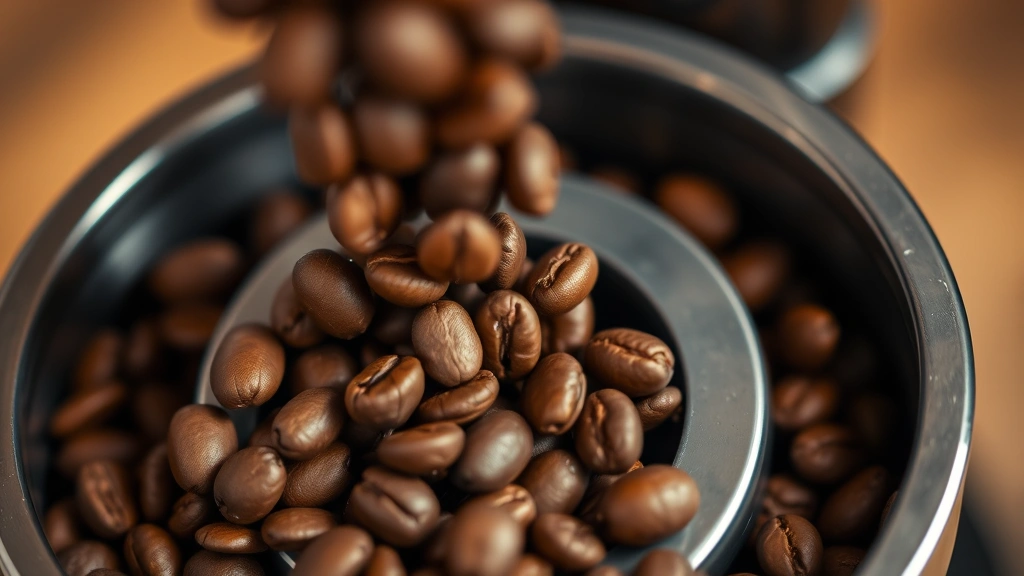
The “coffee loophole” has become a trending phenomenon among coffee enthusiasts and home baristas who want to elevate their daily brew without complicated equipment or expensive beans. This clever technique isn’t about breaking rules—it’s about understanding coffee extraction science and applying it creatively to achieve café-quality results at home. Whether you’re a seasoned coffee drinker or just beginning to explore specialty coffee culture, this barista-approved hack delivers impressive flavor complexity with minimal effort.
What makes this method so popular is its simplicity combined with genuine results. You don’t need a $500 espresso machine or rare single-origin beans to enjoy exceptional coffee. Instead, this approach leverages fundamental principles that professional baristas use daily, making it accessible to anyone willing to learn a few key techniques. The coffee loophole recipe has sparked conversations in coffee communities worldwide, with enthusiasts sharing their variations and discoveries about how small adjustments create dramatic flavor improvements.
What Is the Coffee Loophole?
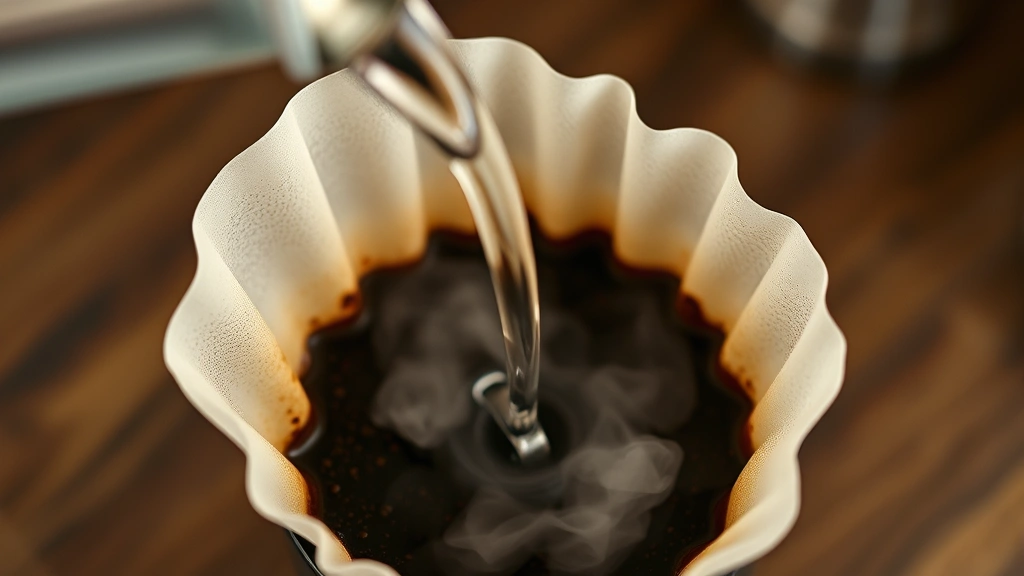
The coffee loophole refers to a brewing technique that maximizes flavor extraction by manipulating water temperature, contact time, and coffee-to-water ratio in unconventional ways. Rather than following strict brewing protocols, this method identifies the “loopholes” in traditional brewing science to achieve superior taste without expensive equipment. Think of it as finding creative shortcuts that align with coffee chemistry rather than cutting corners on quality.
At its core, the coffee loophole recipe involves using readily available tools—like a standard coffee maker, French press, or even a pour-over setup—and applying strategic adjustments that baristas have discovered through experimentation. The technique gained momentum on social media when home brewers started sharing how they achieved espresso-like intensity using basic equipment. What resonates with people is that this isn’t a gimmick; it’s grounded in legitimate coffee science that professionals understand and apply in different forms.
The appeal extends beyond just saving money. Many coffee enthusiasts appreciate the hands-on nature of this method, as it encourages engagement with the brewing process itself. You become more aware of how variables like grind size, water quality, and timing influence your final cup. This increased mindfulness about coffee preparation often leads to discovering other complementary brewing techniques and developing a deeper appreciation for the beverage.
The Science Behind Extraction
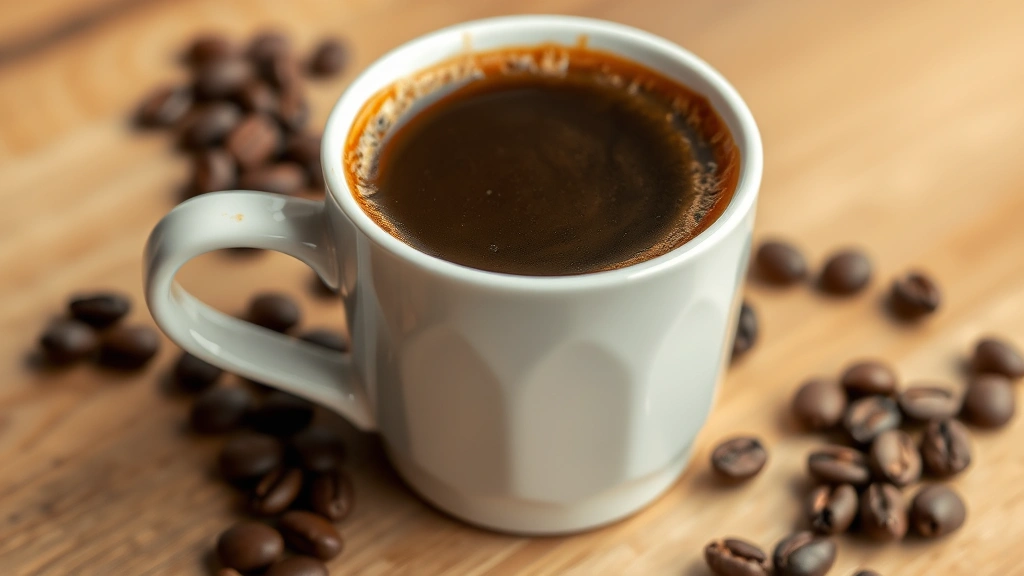
Understanding extraction is crucial to mastering the coffee loophole recipe. Extraction refers to the process of dissolving soluble compounds from coffee grounds into hot water. These compounds include oils, acids, sugars, and other flavor molecules that create the taste you experience. When extraction is optimal, you get balanced, complex flavor. Too little extraction produces sour, thin coffee; too much creates bitter, astringent results.
The “loophole” exploits the fact that extraction is highly dependent on several controllable variables. Water temperature significantly impacts extraction speed—hotter water extracts faster but can over-extract if given too much time. Grind size matters because smaller particles expose more surface area to water, accelerating extraction. The coffee-to-water ratio determines concentration, affecting both flavor intensity and mouthfeel. Contact time is how long water remains in contact with grounds, directly influencing extraction percentages.
Professional baristas aim for approximately 18-22% extraction rate, meaning about 18-22% of the coffee’s soluble material dissolves into the water. The loophole method achieves this target through creative combinations of these variables. For instance, you might use slightly cooler water with longer steeping time, or hotter water with shorter contact, or adjust grind size to compensate for other variables. The flexibility here is what makes it a “loophole”—multiple paths lead to the same excellent extraction.
Research from Specialty Coffee Association has documented how these variables interact. Temperature ranges between 195-205°F (90-96°C) work best for most brewing methods. Grind consistency matters as much as size; inconsistent particles extract unevenly. Water quality impacts flavor too—mineral content, pH levels, and chlorine presence all influence the final cup. Understanding these factors empowers you to troubleshoot and adjust your brewing when results aren’t quite right.
Essential Ingredients and Equipment
The beauty of the coffee loophole recipe is that it requires minimal equipment. Unlike espresso machines or expensive pour-over setups, you likely already own everything needed. Here’s what you’ll need:
- Coffee beans: Medium to dark roast works best for beginners. Aim for beans roasted within the last 2-3 weeks for optimal freshness.
- A grinder: Burr grinders (either blade or conical) produce more consistent results than blade grinders alone. Consistency matters more than expense.
- Hot water: Filtered water is ideal. Tap water works if filtered; avoid distilled water as it lacks beneficial minerals.
- Brewing vessel: French press, pour-over dripper, Aeropress, or even a standard drip coffee maker. The method adapts to your equipment.
- Thermometer: Optional but helpful for monitoring water temperature, especially when refining your technique.
- Scale: Digital kitchen scales ensure consistency. While not absolutely necessary, they help replicate successful brews.
- Timer: Most phones have this function. Timing is critical for controlling extraction.
Unlike creating homemade bread, coffee brewing doesn’t require specialized baking equipment. Your regular kitchen tools suffice. The investment in a decent burr grinder is worthwhile if you don’t already have one, as it’s the single most impactful tool for improving coffee quality. A $30-40 burr grinder produces dramatically better results than blade grinders, making it the best coffee-related purchase you can make.
Step-by-Step Brewing Method
Here’s the coffee loophole recipe broken down into clear, actionable steps:
- Measure your coffee: Use a 1:16 coffee-to-water ratio as your starting point. This means 1 gram of coffee for every 16 grams of water. For example, use 25 grams of coffee with 400 grams of water. If you don’t have a scale, use approximately 1 tablespoon of coffee per 6 ounces of water.
- Grind your beans: Grind immediately before brewing for maximum freshness. For the loophole method, aim for a medium grind—similar to sea salt consistency. This is slightly finer than French press but coarser than espresso.
- Heat water to 200°F (93°C): This temperature is slightly hotter than standard brewing temperatures, which accelerates extraction. If you don’t have a thermometer, let boiled water cool for about 30 seconds before using.
- Bloom phase (30 seconds): Pour just enough hot water to saturate all the grounds—roughly 50 grams of water for 25 grams of coffee. This initial contact allows CO2 to escape and preps grounds for full extraction. You’ll notice bubbling as gas releases.
- Main pour (2-3 minutes): Slowly add remaining water in stages. For pour-over, pour in circles to ensure even saturation. For French press or Aeropress, stir gently after adding water. The entire brewing should take 3-4 minutes total.
- Steep and drain: Let the coffee steep for your chosen contact time. For French press, this is typically 4 minutes total before plunging. For pour-over, gravity handles drainage naturally.
- Pour and enjoy: Transfer to your cup immediately. Leaving brewed coffee sitting on grounds leads to over-extraction and bitterness.
This method works because the slightly hotter water and medium grind size work together to achieve optimal extraction efficiently. The bloom phase is crucial—it ensures all grounds contact water evenly, preventing some particles from under-extracting while others over-extract. Many home brewers skip this step, which is a missed opportunity for flavor improvement.
Pro Tips from Professional Baristas
Baristas who’ve mastered coffee extraction share these insights for elevating your loophole brewing:
Water quality matters more than bean price: Filtered water with some mineral content produces better extraction than either distilled water or highly chlorinated tap water. If your tap water tastes off, filtering is worth the small investment. Water Quality Association provides resources for understanding your local water composition.
Temperature consistency is key: Rather than measuring exact temperatures, baristas focus on consistency. If you brew at 200°F today, aim for 200°F tomorrow. Variations in temperature create inconsistent extraction, making it hard to understand what’s working.
Invest in bean freshness: Coffee peaks in flavor 2-3 weeks after roasting. Older beans extract differently, requiring adjustment to your method. Buy from local roasters when possible, or check roast dates on bags. Whole beans stay fresher longer than pre-ground coffee.
Experiment with ratios: The 1:16 ratio is a starting point, not a rule. Some prefer 1:15 for stronger coffee or 1:17 for lighter brews. Small ratio adjustments create noticeable flavor differences. Track what you use so you can replicate success.
Clean your equipment thoroughly: Oil buildup from previous brews interferes with flavor. Wash brewing vessels with hot soapy water after each use. For French presses, backflush the filter screen. Clean equipment prevents rancid flavors from old coffee oils.
Grind immediately before brewing: Ground coffee oxidizes quickly, losing volatile flavor compounds within 15-30 minutes of grinding. Whole beans maintain freshness for weeks. This single habit improves flavor more than most people realize.
These barista insights aren’t mysterious secrets—they’re observations about how coffee chemistry works. When you understand the reasoning, you can adapt techniques to your specific equipment and preferences. Similar to how knowing bagel-making techniques helps you troubleshoot problems, understanding coffee science empowers better brewing.
Flavor Variations to Explore
Once you’ve mastered the basic coffee loophole recipe, experimenting with variations keeps brewing interesting and helps you discover your preferences:
Temperature adjustments: Lower water temperature (195°F) produces brighter, more acidic flavor with less body. Higher temperature (205°F) creates fuller body with less acidity. Try both with the same beans to experience the difference.
Grind size variations: Finer grinds extract faster, so reduce contact time slightly to prevent over-extraction. Coarser grinds need longer steeping. This flexibility is the loophole’s advantage—you can adapt to whatever grinder you have.
Single-origin versus blends: Single-origin beans showcase specific flavor characteristics—Ethiopian beans might taste fruity, while Brazilian beans taste nutty. Blends balance flavors across origins. Experiment with different origins to discover taste preferences.
Roast level exploration: Light roasts preserve origin flavors but extract more slowly and can taste sour if under-extracted. Dark roasts extract quickly and taste bold but can become bitter if over-extracted. Medium roasts offer balance and are forgiving for beginners.
Brewing vessel impact: French press produces fuller body because metal filters allow oils through. Pour-over creates cleaner flavor because paper filters trap oils. Aeropress offers a middle ground. The same beans taste different through different equipment.
Water composition experiments: Hard water (mineral-rich) extracts differently than soft water. Some coffee shops intentionally adjust water hardness to optimize extraction for their beans. This is advanced territory, but worth exploring once you master basics.
These variations demonstrate that the coffee loophole recipe isn’t rigid—it’s a framework you customize. Like adapting simple biscuit recipes with different flavors, coffee brewing benefits from creative experimentation within scientific parameters.
Common Mistakes to Avoid
Using old beans: Coffee older than 3-4 weeks loses flavor compounds. Stale beans extract differently, requiring different parameters. Always check roast dates and buy fresher coffee when possible.
Inconsistent grind size: Blade grinders create uneven particle sizes, leading to inconsistent extraction. Some particles over-extract while others under-extract. Invest in a burr grinder if grinding is your bottleneck.
Ignoring the bloom phase: Skipping bloom means CO2 remains trapped in grounds, creating uneven water contact. This single step improves flavor noticeably.
Leaving coffee on grounds too long: Once brewing finishes, remove grounds immediately. Continued contact over-extracts, creating harsh, bitter flavor. This is why French press plunging matters—it stops extraction.
Using water that’s too cool: Water below 195°F extracts too slowly, producing sour, thin coffee. Conversely, water above 205°F over-extracts quickly. Stay within the optimal range.
Not measuring consistently: Eyeballing coffee amounts creates unpredictable results. Even rough measurements with a scale (or consistent tablespoon amounts) improve consistency dramatically.
Brewing with poor-quality water: Chlorinated or mineral-heavy water masks bean flavor. Simple filtered water transforms your brewing noticeably.
Storing beans improperly: Keep beans in airtight containers away from light and heat. Oxygen, light, and temperature fluctuations degrade coffee quality. Freezing whole beans extends freshness if you won’t use them within weeks.
These mistakes are common because coffee brewing seems simple. The reality is that small details compound to create significant flavor differences. Addressing even one or two mistakes usually improves your results noticeably.
Troubleshooting Your Brew
If your coffee tastes off, use these diagnostic steps:
If your coffee tastes sour: Under-extraction is likely. Increase water temperature slightly, use finer grind, or extend contact time. Any of these increases extraction percentage.
If your coffee tastes bitter or harsh: Over-extraction is probably the culprit. Lower water temperature, use coarser grind, or reduce contact time to decrease extraction.
If your coffee tastes weak or thin: Try increasing the coffee-to-water ratio (use more coffee), or increase contact time. These boost flavor concentration.
If flavor is muted or dull: Your beans might be stale, or your water quality might be poor. Try fresher beans or filtered water to see if flavor improves.
If results are inconsistent: Focus on measuring consistency. Use a scale for coffee and water amounts, measure temperature, and time contact precisely. Once you control variables, you’ll identify which ones affect flavor most.
Troubleshooting teaches you about extraction science practically. Each adjustment reveals how variables interact, building intuition that makes you a better brewer. This experiential learning is why the coffee loophole method appeals to enthusiasts—you’re not just following recipes; you’re understanding coffee.
Just as understanding cast iron cooking techniques improves all your meals, understanding coffee extraction improves every cup you brew. The principles remain consistent whether you’re using a $20 pour-over or a $500 espresso machine.
FAQ
What’s the difference between the coffee loophole and regular brewing?
Regular brewing often follows strict protocols without understanding why. The coffee loophole applies extraction science intentionally, using creative variable combinations to achieve optimal extraction. It’s less about the equipment and more about understanding coffee chemistry.
Do I need expensive equipment for the coffee loophole recipe?
No. The loophole works with any brewing method—French press, pour-over, Aeropress, or standard drip machines. The only worthwhile investment is a burr grinder, which costs $30-50 and dramatically improves consistency.
How long does it take to master this technique?
Basic competency takes a few brews—maybe a week of daily coffee-making. Mastery takes months of experimentation as you understand how variables interact with your specific equipment and taste preferences. The learning curve is gentle and rewarding.
Can I use pre-ground coffee?
Pre-ground coffee works but produces inferior results because it oxidizes quickly. If you must use pre-ground, use it immediately and store the bag sealed in the freezer. Grinding whole beans immediately before brewing is significantly better.
What if my tap water tastes bad?
Invest in a simple water filter pitcher (around $25-35) or use filtered water. Water quality dramatically impacts coffee flavor. If your tap water is chlorinated or has mineral buildup, filtering is worthwhile.
Is the coffee loophole just a trend?
The term is trendy, but the underlying principles are established coffee science. Baristas have used these extraction principles for years. The “loophole” popularity reflects people discovering these legitimate techniques work, not that the technique itself is new.
How does this compare to espresso?
The loophole method achieves some espresso-like intensity without espresso machines. True espresso uses pressure and very fine grounds with brief contact time. The loophole uses standard equipment with optimized variables to get similar flavor complexity through different means.
Can I make cold brew with this method?
The loophole principles apply to cold brew too, though contact times extend to 12-24 hours. Lower temperature extraction is slower, so longer steeping compensates. The same extraction science applies; only variables change.
What if I don’t like my coffee strong?
Adjust your coffee-to-water ratio to 1:17 or 1:18 instead of 1:16. Use lighter roast beans and slightly cooler water. These changes create milder flavor while maintaining complexity.
How do I know if my extraction is optimal?
Optimal extraction tastes balanced—neither sour nor bitter, with clear flavor notes. Your coffee should taste smooth with noticeable complexity. If you can identify flavor notes (fruity, nutty, chocolatey), extraction is probably good. Experiment until you find your preference.


