Steak Tacos Made Easy? Chef’s Guide
Steak tacos represent one of the most versatile and satisfying meals you can prepare at home. Whether you’re hosting a weeknight dinner or impressing guests at a casual gathering, mastering the art of steak tacos opens endless culinary possibilities. The beauty of this dish lies in its simplicity: quality meat, proper seasoning, and fresh toppings combine to create restaurant-quality results in your own kitchen.
Many home cooks believe that exceptional steak tacos require complicated techniques or expensive equipment. The truth is far simpler. With the right approach to selecting meat, understanding heat management, and assembling your components strategically, you’ll create tacos that rival any taquería. This guide walks you through every step, from choosing your cut to plating your finished masterpiece.
Choosing the Perfect Steak Cut
The foundation of exceptional steak tacos begins with selecting the right cut of meat. Not all steaks perform equally when sliced thin and served in tacos. Understanding the characteristics of different cuts ensures you achieve the ideal texture and flavor profile.
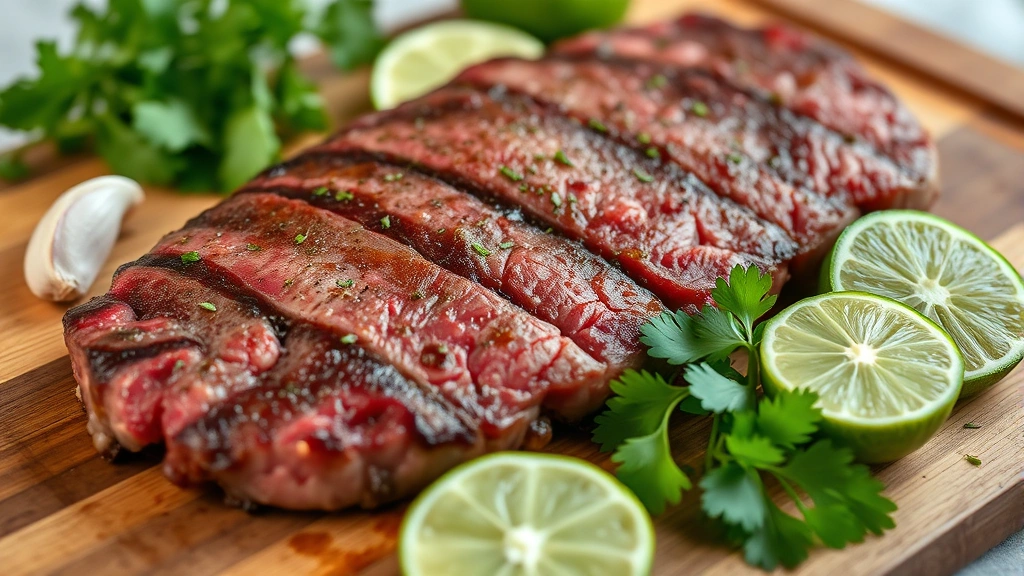
Skirt steak stands as the gold standard for traditional carne asada tacos. This cut comes from the diaphragm muscle and features pronounced grain lines that absorb marinades beautifully. The meat naturally contains enough fat to remain juicy during cooking, even when sliced thin. Skirt steak cooks quickly and develops an excellent crust when seared properly.
Flank steak offers a leaner alternative with similar grain structure. It requires slightly more careful cooking to avoid drying out, but delivers exceptional flavor when prepared correctly. This cut works particularly well when marinated for extended periods, allowing acids and spices to penetrate deeply.
For those seeking premium options, filet mignon provides unmatched tenderness. While more expensive, this tender cut requires minimal cooking time and produces luxurious, melt-in-your-mouth tacos. The trade-off involves less pronounced beef flavor compared to fattier cuts.
Ribeye and New York strip work beautifully when cut against the grain into thin slices. These premium cuts offer excellent marbling, ensuring moisture and flavor throughout the cooking process. They’re ideal when you want to showcase beef quality.
Purchase 1.5 to 2 pounds of steak for four generous servings. Look for meat with visible marbling—those white fat lines indicate flavor and juiciness. Avoid overly thin cuts; aim for steaks at least three-quarters of an inch thick to develop proper crust while maintaining a pink center.
Preparing Your Meat
Proper preparation transforms raw steak into taco-ready perfection. This stage sets up success during cooking and directly impacts final texture and flavor.
Bring meat to room temperature. Remove your steak from the refrigerator 30 to 45 minutes before cooking. Cold meat won’t sear properly and cooks unevenly. Room temperature steak develops a superior crust while maintaining a tender, pink center.
Pat dry thoroughly. Use paper towels to remove all surface moisture. Wet meat steams rather than sears. This step proves crucial for developing the flavorful brown crust that defines excellent steak tacos.
Trim excess fat. While some fat adds flavor, trim any thick exterior fat that won’t render during quick cooking. Leave thin fat caps—they contribute to moisture and taste.
Score the surface lightly. Using a sharp knife, make shallow crosshatch cuts on both sides. This technique helps marinades penetrate and creates texture that appeals to the palate.
If marinating, prepare your mixture while meat reaches room temperature. This timing ensures optimal flavor absorption without over-curing the exterior.
Seasoning Strategies
Seasoning represents the critical bridge between good steak tacos and unforgettable ones. Your approach depends on whether you’re marinating or using a dry rub.
Marinade approach: A proper marinade contains acid (lime juice, vinegar), fat (oil), aromatics (garlic, onion), and spices. The acid tenderizes and flavors, while fat carries flavors and maintains moisture. Combine one cup lime juice, half cup olive oil, four minced garlic cloves, one diced onion, one tablespoon cumin, one teaspoon oregano, salt, and pepper. Submerge steak completely and refrigerate for 2 to 12 hours. Don’t exceed 12 hours—excessive acid can make meat mushy.
For deeper understanding of seasoning fundamentals, explore our steak seasoning recipe guide, which breaks down how different spices interact with beef.
Dry rub approach: When time is limited, apply seasoning directly to the meat 40 minutes before cooking. This allows salt to penetrate while creating a flavorful crust. Combine two tablespoons chili powder, one tablespoon cumin, one tablespoon smoked paprika, one tablespoon garlic powder, one tablespoon onion powder, one teaspoon dried oregano, salt, and pepper. Apply generously to all surfaces.
Hybrid method: Coat meat with a dry rub, then finish with a squeeze of fresh lime juice just before cooking. This combines dry rub’s flavor concentration with marinade’s tenderness benefits.
Consider your serving timeline. For weeknight tacos, dry rubs deliver results in minimal time. For entertaining, marinating the night before builds deeper flavors and reduces cooking-day stress.
Cooking Techniques
How you cook steak determines texture, juiciness, and those essential caramelized edges that make tacos memorable.
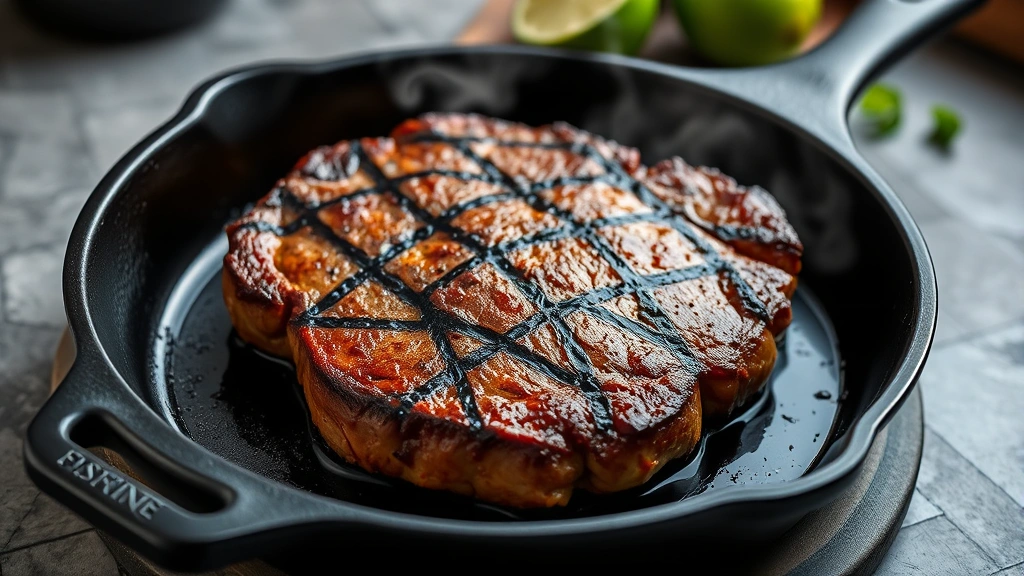
Cast iron skillet method: Heat a cast iron skillet over high heat for five minutes until it’s smoking hot. This intense heat creates the Maillard reaction—the chemical process that develops complex flavors and beautiful brown crust. Place steak on the hot surface without moving it for three to four minutes. Flip and cook another three minutes for medium-rare. Transfer to a cutting board and rest for five minutes before slicing.
Grill method: Preheat your grill to high heat. Oil the grates to prevent sticking. Place steak directly over flames and cook three to four minutes per side. The direct flame creates superior crust and imparts subtle smoke flavor. This method works exceptionally well for skirt steak.
Reverse sear method: For thicker cuts or when precision matters, cook steak slowly at low temperature (around 275°F in an oven) until internal temperature reaches 115°F. Transfer to a screaming hot cast iron skillet for 60-90 seconds per side. This technique ensures even cooking throughout with exceptional crust.
Temperature guidelines: Use an instant-read thermometer for accuracy. Remove steak at 120°F for rare, 130°F for medium-rare, 140°F for medium. Remember carryover cooking adds 3-5°F while resting.
The resting period: This step cannot be overstated. Resting allows muscle fibers to relax and reabsorb juices. Without resting, slicing releases all moisture, resulting in dry tacos. Five minutes minimum; ten minutes is ideal.
Building Your Taco
Assembly technique matters as much as cooking. A properly constructed taco maintains structural integrity while delivering balanced flavors in every bite.
Slice against the grain. After resting, identify the grain direction and cut perpendicular to it. This breaks muscle fibers, ensuring tender bites. Slice at a slight angle for larger surface area and more elegant presentation. Aim for slices approximately quarter-inch thick.
Warm your tortillas. Never serve steak tacos on cold tortillas. Place corn or flour tortillas directly over a gas flame for five seconds per side, or wrap them in foil and heat in a 350°F oven for five minutes. Warm tortillas become pliable and develop subtle char flavor that complements beef.
Layer strategically. Place two tortillas together (this prevents breaking). Add a small amount of sliced steak slightly off-center. Top with onion and cilantro first—these aromatics sit closest to meat and transfer their flavors. Add additional toppings based on your preferences.
Portion control: Use approximately 2-3 ounces of cooked steak per taco. This amount provides satisfying protein without overwhelming the tortilla. It also ensures you can taste all components rather than being dominated by meat.
Temperature management: Keep cooked steak on a warm plate while assembling tacos. Cold steak diminishes flavor and enjoyment. If necessary, gently reheat slices on a warm skillet for 15 seconds per side.
Sauces and Toppings
Complementary sauces and toppings transform steak tacos from simple to spectacular. These elements add brightness, texture, and additional layers of flavor.
Essential toppings: Fresh cilantro provides herbal notes that brighten beef’s richness. Diced white or red onion adds sharp, crisp texture. Sliced radishes offer peppery crunch. Lime wedges provide acidic balance. Jalapeños contribute heat and freshness. These components form the foundation of authentic steak tacos.
For sauce inspiration, our guide to homemade sauces covers techniques applicable to taco accompaniments.
Crema sauce: Combine one cup Mexican crema (or sour cream), juice of one lime, one minced garlic clove, half teaspoon cumin, salt, and pepper. This cooling sauce balances heat and richness. Drizzle lightly to avoid overwhelming delicate steak flavor.
Chimichurri: Blend one cup parsley, half cup cilantro, quarter cup olive oil, three tablespoons red wine vinegar, four garlic cloves, one teaspoon red pepper flakes, salt, and pepper. This vibrant sauce adds herbaceous complexity and brightness. Make it 30 minutes ahead for flavors to meld.
Pico de gallo: Dice three tomatoes, half red onion, one jalapeño, and quarter cup cilantro. Dress with lime juice, salt, and pepper. This fresh component adds juicy sweetness and textural contrast.
Avocado crema: Blend one avocado, half cup Mexican crema, juice of one lime, one garlic clove, salt, and pepper until smooth. This luxurious sauce adds creaminess and subtle richness that complements beef beautifully.
Charred salsa: Roast four tomatoes, three tomatillos, one onion, and two jalapeños directly over a gas flame until charred. Blend with cilantro, garlic, lime juice, salt, and pepper. The charring process develops smoky depth that echoes the steak’s crust.
Prepare sauces and toppings before cooking steak. This organization ensures smooth assembly and allows you to focus on achieving perfect meat. Arrange toppings in small bowls for easy access during taco construction.
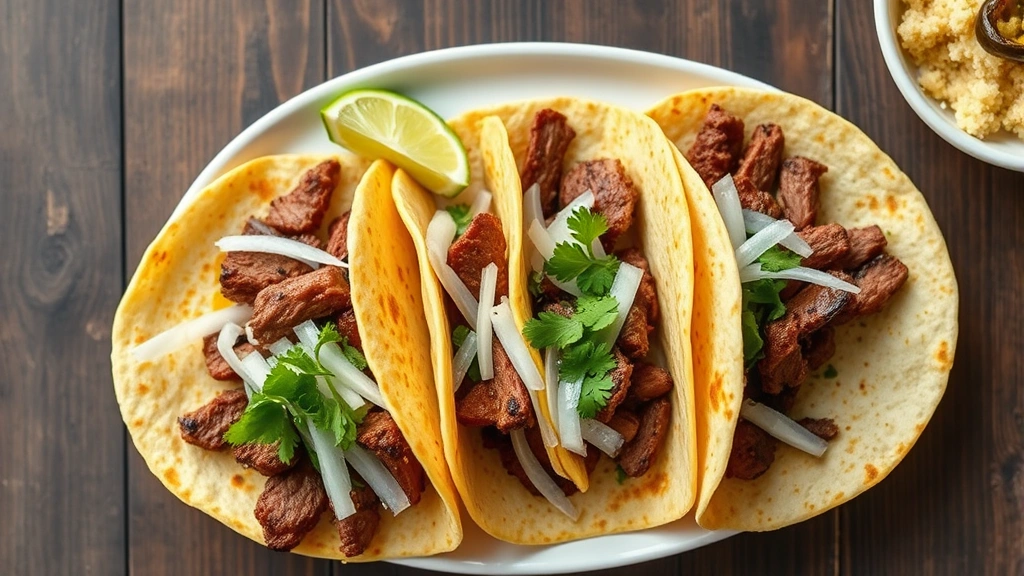
Serve immediately while steak remains warm and tortillas retain their heat. Steak tacos don’t improve with sitting—the best experience comes from eating them fresh off the griddle. Set out lime wedges for diners to adjust acidity to their preference.
For those seeking additional meal inspiration, explore our collection of best healthy food recipes, which includes lean protein preparations perfect for health-conscious cooking.
FAQ
What’s the best steak cut for beginners making tacos?
Skirt steak is ideal for beginners. It’s forgiving, cooks quickly, and develops excellent flavor with minimal technique. Its natural tenderness and grain structure make it perfect for slicing and ensure tender tacos even if cooking isn’t perfectly precise.
Can I marinate steak overnight for tacos?
Yes, marinating for 8-12 hours develops excellent flavor. However, avoid exceeding 12 hours—excessive acid from lime juice or vinegar can over-tenderize meat, making it mushy. Mark your start time clearly to avoid this issue.
How do I know when steak is done without a thermometer?
Use the touch method: press the meat with your index finger. Rare feels like the fleshy area below your thumb when your hand is relaxed. Medium-rare feels like when your thumb touches your index finger. Medium feels like when your thumb touches your middle finger. This method takes practice but becomes intuitive.
Should I cover steak while it rests?
Loosely tenting steak with foil during resting keeps it warm while allowing some steam to escape. Don’t wrap tightly—trapped steam can soften the crust you worked hard to develop.
Can I make steak tacos ahead of time?
Cook steak, slice it, and store it in an airtight container for up to three days. Reheat gently on a warm skillet before assembling tacos. However, warm tortillas fresh when ready to eat—pre-assembled tacos don’t maintain their appeal.
What’s the difference between corn and flour tortillas for steak tacos?
Corn tortillas offer authentic flavor and are naturally gluten-free, with a slightly sweet taste that complements beef. Flour tortillas are larger and more pliable, better for containing generous fillings. Choose based on personal preference and dietary needs.
How can I make steak tacos spicier?
Add more jalapeños or habaneros to toppings. Include hot sauce or sriracha in your crema. Toast additional chili powder or cayenne pepper into your dry rub. Adjust heat gradually to avoid overwhelming other flavors.
Can I use cheaper steak cuts for tacos?
Yes, but results differ. Less tender cuts benefit from longer marinating (12+ hours) and thin slicing. Round steak or sirloin tip work but require more attention. Premium cuts like skirt or flank deliver superior results with less effort.


