Taco Pasta Recipe: Family-Favorite Dish That Everyone Loves
Taco pasta is the ultimate comfort food that combines two beloved cuisines into one delicious, easy-to-make dish. This hybrid recipe brings together the bold, savory flavors of seasoned ground beef tacos with tender pasta, creating a meal that satisfies cravings and brings families around the dinner table. Whether you’re cooking for a weeknight dinner or impressing guests, this taco pasta recipe delivers restaurant-quality results in under 30 minutes.
What makes taco pasta so special is its versatility and simplicity. You don’t need fancy cooking techniques or hard-to-find ingredients—just pantry staples and fresh toppings. The beauty of this dish lies in how it transforms basic components into something extraordinary through proper seasoning and cooking method. Kids love it, adults request it, and even picky eaters find something to enjoy in every bite.
This comprehensive guide walks you through everything you need to know about making perfect taco pasta at home, from ingredient selection to plating techniques that make your dish look as good as it tastes.
Essential Ingredients for Taco Pasta
The foundation of an excellent taco pasta recipe starts with quality ingredients. Understanding what each component contributes to the final dish helps you make smart substitutions and adjustments based on dietary preferences or what’s available in your pantry.
Protein and Base: One pound of ground beef is the traditional choice, though ground turkey or ground chicken work beautifully for lighter versions. The meat provides protein and rich flavor that anchors the entire dish. One pound of pasta—penne, rotini, or farfalle work best—creates the textural foundation. These shapes hold sauce better than thin spaghetti.
Aromatics and Seasonings: One medium onion, diced finely, releases sweet notes as it cooks. Three to four cloves of minced garlic create a savory depth. The seasoning profile includes two tablespoons of taco seasoning (homemade or store-bought), one teaspoon of ground cumin, half a teaspoon of chili powder, and salt and pepper to taste. These spices are what transform ordinary pasta into authentic taco pasta.
Sauce Components: One can (15 ounces) of tomato sauce provides the base, while one can (14.5 ounces) of diced tomatoes adds texture and brightness. One cup of beef broth creates richness and helps the sauce coat the pasta evenly. One cup of salsa—mild or spicy depending on preference—brings tangy, fresh flavors that define the dish.
Dairy and Finishing: Two cups of shredded cheddar cheese melts into the pasta, creating creamy texture without requiring cream. One tablespoon of butter helps emulsify the sauce and adds richness. Fresh cilantro, lime juice, and jalapeños (optional) brighten the final dish with fresh, vibrant notes.
Optional Add-ins: Black beans (one can, drained), corn kernels (fresh or frozen), diced bell peppers, and sliced black olives all enhance nutrition and flavor. These additions make the dish more vegetable-forward and visually appealing.
Equipment and Tools You’ll Need
Having the right tools makes cooking taco pasta faster and more enjoyable. You don’t need specialized equipment—basic kitchen tools suffice for excellent results.
- Large skillet or Dutch oven: A 12-inch skillet accommodates all ingredients comfortably without crowding.
- Large pot for pasta: A 6-quart pot provides enough space for pasta to cook evenly without boiling over.
- Wooden spoon or silicone spatula: Essential for stirring without scratching cookware.
- Measuring cups and spoons: Accurate measurements ensure consistent results every time.
- Colander: For draining pasta properly.
- Cutting board and sharp knife: Makes prep work faster and safer.
- Grater: For shredding cheese if using a block instead of pre-shredded.
- Can opener: For opening canned ingredients.
Step-by-Step Preparation Guide
Proper mise en place—having all ingredients prepped and ready—transforms the cooking process from chaotic to smooth and enjoyable. Taking 10 minutes to prepare ingredients before cooking means you’ll never scramble during the actual cooking.
Prep the Aromatics: Start by dicing one medium onion into small, uniform pieces. This ensures even cooking and consistent flavor distribution. Mince four cloves of fresh garlic, or use pre-minced garlic if you prefer convenience. The finer you mince garlic, the more its flavor distributes throughout the dish.
Measure Spices: Combine taco seasoning, ground cumin, chili powder, salt, and pepper in a small bowl. This pre-mixed spice blend means you’ll add all seasonings at once, creating balanced flavor rather than adding them individually. Having spices ready prevents burning them by adding them one at a time.
Open and Drain Canned Ingredients: Open the tomato sauce, diced tomatoes, and any beans you’re using. Drain canned black beans thoroughly to remove excess sodium and starch. This step prevents your sauce from becoming too watery or overly salty.
Measure Liquids: Pour beef broth and salsa into separate measuring cups. Having these ready means you can add them quickly without interrupting the cooking process. This is particularly important when cooking ground meat, which can burn if left unattended.
Shred Cheese: If using a block of cheddar, shred it using a box grater or food processor. Pre-shredded cheese contains anti-caking agents that can make your sauce grainy, so freshly shredded cheese creates a smoother, creamier texture. Measure out two cups and set aside.
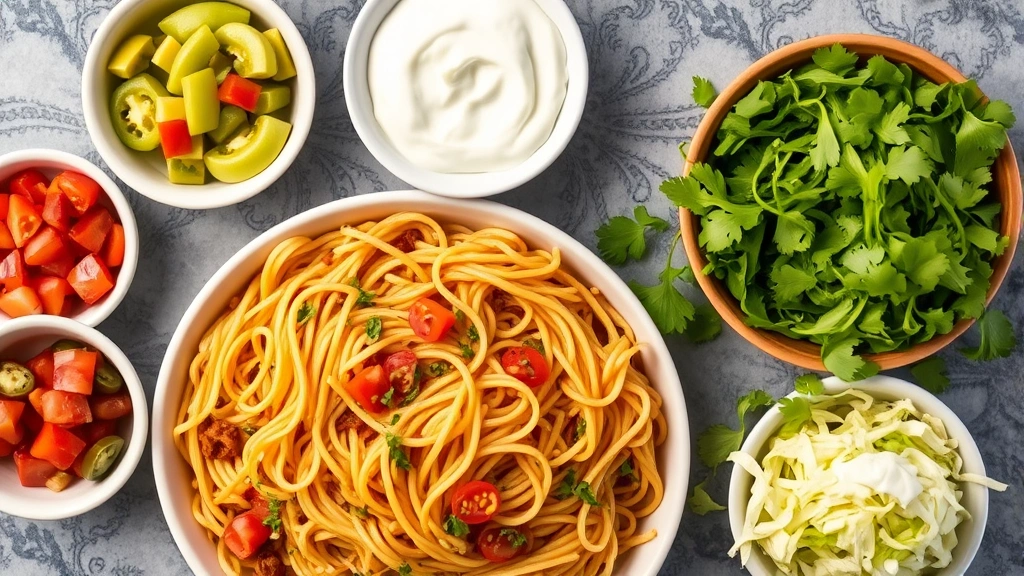
Prep Toppings: Wash and dry fresh cilantro, cut limes into wedges, and slice jalapeños if using. Arrange these in small bowls so guests can customize their portions. This presentation makes the dish feel more special and allows everyone to control spice levels.
Cooking Instructions and Techniques
Step One: Cook the Pasta Fill a large pot with six quarts of water and bring to a rolling boil. Add one tablespoon of salt to the water—this seasons the pasta from the inside out. Add one pound of pasta and stir occasionally to prevent sticking. Cook according to package directions, usually 9-12 minutes, until al dente (tender but still slightly firm). Drain in a colander but do not rinse—the starch helps sauce cling to pasta. Set aside.
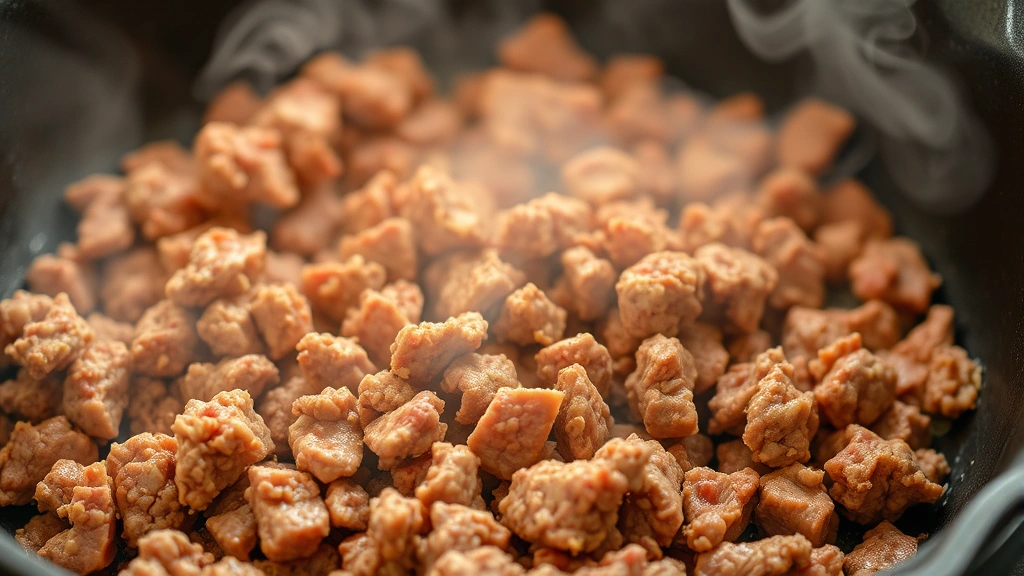
Step Two: Brown the Ground Beef While pasta cooks, heat one tablespoon of butter in a large skillet over medium-high heat. Once butter foams, add one pound of ground beef. Break it into small, uniform pieces using a wooden spoon, pressing firmly to create a crumbly texture rather than large chunks. Cook for 5-7 minutes, stirring occasionally, until the beef is completely browned and no pink remains. This step develops flavor through the Maillard reaction, the chemical process that creates savory, complex tastes.
Step Three: Cook Aromatics Once beef is browned, add the diced onion to the same skillet. Stir well to combine with the beef. Cook for 3-4 minutes, stirring occasionally, until onions become translucent and release their sweet aroma. Add minced garlic and cook for one more minute, stirring constantly. This brief cooking prevents garlic from burning, which creates bitter flavors.
Step Four: Add Seasonings Pour your pre-mixed spice blend over the beef and onion mixture. Stir thoroughly to coat all meat pieces with the spices. Cook for 1-2 minutes, stirring constantly. This blooming process activates the spices and distributes their flavors evenly. You’ll notice the mixture becoming fragrant and slightly darker in color.
Step Five: Build the Sauce Add the tomato sauce, diced tomatoes with their juice, beef broth, and salsa to the skillet. Stir well to combine all ingredients. Bring the mixture to a gentle simmer over medium heat. Do not boil vigorously, as this can reduce the sauce too quickly and concentrate flavors unevenly. Simmer for 5-7 minutes, stirring occasionally, allowing flavors to meld and the sauce to thicken slightly.
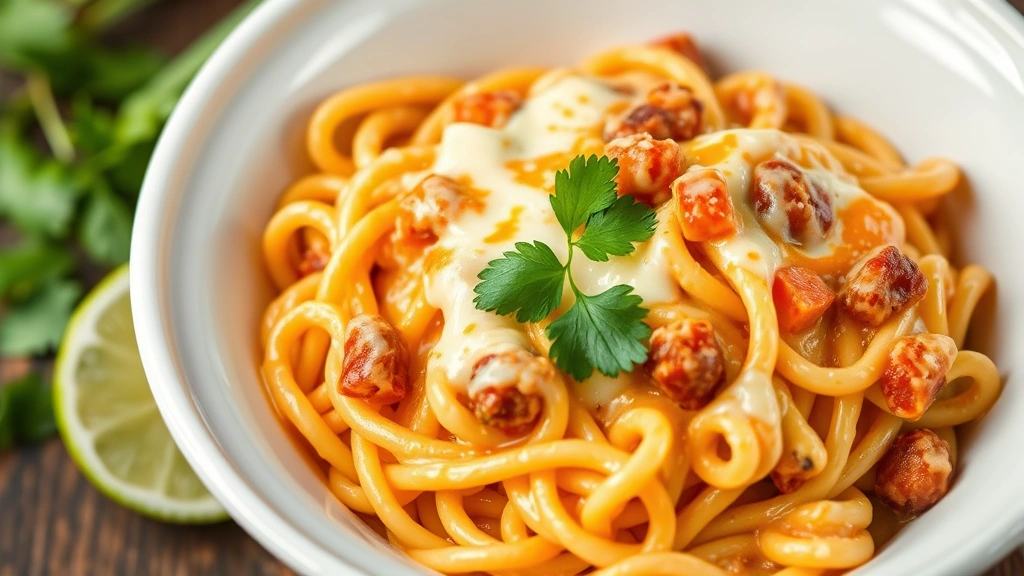
Step Six: Combine and Finish Add the cooked pasta to the sauce and stir thoroughly to coat every piece. If using optional add-ins like black beans or corn, add them now. Reduce heat to low and stir in the shredded cheddar cheese in two additions, stirring until completely melted after each addition. This gradual addition prevents clumping and ensures smooth, creamy texture. If the mixture seems too thick, add beef broth one-quarter cup at a time until you reach desired consistency. If too thin, simmer uncovered for 2-3 minutes.
Step Seven: Season to Taste Taste the taco pasta and adjust seasonings. Add more salt if needed, additional chili powder for heat, or lime juice for brightness. Fresh cilantro stirred in at the end adds a vibrant finish. Cook for one final minute to warm the cilantro, then transfer to serving dishes.
Delicious Variations and Customizations
One of the best aspects of taco pasta is how easily it adapts to different dietary needs and flavor preferences. The basic technique remains the same, but ingredient swaps create entirely different dishes.
Vegetarian Taco Pasta: Replace ground beef with crumbled extra-firm tofu, cooked lentils, or store-bought plant-based ground meat. Walnut pieces finely chopped also create a meaty texture. Use vegetable broth instead of beef broth. The cooking time remains identical, and the flavor is equally satisfying.
Creamy Taco Pasta: For a richer version, add one cup of heavy cream or sour cream when adding the cheese. This creates a more indulgent dish reminiscent of loaded baked potatoes. Stir in cream slowly to prevent curdling.
Spicy Taco Pasta: Increase chili powder to one full teaspoon, add one-half teaspoon of cayenne pepper, and use hot salsa instead of mild. Add diced jalapeños or fresh habaneros for additional heat. Serve with lime wedges and let guests adjust heat levels with sour cream or Greek yogurt.
Taco Pasta with Fresh Vegetables: Sauté diced bell peppers, zucchini, and mushrooms with the onions for additional vegetables and nutrition. You can also stir in fresh spinach or kale at the end, allowing the residual heat to wilt the greens. This approach aligns with best healthy food recipes principles while maintaining comfort food appeal.
One-Pot Taco Pasta: Cook pasta directly in the sauce rather than separately. Bring broth and salsa to a boil, add uncooked pasta, and simmer for 10-12 minutes until pasta is tender, stirring occasionally to prevent sticking. Add beef during the last 5 minutes of cooking. This method uses fewer dishes and saves cleanup time.
Taco Pasta Bake: Transfer cooked taco pasta to a 9×13-inch baking dish, top with additional shredded cheese and crushed tortilla chips, and bake at 375°F for 15-20 minutes until the top is golden and bubbly. This variation creates a casserole-style dish perfect for potlucks or feeding large groups.
Serving Suggestions and Pairings
Presentation and accompaniments elevate taco pasta from simple weeknight dinner to impressive entertaining dish. The way you serve it influences how guests perceive and enjoy the meal.
Toppings Bar: Set out bowls of shredded lettuce, diced tomatoes, sliced jalapeños, sour cream, guacamole, salsa, and fresh cilantro. Let guests customize their portions, creating personalized flavor combinations. This interactive approach makes dining more engaging and accommodates different spice tolerances.
Side Dish Pairings: Serve taco pasta alongside a crisp green salad dressed with lime vinaigrette to provide freshness and balance rich flavors. Garlic bread or cheesy breadsticks complement the dish well. A simple Mexican street corn salad (elote) adds authentic flavor and texture contrast.
Beverage Matches: Cold beverages work best with taco pasta. Serve Mexican beer, sparkling lime agua fresca, or cold lemonade. For non-alcoholic options, horchata or fresh-squeezed lime juice mixed with water refreshes the palate between bites.
Appetizer Suggestions: Start the meal with tortilla chips and salsa, guacamole, or queso dip. These light starters prepare guests for the heartier main course without filling them up. Ceviche or shrimp cocktail provide elegant alternatives for more formal occasions.
Dessert Ideas: Finish the meal with churros, flan, or tres leches cake to maintain the Mexican-inspired theme. Citrus-based desserts like key lime pie or lemon bars provide bright, palate-cleansing conclusions.
Storage and Reheating Tips
Taco pasta stores beautifully and actually tastes better the next day as flavors continue developing. Proper storage techniques maintain quality and food safety.
Refrigerator Storage: Allow taco pasta to cool to room temperature before transferring to an airtight container. Store in the refrigerator for up to four days. The pasta will absorb sauce as it sits, creating a thicker consistency. If it becomes too thick, stir in a splash of beef broth when reheating.
Freezer Storage: Taco pasta freezes well for up to three months. Transfer to freezer-safe containers or heavy-duty freezer bags, removing as much air as possible. Label with the date and contents. Freeze flat in bags to save space in your freezer.
Reheating from Refrigerator: Transfer to a skillet and warm over medium heat, stirring occasionally, for 5-7 minutes until heated through. Add beef broth one tablespoon at a time if the mixture seems too thick. Alternatively, microwave in a microwave-safe container, covered loosely, for 2-3 minutes, stirring halfway through.
Reheating from Frozen: Thaw overnight in the refrigerator, then reheat using the refrigerated method. Alternatively, reheat from frozen over low heat in a covered skillet for 15-20 minutes, stirring occasionally and adding broth as needed. Frozen pasta takes longer to heat evenly, so patience prevents burning.
Make-Ahead Strategy: Prepare the beef and sauce mixture up to two days ahead, then cook pasta and combine just before serving. This approach saves time on busy weeknights while maintaining optimal texture. Store the sauce separately from cooked pasta to prevent the pasta from absorbing too much liquid.
Nutritional Information
Understanding the nutritional profile of taco pasta helps you make informed dietary choices and balance meals appropriately. This recipe makes approximately six servings.
Per Serving (approximate): Calories: 520-580 | Protein: 28-32g | Carbohydrates: 52-58g | Dietary Fiber: 3-4g | Total Fat: 18-22g | Saturated Fat: 8-10g | Cholesterol: 65-75mg | Sodium: 950-1100mg | Calcium: 280-320mg | Iron: 3.2-3.8mg
Nutritional Benefits: Ground beef provides complete protein with all essential amino acids, supporting muscle maintenance and repair. Pasta delivers carbohydrates for energy. Tomatoes contain lycopene, a powerful antioxidant linked to heart health. The cheese provides calcium for bone health. Adding beans increases fiber content and adds plant-based protein.
Reducing Calories: Use 93% lean ground beef instead of standard ground beef to reduce fat content by approximately 80 calories per serving. Substitute half the pasta with spiralized vegetables or use legume-based pasta for additional fiber. Use reduced-fat cheese or reduce the quantity to two-thirds cup. These modifications maintain flavor while reducing overall caloric density.
Increasing Protein: Add one can of black beans or kidney beans for approximately 4g additional protein per serving. Use ground turkey breast instead of beef for leaner protein. Stir in Greek yogurt instead of sour cream for toppings to increase protein without adding fat. These additions support muscle building and increase satiety.
Frequently Asked Questions
Can I make taco pasta in a slow cooker?
Yes. Brown the ground beef in a skillet, then transfer to a slow cooker with all other ingredients except pasta and cheese. Cook on low for 4-6 hours or high for 2-3 hours. Cook pasta separately and combine with the slow cooker mixture. Stir in cheese just before serving. This method is perfect for busy days, though you lose some control over cooking time and texture. For more cooking techniques, explore how to use a pressure cooker for faster meal preparation.
What type of pasta works best for taco pasta?
Shaped pastas like penne, rotini, farfalle, and rigatoni work best because their curves and ridges catch and hold the sauce. Avoid thin spaghetti or angel hair, which don’t hold sauce as effectively. Whole wheat pasta adds fiber and works beautifully. Gluten-free pasta is an excellent option for those with celiac disease—use brands that hold their texture well.
Can I use ground turkey instead of beef?
Absolutely. Ground turkey creates a leaner version with similar texture and flavor. Use ground turkey breast for the leanest option, or ground turkey thighs for more flavor. Brown it using the same method as beef. The cooking time remains identical. Turkey absorbs seasonings slightly differently, so taste and adjust spices accordingly.
How can I make this dish less spicy?
Reduce chili powder to one-quarter teaspoon and use mild salsa instead of medium or hot. Remove jalapeño seeds before adding them, as seeds contain most of the heat. Serve sour cream or Greek yogurt on the side—guests can add as much as needed to temper spice. You can also increase the tomato sauce and diced tomatoes slightly to dilute the spice level.
Is taco pasta kid-friendly?
Yes, most kids love taco pasta because it combines familiar flavors in a fun format. Reduce spice levels for younger children by using mild salsa and minimal chili powder. Let kids customize their bowls with toppings they enjoy. If kids dislike visible vegetables, finely dice them so they blend into the sauce. Serving alongside easy vegan breakfast ideas creates balanced meal planning throughout the week.
Can I double this recipe?
Yes, doubling works well. Use two pounds of ground beef, one pound of pasta per pound of meat, and double all other ingredients. You’ll need a larger skillet or Dutch oven. Increase cooking times slightly—simmer sauce for 8-10 minutes instead of 5-7. Doubling is perfect for feeding larger groups or creating multiple meals to freeze.
What’s the difference between taco pasta and taco salad?
Taco pasta is a warm, saucy main dish combining pasta with seasoned meat and sauce. Taco salad features lettuce base with crispy tortilla shell, served cold or warm with similar seasonings but no pasta. Both share Mexican-inspired flavors but differ significantly in texture, temperature, and preparation. Taco pasta is heartier and more filling.
Can I make this dish vegetarian?
Completely. Replace ground beef with crumbled extra-firm tofu, cooked lentils, or store-bought plant-based ground meat. Use vegetable broth instead of beef broth. Add extra vegetables like mushrooms, bell peppers, and zucchini for substance and flavor. The dish remains delicious and satisfying without meat, aligning with easy vegan breakfast ideas for plant-based eating.
How long does taco pasta take to make from start to finish?
Total time is approximately 25-30 minutes. Prep work takes about 10 minutes, cooking takes 15-20 minutes. Using pre-minced garlic and pre-shredded cheese reduces prep time. Planning ahead and having ingredients ready before you start cooking significantly speeds up the process.
What can I substitute for cheddar cheese?
Monterey Jack, Mexican blend cheese, or pepper jack create delicious variations. Cotija cheese adds authentic Mexican flavor. For dairy-free options, use cashew cream or nutritional yeast for cheesy flavor. Reduce the quantity slightly if using stronger cheeses like sharp cheddar or aged Jack. Different cheeses create different flavor profiles while maintaining the dish’s integrity.
Why is my taco pasta watery?
This typically happens from too much liquid in the sauce. Use less salsa or add less broth than the recipe calls for. Cook the sauce uncovered for an additional 2-3 minutes to allow excess moisture to evaporate. Ensure you’re draining canned tomatoes and beans thoroughly. Next time, add liquids gradually and taste before adding the full amount.
Can I cook the pasta in the sauce directly?
Yes, this one-pot method works well. Bring broth and salsa to a boil, add uncooked pasta, and simmer for 10-12 minutes, stirring frequently to prevent sticking. Add ground beef during the last 5 minutes. This saves dishes and cleanup time, though you have less control over pasta texture. Stir more frequently than with separate cooking to prevent pasta from sticking to the pot bottom.
Where can I find authentic taco seasoning?
Most grocery stores stock taco seasoning in the spice aisle. Look for brands from culinary institutes or specialty food shops for higher-quality blends. Making your own is simple: combine two tablespoons chili powder, one tablespoon ground cumin, one tablespoon paprika, one tablespoon garlic powder, one teaspoon onion powder, one teaspoon oregano, one-half teaspoon cayenne, and salt and pepper. Homemade versions allow you to control sodium and adjust spice levels to preference.


