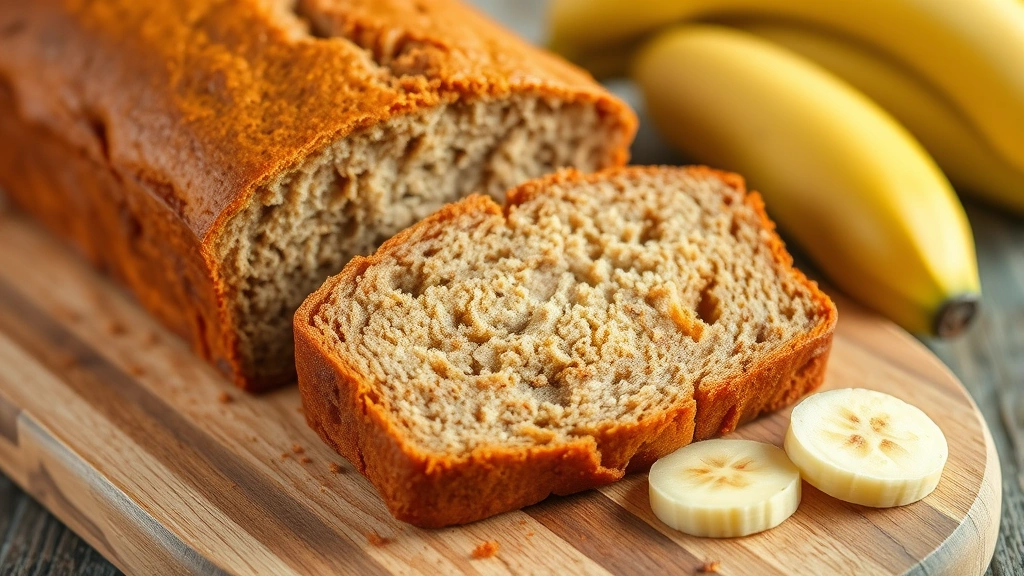
Vegan Banana Bread? Tried & True Recipe
When you’re craving something warm, comforting, and naturally sweet, vegan banana bread delivers every single time. This isn’t some complicated plant-based experiment—it’s a straightforward, foolproof recipe that produces moist, tender crumb and genuine banana flavor that’ll have everyone reaching for seconds. Whether you’re vegan, dairy-free, or simply looking to reduce animal products in your kitchen, this banana bread recipe works beautifully without any compromise on taste or texture.
What makes this recipe truly reliable is understanding the science behind vegan baking. Without eggs and dairy, we need to think strategically about moisture, binding, and leavening. The good news? Ripe bananas, plant-based milk, and the right combination of leavening agents create a loaf that’s indistinguishable from traditional versions. I’ve tested this recipe dozens of times, and it consistently produces reliable results whether you’re a seasoned baker or picking up a mixing bowl for the first time.
Why Vegan Banana Bread Works
The foundation of excellent vegan banana bread starts with understanding what each ingredient does. Bananas are absolute superstars in vegan baking because they’re naturally sweet, provide moisture, and contain pectin that helps bind the batter together. When you use very ripe bananas—the kind with brown spots or even mostly brown skin—you’re maximizing both sweetness and binding power.
Traditional banana bread relies on eggs for structure and moisture. In vegan baking, we replace this functionality with a combination of plant-based milk and a bit of cornstarch or ground flaxseed. The plant-based milk provides liquid richness, while cornstarch acts as a binder without adding any noticeable taste. This approach creates that tender, moist crumb you’re looking for without any eggy flavor.
Leavening is another critical component. Baking soda and baking powder work together to create lift. Baking soda reacts with the acidity in bananas and plant-based yogurt (if using), while baking powder provides additional rise. Together, they ensure your loaf rises properly and develops that beautiful, slightly domed top.
The fat content—whether from coconut oil, vegetable oil, or vegan butter—keeps the crumb moist and tender. Oil creates a more tender loaf than solid fats, which is why I prefer it here. Looking to explore more healthy dessert recipes alongside this banana bread, you’ll find similar principles apply across plant-based baking.
Ingredients You’ll Need
Here’s what goes into this tried-and-true vegan banana bread:
- 3 ripe bananas (about 1 cup mashed)
- 1/3 cup neutral oil (coconut, vegetable, or canola)
- 1/2 cup unsweetened plant-based milk (almond, oat, or soy work best)
- 1/4 cup unsweetened plant-based yogurt (optional but recommended for moisture)
- 1 teaspoon vanilla extract
- 1 3/4 cups all-purpose flour (or whole wheat pastry flour)
- 1/2 cup coconut sugar or brown sugar
- 1 teaspoon baking soda
- 1/2 teaspoon baking powder
- 1/2 teaspoon sea salt
- 1/2 teaspoon ground cinnamon
- 1/4 teaspoon ground nutmeg (optional)
- 1/2 cup walnuts or pecans (optional, chopped)
The beauty of this ingredient list is that everything is accessible and affordable. You probably have most of these items in your pantry right now. The plant-based milk and yogurt are the only specialty items, and these are readily available at any grocery store.
Step-by-Step Instructions
Preparation (5 minutes): Start by preheating your oven to 350°F (175°C). Grease a standard 9×5-inch loaf pan with oil or line it with parchment paper. This prevents sticking and makes removal easier once the bread cools.
Combine Wet Ingredients: In a large mixing bowl, mash your ripe bananas until mostly smooth—a few small lumps are fine and actually add nice texture. Add the oil, plant-based milk, plant-based yogurt (if using), and vanilla extract. Whisk these together until well combined. The mixture should look slightly frothy and well-blended. This step is crucial because it ensures even distribution of moisture throughout your batter.
Mix Dry Ingredients: In a separate medium bowl, whisk together flour, sugar, baking soda, baking powder, salt, cinnamon, and nutmeg. Whisking rather than stirring helps distribute the leavening agents evenly, which prevents dense spots in your finished loaf. This is a small step that makes a real difference in your final result.
Combine Everything: Pour the dry ingredients into the wet ingredients. Using a spatula or wooden spoon, fold everything together until just combined. This is important—overmixing develops gluten, which creates a tough, dense loaf. You want to mix until you don’t see dry flour streaks, then stop. A few small lumps in the batter are perfectly fine.
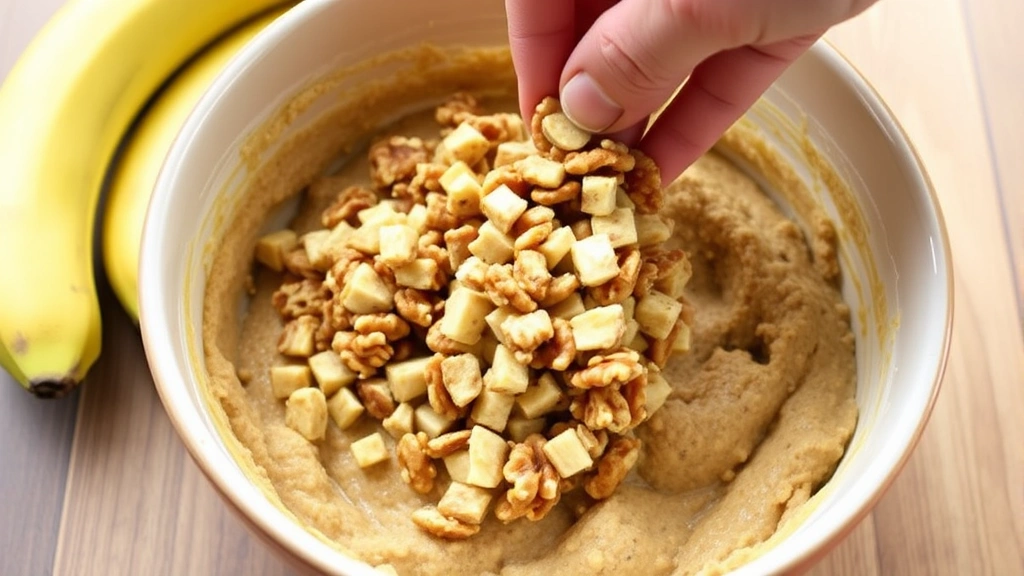
Add Mix-Ins: If using nuts, fold them in gently at the very end. This prevents them from breaking apart and distributes them evenly throughout the batter.
Bake: Pour the batter into your prepared loaf pan, smoothing the top slightly. Bake for 55-65 minutes, until a toothpick inserted into the center comes out with just a few moist crumbs (not wet batter). Loaves can vary based on your oven’s temperature accuracy, so start checking at 55 minutes. The top should be golden brown and a slight crack down the middle is completely normal.
Cool: Remove from the oven and let the banana bread cool in the pan for 10 minutes. This allows it to set slightly without becoming too firm. Then turn it out onto a wire rack to cool completely before slicing. If you slice it while still warm, it may crumble.
Pro Tips for Success
Banana Ripeness Matters: Use bananas that are very ripe with brown spots. They have higher sugar content and softer texture, which means better moisture and sweetness. If your bananas are still yellow, let them sit for a few days. You can even peel them, wrap them in foil, and freeze them until you’re ready to bake.
Measure Flour Correctly: The most common baking mistake is packing flour into measuring cups. Instead, spoon flour into your measuring cup and level it off with a knife. If you have a kitchen scale, even better—1 3/4 cups of all-purpose flour weighs about 210 grams. Accurate flour measurement is fundamental to consistent results.
Don’t Overmix: Overmixing is the enemy of tender banana bread. Mix just until you don’t see streaks of dry flour. Some lumps are your friends here. This prevents gluten development, which would make your loaf dense and tough.
Room Temperature Ingredients: Let your plant-based milk and oil sit at room temperature before mixing. Cold ingredients don’t incorporate as smoothly and can result in an uneven crumb.
Test for Doneness Properly: A toothpick should come out with just a few moist crumbs clinging to it—not completely dry, but not wet batter either. If it’s too wet, bake for another 5 minutes and test again.
Invest in an Oven Thermometer: Oven temperature accuracy varies wildly between appliances. A simple oven thermometer costs about $10 and ensures your banana bread bakes evenly every time.
Creative Variations
Once you’ve mastered the basic recipe, you can get creative with additions. Here are some tested variations:
Chocolate Chip Banana Bread: Fold in 1/2 cup vegan chocolate chips along with the nuts. They add richness and make this feel more indulgent while staying fully plant-based.
Peanut Butter Swirl: Mix 1/4 cup natural peanut butter with 2 tablespoons plant-based milk to create a swirl consistency. Pour half your batter into the loaf pan, drizzle with peanut butter mixture, then top with remaining batter. Use a knife to create swirls.
Whole Wheat Version: Replace half the all-purpose flour with whole wheat pastry flour. This adds nutrition and a slightly nuttier flavor. Regular whole wheat flour makes the bread denser, so stick with pastry flour for better texture.
Maple and Walnut: Reduce sugar to 1/3 cup and add 3 tablespoons pure maple syrup to your wet ingredients. Increase walnuts to 3/4 cup. This creates a more sophisticated flavor profile.
Spiced Version: Add 1/4 teaspoon ground ginger and 1/8 teaspoon ground cloves along with the cinnamon and nutmeg. This creates warm, chai-like flavors.
If you’re looking to expand your vegan baking skills, check out some easy dinner recipes for beginners that also feature plant-based techniques you can apply elsewhere in your kitchen.
Storage and Make-Ahead
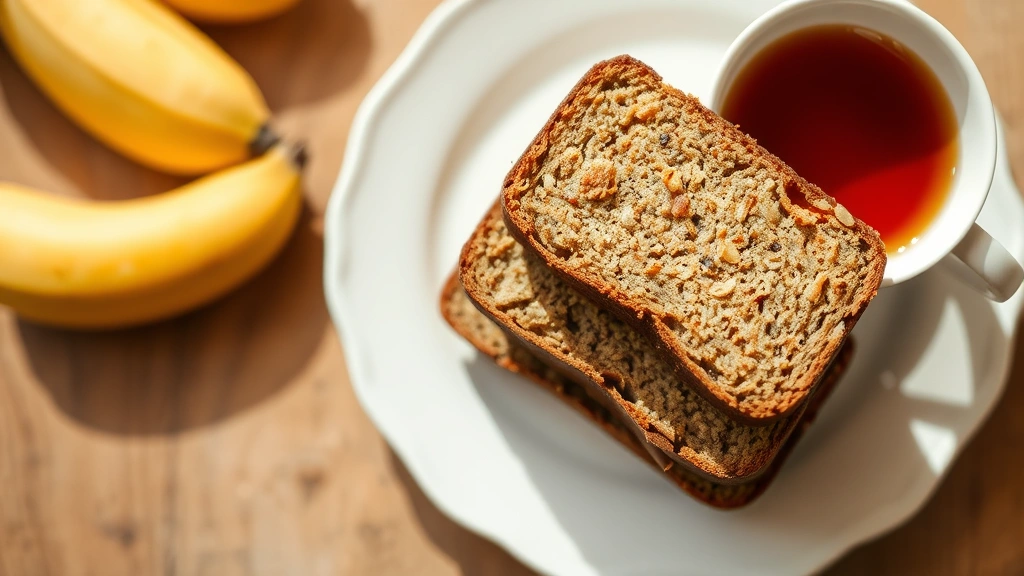
Room Temperature Storage: Keep your cooled banana bread in an airtight container at room temperature for up to 3 days. It actually tastes better on day 2 or 3 as flavors develop and the crumb continues to set.
Refrigerator Storage: For extended freshness, wrap the cooled loaf tightly in plastic wrap and refrigerate for up to 1 week. Slice as needed. The cold helps preserve moisture.
Freezing: Vegan banana bread freezes beautifully for up to 3 months. Wrap the completely cooled loaf in plastic wrap, then place in a freezer-safe bag. Thaw at room temperature for about 2 hours before serving. You can also freeze individual slices for grab-and-go breakfasts.
Make-Ahead Batter: You can prepare the dry ingredients the night before and store them in an airtight container. Keep the wet ingredients separate in the refrigerator. Mix together the next morning and bake. Don’t prepare the full batter ahead—it can cause the baking soda to activate prematurely.
Baking Multiple Loaves: This recipe doubles easily. Just multiply all ingredients by 2 and bake in two loaf pans. You may need to add 5-10 minutes to the baking time since the pans will be fuller and bake slightly slower.
For more make-ahead strategies and batch-cooking ideas, explore our low-carb dinner recipes that use similar planning techniques.
FAQ
Can I use overripe frozen bananas?
Absolutely! Frozen bananas actually work wonderfully in banana bread. Thaw them completely and drain any excess liquid before mashing. Freezing breaks down cell walls, which can make them extra mushy, but that’s perfect for baking because it increases binding power and moisture distribution.
What if I don’t have plant-based yogurt?
You can skip it entirely—the bread will still be delicious. Alternatively, mix 1/4 teaspoon apple cider vinegar into your plant-based milk and let it sit for 5 minutes to create a vegan buttermilk substitute. This adds tang and helps activate the baking soda.
Why is my banana bread dense and heavy?
The most common culprits are overmixing (which develops gluten), packing flour into measuring cups, or using not-ripe-enough bananas. Make sure you’re using very ripe bananas, measuring flour correctly, and mixing only until combined.
Can I use whole wheat flour instead of all-purpose?
Use whole wheat pastry flour, which is softer and produces a better crumb than regular whole wheat flour. Replace only half the all-purpose flour with it for best results. Regular whole wheat flour makes the bread denser and drier.
How do I know when it’s truly done baking?
The top should be golden brown and a toothpick inserted into the center should come out with just a few moist crumbs. The sides should pull slightly away from the pan. If the top is browning too quickly, tent it loosely with foil while it finishes baking.
Can I reduce the sugar?
You can reduce it to 1/3 cup and the bread will still work, though it will be less sweet. Don’t go lower than that, as sugar contributes to moisture and browning. If you want less sweetness, use very ripe bananas which provide natural sugar.
What plant-based milk works best?
Oat milk and soy milk produce the most tender crumb because they have slightly more body than almond milk. However, any unsweetened plant-based milk works fine. Avoid sweetened varieties as they’ll make your bread overly sweet.
Can I make mini loaves or muffins?
Yes! For mini loaves, divide batter among 4-6 mini loaf pans and bake for 35-45 minutes. For muffins, fill a 12-cup muffin tin and bake for 20-25 minutes. Check for doneness with a toothpick as usual.
This vegan banana bread recipe represents years of testing and refinement. It’s reliable, forgiving, and produces consistently delicious results. Whether you’re vegan by choice, cooking for someone who is, or simply exploring plant-based baking, this recipe proves that vegan doesn’t mean compromising on flavor or texture. Your kitchen is about to smell amazing.


