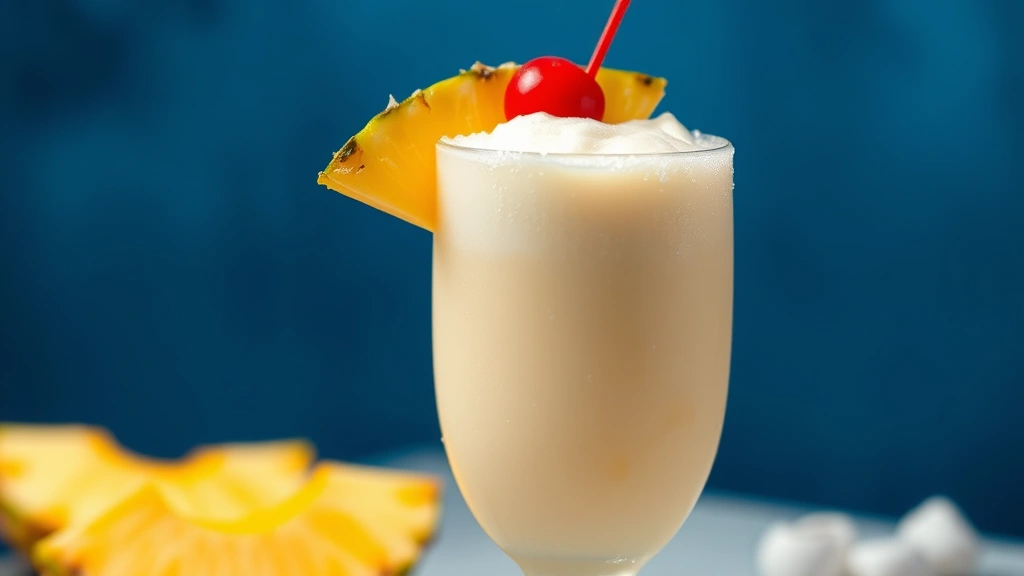
Virgin Piña Colada Recipe: Bartender’s Favorite Non-Alcoholic Tropical Drink
The virgin piña colada stands as one of the most beloved non-alcoholic cocktails in the world, delivering the same creamy, tropical paradise experience as its alcoholic counterpart. This classic mocktail has earned its place behind bars at upscale restaurants and casual beach tiki bars alike, proving that sophisticated flavors don’t require spirits. Whether you’re looking for a refreshing drink to serve at a family gathering or a sophisticated beverage option for designated drivers, mastering the virgin piña colada recipe is essential for any home bartender.
What makes this drink truly special is its simplicity combined with the quality of ingredients. Unlike many complicated cocktails that demand rare liqueurs and specialized techniques, a proper virgin piña colada relies on just three primary components: fresh pineapple juice, coconut cream, and ice. Yet within this elegant simplicity lies the secret to creating a drink that tastes like you’re sipping it on a white sandy beach in Puerto Rico, where this iconic beverage was born.
In this comprehensive guide, we’ll explore everything from selecting the finest ingredients to mastering the blending technique that professional bartenders use. You’ll discover variations that elevate the basic recipe, troubleshooting tips for common mistakes, and creative ways to serve this tropical favorite.
Understanding the Virgin Piña Colada
The piña colada’s history is deeply rooted in Puerto Rican culture, created in 1954 at the Caribe Hilton’s Beachcomber Bar. The name itself translates to “strained pineapple” in Spanish, referring to the traditional preparation method. The virgin version maintains all the authenticity and tropical charm of the original while making it accessible to everyone who wants to enjoy this delicious beverage without alcohol.
The beauty of a virgin piña colada lies in its versatility. It serves as a perfect healthy beverage option when made with natural ingredients, a refreshing treat for hot summer days, and an elegant drink for special occasions. Bartenders favor this recipe because it demonstrates their ability to create complex, satisfying drinks that appeal to all guests, regardless of their alcohol preferences.
Understanding the balance between sweetness, creaminess, and tropical fruit flavor is crucial. The drink should feel luxurious and smooth on the palate, with the pineapple juice providing bright acidity that cuts through the richness of coconut cream, creating a perfectly harmonious blend.
Essential Ingredients for the Perfect Recipe
Creating an authentic virgin piña colada requires attention to ingredient quality. Each component plays a vital role in the final product’s taste and texture.
Fresh Pineapple Juice
The foundation of any excellent piña colada is fresh pineapple juice. While bottled juice works in a pinch, freshly squeezed pineapple juice delivers superior flavor and brightness. If you’re using bottled juice, look for varieties that contain no added sugars or preservatives. Many bartenders prefer juice that’s been freshly pressed within the last 24 hours, as the flavor profile remains vibrant and true to the fruit. You’ll need approximately 3 to 4 ounces per drink.
Coconut Cream
Coconut cream differs from coconut milk—it’s thicker, richer, and contains a higher percentage of coconut solids. This is what gives the piña colada its signature creamy, luxurious texture. Professional bartenders often use canned coconut cream from brands like Coco López, the original brand used in the drink’s creation. If you can’t find traditional coconut cream, you can make your own by blending unsweetened shredded coconut with hot water and straining through cheesecloth. Use about 1.5 to 2 ounces per drink.
Water and Ice
The quality of water and ice matters more than most people realize. Use filtered water if possible, and ensure your ice is made from clean, fresh water. Cloudy or old ice can impart unwanted flavors. Many bartenders recommend using crushed ice rather than cubes, as it blends more smoothly and creates the proper consistency.
Optional Garnish Elements
Fresh pineapple wedges, maraschino cherries, and toasted coconut flakes elevate the presentation. A small parasol or colorful straw adds to the tropical aesthetic that makes this drink so appealing.
Equipment You’ll Need
While you don’t need professional-grade bartending tools, having the right equipment ensures consistent results. A quality blender is essential—look for one with at least 500 watts of power to properly crush ice and blend the ingredients smoothly. A measuring jigger helps you maintain proper proportions, ensuring every drink tastes identical. A bar spoon works well for stirring and layering, while a hawthorne strainer helps with drinks that require straining.
Consider investing in a dedicated culinary-grade blender if you plan to make virgin piña coladas regularly. The difference in texture and consistency between a standard blender and a high-powered one is immediately noticeable.
Step-by-Step Preparation Guide
Basic Virgin Piña Colada Recipe
Ingredients:
- 3 ounces fresh pineapple juice
- 2 ounces coconut cream
- 1 ounce fresh lime juice (optional but recommended)
- 1 cup crushed ice
- Pineapple wedge and cherry for garnish
Instructions:
- Prepare Your Glass: Chill a hurricane glass or tall glass in the freezer for at least 10 minutes. A cold glass maintains the drink’s temperature and enhances the drinking experience.
- Measure Ingredients Precisely: Using a jigger, measure out 3 ounces of fresh pineapple juice. If adding lime juice for brightness, measure 1 ounce. This precision ensures consistent flavor every time you make the drink.
- Add Coconut Cream: Measure 2 ounces of coconut cream and add it to the blender. If your coconut cream is very thick, you can thin it slightly with a tablespoon of water to blend more smoothly.
- Combine Wet Ingredients: Pour the pineapple juice and lime juice (if using) into the blender with the coconut cream. Stir briefly to combine before blending.
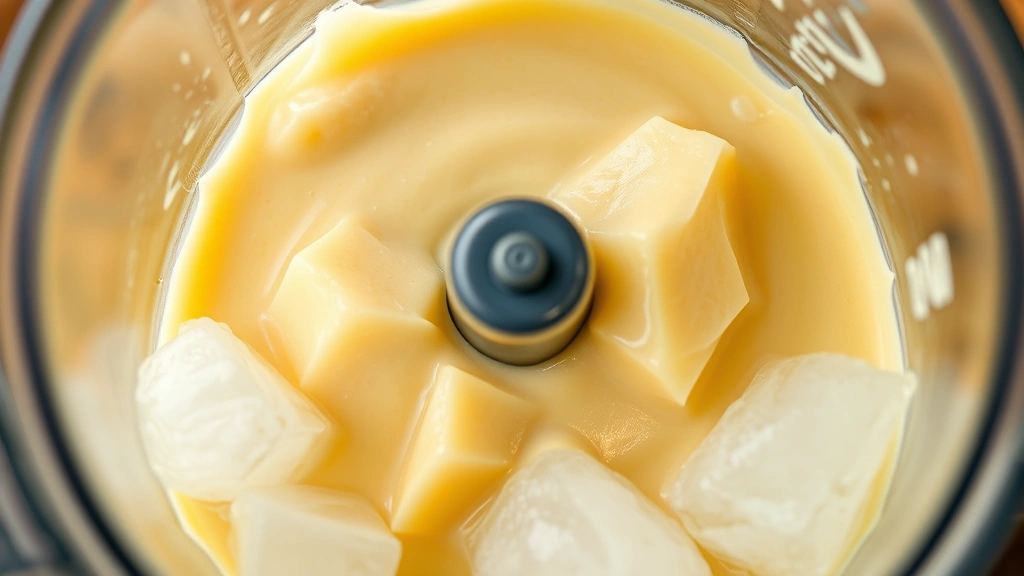
- Add Ice: Add approximately 1 cup of crushed ice to the blender. The amount of ice affects the drink’s consistency—more ice creates a thicker, frozen texture, while less ice produces a more liquid drink.
- Blend Until Smooth: Blend on high speed for 20 to 30 seconds until the mixture is completely smooth and creamy. You shouldn’t see any ice chunks in the final product. Listen for the sound to change from a grinding noise to a smooth whir, indicating the ice is fully incorporated.
- Pour Immediately: Transfer the blended mixture into your chilled glass immediately. The drink should be thick and slushy, not watery.
- Garnish Generously: Top with a fresh pineapple wedge and a maraschino cherry. Add a colorful straw and serve immediately.
The entire preparation process takes less than 5 minutes, making this an excellent choice for entertaining guests or enjoying a quick tropical escape.
Professional Bartender Tips and Tricks
Achieving the Perfect Consistency
Professional bartenders know that consistency is everything. The drink should be thick enough to require a straw but pourable enough to settle slightly in the glass. If your drink is too thin, you’ve likely used too much juice relative to ice. If it’s too thick, add a splash more juice and pulse the blender briefly.
Temperature Management
Keep your ingredients cold before blending. Store pineapple juice and coconut cream in the refrigerator, and pre-chill your serving glass. This reduces the amount of ice needed and prevents the drink from becoming diluted as it melts.
Batch Preparation for Parties
When making multiple virgin piña coladas for a gathering, bartenders often prepare larger batches. Multiply your ingredient ratios by the number of drinks you need, but blend in batches of 4-6 drinks rather than all at once. This ensures each batch blends properly and maintains ideal consistency.
Juice Quality Matters
Visit your local juice bar or farmers market for the freshest pineapple juice available. Some bartenders even keep fresh pineapples on hand and juice them throughout service. The difference in flavor between fresh-squeezed and bottled juice is dramatic.
Balancing Sweetness
If you find your drink too sweet, add a bit more lime juice or a small splash of water. If it’s too tart, add a touch more coconut cream or pineapple juice. Understanding how to adjust these elements makes you a better bartender.
Flavor Variations and Creative Twists
Strawberry Piña Colada
Add 3-4 fresh strawberries to the blender along with the standard ingredients. This variation adds tartness and beautiful color while maintaining the tropical vibe.
Mango Piña Colada
Substitute half the pineapple juice with fresh mango juice or mango puree. This creates a richer, more complex tropical flavor profile that bartenders often recommend.
Coconut-Pineapple Smoothie Version
Add a frozen banana and a scoop of vanilla yogurt to create a more substantial, breakfast-friendly version. This variation works well as part of simple meal planning for nutritious morning beverages.
Spiced Piña Colada
Infuse your coconut cream with a pinch of nutmeg, cinnamon, or fresh ginger before blending. This adds warmth and sophistication to the tropical base.
Passion Fruit Piña Colada
Add fresh passion fruit pulp or passion fruit juice for a tangy, exotic variation that bartenders love for its visual appeal and unique taste.
Serving and Presentation Ideas
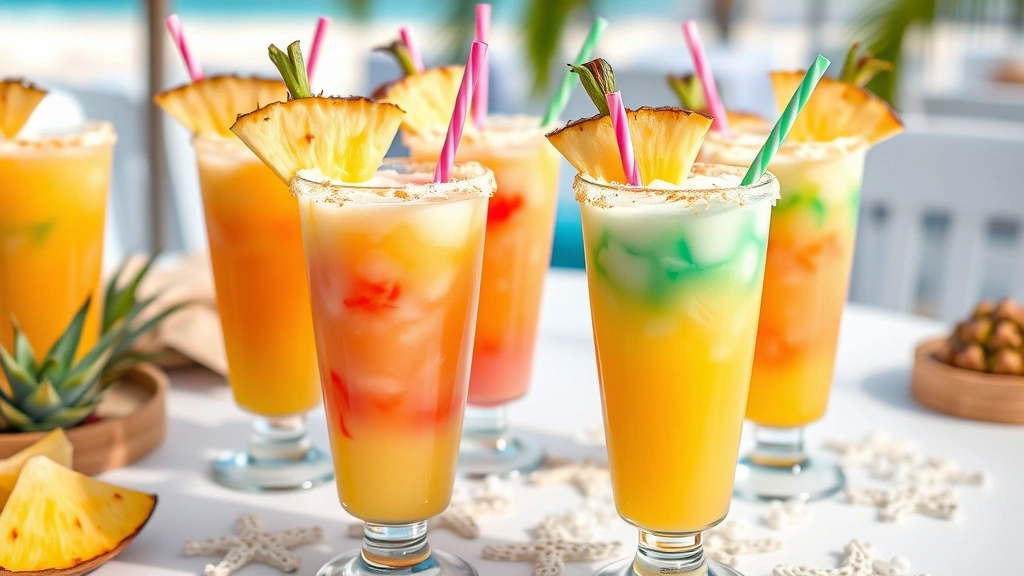
The visual presentation of a virgin piña colada is half its appeal. Use tall hurricane glasses or tropical-themed glassware to evoke the drink’s Caribbean origins. Rim the glass with toasted coconut flakes by brushing the rim lightly with coconut cream and dipping into shredded coconut. This adds texture and authentic flavor.
Fresh fruit garnishes should always be vibrant and high-quality. A thick pineapple wedge cut from a fresh, ripe pineapple looks far more appealing than a thin, tired slice. Maraschino cherries add a classic touch, while edible flowers or fresh mint can elevate the presentation for special occasions.
Consider serving your virgin piña coladas in a batch at parties. Set up a small bar station with pre-chilled glasses, fresh juice, coconut cream, ice, and garnishes. Guests can watch their drinks being prepared, adding an interactive element to your entertaining.
The temperature at which you serve affects the experience significantly. A drink that’s too warm will taste flat and overly sweet. Always serve immediately after blending, and encourage guests to drink quickly while the drink maintains its ideal cold temperature and perfect consistency.
Common Mistakes to Avoid
Using Low-Quality Ingredients
Cutting corners with bottled juice concentrates or artificial coconut flavoring results in a drink that tastes artificial and disappointing. The investment in quality ingredients is minimal compared to the improvement in taste.
Over-Blending
Blending too long can create a drink that’s overly warm and begins to separate. Blend just until smooth—typically 20 to 30 seconds is sufficient.
Incorrect Proportions
Too much coconut cream creates an overly heavy drink that masks the tropical fruit flavor. Too little makes it taste thin and watery. The 3:2 ratio of pineapple juice to coconut cream is ideal for most palates.
Neglecting to Chill the Glass
A room-temperature glass will melt your ice quickly and dilute the drink. Always pre-chill your serving vessel.
Using Bottled Lime Juice
Fresh lime juice makes a dramatic difference. If you need lime juice, squeeze it fresh just before blending.
Many bartenders also make the mistake of adding sugar or simple syrup when the natural sweetness of pineapple and coconut cream is already perfect. Resist this urge and taste before adjusting sweetness.
FAQ
Can I make virgin piña colada without a blender?
While not ideal, you can shake the ingredients vigorously in a cocktail shaker with ice, though the texture won’t be as smooth and creamy. Blending is strongly recommended for authentic results.
How far in advance can I prepare a virgin piña colada?
Virgin piña coladas are best served immediately after blending. If you must prepare ahead, blend the wet ingredients and keep them cold, then add ice and re-blend just before serving. Separation may occur if left standing too long.
What’s the difference between coconut cream and coconut milk?
Coconut cream is thicker and has higher fat content, making it ideal for piña coladas. Coconut milk is thinner and more liquid, creating a different texture. Always use coconut cream for this recipe.
Can I use frozen pineapple instead of fresh juice?
Yes, frozen pineapple chunks can work well and reduce the need for additional ice. Blend them with the coconut cream and a splash of water if needed. The flavor will be slightly less bright than fresh juice but still delicious.
How do I store leftover coconut cream?
Transfer opened coconut cream to an airtight container and refrigerate for up to one week. Some separation is normal—simply stir before using. You can also freeze coconut cream for up to three months.
Is a virgin piña colada suitable for people with dietary restrictions?
Yes, the basic recipe is naturally vegan, dairy-free, and gluten-free. However, always verify that your specific ingredients meet any dietary requirements, as some coconut cream brands may include additives.
What’s the best time of year to enjoy virgin piña coladas?
While perfect for summer, these tropical drinks offer a mental escape during any season. Bartenders recommend them year-round, especially during winter months when you need a taste of the tropics.
How can I make the drink less sweet?
Increase the lime juice to 1.5 ounces, reduce the pineapple juice slightly, or add a small splash of coconut water for a lighter profile. These adjustments maintain balance while reducing sweetness.
Can I batch prepare virgin piña coladas for a party?
Yes, but blend in batches of 4-6 servings maximum. Keep the blended mixture cold until serving time, then re-blend with fresh ice just before pouring. For large gatherings, consider preparing food and beverage science principles to maintain quality.
What garnish alternatives work if I don’t have fresh pineapple?
Dried pineapple, coconut flakes, or a simple cherry garnish works well. Some bartenders use pineapple leaves when serving in a hollowed pineapple shell for an impressive presentation.


