
Easy Asian Stir-Fry? Tested Recipe That Actually Works
Asian stir-fry has earned its place as one of the most versatile and quick weeknight dinners in modern cooking. The beauty of this technique lies in its simplicity: high heat, fresh ingredients, and confident movement in the wok create restaurant-quality results in under twenty minutes. Whether you’re a beginner nervous about your first attempt or an experienced home cook seeking a foolproof method, this tested recipe eliminates guesswork and delivers consistently delicious outcomes every single time.
The magic of stir-frying isn’t complicated science—it’s about understanding heat control, ingredient preparation, and timing. Many home cooks struggle because they underestimate the importance of mise en place, the French culinary principle of having everything prepared before cooking begins. When your vegetables are cut, your sauce is mixed, and your protein is ready, the actual cooking process becomes almost meditative. This guide walks you through every step, from selecting the best ingredients to mastering the final toss that brings everything together.
Essential Ingredients for Perfect Stir-Fry
The foundation of any exceptional stir-fry begins with quality ingredients. You don’t need an extensive pantry—just the right staples that create authentic flavor profiles. Soy sauce remains the backbone of most Asian stir-fries, providing umami depth and saltiness that balances vegetables and protein. Choose low-sodium varieties if you’re watching sodium intake, as you maintain complete control over seasoning levels.
Sesame oil is non-negotiable for authentic taste. This nutty, aromatic oil adds complexity that vegetable oil cannot replicate. Use it sparingly—a small drizzle at the end rather than cooking with it, since high heat destroys its delicate flavor compounds. Rice vinegar or rice wine vinegar adds brightness and acidity, cutting through rich flavors and preventing the dish from becoming one-dimensional.
Fresh ginger and garlic form the aromatic base that makes stir-fries sing. Minced fresh ginger provides warmth and subtle spice, while garlic adds pungency and depth. Never substitute powdered versions—fresh ingredients deliver exponentially better results. Cornstarch helps thicken your sauce and creates that glossy coating that clings beautifully to vegetables and protein.
Additional pantry essentials include oyster sauce for umami richness, white pepper for subtle heat, and vegetable or chicken broth for sauce consistency. Keep neutral cooking oil with a high smoke point—peanut oil or vegetable oil works perfectly for the high-heat cooking stir-frying demands.
Equipment You Actually Need
Contrary to popular belief, you don’t require expensive specialized equipment to create excellent stir-fries. A large wok or wide skillet (14-inch diameter minimum) is your most important tool. The wok’s sloped sides allow ingredients to move easily and heat distributes evenly. If you don’t own a wok, a large cast-iron skillet or stainless steel skillet works beautifully—the key is adequate surface area and heat retention.
A high-powered burner makes a significant difference. Stir-frying requires sustained high heat, and a powerful burner maintains temperature even when cold ingredients enter the pan. If your stovetop runs cool, preheat your wok longer and work in smaller batches to prevent temperature drops.
Wooden or silicone spatulas are essential for stirring without damaging your wok’s surface. Metal utensils can scrape non-stick coatings and create unwanted flavors. A small bowl for your mixed sauce, cutting board, and sharp knife complete your setup. That’s genuinely all you need to produce restaurant-quality results.
Prep Work: The Secret to Success
Professional chefs understand that stir-frying success happens during preparation, not at the stove. Mise en place—having everything prepared and organized before cooking—transforms the actual cooking from stressful to smooth. Start by measuring all sauce ingredients into a single bowl and whisking them together. This prevents scrambling for bottles mid-cook and ensures flavors blend properly.
Cut your vegetables into uniform sizes so they cook evenly. Aim for pieces roughly the same thickness—about ¼-inch thick for most vegetables. Consistent sizing prevents some pieces from becoming mushy while others remain crunchy. Slice your protein into bite-sized pieces about ½-inch thick, which allows quick cooking while maintaining tenderness.
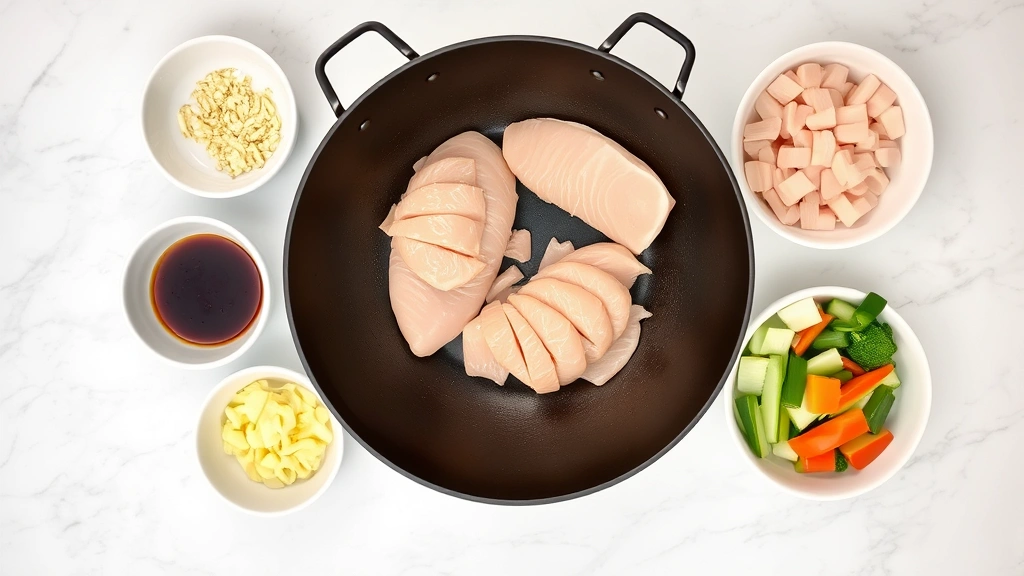
Pat your protein completely dry with paper towels before cooking. Moisture creates steam instead of the high-heat sear that develops flavor. This simple step dramatically improves browning and texture. Arrange all your prepared ingredients within arm’s reach of your stove in small bowls or on a plate, ordered by when you’ll use them.
Step-by-Step Cooking Instructions
Step 1: Preheat Your Wok
Place your empty wok over high heat for 2-3 minutes. You’ll know it’s ready when a drop of water immediately sizzles and evaporates. This ensures your protein sears properly rather than steaming. The wok should be hot enough that you feel heat radiating from it when you hold your hand 6 inches above the surface.
Step 2: Cook Your Protein
Add 1-2 tablespoons of oil and swirl to coat the wok. Let it heat for 30 seconds until it shimmers. Add your protein in a single layer and resist the urge to stir immediately. Let it cook undisturbed for 1-2 minutes, developing a golden crust. Stir and cook until nearly done but still slightly undercooked—carryover cooking will finish it as you add other ingredients. Transfer to a plate.
Step 3: Cook Aromatics
Add another tablespoon of oil if needed. Quickly add minced ginger and garlic, stirring constantly for about 30 seconds until fragrant. Be careful not to burn them—this happens faster than you’d expect. The goal is to bloom their flavors without charring.
Step 4: Add Harder Vegetables First
Add vegetables that require longer cooking—carrots, broccoli, or cauliflower—first. Stir constantly for 2-3 minutes. These vegetables need time to soften while maintaining their crunch. If your wok temperature drops significantly, don’t panic—just give it 30 seconds and continue.
Step 5: Add Quicker-Cooking Vegetables
Add snap peas, bell peppers, or mushrooms. Continue stirring for another 2-3 minutes. You want vegetables to be tender-crisp with slight color, not soft and wilted. This stage requires attention—vegetables can go from perfect to overcooked quickly.
Step 6: Return Protein and Add Sauce
Return your cooked protein to the wok along with any accumulated juices. Pour in your pre-mixed sauce and stir constantly for 1-2 minutes. The sauce will thicken as cornstarch cooks. Everything should be glossy and evenly coated.
Step 7: Finish and Serve
Drizzle with sesame oil, sprinkle with sliced green onions or sesame seeds, and serve immediately over rice. The residual heat will continue cooking vegetables slightly, so remove from heat when everything looks just slightly underdone.
Protein Variations and Swaps
This recipe adapts beautifully to whatever protein you prefer or have available. Chicken breast is the classic choice—lean, quick-cooking, and affordable. Slice it thinly and cook until just opaque for tender results. Shrimp cooks even faster (2-3 minutes total) and absorbs sauce flavors wonderfully. Beef (sirloin or flank steak) creates a heartier dish; slice against the grain for maximum tenderness.
Tofu offers a vegetarian option with interesting texture. Press extra-firm tofu between paper towels under a heavy weight for 30 minutes before cutting into cubes. Pan-fry until golden before adding to your stir-fry. Pork (tenderloin or pork chops) cooks quickly and pairs beautifully with Asian flavors.
For a protein boost without meat, consider combining legumes with your vegetables. Canned chickpeas or black beans add substance and nutrition. If you’re interested in more protein-forward recipes, explore our protein balls recipe for creative alternatives that complement stir-fries beautifully in meal planning.
Vegetable Selection and Cutting
Harder vegetables that require longer cooking include broccoli, cauliflower, carrots, and Brussels sprouts. Cut these into small florets or thin slices so they cook through before becoming mushy. Aim for pieces no larger than 1½ inches.
Medium-cooking vegetables include bell peppers, snap peas, baby corn, and water chestnuts. These can handle 2-3 minutes of cooking without becoming soft. Cut peppers into ¾-inch pieces and slice snap peas diagonally for visual appeal.
Quick-cooking vegetables like spinach, bok choy, mushrooms, and zucchini need only 1-2 minutes. Add these near the end to maintain their texture and bright color. Mushrooms should be sliced ¼-inch thick for even cooking.
The key principle is uniform sizing. A carrot cut into large chunks cooks differently than a small piece, creating inconsistent results. Professional cooks obsess over this detail because it genuinely matters. Your stir-fry will look more polished and cook more evenly when everything is similarly sized.
Sauce Combinations to Master
The sauce transforms humble vegetables into something special. The classic combination uses 3 tablespoons soy sauce, 1 tablespoon sesame oil, 1 tablespoon rice vinegar, 1 tablespoon oyster sauce, ½ teaspoon white pepper, 1 tablespoon cornstarch, and ¼ cup broth. This creates a balanced, slightly sweet, umami-rich sauce that complements almost any vegetable or protein combination.
For a spicier version, add 1-2 teaspoons sriracha or ½ teaspoon red pepper flakes. The heat builds gradually, creating warmth rather than overwhelming spice. Garlic lovers can increase garlic from 3 cloves to 5-6 cloves, minced finely so the flavor distributes evenly.
A ginger-forward sauce uses 2 tablespoons fresh ginger instead of the standard 1 tablespoon, creating a warming, almost medicinal quality. This pairs exceptionally well with seafood stir-fries. For brown sauce stir-fries, substitute oyster sauce with hoisin sauce for deeper, slightly sweet notes.
The cornstarch-to-liquid ratio matters significantly. Too little cornstarch leaves your sauce thin and runny; too much creates a gluey texture. The standard ratio is 1 tablespoon cornstarch per ¼ cup liquid. Always mix cornstarch with cold broth before adding—this prevents lumps and ensures smooth thickening.
Common Mistakes and How to Avoid Them
Overcrowding the Wok is the most common error. When you add too many ingredients at once, temperature drops and steam replaces the high-heat sear that develops flavor. Cook in batches if necessary—it takes an extra minute but produces dramatically better results. The wok should never look more than half-full.
Using Wet Ingredients prevents proper browning. Water creates steam, which prevents the Maillard reaction that develops complex flavors. Pat proteins dry and drain canned vegetables thoroughly. If using fresh vegetables, let them sit uncovered in the refrigerator for an hour before cooking to reduce surface moisture.
Adding Sauce Too Early creates a steamed texture rather than a seared, caramelized result. Cook your protein and vegetables until they’re nearly done, then add sauce at the very end. This prevents toughening and ensures everything stays tender.
Inconsistent Heat ruins timing and texture. Maintain high heat throughout cooking by not adding cold ingredients directly to the hot wok. Let ingredients come to room temperature before cooking, or add them in small quantities and wait for the wok to recover heat before continuing.
Skipping Mise en Place creates chaos and results in overcooked vegetables while you search for ingredients. Spend five minutes organizing everything within reach. This transforms cooking from stressful scrambling into smooth, enjoyable preparation.
Cooking Too Long turns crisp vegetables into mush. Vegetables should be tender-crisp with slight resistance when bitten. Remove from heat when vegetables look slightly underdone—carryover cooking continues the process even after heat is removed.

For those interested in complementary recipes that pair beautifully with stir-fries, our apple crisp recipe with oats makes an excellent light dessert after a hearty stir-fry dinner. If you’re planning multiple meals, check out our Fresh Plated Daily Blog for complete meal planning strategies and additional healthy dessert recipes that complement Asian cuisine.
FAQ
Can I make stir-fry ahead of time?
Yes, you can prep all ingredients several hours ahead—chop vegetables, slice protein, and mix sauce. Store everything separately in the refrigerator. However, cook the stir-fry immediately before serving for optimal texture. The actual cooking takes only 10-15 minutes once you begin.
What’s the best rice to serve with stir-fry?
Jasmine rice or short-grain white rice pairs beautifully with stir-fries. Brown rice works too but requires longer cooking. Cook rice separately so you control both timing and texture. A 1:1.5 ratio of rice to water yields fluffy, individual grains rather than mushy rice.
Can I use frozen vegetables?
Frozen vegetables work in a pinch but produce slightly different results. They contain more moisture, which can create steam rather than sear properly. If using frozen vegetables, thaw and pat them completely dry first. Add them slightly later in the cooking process since they’re partially cooked already.
How do I prevent my stir-fry from becoming watery?
The primary cause is overcrowding or using wet ingredients. Ensure your wok is large enough, cook in batches if needed, and pat all ingredients dry before cooking. Additionally, don’t cover your wok at any point—this traps steam and creates moisture.
What oil has the highest smoke point for stir-frying?
Peanut oil (450°F smoke point), vegetable oil (400-450°F), and avocado oil (520°F) all work excellently for stir-frying. Avoid olive oil and butter, which have lower smoke points and burn at stir-fry temperatures. High smoke points prevent oil breakdown and off-flavors.
Can I double this recipe?
Yes, but cook in two batches rather than doubling everything in one wok. This maintains proper heat and prevents overcrowding. Doubling in a single wok creates steamed vegetables rather than properly seared ones, which compromises texture and flavor development.
How long does stir-fry last in the refrigerator?
Properly stored stir-fry lasts 3-4 days in an airtight container. Reheat gently on the stovetop over medium heat, adding a splash of water or broth if needed. Microwaving works but can make vegetables slightly softer than the original.
Mastering stir-fry opens endless possibilities for quick, healthy weeknight dinners. This tested recipe provides a solid foundation that adapts to your preferences, available ingredients, and dietary needs. Start with this basic method, then experiment with different proteins, vegetables, and sauce variations once you understand the core principles. The confidence you build through repetition transforms cooking from intimidating to enjoyable, and soon you’ll be creating restaurant-quality meals in your own kitchen.


