Easy Blueberry Compote Recipe: Grandma’s Secret to Perfect Berry Sauce
Blueberry compote is one of those timeless kitchen staples that transforms ordinary breakfast into something extraordinary. This silky, jewel-toned sauce has been passed down through generations, and once you master it, you’ll wonder how you ever lived without it. The beauty of compote lies in its simplicity—just a handful of ingredients and a few minutes on the stove create a versatile condiment that elevates everything from Bisquick pancakes to fresh yogurt and pastries.
My grandmother guarded her blueberry compote recipe like a precious heirloom, and after years of watching her work her magic in the kitchen, I finally unlocked the secret. It’s not complicated techniques or exotic ingredients—it’s knowing the right balance of fruit, sweetness, and cooking time. This guide will walk you through everything you need to know to create restaurant-quality blueberry compote in your own home.
Why Homemade Blueberry Compote Matters
There’s a world of difference between store-bought compote and the version you make at home. Commercial products often contain excessive sugar, artificial thickeners, and preservatives that muddy the pure blueberry flavor. When you make compote yourself, you control every element—from the quality of the berries to the exact amount of sweetness.
Homemade compote captures the essence of fresh blueberries at their peak. The berries break down naturally, releasing their pectin and creating a naturally thick sauce without any artificial additives. The flavor is bright, intense, and unmistakably authentic. Plus, making it yourself is economical; a batch that would cost $15-20 in specialty shops costs just a few dollars when you prepare it at home.
This recipe works beautifully with easy homemade bread recipes, spread on warm toast, or as a topping for Greek yogurt recipes. It’s also perfect for filling pastries, swirling into cakes, or drizzling over ice cream.
Essential Ingredients for Perfect Compote
Grandma’s secret starts with selecting quality ingredients. You don’t need a long list—in fact, the best compotes are built on just four or five key components:
- Fresh blueberries: The star ingredient. Use fresh berries when possible, though frozen blueberries work wonderfully too. If using frozen, thaw them slightly before cooking. A typical batch uses 4-5 cups of blueberries.
- Granulated sugar: This sweetens the compote and helps activate the fruit’s natural pectin. Most recipes call for 1/2 to 3/4 cup sugar per 4 cups of berries, depending on how sweet you like it.
- Lemon juice: This is the secret ingredient many home cooks forget. Fresh lemon juice brightens the blueberry flavor and helps preserve the compote. Use about 2-3 tablespoons per batch.
- Water: Just 1/4 cup helps create the right consistency and prevents sticking. Some cooks skip this if using very juicy berries.
- Optional vanilla extract: A teaspoon of quality vanilla adds subtle depth without overpowering the berry flavor.
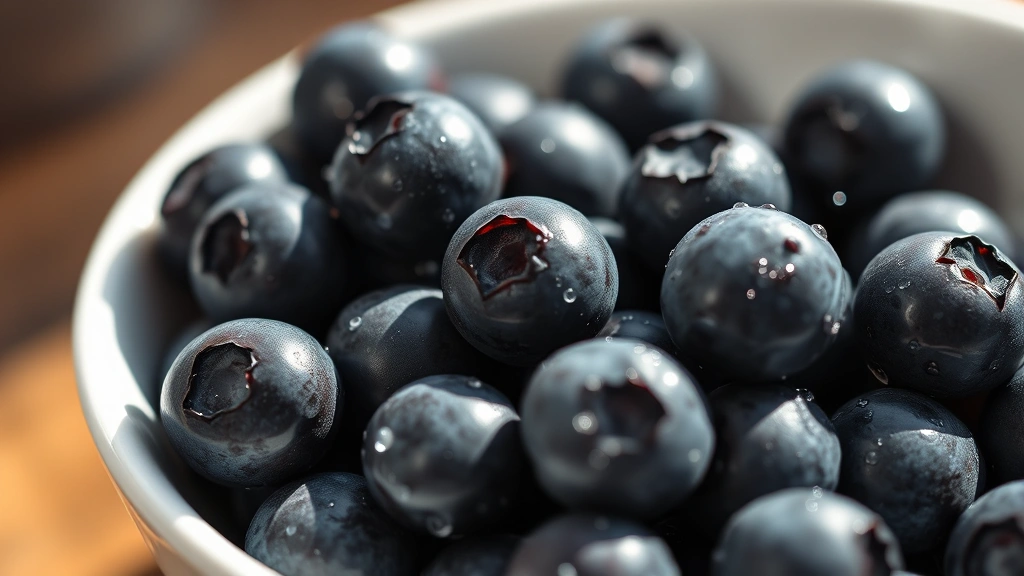
The quality of your blueberries makes the biggest difference. Choose berries that are plump, dry, and deep blue in color. Avoid any that are mushy or moldy. If you’re using frozen blueberries, look for packages that contain only berries without added sugar or syrup.
Step-by-Step Cooking Instructions
Now for the heart of the recipe—the actual cooking process. This is where my grandmother’s technique truly shines:
- Prepare your ingredients: Rinse fresh blueberries and pat them dry. Measure out your sugar and juice a fresh lemon. Having everything ready (what chefs call mise en place) ensures smooth cooking.
- Combine in a large saucepan: Add your 4-5 cups of blueberries to a heavy-bottomed saucepan or Dutch oven. Pour in 1/2 cup sugar (adjust based on berry tartness), 1/4 cup water, and 2-3 tablespoons fresh lemon juice.
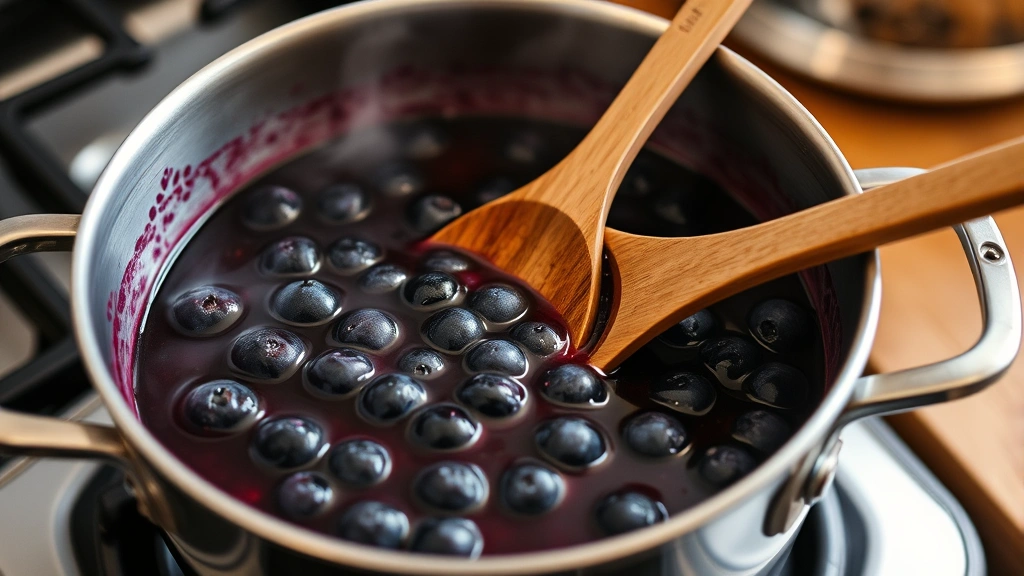
- Heat gently: Place the pan over medium heat. Stir occasionally as the berries begin to warm. You’ll notice the berries start releasing their juice after about 2-3 minutes. This is exactly what you want.
- Bring to a gentle simmer: Once the mixture is warm throughout, increase heat slightly to bring it to a gentle simmer. You should see small bubbles breaking the surface, but it shouldn’t be a rolling boil.
- Cook for 15-20 minutes: This is the crucial window. The berries will break down, the liquid will thicken, and the flavors will concentrate. Stir occasionally to prevent sticking on the bottom. The mixture is done when it coats the back of a spoon.
- Test for doneness: Use the plate test—place a small spoonful on a cold plate. If it holds its shape and doesn’t run when you push it, it’s ready. If it’s too thin, cook for another 2-3 minutes.
- Add vanilla (optional): If using vanilla extract, stir it in during the last minute of cooking.
- Cool before using: Let the compote cool to room temperature. It will thicken further as it cools.
Pro tip from Grandma: Don’t overcook the compote trying to make it thick. It will continue to set as it cools, and overcooked compote becomes gummy and loses its fresh berry flavor. Better to err on the slightly runny side.
Texture and Consistency Tips
The perfect compote texture is somewhere between jam and fruit sauce—thick enough to coat a spoon but still spreadable. Achieving this consistency is where many home cooks struggle, but there are several strategies:
For thicker compote: Cook for the full 20 minutes or slightly longer. The longer cooking time allows more water to evaporate. You can also mash some berries against the side of the pan with the back of a wooden spoon to release more pectin. If you prefer a completely smooth texture, use an immersion blender or pass the warm compote through a fine mesh strainer.
For thinner compote: Reduce cooking time to 12-15 minutes. You can also add another tablespoon or two of water if needed. This consistency works beautifully for drizzling over desserts or swirling into yogurt.
For a chunky-smooth hybrid: Cook until you reach your desired consistency, then use an immersion blender for just 10-15 seconds, creating a texture with some berry pieces but mostly smooth sauce.
Remember that pectin—the natural thickening agent in fruit—develops as berries cook and cool. A compote that seems slightly thin when hot will firm up significantly as it cools to room temperature and especially after refrigeration.
Storage and Shelf Life
One of the best things about making compote is that it stores beautifully, giving you access to summer blueberries year-round:
- Refrigerator storage: In an airtight container, homemade blueberry compote keeps for 2-3 weeks in the refrigerator. The cool temperature slows bacterial growth and helps maintain the vibrant color.
- Freezer storage: Freeze compote in ice cube trays for portion control, then transfer frozen cubes to freezer bags. Frozen compote keeps for up to 3 months. Thaw in the refrigerator before using.
- Canning and preserving: For long-term shelf storage, you can water-bath can your compote using standard canning procedures. Properly canned compote keeps for 1-2 years in a cool, dark pantry. Follow tested recipes from the National Center for Home Food Preservation for safe canning.
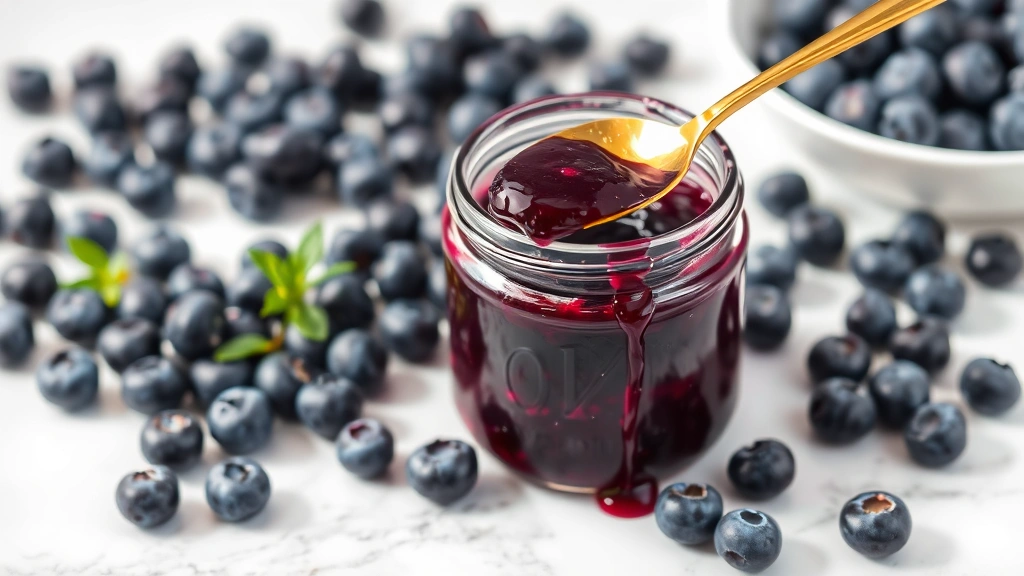
- Jar selection: Use clean, dry glass jars with tight-fitting lids. Mason jars are ideal for storage and also make beautiful gifts.
The lemon juice in the recipe acts as a natural preservative, helping the compote last longer. Always use clean utensils when removing compote from the jar to prevent contamination.
Creative Ways to Use Your Compote
Once you’ve mastered making blueberry compote, you’ll find endless uses for it. This versatile sauce is far more than just a pancake topping:
- Breakfast applications: Swirl into oatmeal, yogurt, or cottage cheese. Layer with granola for a parfait. Spread on gluten-free bread recipe toast or vegan banana bread. Top your favorite pancakes or waffles.
- Baking and pastries: Fill pastry shells, tarts, or hand pies. Swirl into cheesecake batter before baking. Layer into granola bars for pops of color and flavor. Use as a filling for layer cakes.
- Desserts: Drizzle over ice cream, panna cotta, or cheesecake. Ripple into whipped cream or frosting. Top brownies or chocolate cake.
- Savory applications: Create a glaze for roasted duck or pork by mixing compote with balsamic vinegar and Dijon mustard. Pair with cheese boards as a complementary element.
- Drinks: Stir into cocktails, smoothies, or sparkling water for a gourmet beverage.
The versatility of compote makes it one of the most valuable preparations to have on hand in your kitchen.
Flavor Variations and Enhancements
While the classic recipe is perfect, my grandmother also taught me several variations that keep things interesting:
Blueberry-Lemon: Increase lemon juice to 1/4 cup and add a tablespoon of lemon zest. This creates a brighter, more citrus-forward compote perfect for pastries.
Blueberry-Lavender: Add 1/2 teaspoon of culinary lavender buds during cooking. Strain them out before serving. This sophisticated variation pairs beautifully with vanilla ice cream or shortbread.
Blueberry-Bourbon: Stir in 2-3 tablespoons of bourbon whiskey after cooking. The alcohol cooks off, leaving a subtle woody depth. This version is excellent with chocolate desserts.
Blueberry-Ginger: Add 1 tablespoon of fresh ginger, minced finely, during cooking. The warmth of ginger complements blueberry beautifully and aids digestion.
Mixed Berry Compote: Combine 2 cups blueberries with 1.5 cups raspberries or blackberries. The mixed berries create a more complex flavor profile and beautiful color.
Spiced Blueberry: Add a pinch of cinnamon, nutmeg, and allspice during cooking. This warming variation is perfect for fall and winter applications.
Experiment with these variations, but remember that the pure blueberry compote is often the most versatile—you can always add flavors when serving rather than baking them into the base recipe.
FAQ
Can I use frozen blueberries for compote?
Absolutely! Frozen blueberries work wonderfully for compote. In fact, they often have more concentrated flavor since they’re frozen at peak ripeness. Thaw them slightly before cooking, or add an extra 2-3 minutes to the cooking time if using them straight from the freezer. The cooking method remains exactly the same.
Why is my compote too runny?
Runny compote usually means insufficient cooking time or not enough natural pectin activation. Cook for the full 15-20 minutes, stirring occasionally. If it’s still thin, continue cooking in 2-minute intervals until it reaches desired thickness. Remember it will thicken more as it cools. You can also add 1-2 tablespoons of fresh lemon juice, which helps activate pectin.
Can I make compote without sugar?
You can reduce sugar significantly, but you’ll need some sweetener for proper texture development and preservation. Try using honey, maple syrup, or agave nectar at a 1:1 ratio. Alternatively, use a sugar substitute designed for cooking, but results may vary. The sugar isn’t just for sweetness—it helps thicken the compote and preserve it.
How do I prevent my compote from sticking to the pan?
Use a heavy-bottomed stainless steel or enameled cast iron pan, which distributes heat evenly. Stir occasionally during cooking, especially toward the end. If you notice sticking, reduce heat slightly. A heat diffuser under the pan can also help prevent the bottom from scorching.
What’s the difference between compote, jam, and jelly?
Compote has visible fruit pieces and a looser consistency than jam. Jam is thicker and more spreadable with mostly broken-down fruit. Jelly is smooth and translucent with no fruit pieces. Compote requires less cooking time than jam and contains more whole berries, making it ideal for a fruit sauce rather than a bread spread.
Can I use this recipe with other berries?
Yes! Raspberries, blackberries, strawberries, and mixed berries all work beautifully with this basic technique. Adjust cooking time slightly—softer berries like raspberries need just 10-12 minutes, while firmer berries like blackberries may need 18-20 minutes. The lemon juice and sugar ratios remain the same.
Is homemade compote safe for canning?
Homemade blueberry compote can be safely canned using water-bath canning methods. The high acid content from lemon juice and natural fruit acids makes it safe. However, always follow tested recipes and procedures from trusted sources like your local cooperative extension to ensure food safety.
Why does my compote taste bitter?
Bitter flavor usually comes from overcooking or using underripe berries. Cook for just 15-20 minutes—longer cooking breaks down flavors and creates bitterness. Always use fully ripe blueberries. If you’ve already made it, stir in a bit more sugar or lemon juice to balance the flavor.