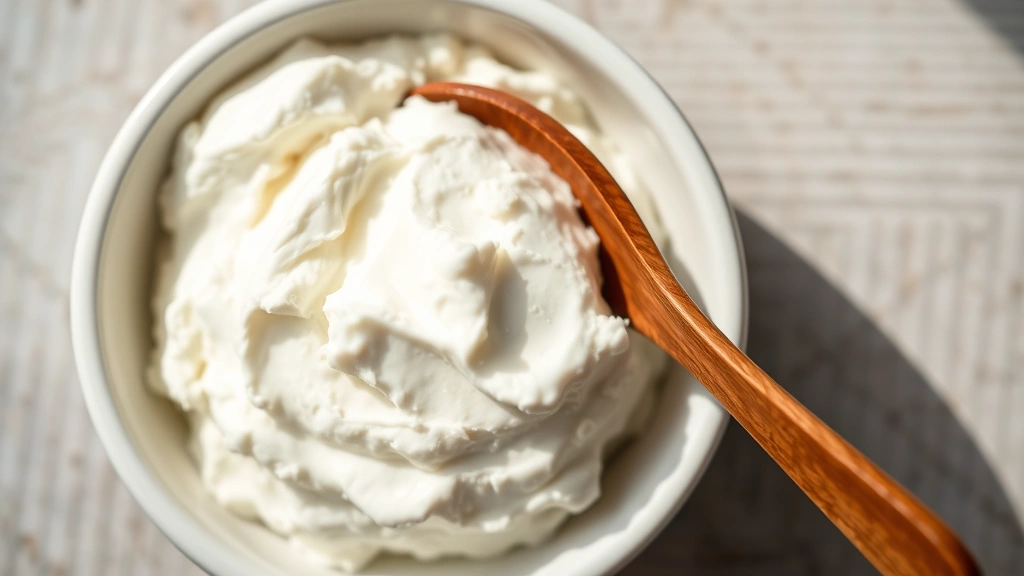
Cannoli Filling Recipe: Authentic Italian Taste
Cannoli represent one of Sicily’s greatest culinary treasures, and the filling is where true authenticity shines. This creamy, sweet mixture of ricotta cheese, powdered sugar, and chocolate creates the iconic taste that has delighted dessert lovers for centuries. Whether you’re preparing for a special occasion or simply craving an authentic Italian treat, mastering the cannoli filling recipe is essential to achieving that perfect balance of texture and flavor that defines this beloved pastry.
The beauty of homemade cannoli filling lies in its simplicity and the quality of ingredients you select. Unlike mass-produced versions found in many bakeries, a truly authentic cannoli filling requires just a handful of components and proper technique. This guide will walk you through every step, from selecting your ricotta to achieving that silky-smooth consistency that makes authentic Sicilian cannoli unforgettable. You’ll learn the traditional methods passed down through generations of Italian families, along with modern tips to ensure your results are consistently excellent.
Understanding Authentic Cannoli Filling Ingredients
The foundation of any exceptional cannoli filling recipe begins with understanding each ingredient’s role. Traditional Sicilian cannoli fillings contain remarkably few components, yet each one contributes significantly to the final product. The primary ingredient is whole milk ricotta cheese, which provides the creamy base and mild flavor that allows other ingredients to shine. Powdered sugar adds sweetness and helps achieve the desired smooth texture, while mini chocolate chips or candied citrus peel provide textural contrast and authentic flavor notes.
Beyond these core ingredients, traditional recipes often include a splash of vanilla extract or rum for depth, and sometimes a pinch of cinnamon or nutmeg for warmth. The chocolate component is crucial—authentic Sicilian cannoli use finely chopped dark chocolate or mini chocolate chips rather than cocoa powder. Some regional variations include candied orange peel or pistachios, reflecting the diverse citrus and nut crops throughout Sicily. Understanding these traditional components helps you make informed decisions about which variations align with your preferences and dietary needs.
Many home cooks overlook the importance of ingredient quality when making cannoli filling. Fresh ricotta cheese makes an enormous difference compared to older varieties that may have developed an overly acidic flavor. Similarly, using high-quality chocolate and fresh vanilla extract elevates your filling from good to extraordinary. Consider sourcing ingredients from Italian specialty markets or trusted online retailers where you can verify freshness and authenticity.

Selecting the Perfect Ricotta Cheese
The ricotta cheese you choose will make or break your cannoli filling. Whole milk ricotta is the traditional choice, offering a richer flavor and creamier texture than part-skim varieties. When shopping, look for ricotta that was made recently—check the production date if available. Fresh ricotta should have a mild, slightly sweet aroma and a smooth, creamy appearance without any liquid separation or discoloration.
If possible, purchase ricotta from an Italian delicatessen or specialty cheese shop rather than standard grocery stores. These sources often carry higher-quality varieties and can guarantee freshness. The texture should be smooth and creamy, not grainy or watery. Some traditional Italian recipes call for straining ricotta through cheesecloth for several hours to remove excess moisture, which creates an even creamier, more luxurious filling. This step is particularly important if your ricotta appears watery or if you prefer an ultra-thick consistency.
One critical tip: avoid ricotta that has been sitting in the refrigerator for more than a few days. The fresher your ricotta, the better your cannoli filling will taste. If you can’t find quality whole milk ricotta locally, consider ordering from specialty online retailers who ship fresh products regularly. The investment in premium ingredients directly translates to superior cannoli filling that captures authentic Italian flavors.
Step-by-Step Cannoli Filling Recipe
Here’s the authentic method for creating perfect cannoli filling that rivals any traditional Sicilian bakery:
Ingredients:
- 2 pounds whole milk ricotta cheese, room temperature
- 2 cups powdered sugar, sifted
- 1 teaspoon vanilla extract
- ½ teaspoon ground cinnamon
- ¼ teaspoon salt
- ¾ cup mini chocolate chips
- ¼ cup candied orange peel, finely chopped (optional)
- 2 tablespoons rum or marsala wine (optional)
Instructions:
- Prepare your ricotta. If your ricotta appears watery, strain it through fine cheesecloth for 30 minutes to 2 hours before beginning. This step ensures your filling achieves the proper thick consistency. Place the ricotta in a fine-mesh strainer lined with cheesecloth and refrigerate while straining.
- Sift the powdered sugar. This removes lumps and ensures smooth, even sweetness throughout your filling. Use a fine-mesh sieve or flour sifter, and sift directly into your mixing bowl. This step prevents grainy texture in your finished filling.
- Combine ricotta and sugar. Add the room-temperature ricotta to the sifted powdered sugar. Using an electric mixer on low speed or a wooden spoon for traditional preparation, gently fold the ingredients together. Mix until just combined—do not overmix, as this can make the filling tough and dense. The mixture should be smooth and creamy but still light.
- Add flavorings. Stir in vanilla extract, cinnamon, salt, and rum or marsala if using. Mix gently until evenly distributed. Taste and adjust seasonings as desired. Some prefer more cinnamon for warmth, while others prefer to let the ricotta shine through.
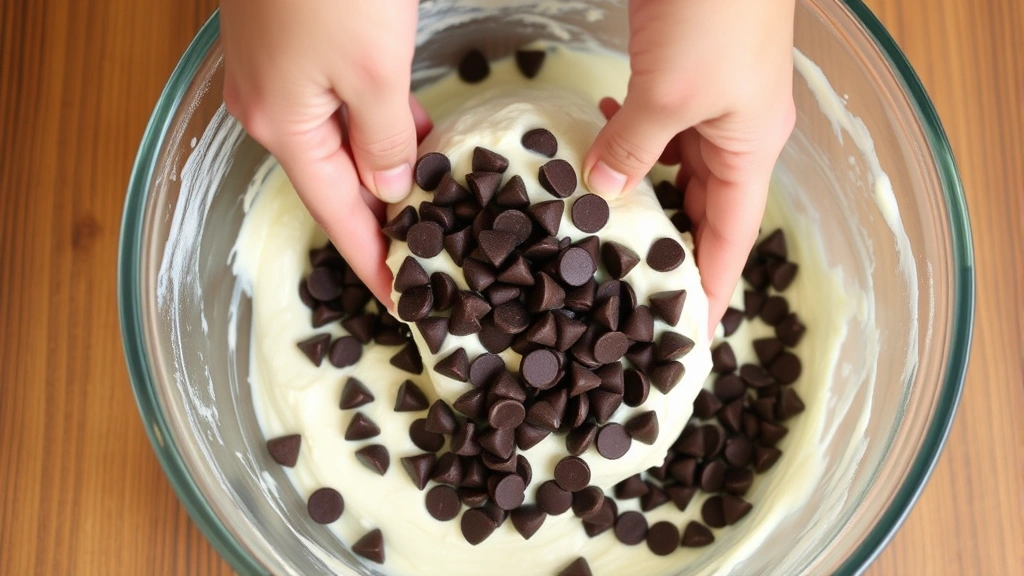
- Fold in chocolate and citrus. Reserve about 2 tablespoons of chocolate chips for garnish if desired. Gently fold the remaining chocolate chips and candied orange peel into the filling using a spatula. This gentle folding preserves the airy texture you’ve created.
- Chill before using. Transfer your filling to an airtight container and refrigerate for at least 2 hours, preferably overnight. This allows flavors to meld and the filling to achieve the ideal consistency for piping into cannoli shells.
The entire preparation process takes approximately 15 minutes of active work, though the resting time is essential for optimal results. Many experienced cannoli makers prepare their filling the day before assembly, allowing maximum time for flavor development and texture improvement.
Perfecting Texture and Consistency
Achieving the perfect cannoli filling texture requires attention to detail and understanding how different factors affect your final product. The filling should be thick enough to hold its shape when piped into shells, yet creamy and smooth enough to melt on your palate. If your filling is too thin, it will leak from the cannoli shells and create a messy presentation. If it’s too thick, piping becomes difficult and the eating experience becomes pasty rather than luxurious.
Temperature plays a crucial role in texture development. Room-temperature ricotta mixes more smoothly and evenly than cold cheese, which tends to clump. However, your finished filling should be well-chilled before piping—this makes it firmer and easier to work with. The straining step mentioned earlier significantly impacts final texture. Even 30 minutes of straining removes noticeable excess moisture, while 2 hours creates a noticeably thicker, creamier filling.
The mixing method also affects texture. Using an electric mixer can incorporate too much air and create a texture that’s too light and fluffy, which some consider less authentic. The traditional method of gently folding ingredients together by hand preserves the ricotta’s natural creaminess while creating a smooth, velvety consistency. If you do use an electric mixer, use the lowest speed setting and mix for the minimum time necessary—typically just 1-2 minutes.
If your filling becomes too thin during preparation, you can add a tablespoon of finely ground almonds or additional sifted powdered sugar to thicken it. If it becomes too thick, a tablespoon of heavy cream or a few drops of milk can thin it slightly. Make these adjustments gradually, tasting and checking consistency frequently.
Flavor Variations and Customizations
While the traditional cannoli filling recipe remains timeless, creative variations allow you to personalize your cannoli while maintaining their essential character. healthy dessert recipes often feature cannoli filling variations using reduced sugar or alternative sweeteners. You can substitute half the powdered sugar with honey or use monk fruit sweetener for a lower-glycemic option, though this will affect texture and may require slight adjustments to other ingredients.
Pistachio cannoli represent one of Sicily’s most celebrated variations. Add ½ cup finely ground roasted pistachios to your basic filling and reduce the chocolate chips to ½ cup. Toast the pistachios lightly before grinding for enhanced flavor. This variation pairs beautifully with cannoli shells that feature pistachio paste mixed into the dough.
For a chocolate-forward version, increase the chocolate chips to 1 cup and add 2 tablespoons of cocoa powder to the sugar before sifting. This creates a more decadent, chocolate-prominent filling while maintaining the authentic cannoli experience. Some bakers add a tablespoon of chocolate liqueur for additional depth.
The candied citrus peel variation captures Sicily’s Mediterranean essence. Use candied lemon peel, orange peel, or even candied citron. Finely chop ½ cup of your chosen peel and fold it into the filling. This creates bright, sophisticated flavor notes that complement the creamy ricotta beautifully.
Rum or marsala wine additions are traditional in many Sicilian recipes. Add 2-3 tablespoons for noticeable flavor impact, or use just ½ tablespoon for subtle complexity. Some bakers prefer brandy or even coffee liqueur. These alcohol additions enhance depth without creating an overly boozy taste, as the alcohol largely evaporates during storage.
Storage and Make-Ahead Tips
Proper storage ensures your cannoli filling maintains peak quality and flavor for several days. Keep your finished filling in an airtight container in the refrigerator for up to 4 days. The filling actually improves over the first 24 hours as flavors meld and develop. Do not freeze cannoli filling, as freezing and thawing separates the ricotta and creates a grainy, unpleasant texture.
Cannoli shells and filling should be combined as close to serving time as possible. Assemble cannoli no more than 2 hours before serving, as the shells will gradually absorb moisture from the filling and lose their crispy texture. For parties or events where you need to prepare ahead, keep shells and filling separate and assemble just before guests arrive.
If you must assemble cannoli further in advance, consider using a pastry bag with a small tip to pipe filling just before serving, or store assembled cannoli in an airtight container in the refrigerator for no more than 1 hour. Some bakers dip the ends of the cannoli in chocolate chips or chopped pistachios immediately after filling, which helps preserve shell crispness and adds visual appeal.
For optimal flavor, remove your cannoli filling from the refrigerator about 15 minutes before assembling cannoli. The slightly warmed filling pipes more smoothly and has better flavor release when eaten. If your filling has become very firm during refrigeration, let it sit at room temperature for 20-30 minutes until it reaches a pipeable consistency.
Common Mistakes to Avoid
Understanding common cannoli filling mistakes helps you achieve professional results consistently. The most frequent error is using low-quality or aged ricotta cheese. Ricotta that’s more than a few days old develops an acidic, unpleasant flavor that dominates the filling. Always verify production dates and purchase from reputable sources that guarantee freshness.
Overmixing is another common mistake that creates tough, dense filling rather than the light, creamy texture that defines excellent cannoli. Mix only until ingredients are just combined. If you’re unsure whether you’ve mixed enough, err on the side of undermixing. A few small streaks of unmixed powdered sugar are far preferable to overmixed filling.
Insufficient straining of ricotta creates watery filling that leaks from shells and lacks proper structure. Even if your ricotta appears relatively dry, straining for at least 30 minutes improves texture significantly. This step is not optional—it’s fundamental to achieving authentic cannoli filling quality.
Using the wrong type of chocolate is another quality-impacting mistake. Cocoa powder creates a gritty, dry texture, while chocolate syrup or chocolate chips that are too large don’t integrate smoothly. Use mini chocolate chips or finely chopped dark chocolate for best results. Avoid chocolate chips with excessive additives or coatings.
Skipping the chilling period before assembly is a common time-saving mistake that compromises results. Chilled filling pipes more smoothly, holds its shape better, and creates a more luxurious mouthfeel. Plan ahead to allow adequate chilling time—at least 2 hours, though overnight is ideal.
Not adjusting seasoning to personal preference creates filling that tastes generic rather than personalized. Taste your filling before chilling and adjust cinnamon, vanilla, or sweetness levels as desired. Everyone’s palate differs, and your cannoli filling should reflect your preferences.
Many home cooks neglect to bring ricotta to room temperature before mixing, which creates lumpy filling that’s difficult to smooth. Remove ricotta from the refrigerator 1-2 hours before preparation, or place it in a warm water bath for 15 minutes to gently warm it without cooking.
Finally, assembling cannoli too far in advance causes shell sogginess. Assemble within 2 hours of serving for maximum crispness. If you’re serving at a party, consider setting up a small assembly station where guests watch you fill cannoli fresh to order—this ensures optimal texture and creates an engaging presentation.
FAQ
Can I make cannoli filling without alcohol?
Absolutely. The alcohol in traditional recipes is entirely optional and primarily adds depth of flavor. Simply omit the rum or marsala wine and increase vanilla extract to 1½ teaspoons if desired. Your filling will be delicious without any alcoholic additions.
How long does cannoli filling last in the refrigerator?
Properly stored cannoli filling remains fresh for up to 4 days in an airtight container. The filling actually tastes better after 24 hours as flavors meld. Always check that your ricotta was fresh when purchased, as older ricotta will spoil faster.
Can I use part-skim ricotta instead of whole milk?
While whole milk ricotta is traditional and produces superior results, part-skim ricotta can work in a pinch. However, expect a slightly less creamy texture and milder flavor. Whole milk ricotta is worth seeking out for authentic results.
Should I strain ricotta that appears dry?
Yes. Even ricotta that looks relatively dry benefits from straining for 30 minutes. This step removes subtle excess moisture and creates noticeably creamier filling. It’s a crucial step for achieving authentic cannoli quality.
Can I make cannoli filling ahead and freeze it?
Freezing is not recommended. Frozen ricotta separates and becomes grainy when thawed, creating an unpleasant texture. Prepare your filling no more than 4 days before serving and keep it refrigerated. Fresh filling is always superior.
What’s the best way to pipe filling into cannoli shells?
Use a pastry bag fitted with a large round tip (size 12 or larger). The larger opening accommodates the small chocolate chips and prevents clogging. Pipe from both ends of the shell for even distribution, or use both ends of the cannoli shell opening to create a uniform fill.
How do I know if my filling is the right consistency?
The filling should hold its shape when piped but still feel creamy and smooth on your tongue. It should be thick enough to support its own weight when piped but soft enough to melt slightly in your mouth. If it’s too thick, it becomes pasty; if too thin, it leaks from shells.
Can I add food coloring to cannoli filling?
Yes, though it’s not traditional. A few drops of gel food coloring can tint filling without affecting consistency. Green coloring creates pistachio-colored filling, red creates a festive option, and pink offers a modern twist. Keep coloring minimal to avoid artificial taste.
What should I do if my filling tastes too sweet?
Add a pinch of salt to balance sweetness, or increase cinnamon and vanilla to create complexity that makes sweetness less prominent. You can also add ½ teaspoon of lemon zest for brightness. Avoid reducing powdered sugar further, as this affects texture.
Is it necessary to use candied orange peel?
No. Candied orange peel is traditional but entirely optional. Many authentic Sicilian cannoli use only chocolate chips. Use candied peel if you enjoy citrus flavor, or omit it for a more chocolate-forward filling. Both approaches are equally valid.


