
Cottage Cheese Lasagna: A Home Cook Approved Recipe
Cottage cheese lasagna is a revelation for home cooks seeking a lighter, creamier alternative to traditional ricotta-based versions. This beloved Italian-American comfort food gets a protein-packed upgrade that delivers exceptional texture and flavor without requiring specialized ingredients or advanced culinary techniques. Whether you’re feeding a family of six or meal-prepping for the week, this cottage cheese lasagna recipe proves that simple substitutions can elevate your cooking game significantly.
The beauty of using cottage cheese in lasagna lies in its nutritional profile and practical advantages. Cottage cheese contains nearly twice the protein of ricotta while offering a distinctly creamy consistency that blends seamlessly into layers. Home cooks appreciate this ingredient because it’s readily available, budget-friendly, and creates a lasagna that holds together beautifully when sliced. This recipe has been tested countless times in home kitchens across the country, earning enthusiastic approval from families who’ve made it their go-to weeknight dinner solution.
Why Cottage Cheese Works in Lasagna
Cottage cheese has been unfairly overlooked in traditional lasagna recipes for decades, yet it offers tremendous advantages that ricotta simply cannot match. The curds in cottage cheese create a slightly textured filling that prevents the dense, heavy feeling some cooks experience with other cheeses. When properly drained and seasoned, cottage cheese becomes virtually indistinguishable from ricotta to the untrained palate, while delivering superior moisture retention during baking.
The protein content in cottage cheese makes this lasagna particularly satisfying. Each serving contains substantial amino acids that keep you full longer than traditional versions, making it an excellent choice for active families or anyone monitoring their nutritional intake. Additionally, cottage cheese typically costs 30-40% less than quality ricotta, making your homemade lasagna recipe even more budget-conscious without sacrificing quality.
Home cooks also appreciate that cottage cheese requires minimal preparation compared to other cheese options. Unlike ricotta, which sometimes separates or becomes grainy when heated, cottage cheese maintains its integrity throughout the baking process. This reliability is exactly what home cooks need when preparing dinner after a long day—a recipe that works consistently without fussy techniques or expensive ingredients.
Essential Ingredients You’ll Need
For the Cheese Filling:
- 24 ounces cottage cheese (full-fat or 2% preferred)
- 8 ounces mozzarella cheese, shredded
- 3 ounces Parmesan cheese, freshly grated
- 1 large egg
- 2 cloves garlic, minced
- 1 teaspoon dried Italian seasoning
- ½ teaspoon black pepper
- ½ teaspoon kosher salt
- ¼ teaspoon red pepper flakes (optional)
- 2 tablespoons fresh parsley, chopped
For the Sauce and Assembly:
- 2 tablespoons olive oil
- 1 pound ground beef (or Italian sausage)
- 1 medium onion, diced
- 4 cloves garlic, minced
- 28 ounces crushed tomatoes (canned)
- 6 ounces tomato paste
- 2 tablespoons balsamic vinegar
- 1 tablespoon sugar
- 2 teaspoons dried oregano
- 1 teaspoon dried basil
- Salt and pepper to taste
- 9-12 lasagna noodles (dry or fresh)
- 4 ounces mozzarella cheese, additional for topping
Quality ingredients make a measurable difference in your final dish. When selecting cottage cheese, check the ingredient list—you want milk, cream, salt, and cultures, nothing more. Avoid versions with added gums or stabilizers, which can affect texture. Fresh garlic and dried herbs stored in airtight containers will provide superior flavor compared to pre-minced garlic or stale seasonings.
Step-by-Step Preparation Guide
Preparing the Cottage Cheese Mixture:
Begin by draining your cottage cheese through a fine-mesh strainer lined with cheesecloth for 15-20 minutes. This step is crucial—it removes excess moisture that would otherwise make your lasagna watery. While the cheese drains, combine it with shredded mozzarella, grated Parmesan, the egg, minced garlic, Italian seasoning, black pepper, kosher salt, red pepper flakes, and fresh parsley in a large bowl. Mix gently with a fork until everything is evenly distributed. Avoid overmixing, which can toughen the filling. Set aside at room temperature.
Creating the Meat Sauce:
Heat olive oil in a large, heavy-bottomed pot over medium-high heat. When the oil shimmers, add your ground beef or sausage, breaking it apart with a wooden spoon as it cooks. This process typically takes 6-8 minutes. Once the meat is no longer pink, add diced onion and cook for another 3 minutes until softened. Add minced garlic and cook for 30 seconds, stirring constantly to prevent burning.
Pour in crushed tomatoes, tomato paste, balsamic vinegar, sugar, oregano, and basil. Stir thoroughly to combine. Reduce heat to low and simmer for 20-25 minutes, stirring occasionally. The sauce should reduce slightly and develop deeper flavor. Season with salt and pepper to taste. If your sauce seems too acidic, add another half teaspoon of sugar. A properly cooked sauce should coat the back of a spoon.
Cooking the Lasagna Noodles:
Fill a large pot with salted water and bring to a rolling boil. Add lasagna noodles and cook according to package directions, typically 8-10 minutes for dry noodles. Stir occasionally to prevent sticking. When al dente, drain in a colander and lay noodles flat on a kitchen towel or parchment paper to prevent them from sticking together. This step prevents frustration during assembly.
Layering and Assembly Process
Successful lasagna assembly requires organization and a systematic approach. Preheat your oven to 375°F. Lightly coat a 9×13-inch baking dish with olive oil or cooking spray.
The Layering Method:
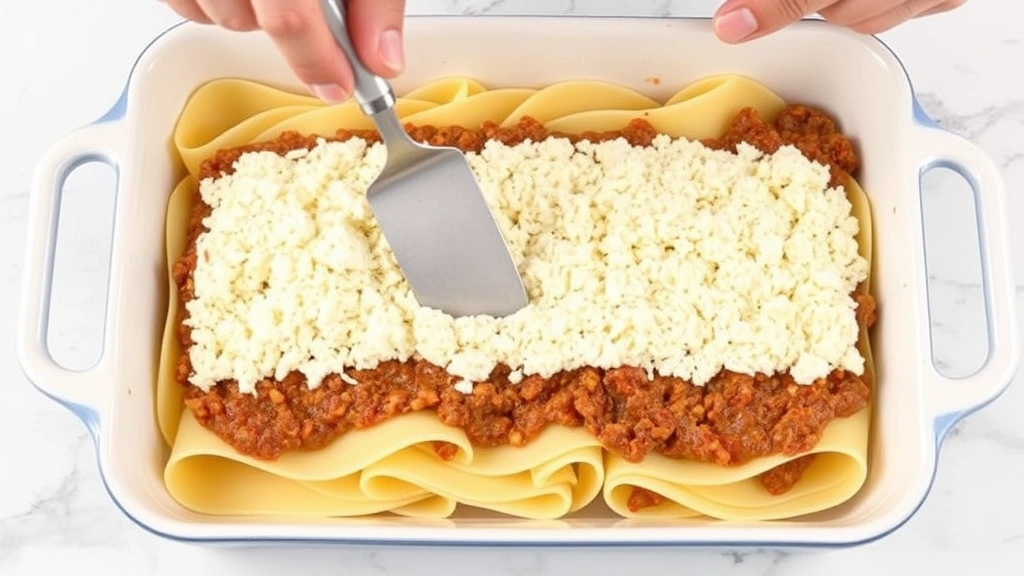
Spread a thin layer of meat sauce on the bottom of your prepared baking dish—approximately ¾ cup. This prevents noodles from sticking directly to the dish. Arrange 3-4 lasagna noodles in a single layer, overlapping slightly. Spread half of your cottage cheese mixture over the noodles, using an offset spatula or the back of a spoon to create an even layer. Distribute ¾ cup of meat sauce over the cheese layer. Repeat with another layer of noodles, remaining cottage cheese mixture, and another ¾ cup sauce. Add your final layer of noodles and top with remaining meat sauce, spreading it evenly to the edges.
Sprinkle the additional 4 ounces of shredded mozzarella over the top layer. This creates the golden, bubbly top that makes lasagna so visually appealing. For extra richness, you can add a light sprinkle of additional Parmesan, though this is optional.
Baking and Finishing Touches
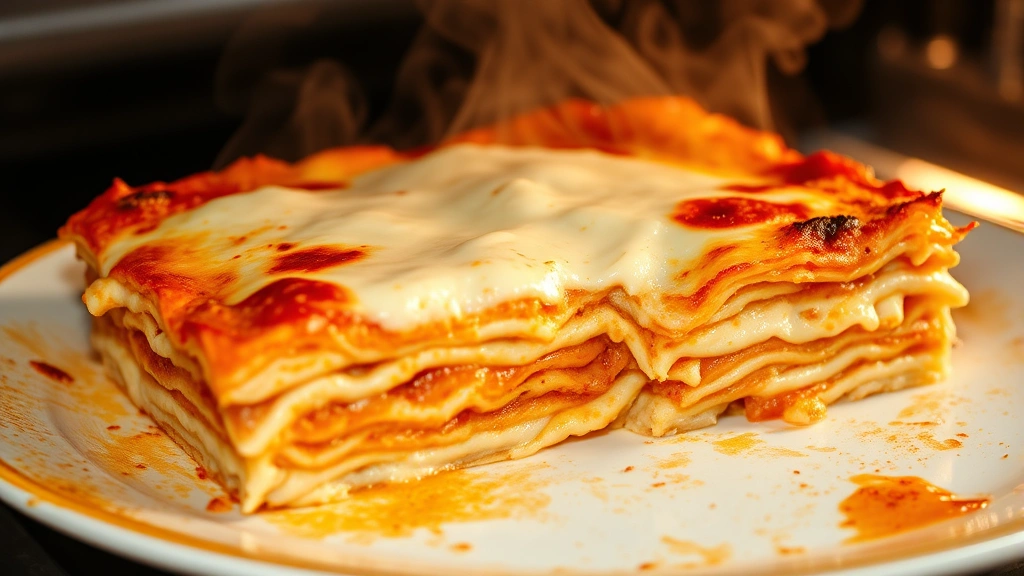
Cover your assembled lasagna tightly with aluminum foil and place it in your preheated 375°F oven. Bake covered for 25 minutes. This covered baking phase allows the noodles to fully hydrate and the filling to heat through evenly. After 25 minutes, carefully remove the foil and return the lasagna to the oven for an additional 15-20 minutes until the cheese on top is melted, bubbly, and lightly golden brown.
Remove from the oven and let rest for 10 minutes before cutting. This resting period is essential—it allows the layers to set and makes serving cleaner and more presentable. If you cut into lasagna immediately after removing it from the oven, the layers will slide apart and the dish will appear messy, despite tasting delicious.
To serve, use a sharp knife to cut the lasagna into 6-8 portions, depending on appetite size. A serrated bread knife works exceptionally well for this task. Serve with a simple green salad and garlic bread for a complete meal. If you enjoy pairing your Italian dinner with steak, our guide on how to grill steak perfectly provides excellent techniques for complementary proteins.
Storage and Make-Ahead Tips
One of the greatest advantages of cottage cheese lasagna is its make-ahead potential. You can assemble the entire dish up to 24 hours before baking. Prepare everything as directed, cover tightly with plastic wrap and foil, and refrigerate. When ready to bake, simply add 5-10 minutes to the covered baking time since the lasagna will be cold.
Leftover lasagna stores beautifully in the refrigerator for up to 4 days in an airtight container. Reheat individual portions in the microwave (2-3 minutes at 50% power) or reheat the entire dish covered in a 325°F oven for 15-20 minutes. Freezing is also an excellent option—wrap cooled lasagna portions individually in plastic wrap and foil, then freeze for up to 3 months. Thaw overnight in the refrigerator before reheating.
For meal-prepping purposes, consider cutting your lasagna into portions immediately after the resting period, then storing individual pieces in compartmentalized containers. This makes grabbing lunch or dinner incredibly convenient during busy weeks.
Creative Variations to Try
Vegetarian Version:
Omit the ground meat and increase your vegetable content. Sauté 8 ounces mushrooms, 2 cups spinach, and 1 cup diced zucchini with the onion and garlic. Proceed with the sauce as directed. The vegetables provide substance and earthiness that compensates for the missing meat.
Italian Sausage Upgrade:
Replace ground beef with Italian sausage for a more pronounced fennel flavor. Spicy sausage adds heat and complexity, while mild sausage provides traditional Italian flavoring. This variation works particularly well with the cottage cheese filling.
White Sauce Alternative:
Create a béchamel-style white sauce by melting 4 tablespoons butter, whisking in 4 tablespoons flour, then gradually adding 3 cups whole milk while whisking constantly. Season with salt, white pepper, and nutmeg. Layer this white sauce between noodles and cottage cheese for an elegant variation. This technique is similar to the precision required when cooking with cast iron, where temperature control and technique matter significantly.
Seafood Lasagna:
Mix 1 pound cooked shrimp or crab into your cottage cheese filling along with the other ingredients. Use white sauce instead of meat sauce for a sophisticated seafood version that impresses dinner guests.
Roasted Vegetable Mix:
Roast bell peppers, eggplant, and cherry tomatoes at 425°F for 15 minutes, then layer them between your noodles and cheese filling. This creates a garden-fresh version that’s lighter and more colorful than traditional versions.
FAQ
Can I substitute ricotta for cottage cheese in this recipe?
Yes, you can use ricotta as a direct substitution in equal quantities. However, you may need to drain ricotta through cheesecloth to remove excess moisture, similar to the cottage cheese preparation. Ricotta tends to be slightly drier, so monitor the final moisture content of your filling. The texture will be slightly smoother with ricotta, while cottage cheese provides a more rustic, textured finish.
What’s the best way to prevent a watery lasagna?
Draining your cottage cheese is the primary prevention method, but also ensure your meat sauce has simmered long enough to reduce excess moisture. Additionally, don’t add extra liquid to your sauce unless necessary. If using fresh tomatoes instead of canned, they contain more water than crushed canned tomatoes, so plan for longer cooking time to evaporate excess liquid.
Can I make this lasagna gluten-free?
Absolutely. Use gluten-free lasagna noodles available at most grocery stores. These noodles cook similarly to traditional wheat noodles but may have slightly different cooking times. Check the package directions carefully. Everything else in this recipe is naturally gluten-free.
How do I know when my lasagna is fully cooked?
The cheese on top should be melted and bubbly with light golden-brown spots. You should see sauce bubbling at the edges of the baking dish. If you insert a knife into the center, it should meet minimal resistance. The lasagna should smell aromatic and inviting.
Can I use no-boil noodles?
Yes, no-boil lasagna noodles work excellently in this recipe. They hydrate during the covered baking phase. You may need to add slightly more sauce since no-boil noodles require more moisture. Ensure your sauce is well-distributed and cover the lasagna for the entire first 30 minutes of baking.
What if my lasagna comes out too dry?
Next time, add an additional ½ cup of sauce or a mixture of half sauce and half beef broth. You can also reduce the initial baking time by 5 minutes. If your current lasagna is already dry, you can spoon additional warmed sauce over individual portions when serving.
Is this recipe suitable for freezing before baking?
Yes, freeze the assembled, unbaked lasagna for up to 3 months. Wrap it thoroughly in plastic wrap and foil. Bake directly from frozen, adding 15-20 minutes to the covered baking time. It’s an excellent solution for meal-prepping multiple lasagnas at once.
For additional Italian cooking inspiration, explore our steak seasoning recipe for complementary flavors, or check out authoritative resources like the Italian Food Academy for traditional techniques. Home cooks interested in understanding the science behind cheese in cooking should visit Serious Eats, where food science experts explain the chemistry of cooking. For more traditional Italian culinary education, the Italian School of Culture offers comprehensive resources on authentic cooking methods. Professional chefs often reference ChefSteps for precision cooking techniques that home cooks can adapt.
This cottage cheese lasagna recipe represents the pinnacle of home-cooking practicality. It delivers restaurant-quality results using accessible ingredients and straightforward techniques that build confidence in the kitchen. Whether you’re a novice cook preparing your first lasagna or an experienced home chef seeking fresh inspiration, this recipe proves that sometimes the best dishes come from thoughtful ingredient substitutions and proper technique rather than complexity. Make it this week and discover why home cooks everywhere are approving this cottage cheese lasagna as their new go-to recipe.


