Lemon Cheesecake Delight: Proven Recipe for Perfect Results
Lemon cheesecake is the ultimate dessert for anyone who loves bright, tangy flavors balanced with creamy richness. This lemon cheesecake recipe combines a buttery graham cracker crust, silky filling, and a zesty lemon topping that will have your guests asking for seconds. Whether you’re preparing dessert for a special occasion or simply craving something indulgent, this proven recipe delivers restaurant-quality results every single time.
What makes this lemon cheesecake truly special is the careful balance of ingredients and techniques. The filling uses full-fat cream cheese and sour cream for that signature tangy flavor, while fresh lemon juice and zest provide brightness without overwhelming the palate. The crust stays perfectly crispy, and the baking method ensures you avoid cracks and achieve that coveted smooth, creamy texture throughout.
This comprehensive guide walks you through every step, from preparing your springform pan to achieving the perfect cheesecake consistency. You’ll learn professional tips that transform a good cheesecake into an exceptional one.
Essential Ingredients You’ll Need
The foundation of an outstanding lemon cheesecake starts with quality ingredients. Here’s everything you’ll need for a 9-inch springform pan:
For the Crust:
- 2 cups graham cracker crumbs (about 14-16 crackers)
- 6 tablespoons unsalted butter, melted
- 3 tablespoons granulated sugar
- ¼ teaspoon sea salt
For the Filling:
- 32 ounces (four 8-oz packages) cream cheese, room temperature
- 1 cup granulated sugar
- ¼ cup cornstarch
- ¾ cup sour cream, room temperature
- 3 large eggs, room temperature
- ½ cup fresh lemon juice (about 3-4 lemons)
- 2 tablespoons lemon zest (finely grated)
- 1 teaspoon vanilla extract
- ¼ teaspoon salt
For the Topping (Optional but Recommended):
- ½ cup sour cream
- 2 tablespoons powdered sugar
- 1 tablespoon fresh lemon juice
- Candied lemon slices or fresh berries for garnish
The cornstarch is a secret weapon that prevents cracks and creates a smoother texture. Room temperature ingredients are crucial—they blend together seamlessly without lumps or overmixing.
Building the Perfect Graham Cracker Crust
A great crust provides the structural foundation and textural contrast your cheesecake needs. Here’s how to create one that stays crispy throughout:
- Prepare your pan: Preheat your oven to 325°F. Wrap the outside of a 9-inch springform pan with heavy-duty aluminum foil, ensuring the foil covers the sides completely. This prevents water from seeping into the pan during the water bath.
- Combine dry ingredients: In a medium bowl, combine graham cracker crumbs, sugar, and salt. Use a food processor to create uniform crumbs if needed—this ensures even texture throughout the crust.
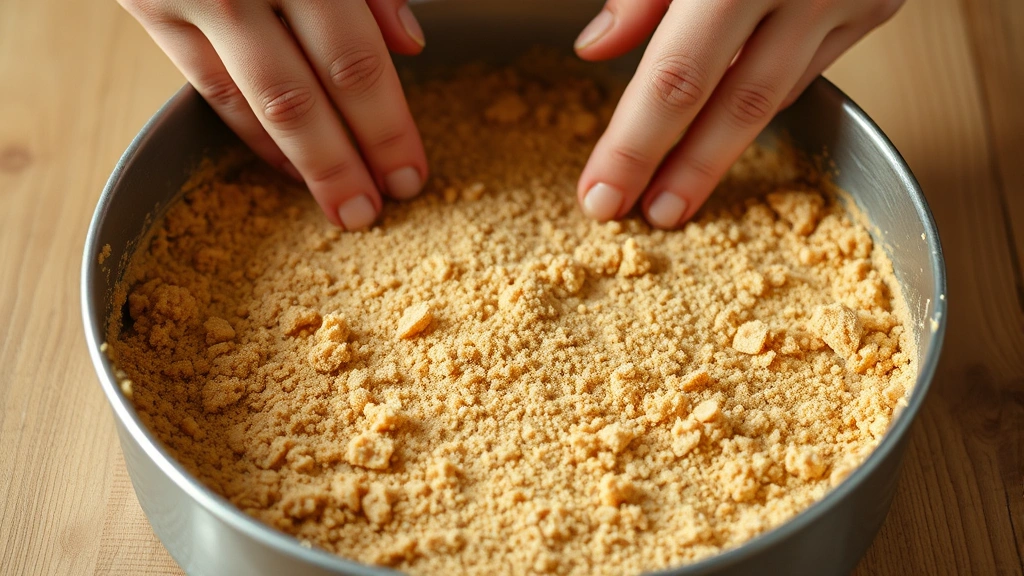
- Add melted butter: Pour the melted butter over the crumb mixture and stir until the texture resembles damp sand. Every crumb should be lightly coated.
- Press firmly: Transfer the mixture to your prepared springform pan. Using the bottom of a measuring cup or your fingers, press the mixture firmly and evenly into the bottom of the pan. Create an even layer about ¼-inch thick.
- Optional blind bake: For extra crispness, bake the crust for 8 minutes at 325°F, then remove and let cool slightly. This step is optional but recommended for preventing soggy crusts.
The crust should be compact enough to hold together but not so dense that it becomes hard. You’ll know it’s right when you can press it with your finger and it springs back slightly.
Creating the Creamy Lemon Filling
This is where the magic happens. The filling technique determines whether your cheesecake will be creamy or dense, smooth or cracked. Follow these steps carefully:
- Beat the cream cheese: In a large bowl using an electric mixer on medium speed, beat the room-temperature cream cheese for 2-3 minutes until completely smooth and creamy. Scrape down the bowl frequently. This step is essential—lumpy cream cheese will result in a grainy texture.
- Combine sugar and cornstarch: In a separate small bowl, whisk together granulated sugar and cornstarch. This mixture prevents lumps and ensures even sweetness distribution.
- Gradually add sugar mixture: Add the sugar-cornstarch mixture to the cream cheese in three additions, beating on low speed after each addition for about 30 seconds. Stop and scrape the bowl between additions.
- Incorporate sour cream: Add the sour cream and beat on low speed just until combined, about 1 minute. Overmixing at this stage incorporates too much air, which causes cracks.
- Add eggs one at a time: Add eggs individually, beating on low speed for about 20 seconds after each addition. This is critical—add them slowly to avoid overmixing. Stop and scrape the bowl after each egg.
- Mix in lemon flavoring: Add lemon juice, lemon zest, vanilla extract, and salt. Mix on low speed until just combined. The batter should look smooth and uniform, not airy or frothy.
- Final strain (optional): For the silkiest texture, pour the filling through a fine-mesh strainer into a bowl, pressing gently with a spatula. This removes any small lumps or air pockets.
The filling consistency should resemble thick pudding. If you notice it’s too thick, let it sit at room temperature for 10 minutes. The key to avoiding cracks is minimizing air incorporation—this means avoiding high-speed mixing and overmixing.
If you’re interested in learning about other quick and easy recipes, this lemon cheesecake technique can be applied to various dessert preparations.
Baking Techniques for Success
The baking method makes the difference between a cracked, dry cheesecake and a perfectly creamy one. A water bath is non-negotiable for professional results:
- Prepare the water bath: Place your foil-wrapped springform pan inside a larger roasting pan. Pour the lemon filling into the crust, smoothing the top gently with a spatula.
- Add hot water: Pour hot (not boiling) water into the roasting pan until it reaches halfway up the sides of the springform pan. The water bath provides gentle, even heat that prevents the edges from cooking too quickly.
- Bake at low temperature: Bake at 325°F for 55-65 minutes. The cheesecake is done when the edges are set but the center still jiggles slightly when gently shaken—about a 2-inch diameter circle in the very middle should wobble.
- Check for doneness: Insert an instant-read thermometer into the center; it should read 150°F. The top should look slightly matte, not wet or shiny.
- Turn off the oven: Once done, turn off the oven and crack the door open about 4 inches. Let the cheesecake sit in the cooling oven for 1 hour. This gradual temperature change prevents thermal shock and cracking.
The water bath is essential because it creates a humid baking environment. This prevents the edges from drying out and cracking while the center cooks. Never skip this step if you want professional results.
Cooling and Setting Your Cheesecake
After the initial oven cooling, proper cooling at room temperature is crucial:
- Remove from oven: Carefully remove the cheesecake from the oven using oven mitts. The pan will be very hot.
- Cool at room temperature: Let the cheesecake cool at room temperature for 1 hour. This allows the structure to set while the filling remains creamy.
- Refrigerate overnight: Transfer to the refrigerator and chill for at least 8 hours, preferably overnight. This is not optional—the cheesecake needs this time to fully set and develop its flavor.
- Remove from springform: Before serving, run a thin knife around the edges to loosen it from the pan. Gently release the springform clasp and carefully lift away the sides.
Patience is your greatest tool in making cheesecake. Rushing the cooling process leads to cracks and a less-than-ideal texture. Plan ahead and allow at least 10-12 hours total from baking to serving.
Lemon Toppings and Finishing Touches
The topping adds visual appeal and extra flavor dimension. Here are several options:
Sour Cream Topping:
This classic approach adds tanginess and a smooth finish:
- Combine ½ cup sour cream, 2 tablespoons powdered sugar, and 1 tablespoon fresh lemon juice.
- Spread evenly over the cooled cheesecake.
- Bake at 325°F for 5 minutes until set.
- Cool completely before refrigerating.
Lemon Curd Topping:
For a more intense lemon flavor, spread homemade or store-bought lemon curd over the cooled cheesecake. The tartness perfectly complements the creamy filling.
Candied Lemon Garnish:
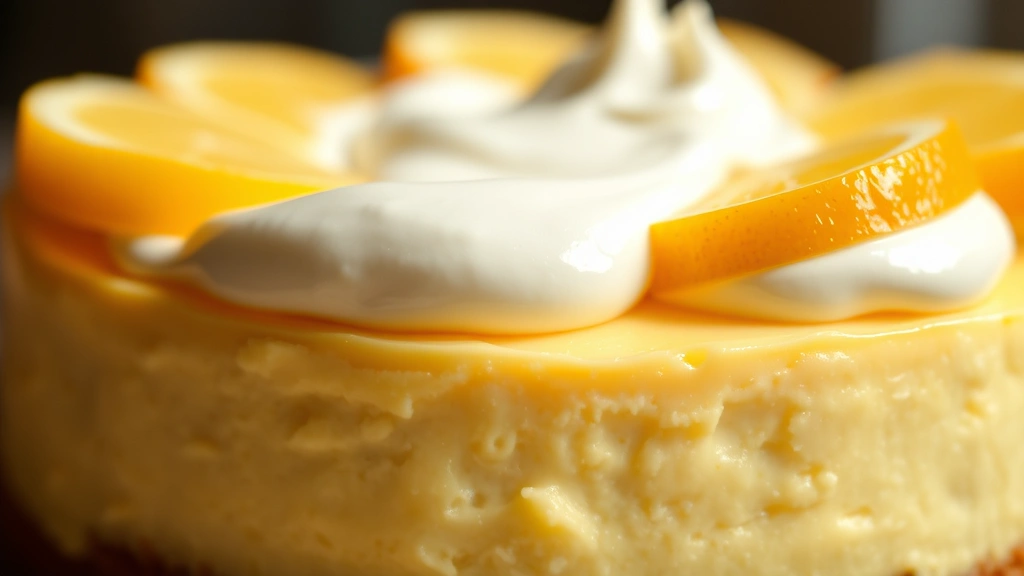
Slice lemons thinly, simmer in simple syrup for 30 minutes, then dry on parchment paper. These add elegant visual appeal and concentrated lemon flavor.
Fresh Berry Topping:
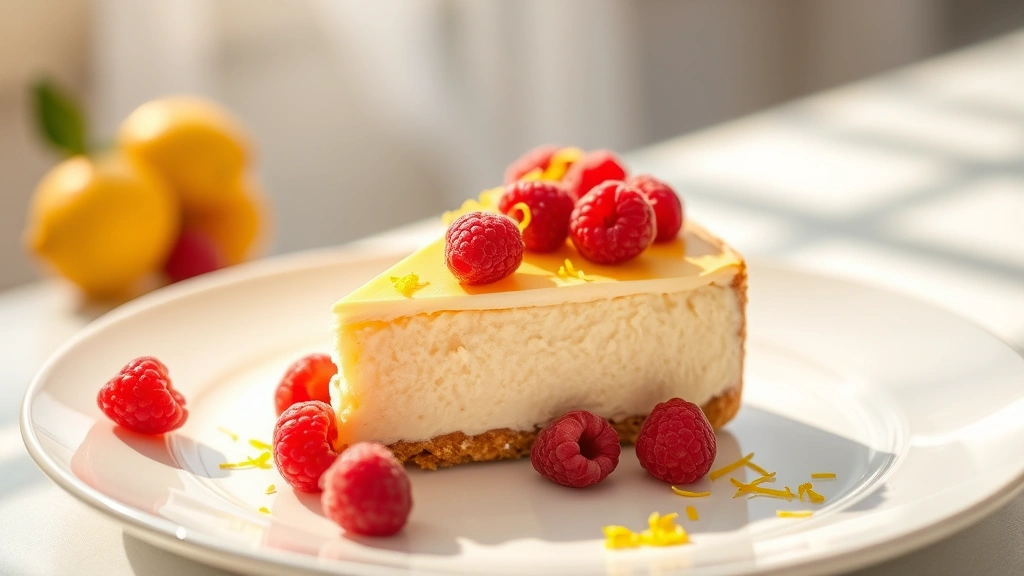
Arrange fresh raspberries, blueberries, or blackberries on top just before serving. The tartness of berries complements lemon beautifully.
Storage and Make-Ahead Tips
Cheesecake is actually better when made ahead. Here’s how to store and prepare it:
- Refrigerator storage: Keep your cheesecake covered with plastic wrap in the refrigerator for up to 5 days. The flavor actually improves as it sits.
- Freezer storage: Wrap the entire cheesecake (in the springform pan) with plastic wrap, then aluminum foil. Freeze for up to 3 months. Thaw overnight in the refrigerator before serving.
- Individual slices: Wrap individual slices separately in plastic wrap and freeze for quick desserts later.
- Make-ahead strategy: Bake the cheesecake 2-3 days before serving. This allows flavors to meld and the texture to become even creamier.
- Transport safely: Keep the cheesecake in its springform pan for transport. Use a flat, sturdy surface in your vehicle to prevent sliding.
If you’re looking for other make-ahead dessert options, you might explore hanky panky recipes that offer similar convenience.
Creative Variations to Explore
Once you master the basic recipe, experiment with these creative twists:
White Chocolate Lemon Cheesecake:
Add 4 ounces melted white chocolate to the filling for richness and subtle sweetness. The white chocolate doesn’t overpower the lemon flavor.
Lavender Lemon Cheesecake:
Infuse the filling with ½ teaspoon dried culinary lavender (steeped in the sour cream for 30 minutes, then strained). The floral notes complement lemon beautifully.
Raspberry Swirl Lemon Cheesecake:
Prepare a simple raspberry sauce by cooking 1 cup fresh raspberries with 2 tablespoons sugar until jammy. Swirl into the filling before baking for tartness and visual appeal.
Lemon Poppy Seed Cheesecake:
Add 2 tablespoons poppy seeds to the filling for texture and a subtle nutty flavor that pairs well with lemon.
Honey Lemon Cheesecake:
Replace ¼ cup of the sugar with honey for deeper flavor complexity. The honey adds subtle floral notes.
These variations maintain the structural integrity of the original recipe while adding your personal touch. Start with small modifications and adjust to your taste preferences.
If you enjoy experimenting with flavors, you might also appreciate Asian recipes that use citrus in creative ways.
Frequently Asked Questions
Why did my cheesecake crack?
Cracks typically result from overmixing (incorporating too much air), rapid temperature changes, or skipping the water bath. Ensure ingredients are room temperature, minimize mixing, and always use a water bath. The gradual cooling process is equally important.
Can I make this cheesecake without a springform pan?
Yes, use a 9-inch round cake pan or pie dish. You’ll need to run a knife around the edges and carefully slide it onto a serving plate, or serve directly from the pan. A springform pan makes removal much easier.
What’s the difference between cheesecake and New York cheesecake?
New York cheesecake is denser and richer due to higher cream cheese content and sometimes whole eggs plus yolks. This recipe creates a slightly lighter, more delicate cheesecake with a silkier crumb.
Can I use bottled lemon juice?
Fresh lemon juice produces noticeably better results with brighter, more authentic flavor. Bottled juice contains preservatives that can affect taste. If you must use bottled, use fresh zest to compensate for flavor loss.
How do I know when the cheesecake is done baking?
The edges should be set and pulling away slightly from the pan sides. The center should jiggle slightly when gently shaken—about a 2-inch diameter circle. An instant-read thermometer inserted in the center should read 150°F.
Can I reduce the sugar in this recipe?
You can reduce sugar by up to 2 tablespoons, but reducing more affects texture and structure. The sugar contributes to the creamy texture, not just sweetness. Taste after cooling before adjusting in future batches.
What if I don’t have a water bath setup?
A water bath is highly recommended, but if absolutely unavailable, bake at 300°F and monitor closely. The cheesecake may crack more easily, and the texture may be less creamy. Consider investing in a simple roasting pan for future baking.
Can I make mini cheesecakes instead?
Yes! Use muffin tins lined with cupcake liners or silicone molds. Divide crust and filling proportionally among 12 cups. Reduce baking time to 20-25 minutes. Check doneness more frequently as smaller portions bake faster.
Is this recipe suitable for dietary restrictions?
This traditional recipe contains dairy and eggs. For dairy-free versions, substitute cream cheese with cashew-based alternatives and use aquafaba (chickpea liquid) instead of eggs. Results differ from the original, requiring recipe adjustments by experienced bakers.
How far in advance can I prepare the crust?
Prepare the crust up to 2 days ahead. Store covered in the refrigerator. You can also blind-bake and cool it completely, then wrap and refrigerate until ready to fill.
For additional dessert inspiration and techniques, explore resources like Serious Eats, which offers comprehensive food science explanations for baking success, or King Arthur Baking Company, which provides detailed baking guidance and ingredient information.
This lemon cheesecake recipe has been tested and refined to deliver consistent, outstanding results. The combination of proper technique, quality ingredients, and patience creates a dessert that rivals professional bakery versions. Whether you’re baking for a special occasion or simply treating yourself, this proven recipe ensures success. The bright lemon flavor, creamy texture, and elegant presentation make this cheesecake a show-stopping dessert that will impress everyone at your table. Start with this foundation, then experiment with variations once you’ve mastered the classic version.


