London Fog Recipe: Barista-Approved Method
The London Fog is far more than a simple tea drink—it’s a sophisticated beverage that bridges the gap between a classic afternoon tea and a modern café favorite. This elegant drink combines the aromatic warmth of Earl Grey tea with the delicate sweetness of vanilla and a touch of bergamot-infused milk, creating a flavor profile that’s both comforting and refined. Whether you’re looking to recreate the café experience at home or impress guests with barista-level skills, mastering the London Fog recipe opens doors to understanding fundamental tea preparation techniques and flavor balancing that extend far beyond this single drink.
What makes this drink particularly special is its versatility and accessibility. Unlike complex espresso-based beverages that require expensive equipment, a London Fog can be crafted with ingredients most home cooks already have in their pantry. The beauty lies in the technique—understanding how to properly steep tea, the importance of water temperature, and how to create the perfect milk-to-tea ratio. This guide will walk you through every step of creating an authentic London Fog that rivals your favorite coffee shop, while also exploring the history, variations, and pro tips that separate a mediocre version from an exceptional one.
Understanding the London Fog
The London Fog emerged in Canadian coffee shops during the 1990s, though its name evokes the misty streets of London. The drink represents a perfect marriage of British tea culture and North American café innovation. At its core, the London Fog is a flavored tea latte that transforms a simple cup of Earl Grey into something extraordinary through the addition of vanilla syrup and steamed milk.
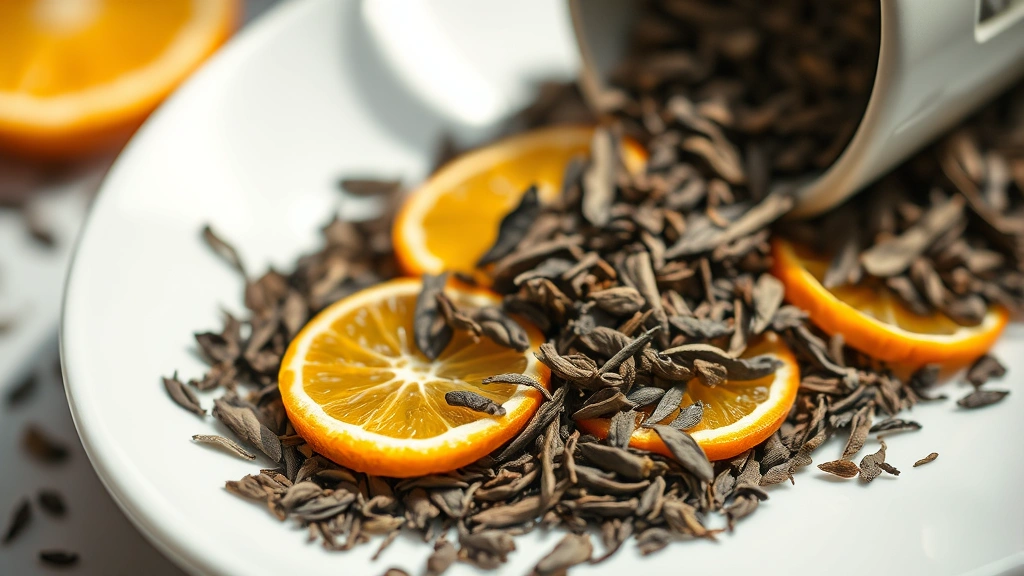
Earl Grey tea itself is the foundation of this drink. This black tea is infused with bergamot oil, a citrus essence from the bergamot orange that grows primarily in Italy’s Calabria region. The bergamot provides a distinctive floral, slightly bitter note that distinguishes Earl Grey from other black teas. When combined with vanilla—which offers sweetness and smoothness—the bergamot’s intensity is balanced beautifully, creating a drink that’s neither too bitter nor overly sweet.
Understanding this drink’s composition helps you appreciate why each component matters. The milk isn’t merely added for richness; it’s steamed to create microfoam that integrates with the tea, creating a velvety texture. The vanilla syrup serves as more than sweetener—it’s a flavor bridge that harmonizes the tea’s natural tannins with the creamy milk base. This is why simply mixing cold milk into brewed tea won’t produce an authentic London Fog; the technique matters as much as the ingredients.
Essential Ingredients Breakdown
Creating an authentic London Fog requires understanding each ingredient’s role in the final beverage. Let’s examine what goes into this classic drink and why quality matters at every step.
Earl Grey Tea: This is non-negotiable. Purchase loose-leaf Earl Grey from reputable tea suppliers rather than bagged versions, which often contain dust and broken leaves. Loose-leaf tea delivers superior flavor extraction and a cleaner taste. Look for Ceylon or Assam-based Earl Greys, as these provide a robust foundation that won’t be overwhelmed by the vanilla and milk additions.
Vanilla Syrup: Most baristas use commercial vanilla syrup for consistency and convenience. However, you can create a superior version at home by combining one cup of sugar with one cup of water, heating until the sugar dissolves, then adding one vanilla bean (split lengthwise, seeds scraped) or one tablespoon of pure vanilla extract. Homemade syrup delivers more authentic vanilla flavor than commercial versions, which often contain corn syrup and artificial flavoring. Store your syrup in the refrigerator for up to three weeks.
Whole Milk: Whole milk is the standard choice because its fat content (approximately 3.5%) creates the ideal microfoam structure when steamed. The fat molecules stabilize the foam, creating that signature velvety texture. While you can use other milk alternatives, whole milk remains the barista standard for this drink.
Water: Use filtered water heated to precisely 200-205°F (93-96°C). Water that’s too hot will scald the tea leaves, extracting excessive tannins and creating bitterness. Water that’s too cool won’t properly extract the tea’s flavors. A simple kitchen thermometer eliminates guesswork.
For those interested in preserving fresh herbs, understanding temperature control applies equally to tea steeping—precision matters.
Step-by-Step Brewing Guide
Step 1: Heat Your Water Begin by heating filtered water to 200-205°F. If you don’t have a thermometer, let boiling water cool for approximately 30 seconds before using. Measure out 8 ounces of water per drink. Using a gooseneck kettle gives you better control over pouring and helps prevent tea leaves from escaping into your cup.
Step 2: Prepare Your Cup While water heats, prepare your serving vessel. For hot London Fog, use a cup that holds at least 12 ounces. Pre-warming the cup by filling it with hot water, then emptying it, ensures the finished drink maintains its temperature longer. This is a professional barista technique that significantly improves the drinking experience.
Step 3: Steep the Tea Place one teaspoon of loose-leaf Earl Grey into a small infuser basket or directly into the cup if using a strainer. Pour the heated water over the tea and let it steep for exactly three to four minutes. This timing is crucial—three minutes produces a lighter, more delicate flavor, while four minutes creates a more robust tea base. Set a timer to avoid over-steeping, which creates harsh, astringent flavors.
Step 4: Prepare the Vanilla Syrup While tea steeps, measure 0.5 to 0.75 ounces of vanilla syrup into your serving cup. The amount depends on your sweetness preference; most baristas use 0.5 ounces for a subtle vanilla note. Pour the syrup into the bottom of your cup before adding the brewed tea.
Step 5: Combine Tea and Syrup Carefully pour the steeped tea into your cup containing the vanilla syrup. If using an infuser basket, remove it before pouring. Stir gently to combine the syrup and tea completely. This step ensures even flavor distribution throughout the drink.
Step 6: Steam the Milk Pour 4-5 ounces of cold whole milk into your steaming pitcher. If you don’t have a steam wand (most home kitchens don’t), use this alternative method: heat milk in a saucepan to approximately 150-155°F, then use a milk frother or even a clean whisk to create microfoam. The goal is small, uniform bubbles that create a creamy texture rather than large, airy foam.
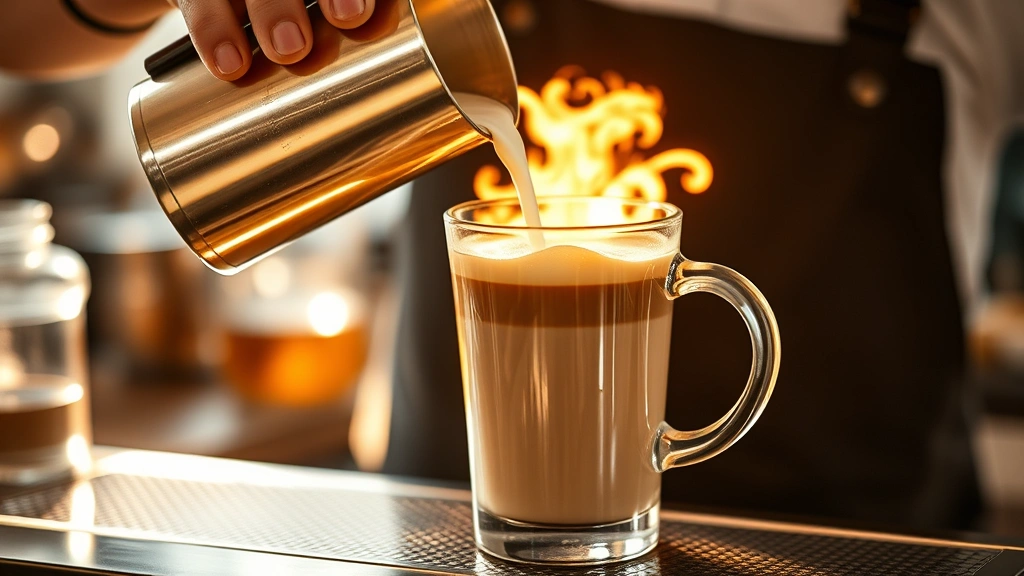
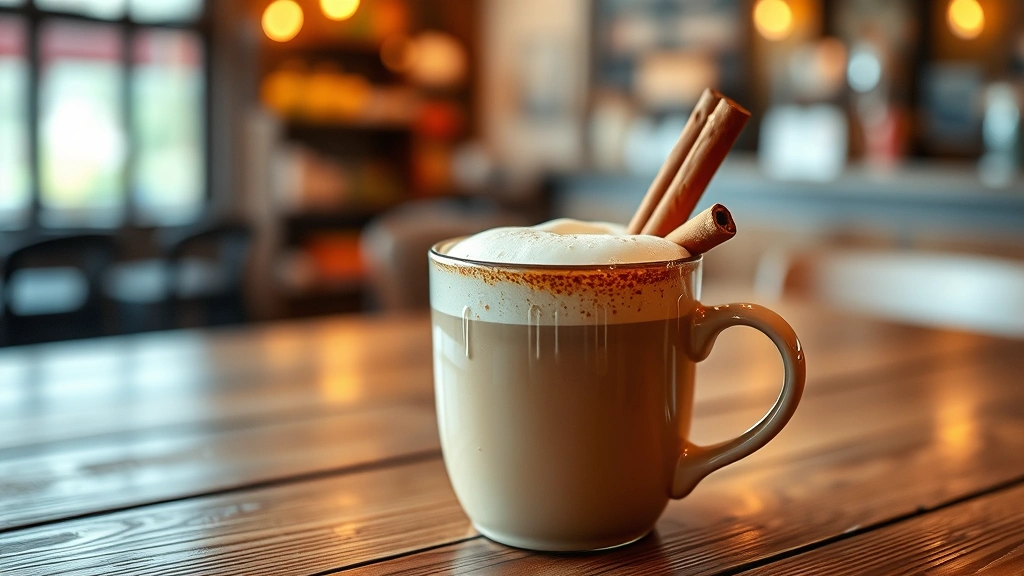
Step 7: Combine and Serve Pour the steamed milk into your tea mixture, holding back the microfoam with a spoon so it pours last, creating that signature layer on top. The final drink should have a beautiful, creamy appearance with a thin layer of foam. Serve immediately while the temperature is optimal (around 160-165°F).
Barista Techniques for Perfect Results
Professional baristas have refined the London Fog preparation into a science. Understanding their techniques elevates your home version significantly.
Water Temperature Precision: This cannot be overstated. Invest in a simple digital thermometer—they cost under twenty dollars and transform your tea game entirely. The difference between 195°F and 210°F is the difference between a bright, flavorful cup and a bitter, astringent one. Professional espresso machines have built-in temperature controls; home tea drinkers need this same precision.
Milk Steaming Technique: If you have access to a steam wand, position the pitcher so the steam wand tip sits just below the milk’s surface. Angle the pitcher slightly to create a whirlpool motion. This creates the ideal microfoam—tiny, uniform bubbles that integrate smoothly with the liquid milk. The milk should increase in volume by approximately 25-30%, not double or triple like cappuccino foam. If you’re using the stovetop method, heat milk slowly, watching for small bubbles to form around the edges, then froth immediately with a whisk or frother.
Flavor Layering: Notice that syrup goes in before the tea, and foam goes in last. This layering isn’t arbitrary—it’s intentional flavor design. The syrup at the bottom ensures it dissolves completely in the hot tea before the cooler milk arrives. The foam on top provides a visual cue of quality and delivers the first taste impression.
Timing Consistency: Professional baristas repeat the same steps identically every time. Use the same measurements, the same steeping time, and the same milk temperature. This consistency is how they develop muscle memory and why their drinks taste reliable. After making five or six London Fogs using precise measurements, you’ll develop intuition about the process.
Tea Leaf Quality: Baristas use premium loose-leaf tea because it matters. The difference between grocery store Earl Grey and specialty tea house Earl Grey is immediately apparent in the cup. Specialty tea suppliers often provide tasting notes and origin information. A single-origin Assam-based Earl Grey will taste distinctly different from a Ceylon-based version. Exploring these differences deepens your appreciation for the drink.
Customization and Variations
Once you’ve mastered the classic London Fog, numerous variations await exploration. The foundation remains the same, but creative adjustments can create entirely different drinking experiences.
Iced London Fog: The summer version requires adjustments. Brew the tea at the same temperature but let it cool completely (or brew it double-strength and cool it). Pour the cooled tea over ice in a tall glass, add 0.75 ounces of vanilla syrup, then pour in cold milk. The result is a refreshing, creamy iced tea that maintains all the complexity of the hot version. Add an extra splash of syrup since ice dilution reduces sweetness perception.
Honey Lavender Variation: Replace vanilla syrup with a homemade honey-lavender syrup. Combine one cup of honey with one cup of water and one tablespoon of dried culinary lavender. Heat gently until warm, then strain out the lavender. This variation creates a floral, slightly more sophisticated drink that pairs beautifully with Earl Grey’s bergamot notes.
Vanilla Chai London Fog: Combine Earl Grey with chai spices for a warmer, spicier version. Use half Earl Grey and half chai tea, steep together, then proceed with standard London Fog preparation. The cinnamon, cardamom, and clove in chai add depth and warmth that creates an entirely different experience.
Oat Milk Version: For those avoiding dairy, oat milk is the superior alternative because it froths beautifully and adds subtle sweetness that complements the drink’s flavor profile. Barista-blend oat milk specifically designed for steaming works best. Almond and coconut milk alternatives work but produce less stable foam.
Exploring these variations develops your understanding of flavor balance and how individual components interact. Each variation teaches something about tea preparation and beverage construction that applies to countless other drinks.
Common Mistakes to Avoid
Using Boiling Water: The most frequent mistake home brewers make is using water that’s too hot. Boiling water (212°F) over-extracts Earl Grey, creating harsh, unpleasant flavors that no amount of milk and syrup can fix. Use a thermometer. This single adjustment improves your results more than any other change.
Over-Steeping: Leaving tea to steep for five, six, or more minutes creates excessive bitterness. Set a timer for three to four minutes and stick to it. The difference between perfect and ruined is literally one minute.
Using Bagged Tea: Bagged tea contains dust and broken leaves that create cloudy, bitter drinks. The minimal cost savings versus the quality difference makes loose-leaf the obvious choice. A small tin of quality loose-leaf Earl Grey costs only slightly more than multiple boxes of bagged tea and delivers dramatically superior results.
Skipping Milk Steaming: Simply mixing cold milk into tea creates a thin, uninspiring drink. Taking the extra two minutes to heat and froth milk elevates the entire experience. The warmth, texture, and integration of properly steamed milk transforms the drink from adequate to excellent.
Incorrect Syrup Ratios: Too little syrup leaves the drink tasting thin and tea-forward; too much creates an overly sweet beverage that masks the tea’s nuances. Start with 0.5 ounces and adjust based on preference, but resist the temptation to add more than 1 ounce per drink.
Inconsistent Measurements: Professional results require consistent technique. Use the same amount of tea, the same steeping time, the same syrup measurement, and the same milk quantity every time you make the drink. Only after establishing consistency should you experiment with adjustments.
For those interested in precision cooking techniques more broadly, the same attention to detail applies whether you’re preparing homemade brown gravy or specialty beverages—measurement and timing are everything.
FAQ
Can I make a London Fog without vanilla syrup?
Technically yes, but it won’t be authentic. Vanilla syrup is essential to the drink’s identity—it’s what transforms Earl Grey tea into a London Fog. If you don’t have syrup, make a quick version by heating equal parts sugar and water until the sugar dissolves, then adding vanilla extract. However, purchasing or making proper vanilla syrup is worth the minimal effort.
What’s the difference between a London Fog and a London Fog Latte?
A London Fog is technically a tea latte—the terms are often used interchangeably. Some cafés distinguish by calling versions with extra milk or espresso shots by different names, but the classic London Fog is what this guide describes: Earl Grey tea, vanilla syrup, and steamed milk.
How long should I steep Earl Grey tea?
Three to four minutes is standard. Three minutes produces a lighter, more delicate flavor; four minutes creates a more robust, full-bodied tea. Avoid exceeding four minutes, as this creates excessive bitterness. Personal preference determines where within this range you prefer.
Can I use Earl Grey tea bags instead of loose-leaf?
Yes, though the quality will be noticeably lower. Tea bags contain broken leaves and dust that extract more quickly and create cloudier, more bitter results. If you only have bags available, reduce steeping time to two to three minutes to compensate.
What milk temperature is ideal for steaming?
Heat milk to 150-155°F. This temperature creates ideal microfoam structure while preserving the milk’s natural sweetness. Milk heated above 160°F becomes too hot to drink and loses its subtle flavor characteristics. Milk below 140°F won’t froth properly.
Is there a caffeine difference between London Fog and regular Earl Grey?
No significant difference. A cup of Earl Grey contains approximately 25-50 mg of caffeine depending on steeping time. A London Fog with added milk contains essentially the same caffeine amount, though the milk and vanilla may make the caffeine’s effects feel slightly less pronounced due to the drink’s creamier mouthfeel.
Can I prepare London Fog in advance?
Not really. The drink is best consumed immediately after preparation while the milk is properly steamed and the temperature is optimal. You can brew the tea ahead and refrigerate it for iced versions, but the hot version should be assembled and served fresh. The beauty of this drink is that it takes only five minutes to prepare.
What’s the best time of day to drink a London Fog?
Traditionally, afternoon tea time (3-4 PM) is ideal, though this drink works beautifully anytime. The caffeine content is moderate enough that many people enjoy it in the evening without sleep disruption, unlike espresso-based drinks. Some prefer it as a breakfast beverage alongside pastries, similar to how vintage recipes often paired tea with morning treats.
How do I know if my water is the right temperature without a thermometer?
Let boiling water cool for approximately 30 seconds before using. This generally brings water to the ideal 200-205°F range. However, this method is imprecise. A simple digital thermometer costs under twenty dollars and eliminates guesswork, making it one of the best investments for tea preparation.
Why does my London Fog taste bitter?
Bitterness typically results from one of three causes: water that’s too hot, steeping time that’s too long, or using bagged tea with broken leaves. Address each potential cause: use a thermometer to verify water temperature, set a timer for three to four minutes of steeping, and switch to loose-leaf tea. One of these adjustments will almost certainly solve the problem.


