How to Make Sauerkraut: Fermentation Expert Tips
Making sauerkraut at home is one of the most rewarding fermentation projects you can undertake. This centuries-old preservation method transforms simple cabbage into a tangy, probiotic-rich condiment that elevates everything from hot dogs to homemade sandwiches. The beauty of sauerkraut lies in its simplicity: just cabbage, salt, and time create complex flavors while beneficial bacteria flourish.
Whether you’re a seasoned fermenter or curious kitchen explorer, this comprehensive guide will walk you through every step of crafting perfect sauerkraut. We’ll cover ingredient selection, fermentation science, troubleshooting, and expert tips that transform your kitchen into a fermentation laboratory. The process requires minimal equipment and investment, making it accessible to everyone.
Understanding the fermentation process helps you create consistently delicious results. Lactobacillus bacteria naturally present on cabbage leaves consume sugars and produce lactic acid, creating that signature sour taste while preserving the vegetable. This anaerobic environment prevents harmful bacteria from spoiling your creation.
Essential Ingredients and Supplies
The ingredient list for sauerkraut is deceptively simple, yet each component plays a crucial role in successful fermentation. You’ll need fresh cabbage—either green or red varieties work beautifully—and high-quality salt. The salt percentage is critical; it creates an environment where beneficial lactobacillus thrives while inhibiting harmful pathogens.
Core ingredients:
- 1 medium head of cabbage (approximately 2-3 pounds)
- 1.5-2% salt by weight of the cabbage (roughly 1-2 tablespoons per pound)
- Filtered or dechlorinated water (optional, for brine)
Essential equipment:
- Sharp knife or mandoline slicer for uniform cutting
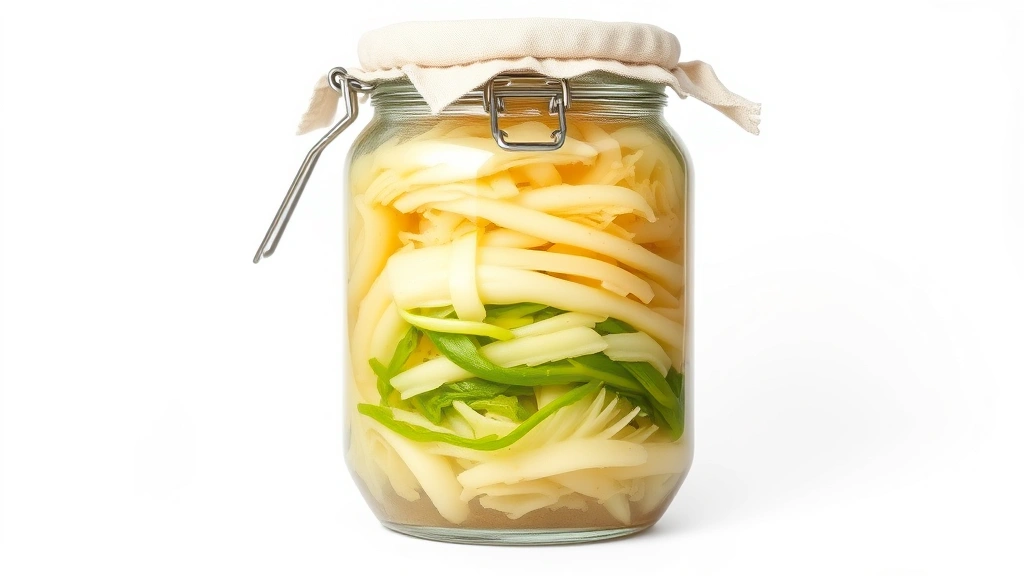
- Large glass jar (quart-sized minimum) or fermentation crock
- Fermentation weights or glass cabbage pounder
- Breathable cloth or coffee filter for jar covering
- Rubber band or jar ring
- Kitchen scale for accurate salt measurement
- Small bowl for initial mixing
Investing in a proper fermentation crock eliminates many common problems, but glass jars work perfectly for beginners. Avoid metal containers, as salt can react with certain metals. Many experienced fermenters recommend consulting fermentation guides to understand the chemistry involved in creating optimal conditions.
Selecting Your Cabbage
Cabbage selection dramatically impacts your sauerkraut’s success. Choose heads that feel dense and heavy, indicating high water content. The outer leaves should be crisp and unblemished. Avoid cabbages with soft spots, yellowing, or signs of pest damage. Local farmers markets often offer superior quality compared to supermarket produce.
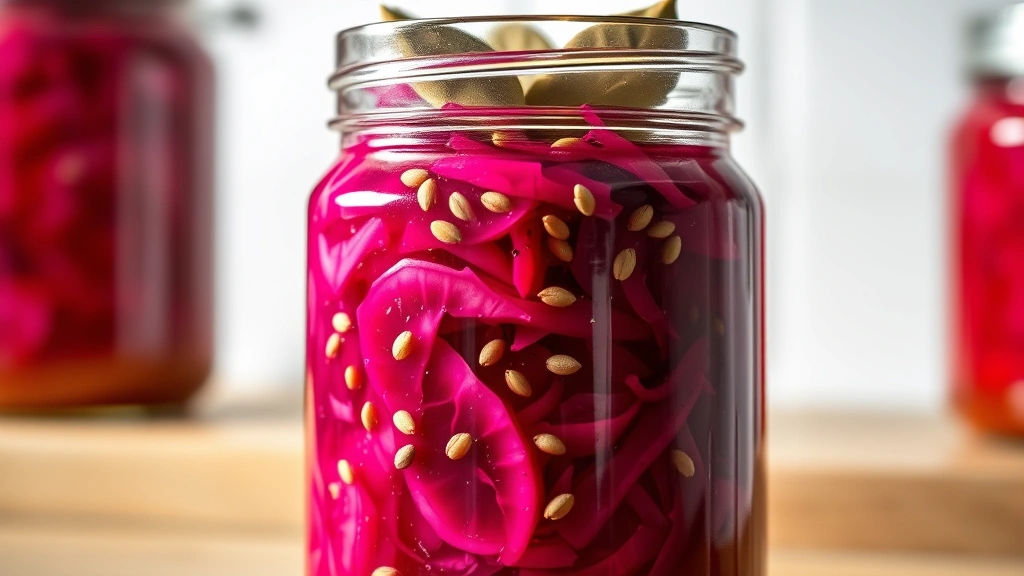
Green cabbage produces classic, mildly tangy sauerkraut with a crisp texture. It ferments reliably and develops complex flavors within 2-4 weeks. Red cabbage creates vibrant, slightly earthier sauerkraut with more pronounced sweetness. Napa cabbage offers delicate flavors and requires slightly different salt ratios.
Organic cabbage is preferable since you’re relying on natural bacteria present on the leaves. Conventional cabbage treated with pesticides may have reduced beneficial bacteria populations. Store your cabbage in cool conditions until you’re ready to ferment; temperature affects bacterial activity and fermentation speed.
Step-by-Step Fermentation Process
Step 1: Prepare Your Cabbage
Remove the outermost leaves and set aside—you’ll need these later. Rinse the cabbage under cool water and pat dry. Using a sharp knife or mandoline, slice the cabbage into thin ribbons, approximately 1/8-inch thick. Uniform sizing ensures even fermentation and consistent texture throughout your batch.
Step 2: Calculate Salt Amount
Weigh your sliced cabbage on your kitchen scale. Multiply the weight by 0.015 (for 1.5%) or 0.02 (for 2%) to determine salt amount. A 2-pound batch requires 0.5-1 ounce of salt. Use non-iodized sea salt or kosher salt; iodized salt can discolor your sauerkraut and interfere with fermentation.
Step 3: Salt and Massage
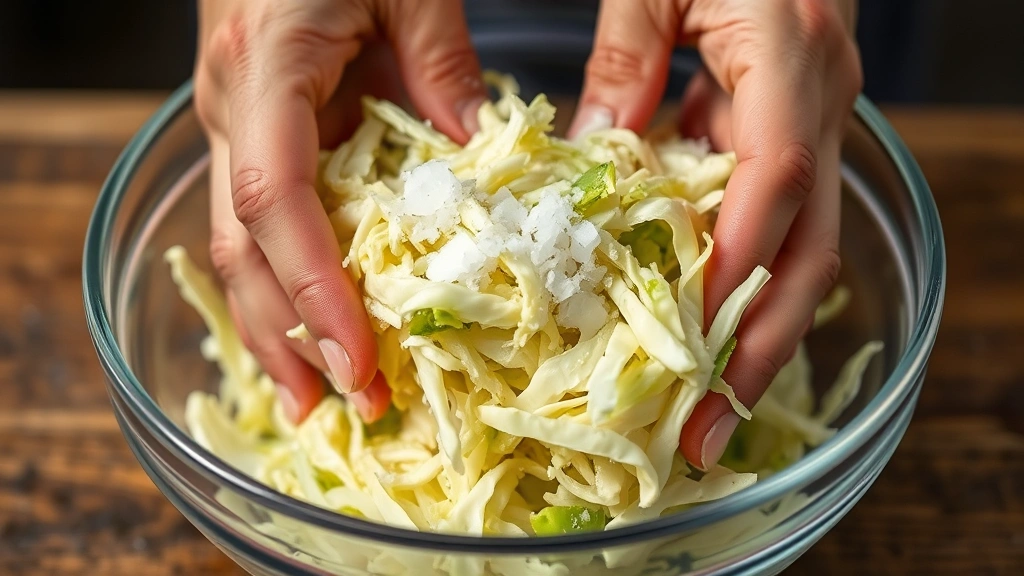
Place sliced cabbage in a large bowl and sprinkle salt evenly throughout. Using clean hands or a wooden spoon, massage the cabbage vigorously for 5-10 minutes. This breaks down cell walls and releases the cabbage’s natural juices, which become your fermentation brine. You’ll notice the cabbage transforms from crisp to wilted as liquid accumulates.
Step 4: Pack Your Jar
Transfer the salted cabbage and its released liquid into your clean glass jar. Pack it tightly, pressing down firmly with each handful. The brine should rise above the cabbage level. If insufficient liquid emerges after 15 minutes of sitting, prepare additional brine by dissolving 1-2 tablespoons salt in 1 cup filtered water and add just enough to submerge the cabbage.
Step 5: Weigh Down the Cabbage
This is crucial—keeping cabbage submerged prevents mold and surface contamination. Use fermentation weights, glass cabbage pounder, or even a small jar filled with water. Position one of those reserved outer cabbage leaves over the top, then place your weight. The leaf acts as a barrier between the weight and shredded cabbage.
Step 6: Cover Appropriately
Cover your jar with a breathable cloth, coffee filter, or cheesecloth secured with a rubber band. This allows carbon dioxide produced during fermentation to escape while preventing dust and insects from entering. Never seal the jar tightly during active fermentation, as pressure buildup could break the glass.
Fermentation Timeline and Monitoring
Temperature significantly influences fermentation speed. Room temperature (65-75°F) produces sauerkraut in 3-6 weeks. Warmer conditions accelerate fermentation—expect results in 1-2 weeks at 75-80°F. Cooler temperatures slow the process but often create more complex flavors. Avoid temperatures below 50°F, where fermentation virtually stops.
Week 1: Bubbles appear within 24-48 hours as bacteria begin consuming sugars. You’ll notice cloudy brine and a pleasant sour smell. This is normal and indicates successful fermentation. Taste a small spoonful—it should taste salty but show developing tang.
Week 2-3: Fermentation activity peaks. Bubbles rise vigorously, sometimes creating a foam on the surface. This kaolin-like substance is harmless yeast and can be skimmed off if desired. The sauerkraut develops increasingly complex, tangy flavors. Check that cabbage remains submerged daily.
Week 4+: Fermentation slows considerably. Bubbling decreases, and the brine becomes clearer. Taste regularly to determine your preferred fermentation level. Some prefer milder sauerkraut at 2-3 weeks; others favor deeper complexity at 6-8 weeks. There’s no right answer—it’s personal preference.
Monitor for white film (kahm yeast) on the surface—it’s harmless but can impart off-flavors if left too long. Simply skim it away. If you notice fuzzy mold or pink discoloration, something went wrong; discard the batch. Proper submersion prevents these issues almost entirely.
Flavor Variations and Additions
Once you master basic sauerkraut, experimenting with additions elevates your creations. Add flavoring ingredients after the initial 24 hours of fermentation to prevent interfering with the established bacterial culture. Consider these combinations:
Classic additions:
- Caraway seeds (1 tablespoon per jar)—traditional German flavor
- Juniper berries (4-6 berries)—piney, complex notes
- Bay leaves (1-2)—subtle aromatic quality
- Whole black peppercorns (1 teaspoon)—gentle heat
- Fresh dill (2-3 tablespoons)—bright, herbaceous character
Bold flavor combinations:
- Turmeric and ginger—warming spices with anti-inflammatory properties
- Red pepper flakes and garlic—spicy kick perfect for meat dishes
- Apple and cinnamon—subtle sweetness with warming spice
- Beet and horseradish—earthy, pungent combination
- Fennel and orange zest—licorice notes with citrus brightness
You can also ferment mixed vegetable batches—try combining cabbage with carrots, daikon radish, or Brussels sprouts. Maintain the same salt percentage based on total vegetable weight. Fermentation science remains consistent regardless of additions; the lactobacillus adapts to diverse substrates beautifully.
Storage and Shelf Life
Once your sauerkraut reaches desired fermentation level, transfer it to clean jars and refrigerate. Cold temperatures dramatically slow fermentation, essentially pausing the process. Properly fermented and stored sauerkraut lasts 4-6 months in the refrigerator, though it often remains safe much longer.
The acidic environment created by fermentation acts as a natural preservative. Over time, sauerkraut may develop softer texture and increasingly intense flavor—these changes are normal and don’t indicate spoilage. Some fermenters enjoy sauerkraut aged for a year or more.
For longer storage, many preserve sauerkraut through water-bath canning, though this kills the beneficial probiotics. If you prioritize probiotic benefits, refrigeration is superior. Serve sauerkraut straight from the jar as a condiment, incorporate it into seasonal dishes, or use it to top breakfast items for added nutrition.
Troubleshooting Common Issues
Issue: Sauerkraut tastes too salty
This typically indicates insufficient fermentation time. The salt concentration remains high when bacteria haven’t fully converted sugars to lactic acid. Continue fermenting for additional weeks, or rinse finished sauerkraut briefly before serving. Future batches benefit from slightly lower salt (1.5% instead of 2%), though this requires careful monitoring for mold.
Issue: Mushy texture develops
Prolonged fermentation at warm temperatures breaks down cell walls excessively. Ferment at cooler temperatures (60-65°F) and taste more frequently to catch your preferred texture before over-fermentation. Some softening is inevitable and normal; extreme mushiness suggests fermentation exceeded 8-10 weeks.
Issue: Cabbage floats above brine
Improper weighting allows air exposure. Ensure your weight keeps cabbage fully submerged. Check weights daily and add more brine if liquid evaporates. Submerged cabbage prevents surface mold and off-flavors from developing.
Issue: Pink or orange discoloration appears
This indicates unwanted bacterial growth or mold contamination. Discard the batch immediately. Prevent recurrence by ensuring complete submersion, using clean equipment, and maintaining appropriate salt levels. This issue almost never occurs with proper technique.
Issue: Unpleasant smell (not sour)
Sulfurous or rotten odors indicate spoilage. Discard immediately. Sauerkraut should smell pleasantly sour and fermented. Prevent this through careful sanitation, proper salt measurement, and temperature control. National Center for Home Food Preservation offers detailed guidance on fermentation safety.
FAQ
Can I use iodized table salt?
Avoid iodized salt; iodine inhibits lactobacillus growth and can discolor your sauerkraut. Use non-iodized sea salt, kosher salt, or pickling salt instead. The salt type significantly impacts fermentation success.
Do I need to add a starter culture?
No starter is necessary. Cabbage naturally carries lactobacillus on its surface. Starter cultures can accelerate fermentation but aren’t required for successful home sauerkraut. Traditional methods rely entirely on natural bacteria.
What if I see white foam on top?
This kaolin yeast is harmless and common. Skim it off if desired for cleaner appearance, or leave it—it won’t harm your sauerkraut. It indicates active fermentation and thriving microbial communities.
Can I ferment in plastic containers?
Glass is preferable, but food-grade plastic works if glass isn’t available. Avoid regular plastic, which can leach chemicals. Some plastics also absorb odors permanently. Glass remains the gold standard for fermentation.
How do I know when fermentation is complete?
There’s no absolute completion point—fermentation continues slowly indefinitely. Taste regularly and refrigerate when flavor suits your preference. Most people enjoy sauerkraut between 2-6 weeks, though longer fermentation develops deeper complexity.
Is homemade sauerkraut safe?
Properly fermented sauerkraut is extremely safe. The acidic environment (pH below 4.6) prevents pathogenic bacteria growth. Millions of people worldwide ferment vegetables safely using these methods. Follow proper salt ratios and keep cabbage submerged to ensure safety.
Can I use red cabbage exclusively?
Absolutely! Red cabbage ferments beautifully and produces stunning deep purple sauerkraut. Fermentation time and salt ratios remain identical to green cabbage. Red varieties may have slightly different flavor profiles—often earthier with subtle sweetness.
What temperature is ideal for fermentation?
Room temperature (65-75°F) is perfect for balanced fermentation. Cooler temperatures (55-65°F) slow fermentation but often produce more complex flavors. Avoid temperatures above 80°F unless you prefer faster fermentation with potentially less developed taste profiles.


