Remoulade Sauce Recipe: Chef’s Secret Unveiled!
Remoulade sauce is one of those culinary gems that transforms ordinary dishes into restaurant-quality creations. This tangy, herbaceous condiment has been a staple in French and Creole cuisine for centuries, and once you master it, you’ll find yourself drizzling it over everything from crispy fried seafood to grilled vegetables. The beauty of remoulade lies in its versatility and the way it elevates simple ingredients into something truly special.
What makes remoulade so magical? It’s the perfect balance of creamy richness, sharp acidity, and bold flavors from mustard, capers, and fresh herbs. Whether you’re preparing easy dinner recipes for beginners or impressing guests at a dinner party, this sauce belongs in your culinary arsenal. The best part? You can make authentic remoulade sauce in your own kitchen with just a handful of pantry staples and fresh ingredients.
In this comprehensive guide, I’m sharing the chef’s secrets that make remoulade truly exceptional. From understanding the flavor profile to mastering the technique, you’ll learn everything you need to create this classic sauce that rivals any professional kitchen version.
What is Remoulade Sauce?
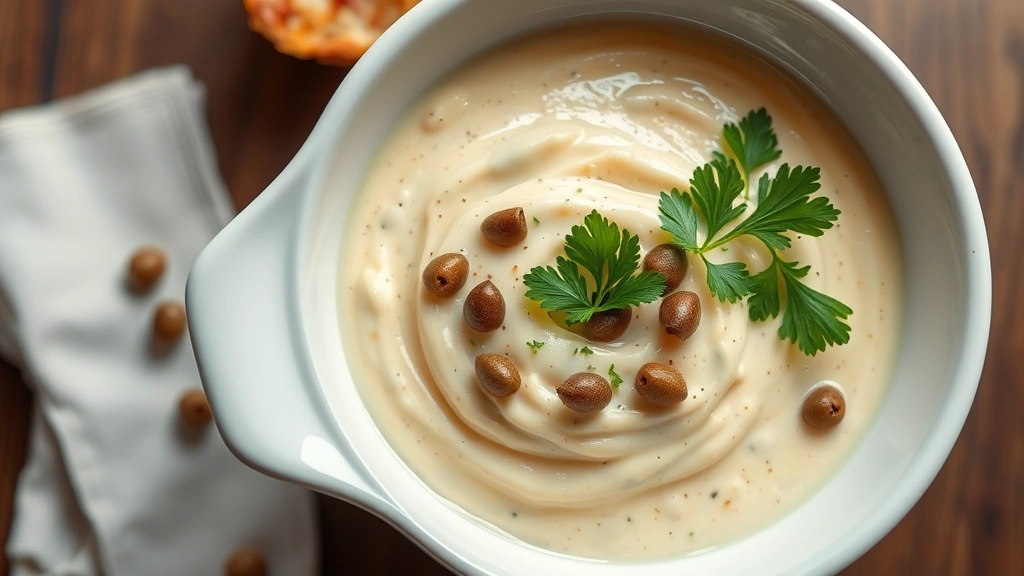
Remoulade is a thick, creamy sauce that falls somewhere between mayonnaise and a relish. At its core, remoulade combines a mayonnaise base with tangy elements like vinegar and mustard, then gets enhanced with pickled ingredients and fresh herbs. The result is a sauce with complex flavors that’s simultaneously rich and bright, making it incredibly versatile in the kitchen.
The texture should be smooth and spreadable, similar to a thick aioli or special sauce. When you taste authentic remoulade, you’ll notice layers of flavor: the initial creaminess, followed by the sharp bite of mustard, the briny notes from capers and pickles, and a finish of fresh herbal brightness. This complexity is what separates mediocre remoulade from exceptional versions that make people ask for your secret recipe.
Unlike tartar sauce, which is chunkier and more relish-like, remoulade maintains a creamy consistency while still delivering those pickled, briny flavors. It’s thicker than most vinaigrettes but lighter than traditional hollandaise. The sauce works beautifully as a dip, spread, or finishing condiment.
Origins and History
Remoulade has fascinating roots that span multiple culinary traditions. The sauce originated in France, where it was traditionally served with crudités and cold meats. French remoulade typically features a more refined approach, often incorporating anchovy paste and a lighter hand with the pickled ingredients.
However, the version most Americans know and love comes from Creole cuisine, particularly from New Orleans. The Creole interpretation is bolder and more assertive, with generous amounts of pickled vegetables, mustard, and hot sauce creating a sauce that demands attention. This regional variation became iconic when paired with fried seafood, especially shrimp and oysters.
The sauce traveled along trade routes and adapted to local ingredients and tastes. In some European regions, you’ll find versions that lean more heavily on anchovy and capers, while in the American South, the sauce became a celebration of bold, spicy flavors. Understanding these traditions helps you appreciate why remoulade has become such a beloved condiment across cuisines.
Ingredients and Their Purpose
Creating exceptional remoulade starts with understanding what each ingredient contributes. Let’s break down the essential components that make this sauce work:
Mayonnaise Base: This is your foundation, providing richness and helping emulsify all the other ingredients. Use quality mayonnaise—it makes a noticeable difference. If you’re making mayo from scratch, that’s even better, though store-bought works perfectly fine for most applications.
Mustard: Dijon mustard adds sharp, tangy notes and helps stabilize the emulsion. Some recipes use whole grain mustard for texture and visual interest. The mustard is crucial for that distinctive remoulade bite.
Pickled Elements: Capers, cornichons, and dill pickle relish provide briny, acidic notes that brighten the sauce. These pickled ingredients are what transform simple mayo into something special. Don’t skip them—they’re essential to authentic flavor.
Fresh Herbs: Parsley, chives, and tarragon add fresh, herbaceous notes. Fresh herbs are non-negotiable; dried herbs won’t provide the same vibrant flavor. If using tarragon, be conservative as it has a strong anise-like flavor.
Vinegar: A splash of vinegar (usually red wine or white wine vinegar) adds acidity and helps balance the richness of the mayo. This ingredient ties everything together.
Seasonings: Salt, pepper, paprika, and sometimes cayenne pepper round out the flavor profile. These should be added gradually so you can taste as you go.
Basic Remoulade Recipe
Now let’s create authentic remoulade sauce that rivals restaurant versions. This recipe yields about 1.5 cups of sauce, perfect for serving 4-6 people or storing for multiple uses.
Ingredients:
- 1 cup quality mayonnaise
- 2 tablespoons Dijon mustard
- 1 tablespoon whole grain mustard
- 2 tablespoons finely minced capers
- 3 tablespoons finely minced cornichons or dill pickle
- 2 tablespoons fresh parsley, finely chopped
- 1 tablespoon fresh chives, finely chopped
- 1 teaspoon fresh tarragon, finely chopped (optional but recommended)
- 1 tablespoon red wine vinegar
- 1 teaspoon paprika
- 1/2 teaspoon cayenne pepper (adjust to taste)
- Juice of half a lemon
- Salt and black pepper to taste
- Optional: 1 teaspoon anchovy paste for deeper flavor
Instructions:
- Start with your base: Place mayonnaise in a medium mixing bowl. This is your foundation, so make sure you’re using quality mayo that you enjoy eating on its own.
- Add mustards: Whisk in both Dijon and whole grain mustards until fully incorporated. The combination of both types creates complexity—Dijon for sharp tang, whole grain for texture.
- Prepare pickled ingredients: Finely mince your capers and cornichons. This is important—you want them small enough to distribute evenly but still visible. Pat them dry with paper towels to prevent excess liquid from thinning your sauce.
- Combine pickled elements: Fold the minced capers and cornichons into the mayo mixture. These ingredients are flavor powerhouses, so don’t be shy with quantities.
- Add fresh herbs: Chop your fresh parsley, chives, and tarragon very finely. Add them to the mixture and gently fold to combine. Fresh herbs should be added last to preserve their color and flavor.
- Balance with acid: Add red wine vinegar and lemon juice. Start with these amounts, then adjust based on your taste preferences. The sauce should have a noticeable tang without being overwhelmingly sour.
- Season carefully: Add paprika and cayenne pepper. If you’re using anchovy paste, add it now. Start with smaller amounts of cayenne and add more if you prefer extra heat.
- Taste and adjust: This is crucial. Taste your sauce and adjust seasonings. Does it need more tang? Add a touch more vinegar. Too spicy? Balance with a bit more mayo. Season with salt and black pepper to taste.
- Chill: Transfer to a serving bowl or storage container and refrigerate for at least 30 minutes before serving. Chilling allows flavors to meld and develop.
Popular Variations
One of the wonderful things about remoulade is its adaptability. Different regions and cuisines have developed their own interpretations:
Classic French Remoulade: This version emphasizes refinement with more anchovy, less spice, and a focus on capers and gherkins. It’s typically served with crudités or cold meats. The herbs are more subtle, allowing the anchovy and capers to shine.
Creole New Orleans Style: This bold interpretation includes hot sauce, more cayenne pepper, and sometimes additional pickled vegetables. It’s the version you’ll find at seafood shacks and is perfect for best healthy food recipes featuring fried seafood. The heat and spice are prominent features.
Green Goddess Remoulade: This herbaceous variation increases fresh herbs significantly, sometimes adding spinach or basil for a vibrant green color. It’s lighter and more garden-fresh than traditional versions, perfect for spring and summer entertaining.
Spicy Remoulade: For those who love heat, increase cayenne pepper, add sriracha or hot sauce, and incorporate jalapeño for fresh spiciness alongside the heat. This version works wonderfully with grilled meats and vegetables.
Seafood-Specific Remoulade: Some chefs add finely minced hard-boiled egg yolk for richness and texture. This version has historical roots and adds another layer of complexity. It pairs beautifully with shrimp and oysters.
When experimenting with variations, remember that the core elements—mayo, mustard, and pickled ingredients—should remain consistent. Play with proportions and additions, but maintain that balance of creamy, tangy, and briny.
Storage and Make-Ahead Tips
One of remoulade’s best qualities is how well it stores. Proper storage means you can make a batch ahead and enjoy it throughout the week:
Refrigerator Storage: Remoulade keeps perfectly in an airtight container in your refrigerator for up to one week. The flavors actually improve after a day or two as ingredients meld together. Always store with a tight-fitting lid to prevent it from absorbing other refrigerator odors.
Make-Ahead Strategy: Prepare remoulade up to three days in advance. This is ideal for entertaining since you can focus on other dishes closer to serving time. Make it when you have a few minutes, and it’ll be ready when you need it.
Freezing Considerations: While technically remoulade can be frozen, the texture may change slightly due to the mayo base. If you must freeze, do so in ice cube trays for portion control, then transfer to freezer bags. Thaw in the refrigerator and give it a good stir before using. Most home cooks find fresh remoulade superior to frozen versions.
Consistency Tips: If your remoulade becomes too thick after refrigeration, thin it with a splash of lemon juice or vinegar. If it’s too thin, whisk in a bit more mayo. The consistency can be adjusted based on how you plan to use it.
Transport Friendly: When taking remoulade to gatherings or events, pack it in a container with a tight seal. It travels well and actually benefits from time to develop flavors.
Serving Suggestions
Remoulade is incredibly versatile. Here are the best ways to use this chef’s secret weapon:
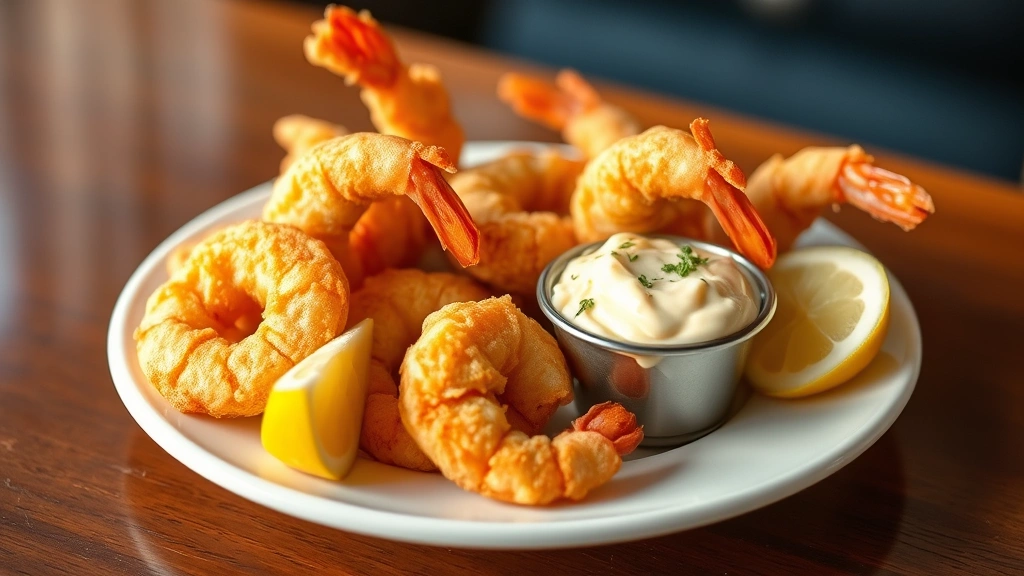
With Fried Seafood: This is the classic pairing. Serve remoulade alongside fried shrimp, oysters, calamari, or fish. The bright, tangy sauce cuts through the richness of fried foods beautifully. This is also perfect for comfort food recipes that need an upgrade.
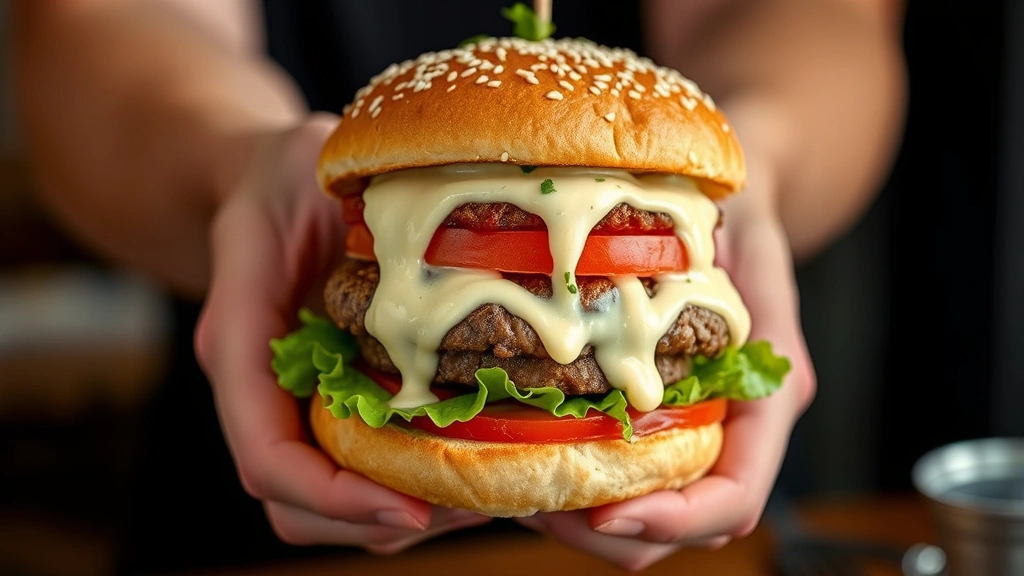
Burger and Sandwich Topping: Use remoulade as your special sauce on burgers, fish sandwiches, or po’boys. It’s more interesting than standard mayo and adds significant flavor dimension. The pickled elements work particularly well with beef and fish.
Vegetable Dip: Serve remoulade with raw vegetables for an elegant appetizer. The sauce’s complexity makes simple crudités feel special and restaurant-quality. This works wonderfully for entertaining.
Grilled Meat and Fish Accompaniment: Spoon remoulade over grilled salmon, chicken, or steak. The brightness of the sauce complements the char and smokiness of grilled items. This pairing elevates simple grilled proteins.
Potato Dish Topper: Use remoulade with baked potatoes, roasted potatoes, or French fries. The sauce adds significant flavor and sophistication to simple starches. Consider this for quick and easy pasta recipes or side dishes.
Salad Dressing Base: Thin remoulade with a bit of vinegar and oil to create a unique salad dressing. It works especially well with seafood salads or composed salads featuring cold proteins.
Deviled Egg Filling: Mix remoulade into your deviled egg filling for a Creole twist. The herbs and pickled elements add interesting flavor notes to this classic appetizer.
Egg and Breakfast Dishes: Spoon remoulade over fried or poached eggs for breakfast or brunch. It’s also excellent with omelets. Check out quick breakfast recipes for more morning inspiration.
Composed Plate Element: Use remoulade as one element in composed plates, particularly those featuring seafood or vegetables. A small spoonful adds visual appeal and flavor complexity.
Dipping Sauce for Appetizers: Serve remoulade alongside shrimp cocktail, crab cakes, or fried vegetables. It’s more interesting than cocktail sauce and shows you’ve put thought into your entertaining.
FAQ
Can I make remoulade without mayonnaise?
Traditional remoulade relies on mayonnaise for its signature creamy texture and richness. However, you can create alternatives using Greek yogurt or sour cream as a base, though the flavor profile will change. These substitutions work for dietary restrictions but won’t taste exactly like classic remoulade. For the most authentic version, use quality mayonnaise.
What’s the difference between remoulade and tartar sauce?
Tartar sauce is typically chunkier with visible pickle relish and a more pronounced relish texture. Remoulade is smoother and creamier while still maintaining those pickled flavors. Tartar sauce tends to be less herbaceous, while remoulade emphasizes fresh herbs. Both are excellent condiments, but they’re distinct sauces with different textures and flavor profiles.
How spicy should remoulade be?
This depends on personal preference and regional tradition. Classic French remoulade is mild with just a whisper of heat. Creole versions can be quite spicy. Start with the cayenne amount in the basic recipe and adjust upward if you prefer more heat. You can always add more spice, but you can’t remove it, so start conservative.
Can I use dried herbs instead of fresh?
Fresh herbs are strongly preferred because they provide bright, vibrant flavors essential to remoulade. Dried herbs become dusty and lose much of their character. If fresh herbs are unavailable, use about one-third the amount of dried herbs, but understand the sauce won’t be quite the same. Plan ahead to ensure you have fresh herbs on hand.
How long does remoulade last in the refrigerator?
Properly stored remoulade keeps for up to one week in an airtight container. The flavors actually improve for the first few days as ingredients meld. After a week, the fresh herbs begin to lose their brightness and the overall quality declines. For best results, use within 5-6 days.
Can I make remoulade in a food processor?
Yes, absolutely. A food processor makes quick work of mincing the pickled ingredients and herbs. However, be careful not to over-process, which can make the sauce too smooth and lose the pleasant texture of small visible pieces. Pulse gently and check frequently. You want small pieces, not a completely smooth paste.
What if my remoulade is too thin?
If your sauce is thinner than desired, whisk in additional mayonnaise a tablespoon at a time until you reach the right consistency. Sometimes excess moisture from the pickled ingredients causes thinning. Pat those ingredients dry before adding them to prevent this issue in future batches.
Is remoulade the same as aioli?
No, though they’re related. Aioli is typically garlic-forward mayo, while remoulade is mayo-based but emphasizes pickled ingredients, mustard, and herbs instead of garlic. Both are creamy condiments, but remoulade has a distinctly different flavor profile focused on briny, tangy notes rather than garlic.
Can I prepare remoulade without capers?
Capers are traditional and contribute distinctive briny flavor, but if you can’t find them or dislike them, increase the amount of cornichons or dill pickle. You’ll lose some of the authentic flavor, but the sauce will still be delicious. Capers are worth seeking out though—they’re widely available and really do make a difference.
What’s the best way to serve remoulade?
Serve remoulade in a small bowl or ramekin alongside your main dish, or spread it directly on sandwiches and burgers. For entertaining, spoon a small amount onto the plate as a garnish element. Room temperature remoulade is typically preferred, though it can be served chilled directly from the refrigerator. Allow it to sit out for a few minutes if you prefer a softer, more spreadable consistency.


