How to Make Strawberry Sauce: Chef’s Secret Recipe
Strawberry sauce is one of the most versatile condiments in any chef’s arsenal, transforming simple desserts into restaurant-quality creations with minimal effort. Whether you’re drizzling it over chicken and noodles, spooning it onto pancakes, or swirling it into cheesecake, this vibrant ruby sauce brings brightness and natural sweetness to any plate. The secret to professional-grade strawberry sauce lies not in complicated techniques, but in understanding how to balance fruit integrity with proper cooking methods, the right sweetener ratios, and knowing when to stop before over-reducing your precious berries into jam.
What makes this recipe special is its simplicity combined with insider knowledge that separates homemade sauce from the canned variety. Fresh strawberries contain natural pectin and acids that create the perfect texture without requiring cornstarch or gelatin. The key is respecting the fruit itself—selecting ripe berries, cooking at the proper temperature, and timing your reduction perfectly. I’ve spent years perfecting this technique, and I’m excited to share the exact method that professional pastry chefs use in upscale kitchens worldwide.
Selecting and Preparing Your Strawberries
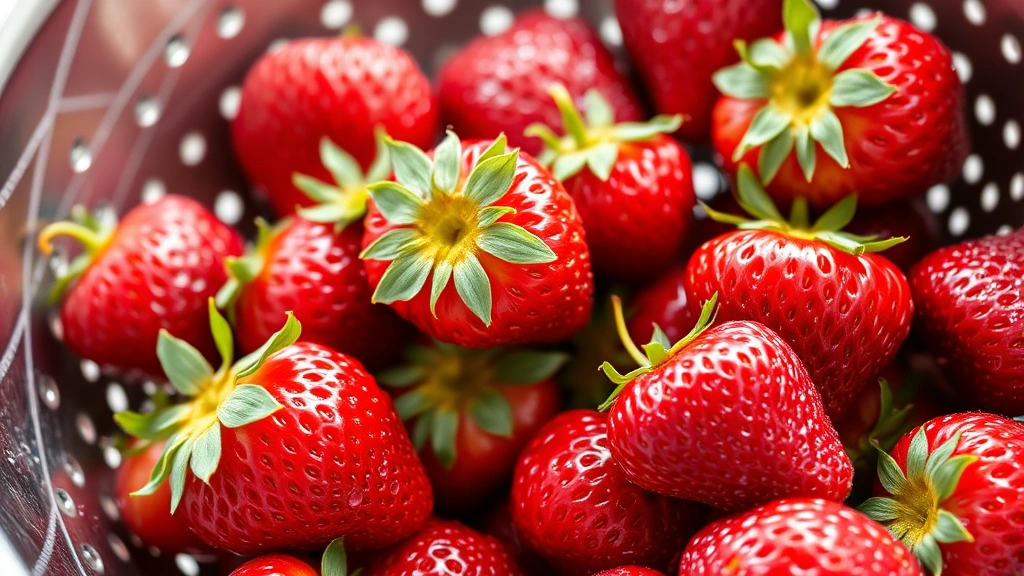
The foundation of exceptional strawberry sauce begins at the market. You want berries that are uniformly red throughout, with no white or pale patches indicating underripeness. Ripe strawberries should have a sweet aroma when you smell them near the stem—this is your first indicator of flavor quality. Avoid berries with soft spots, mold, or that mushy feeling when gently squeezed. Choose medium to large berries, as they typically have more developed flavor than tiny ones, though size isn’t as critical as ripeness.
For this recipe, you’ll need about two pounds of fresh strawberries to yield approximately one and a half cups of finished sauce. Rinse them gently under cool water just before using, then pat dry with paper towels. This step is crucial—excess moisture will extend your cooking time and dilute the concentrated strawberry flavor you’re working to develop. Remove the green tops and white cores by using a small paring knife or a strawberry huller, cutting at a slight angle to remove the maximum amount of fruit while discarding the minimal amount of flesh.
If strawberries aren’t in season where you live, frozen strawberries work beautifully and often contain more flavor than out-of-season fresh berries that have traveled long distances. Thaw frozen berries completely and drain any excess liquid before cooking. Some chefs prefer frozen berries specifically because their natural juices concentrate during freezing, creating a more intensely flavored sauce. This is a professional secret many don’t discuss openly, but it’s absolutely valid and sometimes superior to using mediocre fresh berries.
Essential Ingredients and Equipment
Creating authentic strawberry sauce requires surprisingly few ingredients. Beyond your two pounds of prepared strawberries, gather these essentials: granulated white sugar (you’ll need about three-quarters cup), fresh lemon juice (approximately two tablespoons), and optionally, a vanilla bean or extract for depth. Some chefs add a pinch of sea salt to enhance the strawberry flavor through contrast. That’s genuinely it—no cornstarch, no gelatin, no unnecessary thickeners. The natural pectin in strawberries provides all the body you need.
For equipment, invest in a heavy-bottomed stainless steel saucepan, preferably between two and three quarts in capacity. Avoid aluminum, which can react with the fruit’s acidity and discolor your sauce. You’ll also need a wooden spoon for stirring, a fine-mesh strainer for optional straining to remove seeds, and a kitchen thermometer if you want to monitor temperature precisely. While not absolutely necessary, a thermometer takes the guesswork out of achieving the perfect consistency, reaching what’s called the “soft-ball stage” at approximately 235°F.
Have a clean glass jar ready for storage, and if you’re canning your sauce for long-term preservation, gather sterilized jars, lids, and a water bath canner. For immediate use, any airtight container works perfectly. The beauty of this recipe is its flexibility—you can make small batches for immediate consumption or larger batches for preserving, without changing the fundamental technique.
Step-by-Step Cooking Method
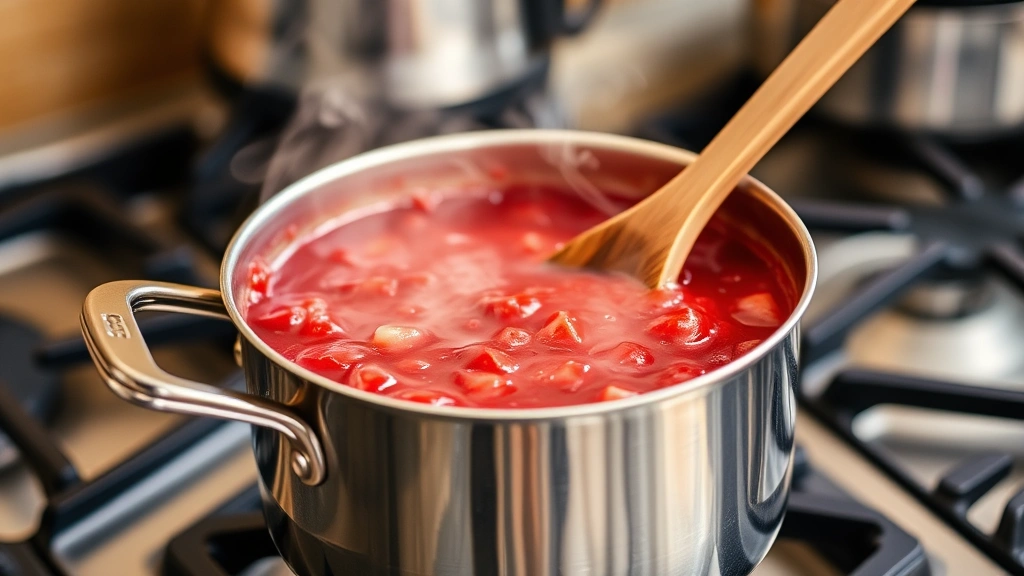
Begin by hulling and halving your strawberries, placing them directly into your heavy-bottomed saucepan. The halving step is important because it exposes more surface area, allowing the berries to release their juices faster and cook more evenly. Add your three-quarters cup of granulated sugar directly to the strawberries without any liquid initially. Let this mixture sit at room temperature for fifteen to twenty minutes, allowing the sugar to draw out the natural juices through osmosis. This creates a syrup naturally without adding water, concentrating the strawberry flavor from the very beginning.
After the resting period, place your saucepan over medium-high heat. Stir gently and occasionally as the mixture heats, watching for the moment when it begins to boil. Once it reaches a rolling boil, add your two tablespoons of fresh lemon juice. The acid serves multiple purposes: it brightens the strawberry flavor, helps preserve the vibrant color, and prevents the sugar from crystallizing. Reduce heat to medium, maintaining a gentle but steady boil. This is where patience becomes your greatest asset.
Now comes the critical phase that separates professional sauce from amateur attempts. You’re looking for what’s called the “soft-ball stage,” where a small amount of sauce dropped into ice water forms a soft, pliable ball. Using a thermometer, this registers at approximately 235°F. Without a thermometer, the traditional test involves dropping a small spoonful onto a cold plate and tilting it—the sauce should flow slowly but not run. This typically takes twenty-five to forty minutes depending on your heat level and the water content of your berries.
Throughout cooking, skim off any foam that rises to the surface using a spoon. This foam is harmless but creates a less refined appearance in your finished sauce. Stir occasionally but not constantly—excessive stirring can break down the fruit too much and create a grainy texture rather than the silky consistency you’re after. As the sauce reduces, you’ll notice the color deepening from bright red to a richer burgundy, and the mixture will become noticeably thicker.
Once you’ve reached the soft-ball stage, remove from heat immediately. The sauce will continue to thicken slightly as it cools, so don’t overreduce or you’ll end up with something closer to jam than sauce. If using vanilla, add one teaspoon of vanilla extract or the seeds from half a vanilla bean at this point, stirring gently to incorporate. Let the sauce cool for at least thirty minutes before transferring to storage containers. This cooling period allows the pectin to fully set, giving you that perfect pourable-but-thick consistency.
Flavor Variations and Enhancements
The basic strawberry sauce recipe is wonderful on its own, but professional chefs often customize it based on intended applications. For desserts, try adding a tablespoon of balsamic vinegar during the last minute of cooking—the complexity rounds out the sweetness beautifully. If you’re serving sauce with rice bowl recipes, a teaspoon of fresh ginger juice adds an unexpected dimension. For chocolate pairings, incorporate a quarter teaspoon of black pepper or a pinch of cayenne to enhance the berry’s natural depth.
Some culinary traditions call for alcohol additions. A tablespoon of Grand Marnier or Cointreau adds sophisticated orange notes, while chambord brings earthy undertones perfect for pairing with wine. Bourbon or whiskey contributes warmth and complexity. Add these during the last two minutes of cooking so the alcohol partially evaporates but its flavor compounds remain. If you’re making sauce for bang bang sauce inspired applications or savory contexts, reduce sugar to half a cup and add a quarter teaspoon of white pepper and a pinch of smoked paprika.
Fresh mint leaves torn and stirred in after cooling create a fresh, garden-like quality. Cardamom pods (two or three, crushed) added during cooking impart an exotic warmth appreciated in Scandinavian and Middle Eastern desserts. Rose water—just one-quarter teaspoon—transforms your sauce into something reminiscent of Persian sweets. Lavender buds (one teaspoon, tied in cheesecloth and removed before serving) offer subtle floral notes that appeal to adventurous palates.
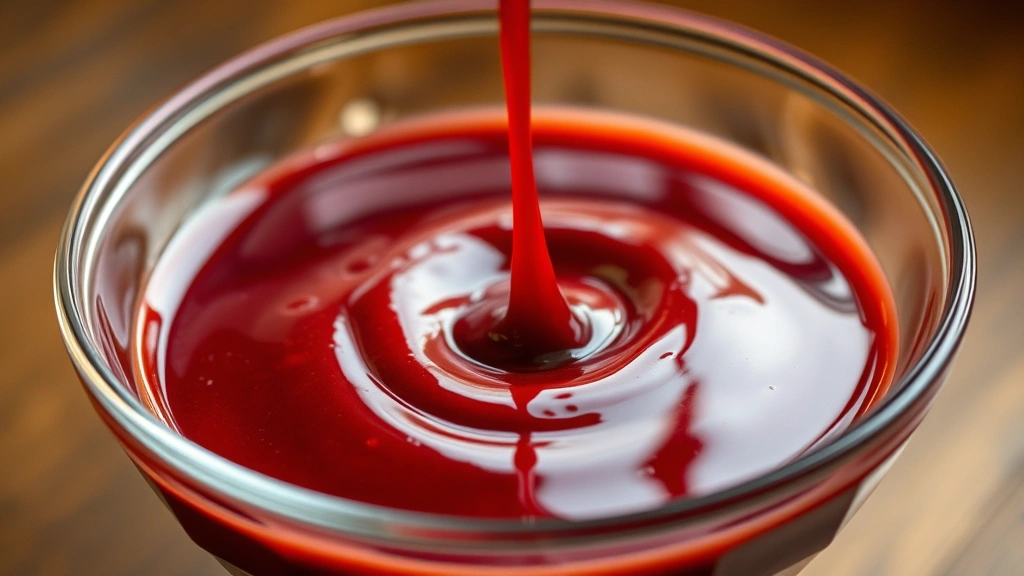
For a thicker, more jam-like consistency, continue cooking to the soft-crack stage at 270°F. For a thinner, more pourable sauce suitable for drizzling, stop at 220°F instead. Some chefs strain their finished sauce through fine mesh to remove seeds for a smoother texture, while others prefer the rustic appearance of whole seed particles. Both approaches are equally valid—it’s purely a matter of aesthetic preference and intended presentation.
Storage and Make-Ahead Tips
Properly stored strawberry sauce maintains its quality for several weeks in the refrigerator. Pour your cooled sauce into glass containers with airtight lids, leaving about half an inch of headspace. Store in the coldest part of your refrigerator, typically the back of a shelf away from the door. It will keep for up to three weeks, though the flavor and color are most vibrant during the first two weeks. If you notice any mold developing on the surface, discard the entire batch rather than attempting to remove it.
For longer storage, freezing is your best option. Pour cooled sauce into freezer-safe containers or even ice cube trays for portioned storage. Frozen strawberry sauce maintains quality for up to eight months. Thaw overnight in the refrigerator before using, as this gentle thawing prevents separation. If separation occurs, simply stir to recombine. For canning and shelf-stable storage, follow proper water-bath canning procedures by adding your hot sauce to sterilized jars, leaving quarter-inch headspace, and processing in boiling water for ten minutes.
Make-ahead preparation streamlines your cooking process significantly. You can prepare strawberries the night before by hulling and halving them, storing them in an airtight container in the refrigerator. However, avoid mixing berries with sugar until you’re ready to cook, as this begins the breakdown process and extends cooking time. Some chefs make large batches during peak strawberry season (May through July in most regions) and preserve them for enjoying year-round. This approach ensures you have restaurant-quality sauce available whenever inspiration strikes.
Pairing Your Sauce with Dishes
Strawberry sauce’s versatility extends far beyond obvious dessert applications. The classic pairing with vanilla ice cream remains unmatched, but consider spooning it over ground beef and rice recipes prepared with Asian-inspired glazes—the fruit’s acidity cuts through rich meat beautifully. Cheesecake, panna cotta, crème brûlée, and pavlova all benefit from strawberry sauce’s bright, sophisticated finish. Spread it between cake layers, swirl it into whipped cream, or use it as a base for strawberry shortcake.
Less traditional pairings showcase this sauce’s hidden potential. Drizzle warm sauce over roasted duck breast where the fruit’s natural tartness complements the rich, gamey meat. Spoon it over recipes with shredded chicken prepared with subtle spices, creating a sweet-savory balance that surprises and delights. Some innovative chefs serve it alongside pâté and charcuterie boards, where the sauce’s brightness provides necessary contrast to cured meats’ saltiness.
Breakfast applications are equally exciting. Pour it over pancakes, waffles, or crepes for an elevated morning experience. Swirl it into yogurt parfaits with granola and whipped cream. Drizzle it over French toast alongside crispy bacon. For a sophisticated brunch, serve it with almond cake or polenta cake. The sauce also works beautifully in beverages—stir it into sparkling water for a refreshing cordial, layer it in cocktails, or mix it into champagne for a festive strawberry cocktail that impresses without requiring advanced mixology skills.
Storage in squeeze bottles makes plating elegant and controlled. Use it for decorative plate designs at dinner parties, creating swooshes and dots that look professionally executed. For casual family meals, simply pour it generously over desserts without worrying about presentation—the flavor speaks for itself regardless of visual sophistication.
FAQ
Can I use frozen strawberries for this recipe?
Absolutely. Frozen strawberries often contain more concentrated flavor than out-of-season fresh berries. Thaw them completely and drain excess liquid before cooking. The cooking time may be slightly shorter since the berries are already partially broken down from freezing. Many professional chefs prefer frozen berries specifically for sauce making.
Why is my sauce too thin?
Your sauce likely didn’t reach the soft-ball stage (235°F). Continue cooking until it reaches this temperature. Remember that sauce thickens further as it cools, so don’t judge consistency while hot. If it’s still too thin after cooling, reheat and cook longer. Alternatively, you didn’t cook long enough—the sauce needs sufficient time to evaporate water and concentrate flavor and body.
Why did my sauce turn brown instead of staying bright red?
Overcooking causes this discoloration. Reduce your cooking time and monitor temperature more carefully. Ensure you’re adding lemon juice, which preserves color through its acidity. Some color darkening is natural and doesn’t affect flavor, but significant browning indicates prolonged high heat.
Can I add cornstarch or gelatin to thicken my sauce?
You can, though it’s unnecessary and changes the sauce’s character. Natural strawberry pectin provides excellent body without additives. If you do add cornstarch, dissolve one tablespoon in two tablespoons cold water, then stir into your sauce during the last minute of cooking. This creates a more gel-like consistency but produces a less silky texture than traditional reduction.
How much sugar should I really use?
The three-quarters cup per two pounds of berries is the classic ratio, but you can adjust based on berry sweetness and personal preference. If berries are very sweet, use half a cup. If tart, use a full cup. The sugar serves both as sweetener and as a preservative, so reducing it significantly may shorten shelf life.
What’s the difference between strawberry sauce and strawberry jam?
Sauce is thinner and pourable, reaching the soft-ball stage at 235°F, while jam is thicker and spreadable, reaching the soft-crack stage at 270°F. Sauce maintains more distinct fruit texture and flavor, while jam has a more uniform, gel-like consistency. Both use identical base ingredients but differ in cooking duration.
Can I make this sauce without sugar?
You can substitute honey, maple syrup, or agave nectar in equal amounts, though results vary slightly. These alternatives create different flavor profiles and may affect cooking time. Honey adds floral notes, maple adds earthiness, and agave is more neutral. Some chefs use stevia or monk fruit sweetener, though these don’t provide the same body and preservation benefits as sugar.
Is this sauce safe for canning?
Yes, with proper technique. The high sugar content and lemon juice create an acidic environment that prevents botulism. Follow standard water-bath canning procedures: use sterilized jars, leave quarter-inch headspace, and process ten minutes in boiling water. Store in a cool, dark place for up to one year.


