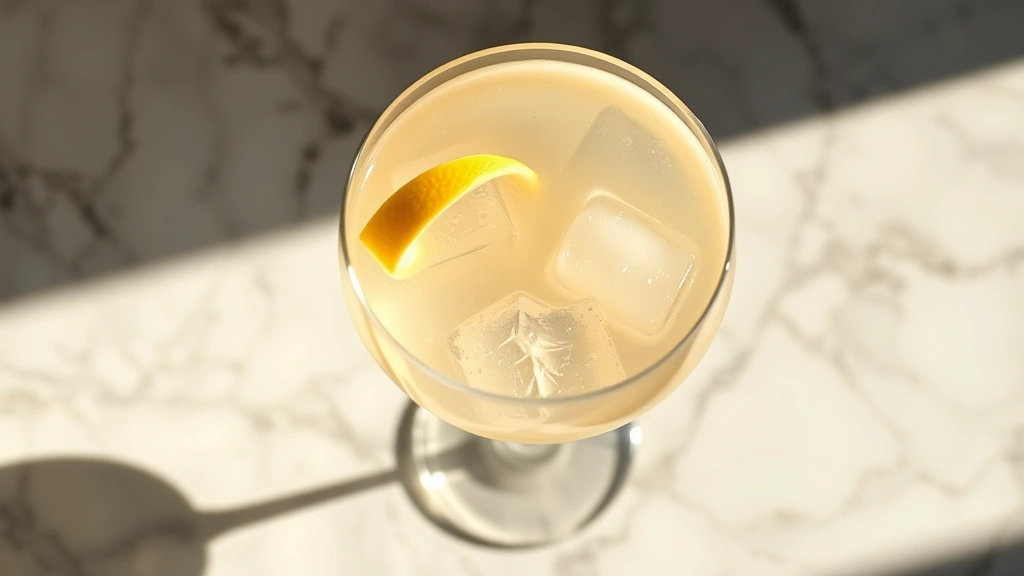
Transfusion Drink Recipe: Bartender’s Favorite
The Transfusion cocktail is a sophisticated and refreshing drink that has become a staple in upscale bars and lounges worldwide. This elegant beverage combines the crisp qualities of white wine with the botanical complexity of gin, balanced perfectly with fresh grape juice and a hint of ginger. Whether you’re hosting a dinner party, looking to impress guests at home, or simply want to master a classic cocktail, understanding how to craft the perfect Transfusion drink recipe will elevate your mixology skills and expand your entertaining repertoire.
What makes the Transfusion particularly special is its versatility and accessibility. Unlike many craft cocktails that require rare spirits or hard-to-find ingredients, this drink relies on quality basics that most home bartenders can source easily. The result is a beautifully balanced cocktail that appeals to both wine enthusiasts and gin lovers, making it an ideal choice for gatherings where guests have varied preferences. The subtle interplay between the wine’s fruitiness, gin’s herbaceous notes, and ginger’s spicy warmth creates a drinking experience that feels both luxurious and approachable.
What Is a Transfusion Drink?
The Transfusion is a relatively modern cocktail that emerged from the craft cocktail renaissance of the early 2000s. Despite its medical-sounding name, this drink has nothing to do with blood or hospitals—rather, the name suggests the infusion of fresh, vibrant flavors into a classic wine-based cocktail. The drink represents a perfect bridge between traditional wine service and contemporary mixology, offering drinkers something that feels both familiar and innovative.
This cocktail typically features a foundation of white wine, usually a crisp Sauvignon Blanc or Pinot Grigio, combined with gin for added complexity. The key distinguishing element is the inclusion of fresh white or green grape juice, which adds natural sweetness and body without requiring artificial syrups or liqueurs. A touch of fresh ginger adds a subtle spicy note that prevents the drink from becoming overly sweet. The result is a cocktail that’s dry, refreshing, and sophisticated—perfect for warm weather entertaining or as an aperitif before dinner.
Understanding the Transfusion’s place in the cocktail world helps you appreciate why bartenders love making it. It sits at the intersection of wine culture and cocktail culture, appealing to both demographics. The drink is straightforward enough for home bartenders to master quickly, yet sophisticated enough to impress even experienced cocktail enthusiasts. Its popularity has only grown as more people discover its elegant simplicity and refreshing character.
Essential Ingredients for the Perfect Recipe
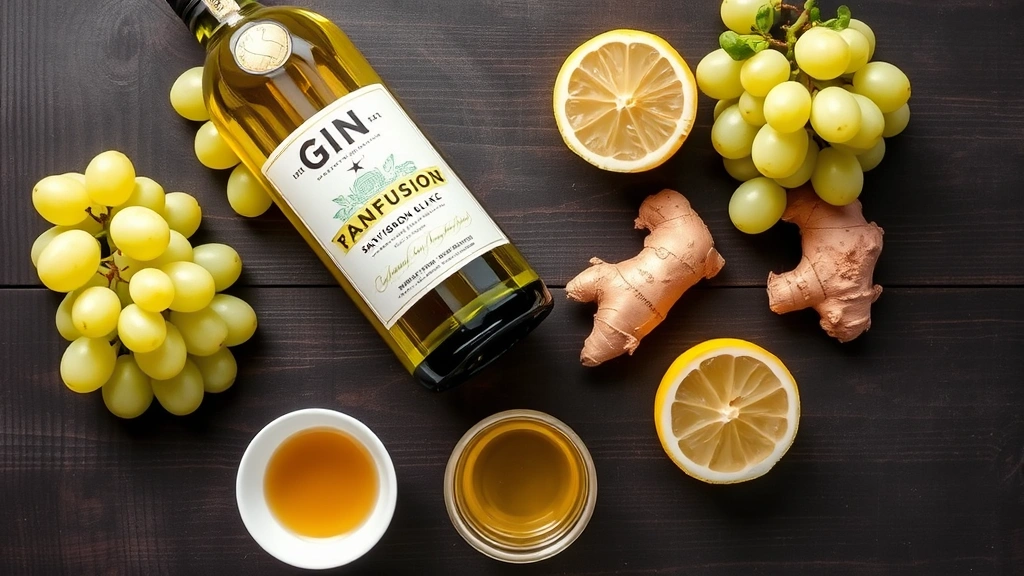
Creating an authentic Transfusion drink recipe begins with understanding each ingredient’s role and selecting quality products. The foundation of this cocktail depends on having fresh, high-quality components that work in harmony.
White Wine: The primary ingredient should be a dry, crisp white wine with good acidity. Sauvignon Blanc is the classic choice, offering herbaceous notes and bright acidity that complement the other ingredients beautifully. Pinot Grigio works equally well if you prefer something slightly rounder. Avoid overly oaked or heavy wines, as they’ll overwhelm the delicate balance of the drink. Look for wines in the $15-25 range—quality matters, but you don’t need a premium bottle for mixing.
Gin: Select a London Dry style gin as your base spirit. The juniper-forward profile and botanicals will add depth without competing with the wine. Brands like Tanqueray, Beefeater, or Bombay Sapphire are reliable choices that won’t break the budget. The gin should contribute herbal and floral notes rather than dominating the palate. Avoid heavily flavored gins for the traditional recipe, though experimentation is welcome once you’ve mastered the classic version.
Fresh Grape Juice: This ingredient is crucial and cannot be substituted with bottled juice concentrate or syrup. Fresh, cold-pressed white or green grape juice provides natural sweetness, body, and authentic flavor that mimics the wine’s character. Look for juice labeled as 100% pure with no added sugars or preservatives. If possible, use freshly pressed juice from a juice bar or specialty market. The juice should taste like fresh grapes, not candy. This is where many home bartenders go wrong—investing in quality juice makes a dramatic difference in the final cocktail.
Fresh Ginger: A small amount of fresh ginger juice or ginger syrup adds a subtle warming spice that balances the drink’s natural sweetness. Many bartenders prefer making fresh ginger syrup by simmering equal parts ginger juice and sugar, then cooling before use. This provides better control over intensity than using raw ginger juice. The ginger should be noticeable but not overwhelming—it’s meant to add complexity, not heat.
Fresh Lemon Juice: A small splash of fresh lemon juice brightens the cocktail and adds acidity that ties all flavors together. Always use freshly squeezed juice, never the bottled versions. The lemon should be subtle, enhancing rather than dominating the flavor profile.
Ice: Use fresh, clean ice. Many bartenders prefer large format ice cubes or chunks, as they melt slower and dilute the drink more gradually than crushed ice, maintaining the cocktail’s integrity throughout service.
Step-by-Step Preparation Guide
Mastering the Transfusion drink recipe requires understanding proper technique and measurement. Here’s how professional bartenders approach this cocktail:
Gather Your Tools and Ingredients: Before starting, assemble a cocktail shaker, strainer, jigger for measuring, bar spoon, and all ingredients. Having everything prepared ensures smooth execution and prevents mistakes. Chill your glassware—place it in the freezer for at least ten minutes before serving, or fill it with ice and water while you prepare the drink.
Measure Your Ingredients Precisely: The classic Transfusion recipe calls for approximately 1.5 ounces of gin, 2 ounces of white wine, 1 ounce of fresh grape juice, 0.5 ounces of fresh lemon juice, and 0.25 ounces of ginger syrup. These proportions create balance, though some bartenders adjust slightly based on personal preference. Precision matters in cocktail making—use a proper jigger rather than free-pouring, especially when learning.
Add Ingredients to the Shaker: Fill your cocktail shaker with fresh ice, then add the gin first, followed by the white wine, grape juice, lemon juice, and ginger syrup. The order doesn’t dramatically affect the final product, but many bartenders follow this sequence by tradition. The ice should be fresh and clean—old ice can impart off-flavors.
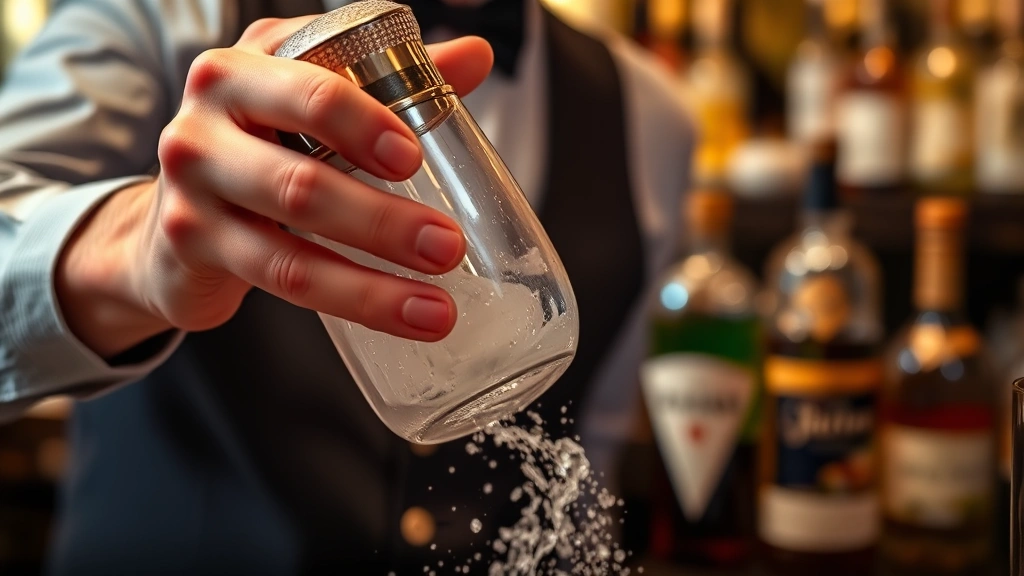
Shake with Proper Technique: Close the shaker and shake vigorously for about ten to fifteen seconds. You should hear the ice rattling consistently, indicating proper agitation. This chills the drink thoroughly and creates the slight dilution necessary for balance. Weak shaking results in a drink that’s too strong and unpleasantly warm. Vigorous shaking is essential for proper execution.
Strain Into Prepared Glass: Remove your chilled glassware from the freezer and discard the ice water. Using a Hawthorne strainer, pour the cocktail into the glass, leaving the ice behind in the shaker. The drink should flow smoothly into the glass without splashing or spilling.
Add Fresh Ice and Garnish: Add fresh ice to the prepared glass—either large cubes or chunks that melt slowly. The ice continues to chill the drink while you serve it. Garnish with a twist of lemon peel or a sprig of fresh mint. Some bartenders add a single green grape for visual appeal and a hint of flavor.
Technique and Bartender Tips
Professional bartenders have developed several techniques that elevate the Transfusion from good to exceptional. Understanding these approaches will help you master this classic cocktail.
Temperature Control: The most important factor in cocktail quality is proper temperature. Everything should be cold—your glass, your shaker, your ingredients. Many home bartenders skip this step and wonder why their drinks taste inferior. Spend the extra two minutes chilling your glass. The cold temperature brings out flavors and creates the proper texture that makes cocktails enjoyable.
Quality Juice Matters More Than You Think: The difference between fresh-pressed grape juice and bottled concentrate is night and day. Fresh juice provides subtle complexity that bottled versions simply cannot match. If you’re serious about crafting quality beverages at home, invest in the best juice available. Your guests will notice the difference immediately.
Ginger Syrup Preparation: Rather than using raw ginger juice, many bartenders prefer homemade ginger syrup. Combine one cup of fresh ginger juice with one cup of sugar in a saucepan. Heat gently over medium heat, stirring until the sugar dissolves completely. Do not boil. Cool completely before use. This syrup keeps refrigerated for up to two weeks and provides consistent flavor every time you make the cocktail. The syrup’s sweetness also balances the drink’s acidity better than raw juice.
Shaking Versus Stirring: The Transfusion should always be shaken, never stirred. The juice ingredients require proper aeration and mixing that shaking provides. Stirring would result in incomplete blending and an unbalanced drink. Shaking also creates the slight temperature drop and dilution necessary for proper balance. Don’t skip this step or attempt shortcuts.
Dilution and Mouthfeel: Proper dilution is essential for cocktail quality. The ice in your shaker melts slightly during shaking, adding water that opens up flavors and smooths the alcohol’s harsh edges. This is why weak shaking is problematic—it doesn’t create enough dilution. The ideal drink should feel smooth and integrated, not sharp or spirit-forward.
Variations and Creative Twists
Once you’ve mastered the classic Transfusion drink recipe, experimentation becomes enjoyable. Here are variations that professional bartenders have developed:
Red Transfusion: Substitute red wine for white wine and use red or purple grape juice instead of white. Add a splash of raspberry liqueur for additional depth. This variation works beautifully in autumn and winter months. The red version pairs wonderfully with richer foods and creates a more robust flavor profile than the original.
Botanical Infusion: Add a small amount of elderflower liqueur or herbal liqueur like Chartreuse for additional complexity. These ingredients complement the wine and gin’s botanical nature without overpowering the drink. Start with a quarter ounce and adjust to taste. This variation appeals to guests who enjoy more complex flavor profiles.
Sparkling Transfusion: Replace half the white wine with dry sparkling wine or champagne. This creates a lighter, more celebratory version perfect for special occasions. The bubbles add texture and visual appeal. The alcohol content remains similar, but the drink feels more festive and elegant.
Herbal Variation: Add a small sprig of fresh basil, mint, or thyme to the shaker before shaking. These herbs add subtle aromatics that complement the ginger beautifully. Muddle the herbs gently before adding other ingredients to release their essential oils. This variation showcases how fresh herbs can elevate beverages just as they do food.
Fruit-Forward Version: Add a splash of fresh peach nectar or apricot juice for a sweeter, more fruit-focused variation. This appeals to guests who prefer sweeter cocktails. Reduce the ginger syrup slightly when adding these sweeter ingredients to maintain balance.
Serving and Presentation
The way you serve and present the Transfusion drink recipe significantly impacts how guests perceive and enjoy it. Presentation is part of the drinking experience.
Glassware Selection: The Transfusion is traditionally served in a white wine glass or cocktail coupe. The wine glass is most common and practical for home service. Avoid using highball glasses or other tall vessels—the drink’s elegance depends on proper glassware. The glass should hold approximately eight to ten ounces, leaving room for ice and preventing spillage.
Garnish Presentation: A simple lemon twist provides visual appeal and aromatic enhancement. To create a proper twist, use a vegetable peeler to remove a strip of lemon peel about two inches long. Twist it over the drink to express the oils, then drop it in as garnish. Some bartenders add a single green grape skewered on a cocktail pick for visual interest. Avoid over-garnishing—simplicity is elegant.
Temperature at Service: The drink should be served immediately after preparation while still properly chilled. The ice in the glass continues cooling the drink as it sits, so timing matters. Serve within one minute of straining for optimal temperature and texture.
Presentation to Guests: When serving the Transfusion, present it with confidence and a brief explanation of the ingredients. Mention the fresh grape juice and ginger—these elements often surprise guests pleasantly. The drink’s elegance and sophistication are part of its appeal, so present it accordingly.
Pairing With Food
The Transfusion’s balanced flavor profile makes it an excellent aperitif and pairs well with various foods. Understanding these pairings enhances the dining experience.
Appetizer Pairings: Serve the Transfusion before meals with light appetizers like cheese boards, fresh fruit, or seafood. The drink’s acidity and lightness complement delicate flavors without overwhelming them. The ginger adds just enough spice to cleanse the palate between bites. This makes it perfect for entertaining before dinner.
Seafood Courses: The Transfusion pairs beautifully with oysters, ceviche, or grilled fish. The wine and grape juice’s fruitiness complements seafood’s delicate flavors, while the ginger adds complexity that enhances the pairing. The drink’s acidity cuts through richer fish preparations like salmon or tuna.
Light Salad Courses: Before serving a refreshing summer salad, the Transfusion prepares the palate perfectly. The drink’s brightness mirrors fresh greens and vinaigrettes, creating a cohesive dining experience. The ginger’s spice complements herb-forward salads particularly well.
Cheese and Charcuterie: The Transfusion pairs wonderfully with soft cheeses, aged charcuterie, and cured meats. The wine’s acidity cuts through fat, while the grape juice adds a touch of sweetness that balances salt. This pairing works for casual entertaining or sophisticated gatherings.
Dessert Preparation: Serve the Transfusion as a palate cleanser before dessert. The drink’s dryness prevents palate fatigue before sweet courses, ensuring guests fully enjoy the final course. This is a sophisticated entertaining technique that elevates the entire meal experience.
FAQ
Can I make a large batch of Transfusion cocktails in advance?
Yes, but with caution. You can pre-batch the gin, grape juice, lemon juice, and ginger syrup in a pitcher up to two hours before service. Keep this mixture refrigerated. Add the white wine just before serving, as it can oxidize if mixed too far in advance. Shake each batch individually with fresh ice for optimal results. Avoid pre-batching the entire drink and storing it—the ice melt and dilution won’t be proper, resulting in inferior quality.
What if I can’t find fresh grape juice?
Fresh grape juice is crucial to the authentic Transfusion drink recipe, but if absolutely unavailable, high-quality bottled juice from specialty markets is acceptable as a temporary substitute. Never use grape juice concentrate or heavily processed versions. Consider ordering fresh juice online from specialty food retailers. The difference in quality is significant enough that finding proper juice is worth the effort.
How do I make ginger syrup from scratch?
Combine one cup of fresh ginger juice (made by juicing fresh ginger root in a juicer or food processor and straining through cheesecloth) with one cup of granulated sugar in a saucepan. Heat over medium heat, stirring occasionally, until the sugar dissolves completely. Do not boil. Remove from heat and cool completely. Store in a clean glass jar in the refrigerator for up to two weeks. This syrup provides consistent flavor and better texture than raw ginger juice.
Can I substitute different types of gin?
While London Dry gin is traditional, you can experiment with other styles once you’ve mastered the classic recipe. Navy strength gins work well and add intensity. Avoid heavily flavored gins like those infused with cucumber or rose, as they’ll overwhelm the drink’s balance. Gin selection significantly impacts the final cocktail, so choose quality and consistency over novelty.
What’s the best time to serve a Transfusion?
The Transfusion is perfect as an aperitif before dinner, during warm weather entertaining, or as a sophisticated brunch cocktail. Its lightness and refreshing quality make it ideal for daytime service. The drink’s elegance also suits formal entertaining and special occasions. Avoid serving it late at night when heavier cocktails might be more appropriate.
How does the Transfusion compare to other wine-based cocktails?
The Transfusion sits between wine service and craft cocktails, offering more complexity than straight wine but more accessibility than spirit-forward drinks. It’s lighter than a Sangria, more sophisticated than a Wine Spritzer, and more approachable than a Negroni. For guests uncertain about their cocktail preferences, the Transfusion provides an excellent entry point into craft mixology.
Can I make this drink without an alcohol shaker?
Proper shaking requires a cocktail shaker—you cannot achieve the same results by stirring in a glass or pitcher. A professional cocktail shaker is inexpensive and essential equipment for home bartending. Investing in proper tools ensures you can execute the recipe correctly and impress guests with quality cocktails.
What’s the alcohol content of a Transfusion?
A standard Transfusion contains approximately 18-20% alcohol by volume, similar to wine. The gin contributes approximately 40% ABV while the wine contributes about 12% ABV. The combination results in a drink that’s stronger than wine alone but not as strong as a typical spirit-forward cocktail. This moderate alcohol content makes it accessible for various occasions and guest preferences.


