Andouille Sausage Recipe: Chef’s Favorite Method
Andouille sausage represents one of Louisiana’s most iconic contributions to American cuisine. This heavily spiced, smoked sausage has graced the tables of home cooks and professional chefs alike for generations. The distinctive smoky flavor and bold seasoning profile make andouille sausage a versatile ingredient that elevates everything from classic gumbo to casual weeknight dinners. Learning to make andouille sausage at home transforms your cooking possibilities and connects you to authentic Creole culinary traditions.
Creating authentic andouille sausage requires patience, proper technique, and quality ingredients. Unlike commercial versions that often rely on excessive fillers and artificial flavors, homemade andouille delivers genuine depth and complexity. This chef-approved method walks you through every step, from selecting the right meat to smoking your finished sausages to perfection. Whether you’re a seasoned charcuterie enthusiast or a curious home cook, this comprehensive guide ensures professional-quality results in your own kitchen.
Understanding Andouille Sausage
Andouille sausage originated in France before becoming deeply embedded in Louisiana’s culinary identity. The name itself derives from the French word for intestine, as traditional andouille uses natural casings. What distinguishes andouille from other sausages is its bold spice profile, heavy smoke exposure, and coarse texture. The meat is typically chunky rather than finely ground, creating that characteristic bite and textural interest.
The flavor profile of authentic andouille combines garlic, cayenne pepper, black pepper, and various other spices with a pronounced smoky character. This isn’t a delicate sausage—it’s meant to assert itself in dishes, whether you’re using it in side dishes for entertaining or building complex Creole dishes. Understanding these foundational characteristics helps you appreciate why each step of the process matters and how to achieve professional results at home.
Commercial andouille varies dramatically in quality. Many mass-produced versions contain excessive fillers, MSG, and artificial smoke flavoring. Making your own allows complete control over ingredients and ensures you’re using quality pork with authentic spicing. The investment of time and effort pays dividends in flavor complexity and satisfaction.
Essential Ingredients and Equipment
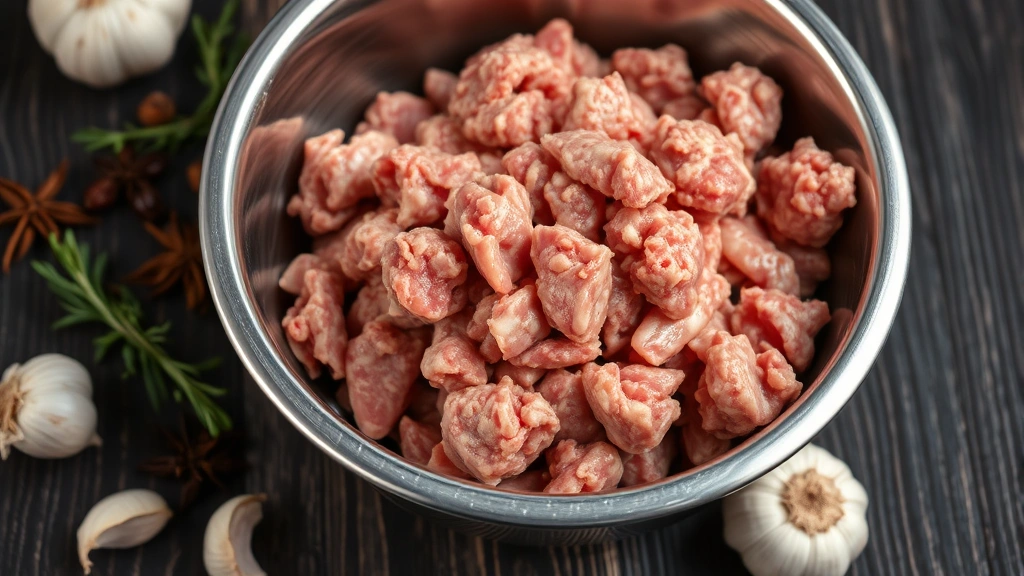
Success with andouille sausage begins with proper ingredient selection and appropriate equipment. Your meat choice fundamentally impacts the final product’s quality and flavor profile. You’ll need 80/20 pork shoulder and pork butt, which provide the ideal fat-to-lean ratio. Some chefs prefer adding 10-15% pork jowl for additional richness and flavor complexity. Ensure all meat comes from a reliable source and is as fresh as possible.
The spice blend distinguishes andouille from standard pork sausage. Essential spices include:
- Cayenne pepper (provides authentic heat)
- Black peppercorns (adds depth)
- Garlic (fresh and powdered for layered flavor)
- Paprika (contributes color and subtle sweetness)
- Thyme (brings herbal notes)
- Bay leaves (adds complexity)
- Mustard seeds (provides subtle tang)
- Coriander (rounds out the profile)
- Salt (essential for preservation and flavor)
Equipment requirements include a quality meat grinder, sausage stuffer, thermometer, and smoking setup. A meat grinder with multiple plates allows you to control grind coarseness—andouille traditionally uses a coarser grind than breakfast sausage. A vertical or horizontal sausage stuffer makes casing work manageable, though you can stuff casings by hand if necessary. A reliable meat thermometer ensures proper cooking temperatures throughout the process.
For smoking, you have several options: a traditional barrel smoker, offset firebox smoker, or even a kettle grill with smoking modifications. Temperature control matters significantly, as does smoke wood selection. Hickory, oak, or pecan wood all work beautifully with andouille. Some traditionalists use a combination of woods for complexity.
Preparing Your Meat and Fat
Proper meat preparation sets the foundation for texture and flavor. Start by cutting pork shoulder and butt into chunks suitable for your grinder. The single most important step here is temperature control—keep everything cold. Meat that’s too warm produces a greasy, emulsified sausage rather than the chunky texture andouille demands. Place your meat in the freezer for 30-45 minutes before grinding, and chill your grinder parts as well.
Fat selection also impacts quality significantly. While some cooks use back fat exclusively, many prefer a combination of back fat and jowl fat. The jowl fat has more flavor and creates a richer mouthfeel. Cut fat into chunks similar to your meat pieces. Again, keep everything cold—this cannot be overstated. Cold meat and fat produce the distinct texture that characterizes superior andouille.
When you’re ready to grind, work quickly and efficiently. Don’t let meat sit in the grinder hopper for extended periods. Grind directly into a cold bowl set over ice. This maintains temperature throughout the grinding process. Some professional chefs pre-chill their work surfaces and bowls in the freezer for 15 minutes before beginning. This attention to detail distinguishes homemade andouille from less carefully prepared versions.
After grinding, you have a brief window before mixing. Some recipes call for curing the ground meat overnight in the refrigerator, which allows flavors to develop and helps with binding. If you choose this route, cover the bowl tightly with plastic wrap to prevent oxidation and moisture loss.
Creating the Perfect Spice Blend
The spice blend represents andouille’s soul. Rather than using pre-ground spices, many professional chefs toast and grind whole spices for maximum freshness and intensity. Toast your whole spices lightly in a dry skillet over medium heat for 2-3 minutes, stirring constantly. This releases essential oils and deepens flavor complexity. Allow toasted spices to cool completely before grinding in a spice grinder or mortar and pestle.
A classic andouille spice formula includes:
- 2 tablespoons cayenne pepper
- 1 tablespoon black peppercorns (ground)
- 1 tablespoon paprika
- 2 teaspoons garlic powder
- 2 teaspoons onion powder
- 1 teaspoon dried thyme
- 1 teaspoon mustard seeds (ground)
- 1 teaspoon coriander seeds (ground)
- ½ teaspoon ground cloves
- ¼ teaspoon cayenne (additional, for intensity)
- Fresh garlic (6-8 cloves, minced)
- Salt (adjusted based on total meat weight)
Proportions can be adjusted based on personal preference and heat tolerance. Some cooks prefer less cayenne, while others push it further. The beauty of homemade sausage is this customization opportunity. Keep detailed notes on your spice blend so you can replicate successful batches.
For every 5 pounds of meat, you’ll use approximately 1-2 tablespoons of salt and the above spice proportions. Dissolve salt in a small amount of cold water or ice water and add to your meat mixture. This helps with binding and flavor distribution. Some traditionalists add a small amount of curing salt (pink salt) for color and preservation, though this is optional for fresh sausage.
Grinding and Mixing
Once your meat is ground and chilled, you’re ready to incorporate spices and begin mixing. Add your spice blend gradually to the cold ground meat, mixing thoroughly between additions. This gradual approach ensures even distribution and prevents clumping. Use your hands or a stand mixer with a paddle attachment. If using a mixer, keep speeds low to prevent overworking the mixture, which generates heat.
The mixing process is crucial for proper binding and texture. Mix for approximately 3-5 minutes until the mixture becomes slightly sticky and begins to hold together. You’ll notice the texture change as myosin proteins develop, creating the binding agent that holds your sausage together. Don’t overmix—you want a coarse, chunky texture, not a fine paste.
During mixing, maintain cold temperatures. Work in a cool kitchen, keep your mixing bowl over ice, and don’t let the mixture sit at room temperature. Some chefs recommend working quickly in batches rather than processing all meat at once. This maintains temperature stability throughout the process.
After mixing, you have a decision point. Some recipes call for letting the mixture rest in the refrigerator for 4-24 hours, allowing flavors to marry and proteins to fully develop. Others proceed directly to stuffing. The overnight rest does improve flavor depth and binding, so it’s worth considering if your schedule allows.
Stuffing Your Sausages
Stuffing requires natural hog casings, which you can source from specialty butchers or online suppliers. Prepare casings by rinsing them thoroughly under cool water and soaking in lukewarm water for 30 minutes. This makes them pliable and easier to work with. Some cooks add a small amount of vinegar to the soaking water, which helps preserve the casings’ integrity.
Set up your sausage stuffer according to manufacturer instructions. Attach the appropriate horn (typically a medium horn for andouille). Feed a casing onto the horn carefully—it should slide on without tearing. Leave about 2 inches of empty casing at the beginning. Begin stuffing slowly, applying even pressure. The casing should fill gradually without becoming overly tight or developing air pockets.
Fill each casing to about 2 inches from the end, then carefully slide it off the horn. Twist the filled casing into 4-6 inch links, pricking any air pockets with a clean needle or sausage pricker. These small holes prevent explosions during cooking and smoking. Work efficiently to keep casings and meat cold.
If you don’t have a sausage stuffer, you can use a pastry bag fitted with a large round tip, though this requires more patience. Some cooks use a funnel and wooden spoon handle to push meat into casings by hand. Any method works as long as you maintain cold temperatures and avoid excessive air pockets.
After stuffing, place sausages on a parchment-lined baking sheet and refrigerate for at least 2 hours before smoking. This allows casings to set and prevents splitting during the initial smoking phase. Many chefs prefer overnight refrigeration for optimal results.
Smoking and Cooking Methods
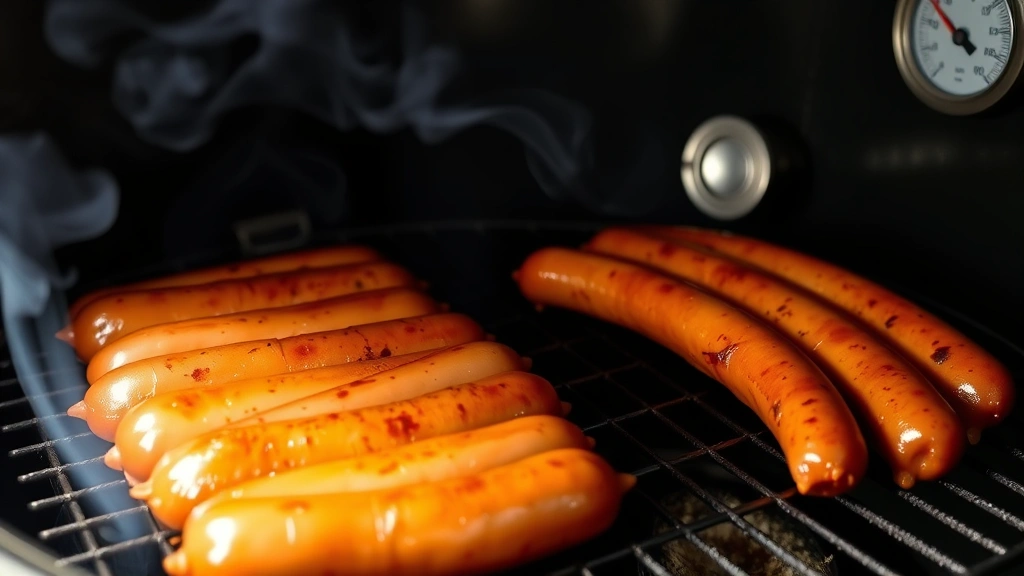
Smoking is where andouille sausage truly develops its signature character. Set up your smoker for low-and-slow cooking at 225-250°F. Use hickory, oak, or pecan wood—avoid mesquite, which can overpower the delicate spice balance. Create a thin blue smoke rather than heavy white smoke, which can impart bitter flavors.
Place sausages on smoker racks, leaving space between each one for smoke circulation. Insert a probe thermometer into the thickest sausage without touching the casing. Smoke for approximately 2-3 hours, until internal temperature reaches 160-165°F. The exact time depends on sausage thickness and smoker temperature consistency.
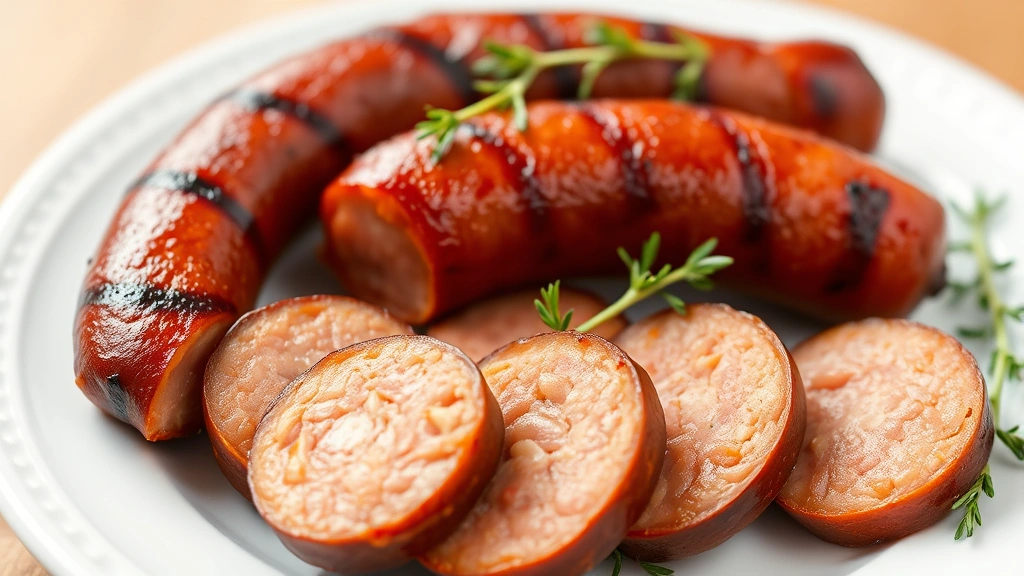
During smoking, maintain steady temperature and avoid opening the smoker door excessively. Each opening drops temperature and extends cooking time. Add smoke wood chunks every 45 minutes to maintain consistent smoke production. The sausage exterior should develop a rich mahogany color with a slight smoky sheen.
Alternative cooking methods include poaching and finishing with a sear, though smoking is traditional. For poaching, bring water or broth to 180°F and gently poach sausages for 30-40 minutes until they reach 160-165°F internally. Remove from poaching liquid and sear in a hot cast-iron skillet until the exterior is browned and crispy. This method works well if you lack smoking equipment.
Some cooks employ a hybrid approach: smoke sausages for 1-1.5 hours, then finish poaching to ensure food safety without excessive smoke exposure. This allows you to control the smoke intensity while ensuring proper cooking throughout.
Serving and Storage
Fresh andouille sausage is wonderfully versatile. Slice and serve as part of a casual appetizer spread, or incorporate into traditional Creole dishes like gumbo and jambalaya. The smoky, spicy profile complements seafood beautifully—try andouille with shrimp, crawfish, or crab. It also pairs excellently with classic dips and accompaniments at parties and gatherings.
For immediate use, cool sausages to room temperature, then refrigerate. Properly made andouille keeps for 3-4 days in the refrigerator. For longer storage, freeze sausages in airtight packages for up to 3 months. Thaw in the refrigerator before cooking. Alternatively, you can vacuum-seal sausages before freezing for extended storage up to 6 months.
Cooking pre-made sausages is straightforward. Slice and pan-fry in a hot skillet until the exterior is crispy, or grill over medium-high heat, turning occasionally until cooked through. Many cooks prefer slicing sausages before cooking, which increases surface area and creates more caramelization. Serve as a main course component, chop into gumbo or jambalaya, or use in composed salad dishes for lighter applications.
Temperature control during storage matters significantly. Keep sausages in the coldest part of your refrigerator, away from the door. If you notice any off-odors, discoloration, or slime, discard immediately. Properly made and stored sausages should smell distinctly smoky and spicy, with no sour or rancid notes.
For serving at gatherings, consider slicing and warming sausages gently in a slow cooker set to low heat. This keeps them hot and ready for extended periods without drying them out. Serve alongside vegetable sides or grain-based dishes for balanced meals.
FAQ
Can I make andouille sausage without a smoker?
Yes, absolutely. The poaching and searing method produces excellent results. Poach sausages in seasoned broth at 180°F until they reach safe internal temperature, then sear in a hot skillet. While you’ll miss the traditional smoke flavor, the spice blend still delivers authentic andouille character. Some cooks add liquid smoke to the poaching liquid for a hint of smokiness, though this is optional and should be used sparingly to avoid overpowering other flavors.
How do I know if my sausages are cooked properly?
Use a meat thermometer to verify internal temperature reaches 160-165°F. Insert the thermometer into the thickest part without touching the casing. Visual cues include the sausage exterior becoming firm and the juices running clear rather than pink. The casing should also be taut and browned, with no soft or spongy areas.
What’s the difference between fresh and smoked andouille?
Fresh andouille is cooked but not smoked, relying on spices for its flavor profile. Smoked andouille develops additional complexity from smoke exposure. Both are legitimate preparations—smoked is more traditional in Louisiana cuisine, but fresh versions are easier for home cooks and still deliver authentic flavor when properly spiced.
Can I use this recipe for bulk sausage instead of links?
Definitely. Skip the stuffing step and simply brown the sausage meat in a skillet, breaking it apart as it cooks. Bulk andouille works beautifully in gumbo, jambalaya, and composed grain dishes. Store bulk sausage in the refrigerator for 3-4 days or frozen for up to 3 months in airtight containers.
What should I serve with andouille sausage?
Andouille pairs beautifully with rice dishes, particularly jambalaya and gumbo. It also complements seafood dishes, vegetable sides, and grain-based salads. For casual serving, offer with other smoked meats and proteins as part of a mixed grill or appetizer spread.
How can I adjust the spice level?
Reduce cayenne pepper for milder results, or increase it for more heat. Adjust gradually in future batches based on your preferences. Keep detailed notes on your modifications so you can replicate successful variations. Remember that spices become more pronounced during smoking, so account for this when adjusting recipes.
Why is temperature control so important?
Cold meat and fat create the desired chunky, coarse texture characteristic of quality andouille. Warm meat becomes overly processed and develops a greasy, emulsified texture. Additionally, cold temperatures help the spice blend distribute evenly and improve the final product’s food safety profile. Never skip this critical step.


