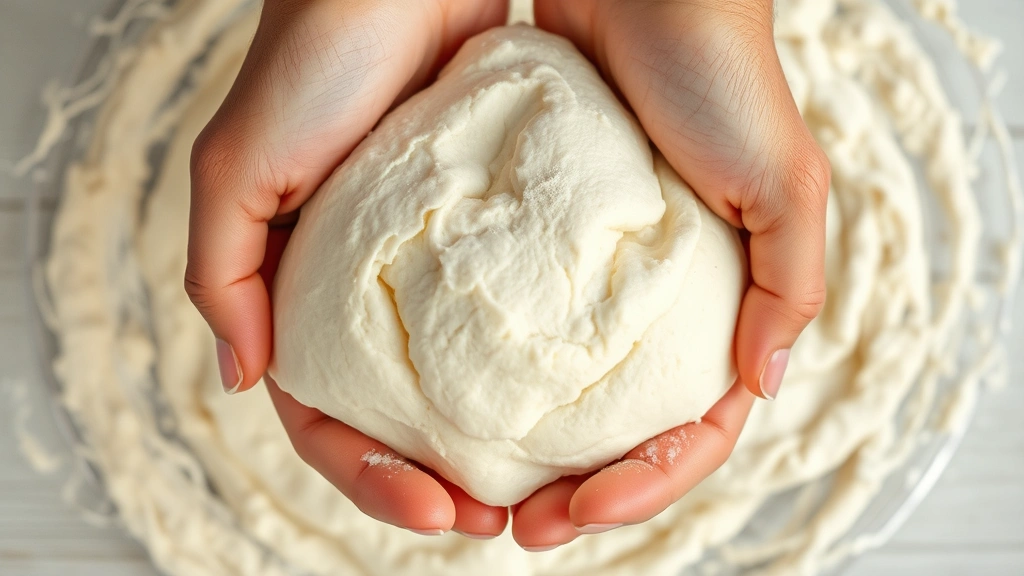
Make Cloud Dough at Home? Expert Tips for Perfect Results
Cloud dough has become a beloved sensory activity for children and a surprisingly therapeutic craft for adults. This pillowy, moldable substance feels like a cloud in your hands—soft, stretchy, and endlessly entertaining. Unlike traditional playdough, cloud dough is edible (though not particularly tasty), non-toxic, and incredibly easy to make with ingredients you likely already have in your kitchen. Whether you’re looking for a rainy-day activity or a creative outlet, learning how to make cloud dough at home is simpler than you might think.
The magic of cloud dough lies in its unique texture, which comes from combining just two main ingredients: shaving cream and cornstarch or flour. The result is a compound that’s softer and fluffier than traditional playdough, with a satisfying tactile experience that keeps hands busy for hours. In this comprehensive guide, we’ll walk you through everything you need to know about creating, customizing, and storing cloud dough, along with expert tips to ensure perfect results every single time.
What Is Cloud Dough and Why Make It?
Cloud dough is a sensory play material that bridges the gap between traditional playdough and kinetic sand. Created by combining shaving cream with a starch-based ingredient, it produces a texture that’s exceptionally light, fluffy, and pleasant to touch. The consistency is somewhere between a solid and a cloud—hence the name—making it ideal for squishing, stretching, molding, and creating various shapes.
The appeal of cloud dough extends beyond simple entertainment. Child development experts recognize the value of sensory play in promoting cognitive development, fine motor skills, and stress relief. For adults, the repetitive, tactile nature of working with cloud dough can be meditative and calming. Additionally, unlike some commercial playdough products, homemade cloud dough is non-toxic and safe even if accidentally ingested by young children.
Creating cloud dough at home also offers significant cost savings compared to purchasing pre-made sensory play products. A single batch costs just a few dollars and can provide weeks of entertainment, making it an economical choice for families and educators. When combined with easy homemade recipes, the philosophy of creating quality items from scratch extends to your craft supplies as well.
Essential Ingredients and Substitutions
The beauty of cloud dough lies in its simplicity. The basic formula requires only two ingredients, though optional additions can enhance the experience. Let’s break down what you need:
Primary Ingredients
- Shaving cream: This is the star ingredient that gives cloud dough its signature fluffy texture. Use regular shaving cream, not gel formulas. A standard can contains enough for multiple batches. Look for fragrance-free or lightly scented options to avoid overwhelming sensory experiences.
- Cornstarch or flour: These dry ingredients provide structure and absorb the moisture from the shaving cream. Cornstarch tends to create a smoother, silkier texture, while all-purpose flour produces a slightly grainier consistency. Both work beautifully—choose based on your preference.
Optional Enhancements
- Food coloring: Add 2-3 drops of gel or liquid food coloring to create vibrant, themed batches. Gel coloring produces more vivid hues than liquid varieties.
- Essential oils or extracts: A few drops of vanilla, peppermint, or lemon extract can add an olfactory dimension to your cloud dough. Use sparingly—these are potent.
- Glitter: For extra sparkle and visual interest, mix in cosmetic-grade glitter before the final mix. Avoid craft glitter, which can be sharp and uncomfortable on skin.
- Foam beads: Tiny foam balls add tactile variation and a crunchy element when embedded in the dough.
Ingredient Substitutions
If you don’t have shaving cream on hand, whipped cream can serve as a temporary substitute, though the texture will be less stable and won’t last as long. For the starch component, potato starch, tapioca starch, or even baby powder (talc-free varieties) can replace cornstarch or flour. Each creates slightly different textures, so experiment to find your favorite.
For those seeking allergy-friendly options or preferring natural ingredients, consider using whipped coconut cream mixed with arrowroot powder. This combination produces cloud dough that’s completely natural and safe for children with sensitive skin or allergies.
Step-by-Step Cloud Dough Recipe
Prep Time: 5 minutes | Yield: Approximately 4 cups of cloud dough
Basic Cloud Dough Recipe
- Gather your materials: Place a large mixing bowl on your work surface. Have all ingredients measured and ready before you begin. Working quickly prevents the shaving cream from deflating.
- Add the shaving cream: Dispense one standard can of shaving cream (approximately 10-12 ounces) directly into the mixing bowl. Don’t use the lid—pour it out completely for best results.
- Begin adding cornstarch: Start with one cup of cornstarch or flour. Sprinkle it gradually over the shaving cream while stirring with a spoon or your hands. The mixture will initially seem too dry, but continue mixing.
- Adjust consistency: Continue adding cornstarch in ¼-cup increments, mixing thoroughly after each addition. You’re looking for a texture that holds together when squeezed but doesn’t feel wet or sticky. This typically requires 1.5 to 2 cups total starch.
- Knead by hand: Once the mixture reaches a dough-like consistency, use your hands to knead it for 2-3 minutes. This distributes the ingredients evenly and develops the final texture.
- Add color (optional): If using food coloring, add it now and knead until the color is evenly distributed throughout the dough.
- Incorporate extras: If adding essential oils, glitter, or foam beads, fold them in gently during the final kneading stage.
- Test the texture: The finished cloud dough should feel soft and squeezable, similar to a stress ball. It should hold a shape when molded but not feel sticky or wet.
Pro tip: If your cloud dough feels too wet, add additional cornstarch by the tablespoon. If it’s too crumbly, add a tablespoon of shaving cream. Finding the perfect balance may take a batch or two, but you’ll quickly develop an intuition for the ideal consistency.
Customizing Your Cloud Dough
One of the joys of making cloud dough at home is the ability to customize it for different occasions, themes, and preferences. Here are creative ways to elevate your batches:
Color-Themed Batches
Create rainbow cloud dough by making individual batches in different colors. Divide your base mixture into five bowls and add different food coloring to each, creating red, orange, yellow, green, and blue varieties. Store each color separately, or combine them into a marbled effect by layering them in a container.
Scent Combinations
Pair colors with complementary scents for a multi-sensory experience. Try blue cloud dough with peppermint extract, pink with strawberry flavoring, or yellow with lemon essence. These combinations create memorable sensory associations and enhance imaginative play.
Textural Variations
Add sensory depth by incorporating different materials. Mix in dried lavender buds for a botanical element, pop rocks for a surprising fizzy sensation (ensure they’re food-safe), or beads of various sizes for tactile exploration. Each addition creates a unique play experience.
Themed Batches for Special Occasions
For holiday celebrations, create themed cloud dough. Halloween batches can be orange with black food coloring swirled through, while Christmas versions might feature red and green combinations with peppermint scent. These special batches make wonderful party favors or classroom activities.
Edible Cloud Dough Variations
While standard cloud dough is non-toxic, you can create fully edible versions using whipped cream and powdered sugar or marshmallow fluff and cornstarch. These versions work wonderfully for young toddlers who tend to put everything in their mouths, though they won’t last as long as traditional cloud dough.
Storage and Longevity Tips
Proper storage significantly extends the lifespan of your cloud dough. Here are expert strategies for keeping your creations fresh and usable:
Short-Term Storage (1-2 weeks)
Store cloud dough in airtight containers such as plastic resealable bags, mason jars, or plastic storage containers. Remove as much air as possible before sealing. Kept in cool conditions away from direct sunlight, cloud dough will maintain its texture and consistency for up to two weeks.
Extended Storage (2-4 weeks)
For longer-term storage, place airtight containers in a cool, dry location like a pantry or closet. Avoid areas near heating vents or in direct sunlight, as heat accelerates deterioration. Check the dough occasionally—if it begins to dry out, add a few drops of water and knead thoroughly.
Signs of Spoilage
Cloud dough can develop mold or unpleasant odors if stored improperly, particularly in warm or humid environments. If you notice any discoloration beyond the intentional coloring, unusual smells, or visible mold, discard the batch and start fresh. The cost of materials is minimal, so it’s not worth risking mold exposure.
Reviving Dried Cloud Dough
If your cloud dough has dried out slightly but hasn’t spoiled, you can often revive it. Add a small amount of shaving cream and knead vigorously. If that doesn’t restore the texture, incorporate a few drops of water (not oil-based products, which can separate). Knead for several minutes until the consistency improves.
For batches that have hardened completely, it’s best to start fresh rather than attempt revival. The investment in new materials is minimal, and fresh cloud dough provides a superior sensory experience compared to heavily reworked batches.
Troubleshooting Common Issues
Cloud Dough Is Too Wet and Sticky
Problem: Your mixture feels more like wet clay than cloud dough, sticking to hands and surfaces.
Solutions: Gradually add more cornstarch or flour, one tablespoon at a time, kneading thoroughly after each addition. You may need to add 3-4 additional tablespoons beyond the initial measurement. Work quickly and knead vigorously to incorporate the starch evenly.
Cloud Dough Is Too Dry and Crumbly
Problem: The mixture won’t hold together and falls apart when squeezed.
Solutions: Add shaving cream gradually—just one tablespoon at a time—and knead thoroughly. The dough will seem impossibly dry before suddenly coming together. Be patient and avoid adding too much liquid at once, which can overcorrect the consistency.
Color Isn’t Vibrant Enough
Problem: Your food coloring produced a pale or muted shade.
Solutions: Gel food coloring produces more vivid results than liquid varieties. If using liquid coloring, add an extra drop or two. Alternatively, knead the dough more thoroughly—sometimes additional mixing distributes the color more evenly, making the overall appearance more saturated. For future batches, add coloring before combining wet and dry ingredients for more even distribution.
Cloud Dough Separates or Gets Oily
Problem: After a few days, the dough develops an oily appearance or separates into layers.
Solutions: This typically indicates too much shaving cream relative to starch. When making new batches, increase the starch ratio slightly. For affected dough, knead in additional cornstarch or flour. If separation has already occurred significantly, discard and start fresh.
Cloud Dough Smells Unpleasant
Problem: The dough develops a sour or off smell.
Solutions: This suggests bacterial growth or mold beginning to develop. Discard immediately. To prevent future issues, ensure storage containers are completely airtight and kept in cool environments. Avoid storing in humid bathrooms or near kitchen heat sources.
Glitter or Add-Ins Aren’t Distributing Evenly
Problem: Glitter clusters in some areas while other sections have none.
Solutions: Knead more thoroughly and for longer periods—aim for 3-5 minutes of vigorous hand-kneading. Alternatively, add glitter in smaller amounts during the final kneading stage rather than all at once. For future batches, add embellishments before the final kneading phase rather than after.

Creative Play Ideas and Activities
Once you’ve mastered the cloud dough recipe, explore engaging activities that maximize the sensory and developmental benefits. Cloud dough pairs wonderfully with small toys, cookie cutters, and kitchen utensils to create imaginative play scenarios.
Sensory Exploration Games
Hide small toys or beads inside cloud dough balls and encourage children to discover them by feeling and squishing. This activity develops tactile discrimination and fine motor control. Vary the hidden objects—smooth buttons, textured fabric scraps, or plastic shapes—for different sensory experiences.
Themed Play Scenarios
Transform cloud dough into play materials for imaginative scenarios. Create a bakery by using cookie cutters to shape dough into pastries, or build a construction site by forming balls and coils. These activities integrate sensory play with creative storytelling and role-play development.
Skill-Building Activities
Cloud dough provides an excellent medium for developing fine motor skills. Practice rolling balls, forming snakes, creating pinch pots, or using utensils to imprint patterns. These activities strengthen hand muscles and coordination in an enjoyable, low-pressure environment.
Multi-Sensory Stations
Combine cloud dough with other sensory materials to create comprehensive exploration stations. Pair it with refreshing beverages at a snack station, or combine with music and movement activities for a fully integrated sensory experience.
Cloud Dough for Educational Settings
Teachers and educators increasingly recognize cloud dough’s value in classroom settings. Its cost-effectiveness and sensory benefits make it an excellent addition to learning environments. Consider incorporating cloud dough into lessons about textures, colors, measurement, and sensory vocabulary. Students can describe their cloud dough creations using descriptive language—soft, fluffy, stretchy, smooth—building vocabulary while engaging tactilely.
Cloud dough also provides a calming activity for students experiencing stress or anxiety. The repetitive, tactile nature of manipulating the dough can reduce cortisol levels and promote emotional regulation. Many special education classrooms incorporate cloud dough into sensory breaks and self-regulation strategies.

FAQ
Is cloud dough safe for babies and toddlers?
Cloud dough made with standard ingredients (shaving cream and cornstarch) is non-toxic and safe if accidentally ingested. However, it’s not intended to be eaten and doesn’t taste pleasant. For infants under 12 months who tend to mouth everything, consider edible variations made with whipped cream and powdered sugar, or supervise closely with standard cloud dough.
How long does a batch of cloud dough last?
Properly stored cloud dough lasts 2-4 weeks. Storage in airtight containers in cool, dry conditions extends lifespan. Signs of spoilage include mold, unusual odors, or significant color changes beyond intentional coloring.
Can I make cloud dough without shaving cream?
Yes, though the texture differs. Whipped cream combined with cornstarch creates a similar (though less stable) texture. Marshmallow fluff mixed with cornstarch offers another alternative. Each produces slightly different tactile experiences—experiment to find your preference.
What’s the best type of food coloring for cloud dough?
Gel food coloring produces the most vibrant colors and mixes more easily than liquid varieties. If using liquid coloring, add an extra drop or two. Avoid natural food coloring powders, which can create grainy textures and don’t distribute as smoothly.
Can I use baby powder instead of cornstarch?
Yes, talc-free baby powder works as a substitute, though the texture may be slightly different. Ensure the powder is talc-free to avoid potential respiratory concerns. Cornstarch remains the most reliable option for achieving the ideal cloud dough consistency.
Is cloud dough appropriate for sensory-sensitive children?
Cloud dough’s soft, non-abrasive texture makes it suitable for many sensory-sensitive children. However, some may find the texture uncomfortable. Always supervise initial interactions and allow children to opt out if the sensation is overwhelming. You can also create variations with different textures by adding foam beads or adjusting the starch-to-cream ratio.
How do I prevent cloud dough from staining clothes and surfaces?
Food coloring can stain, particularly gel varieties. Designate a play area with washable surfaces and encourage children to wear old clothes or aprons during cloud dough play. Most food coloring stains wash out with regular laundering, though prompt treatment with cold water produces better results.
Can I make cloud dough in larger batches?
Yes, simply multiply the ingredient quantities proportionally. A standard can of shaving cream (10-12 ounces) pairs with 1.5-2 cups of cornstarch. You can easily make 2-3 batches simultaneously by using multiple cans of shaving cream and adjusting starch accordingly. Store different batches in separate containers.
What’s the difference between cloud dough and kinetic sand?
Cloud dough is softer, fluffier, and has a more moldable texture, while kinetic sand is firmer and holds shapes more rigidly. Cloud dough is easier to make at home with basic ingredients, whereas kinetic sand requires specialized components. Both offer valuable sensory play experiences but suit different preferences.
Where can I find more sensory play ideas?
Explore resources like Child Mind Institute, which offers evidence-based guidance on sensory play benefits. Professional organizations like the American Occupational Therapy Association provide research on tactile activities for development. Additionally, parenting blogs and educational websites frequently share creative cloud dough variations and activity ideas.
Can I add essential oils to cloud dough safely?
Yes, but use sparingly—just 1-2 drops per batch. Essential oils are potent and can irritate skin in high concentrations. Never apply undiluted essential oils directly to skin. For very young children or those with sensitive skin, skip essential oils entirely or use food extracts instead, which are milder and food-safe.
Is homemade cloud dough cheaper than store-bought sensory products?
Significantly cheaper. A single can of shaving cream (typically $2-3) and cornstarch (usually under $2) produce 4+ cups of cloud dough at minimal cost. Commercial sensory play products often cost $15-30 for equivalent amounts. Making cloud dough at home saves 70-80% compared to purchasing pre-made alternatives.
Creating cloud dough at home transforms simple pantry ingredients into hours of engaging sensory play. Whether you’re seeking a calming activity, developmental tool, or creative outlet, this cloud dough recipe delivers exceptional results with minimal effort and cost. With the expert tips and troubleshooting guidance provided, you’ll achieve perfect texture every time, customizing batches to suit any preference or occasion. Start with a basic batch today and discover why cloud dough has become a beloved staple in homes and classrooms worldwide.


