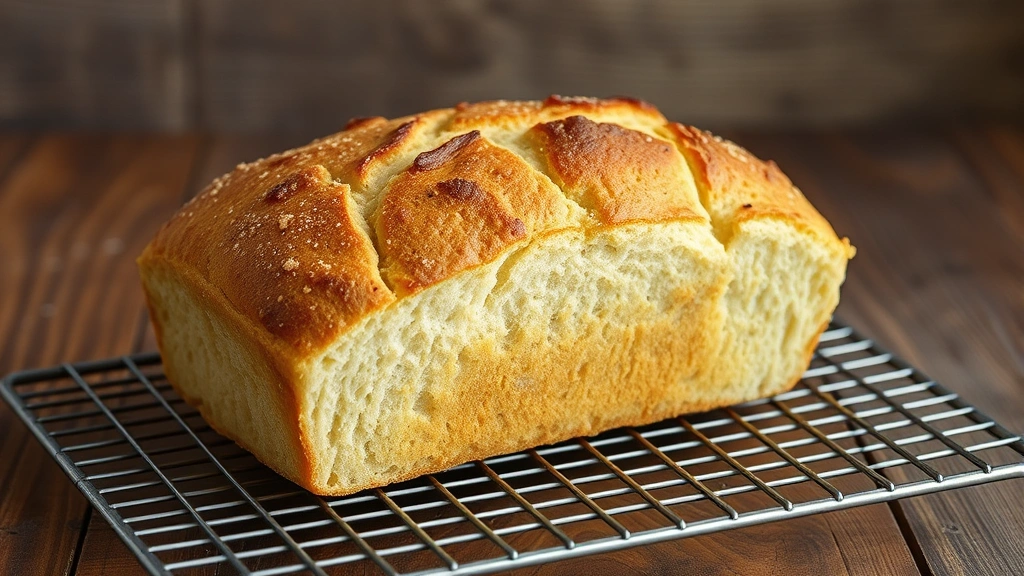
Cottage Cheese Bread? Baker’s Favorite Recipe
Cottage cheese bread might sound unusual, but this baker’s favorite recipe has been quietly revolutionizing home baking for decades. The addition of cottage cheese creates an incredibly moist, tender crumb with a subtle richness that elevates your bread game to professional levels. Whether you’re looking for a protein-packed breakfast option or a unique addition to your bread basket, this recipe delivers exceptional results every time.
This cottage cheese bread recipe combines the best of both worlds: the structural integrity of traditional bread-making with the luxurious moisture that dairy products provide. The cottage cheese acts as a natural humectant, keeping your loaf fresh longer while adding nutritional value. Professional bakers have long understood this secret, and now you can master it in your own kitchen.

Why Cottage Cheese Transforms Your Bread
Cottage cheese is a game-changer in bread baking because of its unique composition. The curds provide structure while the whey contributes moisture and tenderness. This combination creates a bread that stays soft for days without becoming gummy or dense. The milk solids and lactic acid in cottage cheese also enhance flavor development and create a subtle tang that professional bakers adore.
When you incorporate cottage cheese into your dough, you’re adding approximately 80% moisture content along with valuable casein proteins that strengthen gluten networks. This means your bread develops better texture, superior crumb structure, and improved shelf life. The natural fats in cottage cheese contribute to a rich mouthfeel that makes each slice deeply satisfying.
Professional bakeries understand that cottage cheese bread fits perfectly into a high protein recipes for weight loss category, making it ideal for health-conscious bakers. The protein content makes this bread more satisfying than standard loaves, helping you feel fuller longer. This is why many nutritionists recommend cottage cheese bread as part of a balanced breakfast.
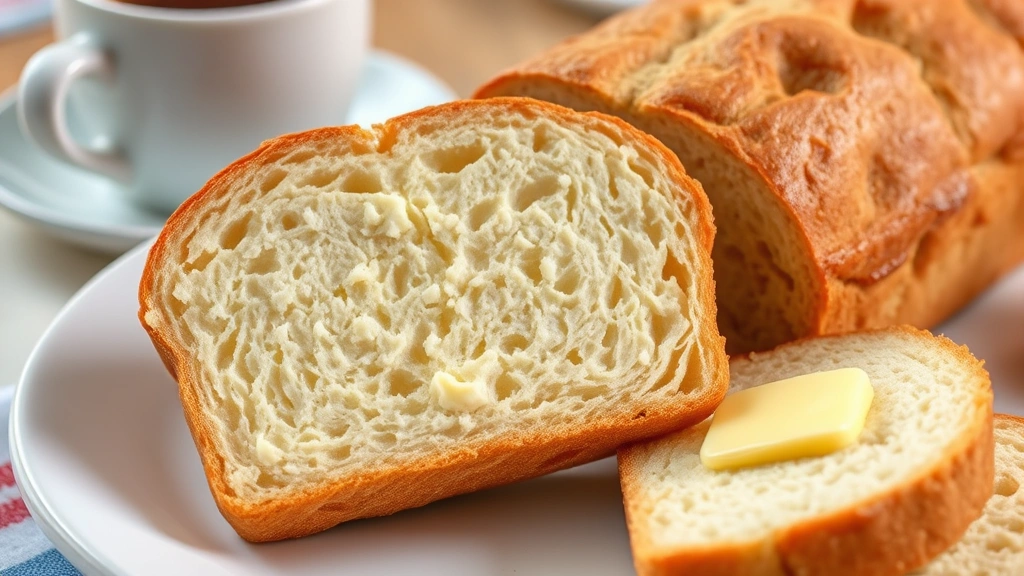
Ingredients You’ll Need
Before you begin, gather these essential ingredients for your cottage cheese bread:
- 2 cups all-purpose flour (or bread flour for chewier texture)
- 1 cup cottage cheese (small curd works best)
- 3/4 cup warm water (110°F or 43°C)
- 2 teaspoons instant yeast (or 1 packet)
- 1.5 teaspoons salt
- 2 tablespoons honey or sugar
- 1 tablespoon butter (melted)
- 1/2 teaspoon dill seeds (optional but recommended)
The quality of your cottage cheese matters significantly. Use full-fat or 2% cottage cheese rather than non-fat varieties, as the fat content contributes to texture and flavor. Small-curd cottage cheese blends more smoothly into your dough, creating a more uniform crumb structure. Room temperature cottage cheese incorporates more easily into the dough, so remove it from the refrigerator 30 minutes before starting.
Step-by-Step Instructions
Preparation Phase (5 minutes):
- Combine your warm water with instant yeast in a large mixing bowl. Let it sit for 2-3 minutes until foamy. This blooming process activates the yeast and ensures proper fermentation.
- Add cottage cheese, honey, and melted butter to the yeast mixture. Stir thoroughly until the cottage cheese is mostly incorporated. Small lumps are acceptable at this stage.
- In a separate bowl, whisk together flour, salt, and dill seeds. This pre-mixing distributes salt evenly and prevents it from killing yeast in localized areas.
Mixing and Kneading (10 minutes):
- Gradually add the flour mixture to your wet ingredients, stirring with a wooden spoon until a shaggy dough forms. The dough will appear rough and slightly sticky—this is normal.
- Turn the dough onto a lightly floured work surface. Knead for 8-10 minutes until smooth and elastic. The dough should spring back when poked with your finger.
- Use the windowpane test: stretch a small piece of dough thin enough to see light through it without tearing. If it holds, your gluten development is complete.
First Rise (60-90 minutes):
- Form dough into a ball and place in an oiled bowl, turning to coat all sides. Cover with a damp towel or plastic wrap.
- Let rise at room temperature (70-75°F or 21-24°C) for 60-90 minutes until doubled in size. The exact time depends on your kitchen temperature and yeast activity.
- To test readiness, press your finger gently into the dough. If the indentation slowly springs back halfway, you’re ready to shape.
Shaping and Second Rise (30-45 minutes):
- Punch down the risen dough gently to release excess gas. Turn onto your work surface and shape into a round or oval loaf.
- Place shaped dough into a greased loaf pan or on a parchment-lined baking sheet. Cover with a damp towel.
- Let rise for 30-45 minutes until the dough rises about 1 inch above the pan. It should feel airy but still hold its shape when gently pressed.
Baking (35-40 minutes):
- Preheat your oven to 375°F (190°C) for 15 minutes. This ensures consistent heat distribution and proper oven spring.
- Score the top of your loaf with a sharp knife in an X pattern or single slash. This controls where the bread expands and creates an attractive presentation.
- Bake for 35-40 minutes until golden brown and the loaf sounds hollow when tapped on the bottom. Internal temperature should reach 190-200°F (88-93°C).
- Cool on a wire rack for at least 20 minutes before slicing. This allows the crumb to set properly and makes slicing easier.
Baking Tips for Perfect Results
Understanding the science behind cottage cheese bread helps you troubleshoot any issues. The lactic acid bacteria in cottage cheese produces organic acids that enhance flavor and strengthen gluten, which is why professional bakers love this ingredient. However, these microorganisms are sensitive to temperature, so maintaining proper dough temperature is crucial.
Temperature Control: Aim for a dough temperature of 75-78°F (24-26°C) after mixing. If your kitchen is cold, use slightly warmer water. If it’s hot, use cooler water. This ensures consistent fermentation regardless of season.
Cottage Cheese Selection: Large-curd cottage cheese requires blending before use. Consider using an immersion blender to create a smoother consistency. This prevents lumps that might create unwanted texture variations in your finished bread.
Hydration Management: Cottage cheese bread has higher hydration than traditional loaves, making it slightly stickier to handle. Dust your work surface with flour rather than adding extra flour to the dough. This maintains proper hydration levels crucial for your crumb structure.
Fermentation Flexibility: If you need to extend fermentation time, place your dough in the refrigerator after the first rise. This slow fermentation develops deeper flavor and makes the dough easier to shape. Allow it to come to room temperature for 30 minutes before baking.
For those interested in expanding their baking repertoire, explore quick breakfast recipes that incorporate fresh bread. Cottage cheese bread pairs beautifully with morning spreads and makes exceptional toast.
Variations and Flavor Ideas
Herb-Infused Version: Replace dill seeds with fresh herbs like chives, parsley, or rosemary. Add 2-3 tablespoons of finely chopped fresh herbs to your dough during mixing. The moisture content of fresh herbs adds tenderness while their oils infuse the entire loaf with aromatic complexity.
Savory Cheddar Bread: Stir 1 cup shredded sharp cheddar cheese into your dough after the first rise. The cheese adds richness and creates pockets of flavor throughout your loaf. This variation makes exceptional sandwiches and pairs wonderfully with soups.
Seed-Studded Loaf: Mix sunflower seeds, pumpkin seeds, and sesame seeds into your dough. These seeds add nutritional value, textural interest, and increase protein content. Sprinkle additional seeds on top before baking for visual appeal.
Whole Wheat Version: Replace 1 cup of all-purpose flour with whole wheat flour. This creates a nuttier flavor and adds fiber. Whole wheat flour absorbs more water, so you may need to add an extra 2-3 tablespoons of water to maintain proper dough consistency.
Sweet Cottage Cheese Bread: Increase honey to 3 tablespoons and add 1 teaspoon vanilla extract. Mix in raisins, dried cranberries, or blueberries for a slightly sweet bread perfect for breakfast or dessert. This variation aligns with healthy dessert recipes that prioritize whole ingredients and proper nutrition.
Gluten-Free Adaptation: Substitute all-purpose flour with a high-quality gluten-free flour blend that includes xanthan gum. Cottage cheese bread is particularly forgiving for gluten-free baking because the cottage cheese provides additional structure. You may need to increase water slightly, as gluten-free flours absorb differently.
Storage and Shelf Life
One of the greatest advantages of cottage cheese bread is its exceptional shelf life. The moisture provided by cottage cheese keeps your bread soft and fresh for 4-5 days at room temperature, significantly longer than standard bread loaves. Store your cooled loaf in a bread box or wrapped in a clean kitchen towel to maintain optimal moisture levels.
Room Temperature Storage: Place your completely cooled loaf in a paper bag or bread box. Paper allows air circulation while preventing excessive moisture loss. Avoid plastic bags for room temperature storage, as they trap steam and promote mold growth.
Refrigerator Storage: While cottage cheese bread doesn’t require refrigeration, you can extend shelf life to 7-10 days by storing it in the refrigerator. Wrap tightly in plastic wrap or store in an airtight container. Bring to room temperature before serving for optimal texture and flavor.
Freezing Instructions: Cottage cheese bread freezes beautifully for up to 3 months. Slice your cooled loaf, wrap individual slices in plastic wrap, then place in a freezer bag. This allows you to thaw individual slices as needed. Toast directly from frozen for best results, or thaw at room temperature for 30 minutes.
Refreshing Stale Bread: If your loaf becomes slightly stale, wrap it in a damp paper towel and microwave for 10-15 seconds. This restores moisture and softness. Alternatively, slice and toast for crunchy bread for soups and salads.
FAQ
Can I use Greek yogurt instead of cottage cheese?
Greek yogurt can substitute for cottage cheese at a 1:1 ratio, though it creates slightly different texture. Greek yogurt is thicker and more acidic, resulting in a denser crumb with more pronounced tang. Strain Greek yogurt through cheesecloth for 30 minutes before using to reduce excess liquid.
What if my dough is too sticky to handle?
Cottage cheese bread dough is naturally moister than traditional bread. Rather than adding flour, use wet hands when shaping. Keep a bowl of water nearby and dampen your hands as needed. This maintains proper hydration while making the dough manageable.
Why is my cottage cheese bread dense?
Dense crumb typically results from under-fermentation or over-compression during shaping. Ensure your first rise reaches the full 60-90 minutes and that the dough doubles in size. Handle gently during shaping to preserve air bubbles developed during fermentation.
Can I make this recipe with a stand mixer?
Yes, absolutely. Use the dough hook attachment and mix on speed 2 for 8-10 minutes until the dough forms a smooth ball. This method reduces hands-on effort while achieving identical results. Cottage cheese should be fully incorporated before reaching the final kneading stage.
Is cottage cheese bread suitable for sandwiches?
Cottage cheese bread makes excellent sandwich bread. Its tender crumb and subtle richness complement both savory and sweet fillings. Allow the loaf to cool completely before slicing to prevent squishing. The bread’s moisture content prevents it from drying out even with wet fillings.
How do I know when the bread is fully baked?
Use multiple indicators: golden-brown exterior, hollow sound when tapped on the bottom, and internal temperature of 190-200°F (88-93°C) measured with an instant-read thermometer inserted into the center. These combined tests ensure proper baking throughout.
Can I add nuts to cottage cheese bread?
Absolutely. Add 1 cup chopped walnuts, pecans, or almonds to your dough during mixing. Toast nuts lightly before adding to enhance their flavor. Nuts add protein and healthy fats while creating textural interest throughout your loaf.
What’s the difference between instant and active dry yeast?
Instant yeast (also called bread machine yeast) has finer particles and slightly faster fermentation. Active dry yeast works equally well but may require an extra 10-15 minutes of rising time. Use them at 1:1 ratios—the recipe works with either type.
For more comprehensive baking knowledge, consult King Arthur Baking Company’s resource center, which offers detailed bread science information. Additionally, Food Network’s bread baking basics provides video demonstrations of essential techniques.
Professional bakers often reference Serious Eats’ comprehensive bread guide for scientific explanations of fermentation and hydration. These resources complement your cottage cheese bread journey beautifully.
The beauty of cottage cheese bread lies in its versatility and reliability. Master this baker’s favorite recipe, and you’ll have a dependable loaf for any occasion. Whether you’re creating quick breakfast recipes or serving alongside dinner, this bread delivers consistent excellence.
Start your cottage cheese bread journey today and discover why professional bakers have treasured this recipe for generations. The combination of superior moisture, extended shelf life, and exceptional flavor makes it an invaluable addition to your baking repertoire. Your family will appreciate the nutritional benefits and delicious taste that only cottage cheese bread provides.


