Crab Bisque Recipe: Chef’s Secret Techniques for Restaurant-Quality Results
Crab bisque represents the pinnacle of French culinary tradition, a velvety soup that combines the sweetness of fresh crab meat with aromatic vegetables and a luxurious cream base. This classic dish has graced fine dining establishments for centuries, yet many home cooks believe it requires professional training to master. The truth is that with proper technique and quality ingredients, anyone can create an impressive crab bisque that rivals restaurant versions. The key lies in understanding the fundamental principles: building a rich stock from crab shells, developing deep flavors through careful caramelization, and achieving the perfect silky texture through proper straining and emulsification.
What separates exceptional crab bisque from mediocre versions is attention to detail at every stage. Professional chefs understand that bisque isn’t simply soup with cream added—it’s a carefully constructed dish where each component serves a purpose. From the initial shell roasting to the final garnish, every step contributes to the final flavor profile and mouthfeel. This comprehensive guide reveals the professional secrets that transform ordinary ingredients into extraordinary soup.
Understanding Bisque Fundamentals
Bisque is fundamentally different from cream soups. While cream soups often use béchamel or simple cream-based thickening, bisque derives its body from the natural proteins and fats in shellfish shells and meat. The traditional French technique involves creating a shellfish-based sauce called sauce bisque, which becomes the foundation for the entire dish. This sauce develops its distinctive character through the interaction of caramelized shells, aromatic vegetables, and stock reduction.
The etymology of bisque itself provides insight into the dish’s construction. Many food historians believe the name derives from Bisquay, a bay in southwestern France, though others suggest it comes from the Spanish Biscay region. Regardless of origin, the technique has remained remarkably consistent: shells are roasted, aromatics are softened, tomato paste adds umami depth, and cognac or white wine provides acidity and complexity. Understanding this foundation helps explain why certain steps matter more than others.
Professional chefs recognize that bisque’s luxurious mouthfeel comes from three sources: the natural gelatin in crab shells, the emulsification of fat and liquid, and the addition of heavy cream. Each component requires proper technique. Rushing the shell roasting results in flat flavors. Insufficient vegetable caramelization fails to develop necessary depth. Improper straining leaves the soup grainy or gritty. Mastering these elements transforms your crab bisque from acceptable to exceptional.
Selecting Quality Crab and Ingredients
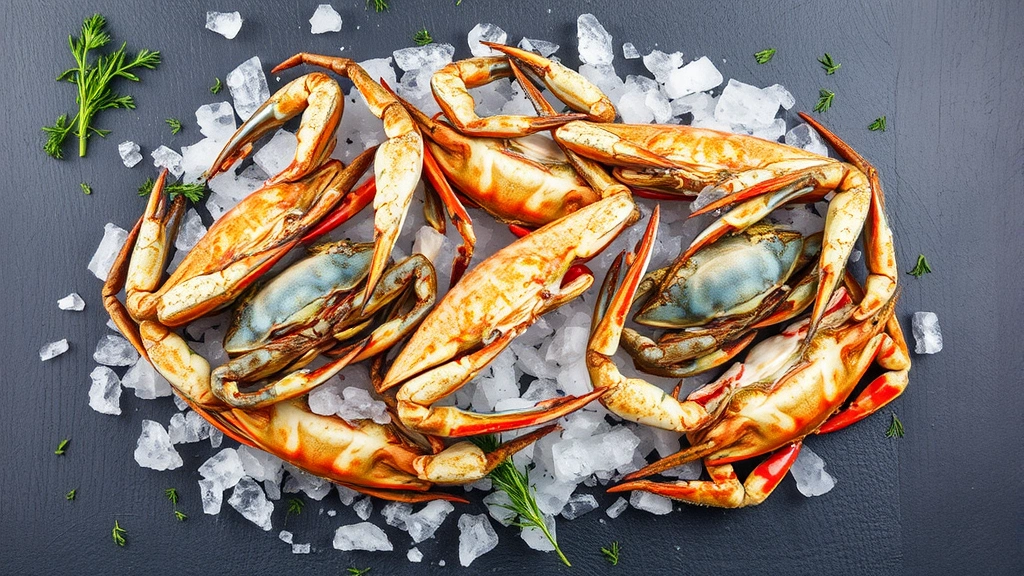
The foundation of exceptional crab bisque begins with ingredient selection. Live crabs are ideal, though high-quality frozen crabs work when fresh ones are unavailable. Blue crabs and Dungeness crabs are traditional choices, each offering distinct flavor profiles. Blue crabs provide a sweeter, more delicate flavor, while Dungeness crabs offer a slightly earthier, more robust taste. For the ultimate bisque, use a combination of both varieties if possible.
When selecting live crabs, choose specimens that are active and heavy for their size. The shell should feel hard and intact. Avoid crabs that appear lethargic or have soft shells, as these indicate poor quality or molting. If using frozen crabs, ensure they were frozen immediately after capture and show no signs of freezer burn. The meat should be sweet-smelling when thawed, never fishy or ammonia-like.
Beyond crab, quality ingredients significantly impact final results. Use unsalted butter from a reputable creamery—European-style butter with higher fat content works beautifully. Select fresh aromatics: yellow onions with papery skin, celery with firm stalks, and carrots with vibrant color. Garlic should be fresh, never sprouted. Use high-quality tomato paste, preferably double-concentrated. For liquid, choose fish stock made from white fish bones rather than vegetable stock, which lacks the necessary depth. For alcohol, use cognac or quality brandy—avoid cheap cooking brandy.
Heavy cream should be fresh and have a high fat content, ideally 36-40% butterfat. The difference between standard heavy cream and premium cream is noticeable in the final bisque’s texture and flavor. Fresh herbs like tarragon, chervil, and parsley should be vibrant green and fragrant. These details seem minor individually but collectively create the difference between good and exceptional bisque.
Preparing Your Crab Stock
Creating a flavorful crab stock is the most critical step in bisque preparation. This stock becomes the foundation for all subsequent flavor development. The process begins with humanely dispatching your crabs—a sharp knife through the cross on the shell’s underside is the standard professional method. Separate the shells from the bodies and reserve all meat in a covered container in the refrigerator. Keep the shells and body parts, as these will become your stock.
Rinse the shells thoroughly under cold running water, removing any sand or debris. Pat them completely dry with paper towels—moisture prevents proper browning. Break larger shells into manageable pieces, roughly 2-3 inches. In a heavy-bottomed stockpot or roasting pan, toss the shells with a small amount of neutral oil. Spread them in a single layer and place in a preheated 400°F oven.
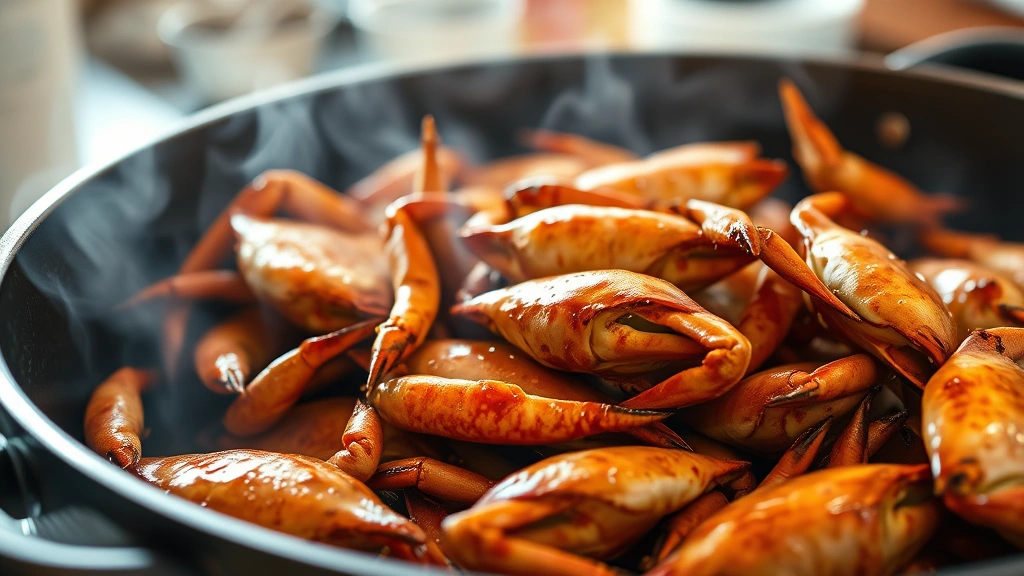
Roast the shells for 15-20 minutes until they turn deep reddish-brown. This Maillard reaction is crucial—it develops the complex, slightly sweet flavors that distinguish excellent bisque. Stir the shells halfway through roasting to ensure even browning. The shells should smell wonderfully aromatic, like roasted seafood. If they smell burnt or acrid, the heat was too high or the roasting time too long. Remove from the oven and transfer to your stockpot.
Add 2 tablespoons of butter to the roasting pan and scrape up all browned bits. Add this mixture to the stockpot along with the roasted shells. Cover with 2 quarts of cold water or fish stock. Bring to a gentle simmer and maintain this temperature for 45 minutes. Never boil—vigorous boiling creates a cloudy, bitter stock. Skim any foam that rises to the surface during the first 10 minutes. The resulting stock should be flavorful and slightly amber in color. Strain through a fine-mesh sieve, pressing gently on the shells to extract liquid. You should have approximately 6 cups of stock. This stock can be made a day ahead and refrigerated.
Building the Flavor Base
With quality stock prepared, the next phase involves building the flavor foundation that distinguishes restaurant-quality bisque. This process, called making the mirepoix and developing the sauce bisque, requires patience and attention. Begin by finely dicing 2 medium yellow onions, 3 stalks of celery, and 2 medium carrots. The pieces should be uniform, roughly ¼-inch dice, as this ensures even cooking and consistent flavor development.
In a heavy-bottomed pot, melt 3 tablespoons of unsalted butter over medium heat. When the butter foams, add the diced vegetables. Cook, stirring occasionally, for 8-10 minutes until the vegetables soften and begin to caramelize. You’re looking for light golden brown edges on the vegetables, which indicates sugar caramelization and flavor concentration. The vegetables should smell sweet and nutty. This step cannot be rushed—proper caramelization develops the depth that separates exceptional bisque from thin, one-dimensional versions.
Add 4 minced garlic cloves and cook for 1 minute until fragrant. Stir in 3 tablespoons of tomato paste, coating the vegetables thoroughly. Cook the tomato paste for 2-3 minutes, allowing it to caramelize slightly. This additional caramelization deepens the umami flavors. Deglaze the pot with ½ cup of cognac or quality brandy, scraping up any browned bits. Allow the alcohol to reduce by half, concentrating flavors and burning off harsh alcohol notes.
Pour in your prepared crab stock and bring to a simmer. Add a bay leaf, 4-5 fresh thyme sprigs, and 2 dried red chili peppers (optional, for subtle heat). Simmer gently for 30 minutes, allowing flavors to meld and develop. The liquid should reduce slightly, concentrating flavors. During this time, you’re essentially creating a shellfish-based sauce that will form the bisque’s flavor foundation. At this point, the base can be cooled and refrigerated overnight, which actually improves flavor as ingredients continue to infuse.
Creating the Perfect Bisque Texture
The distinctive silky texture of quality crab bisque results from careful attention to emulsification and straining techniques. This is where many home cooks struggle—they either end up with grainy soup or fail to achieve proper body. After your flavor base has simmered for 30 minutes, strain it through a fine-mesh sieve into a clean pot, pressing gently on the solids to extract all liquid and flavor. Discard the spent vegetables and aromatics. You should have approximately 5 cups of flavorful bisque base.
Return this strained liquid to medium heat. Add 1 cup of heavy cream very slowly, stirring constantly. Adding cream too quickly or at too high a temperature can cause it to break and become grainy. The cream should incorporate smoothly, creating a velvety consistency. The soup should coat the back of a spoon and flow slowly when tilted. If it seems too thin, continue simmering to reduce and concentrate flavors. If it seems too thick, add small amounts of fish stock or water until the desired consistency is achieved.
For the most refined texture, some professional chefs pass the finished bisque through a fine-mesh sieve or chinois again after adding cream. This removes any remaining vegetable fiber particles, creating an almost silken mouthfeel. While optional, this step elevates the final product noticeably. Season with fine sea salt and white pepper—white pepper is preferred over black because it won’t create visible specks in the pale soup.
Now is the moment to incorporate the reserved crab meat. Gently fold in 1½ cups of lump crab meat, being careful not to break the delicate pieces. Reserve some of the finest pieces for garnish. Heat through gently without boiling. Boiling will toughen the crab meat and can cause the cream to break. The bisque should be served immediately or kept warm in a bain-marie (water bath) at 160-170°F until service.
Professional Finishing Techniques
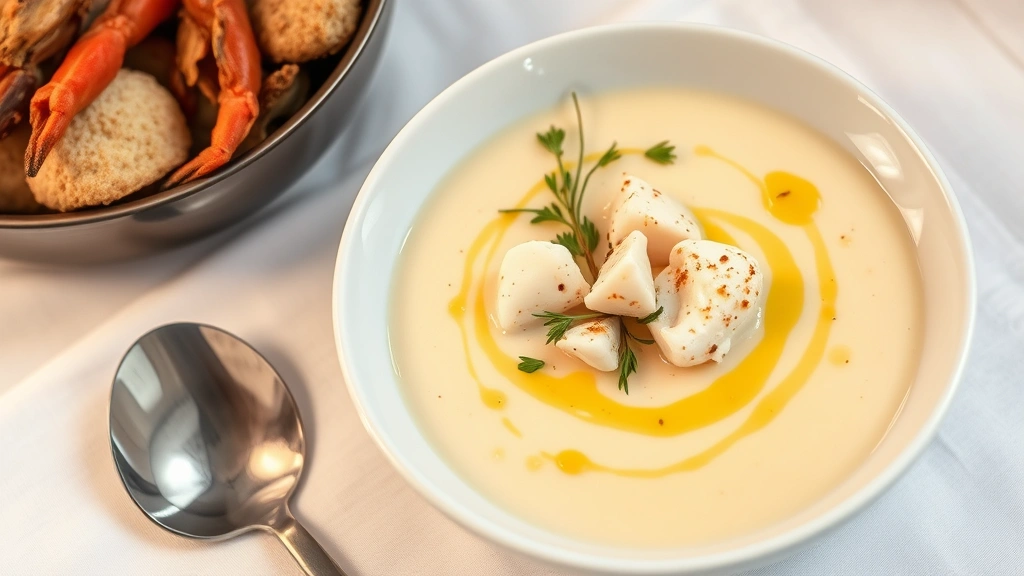
The final presentation separates casual soup from refined dining. Professional chefs understand that bisque should be served in warm, shallow bowls—the wider surface area allows diners to appreciate the aroma and color. Ladle the bisque carefully into each bowl, filling approximately two-thirds full. A crowded bowl overwhelms the palate; proper portioning enhances the experience.
Garnish with intention. A small mound of lump crab meat positioned in the center draws the eye and promises quality. A delicate sprinkle of finely minced fresh chervil or tarragon adds color and aromatic complexity. A thin drizzle of high-quality truffle oil or a whisper of smoked paprika can add sophistication. Some chefs garnish with crispy croutons made from white bread, adding textural contrast. A small basil leaf or microgreen provides visual elegance. Each garnish should serve a purpose—never garnish simply for decoration.
For a composed presentation, consider pairing your crab bisque with a refined protein like ribeye roast for an elegant dinner course. The bisque’s richness complements substantial proteins beautifully. Temperature is crucial—bisque should be served steaming hot, never lukewarm. The heat enhances flavors and provides the luxurious sensation that makes bisque memorable.
Advanced chefs sometimes finish bisque with a small knob of cold butter whisked in just before service. This technique, called monter au beurre, adds glossiness and enhances mouthfeel through emulsification. Use approximately ½ tablespoon of cold butter per cup of finished soup, whisking it in off heat. The residual heat melts the butter, creating a silky finish.
Serving and Pairing Suggestions
Crab bisque works beautifully as a first course in formal meals or as the star of a lighter lunch. For a first course, serve in small portions—approximately 6 ounces per person. This allows diners to appreciate the soup without overwhelming their palates before the main course. For lunch, increase portions to 10-12 ounces and serve with crusty bread and a simple green salad featuring a steak salad preparation for textural contrast.
Wine pairing elevates the bisque experience. Dry white wines with good acidity, such as Sauvignon Blanc, Albariño, or Chablis, complement the soup’s richness beautifully. The wine’s acidity cuts through the cream while the wine’s minerality echoes the crab’s briny character. Avoid heavily oaked wines, which can overpower the delicate crab flavors. Champagne or high-quality sparkling wine works wonderfully for special occasions, adding celebratory elegance.
Bread pairing matters significantly. Crusty French bread, toasted until golden, provides textural contrast and allows diners to soak up every precious drop. Garlic-rubbed croutons add flavor dimension. For a lighter option, thin crisps made from phyllo dough offer crunch without heaviness. Some chefs serve bisque with small cheese gougères—airy pastries that complement the soup’s richness.
Leftover bisque keeps refrigerated for 3-4 days. Reheat gently in a double boiler, never directly over heat, which can cause the cream to break. Bisque also freezes reasonably well, though the cream can separate slightly upon thawing. To freeze, cool completely and store in airtight containers for up to 2 months. Thaw in the refrigerator overnight before reheating. If separation occurs, blend the reheated soup briefly with an immersion blender to re-emulsify.
For a complete seafood-focused meal, consider preparing horseradish sauce as an accompaniment to your main course, or explore homemade pasta sauce techniques for additional culinary skills. For those interested in health-conscious dining, review high protein recipes for weight loss to balance rich appetizers with lighter mains, or explore healthy dessert recipes for concluding your meal.
Understanding proper crab bisque technique opens doors to creating other refined shellfish soups. Lobster bisque follows identical methodology, simply substituting lobster for crab. Shrimp bisque uses similar principles with smaller cooking times. These fundamental techniques represent core culinary knowledge that elevates all your cooking.
FAQ
Can I make crab bisque without live crabs?
Absolutely. High-quality frozen crab works well, and some chefs argue that frozen crab shells actually create superior stock because freezing breaks down cell walls, releasing more flavor. You can also use crab meat from local seafood markets. The key is ensuring freshness—your nose is the best judge. If it smells fresh and briny, proceed with confidence.
What’s the difference between bisque and cream soup?
Bisque derives its body primarily from shellfish stock and natural proteins, creating a naturally thickened, luxurious consistency. Cream soups typically use béchamel (butter and flour roux) or simple cream thickening. Bisque has deeper, more complex flavors from the shellfish foundation.
Can I substitute the cognac with something else?
Yes, though cognac provides distinctive flavor. Quality brandy works similarly. Dry white wine offers a lighter alternative, though you’ll lose some depth. Avoid cheap cooking liqueurs. If avoiding alcohol entirely, omit it and add an additional tablespoon of tomato paste for umami depth.
How do I prevent curdling in the cream?
Never boil the bisque after adding cream. Add cream slowly to the hot soup while stirring constantly. Ensure all ingredients are fresh—old cream curdles more easily. If curdling does occur, strain through fine mesh and blend with an immersion blender to re-emulsify.
Can I make bisque ahead for dinner parties?
Yes. Prepare the stock and flavor base the day before. Refrigerate separately. On serving day, combine and finish with cream and crab meat just before serving. This approach reduces last-minute stress while ensuring optimal flavor and texture.
What’s the ideal serving temperature?
Bisque should be steaming hot, approximately 180-190°F when served. This temperature enhances flavors and provides the luxurious sensation that makes bisque memorable. Use a thermometer until you develop intuition for proper temperature.


