Homemade Curry Powder: Chef’s Secret Guide to Blending the Perfect Spice Mix
Making curry powder at home transforms your cooking from ordinary to extraordinary. Store-bought versions sit on shelves for months, losing their vibrant aromatics and potent flavor compounds. When you blend curry powder yourself, you capture the essential oils and heat of freshly toasted spices at their peak. Professional chefs understand this secret: the difference between mediocre curry and restaurant-quality curry often comes down to one thing—freshly ground spice blends made moments before cooking.
This comprehensive guide reveals exactly how professional cooks create curry powder that rivals any commercial brand. You’ll discover which spices form the foundation, why toasting matters more than you think, and how to customize your blend for different cuisines and dishes. Whether you’re preparing rice bowl recipes or traditional curries, homemade powder elevates every bite with authentic flavor and complexity that pre-ground mixes simply cannot match.
Understanding Curry Powder Basics
Curry powder isn’t a single spice—it’s a carefully orchestrated combination of spices that creates balanced, complex flavor. The term “curry” itself comes from the Tamil word “kari,” meaning sauce or relish. What we call curry powder in Western kitchens represents a Western interpretation of Indian spice blends, though authentic Indian cooking rarely uses a pre-mixed powder in the same way.
Professional chefs distinguish between curry powder and curry pastes. Powders are dry blends of ground spices, while pastes incorporate fresh ingredients like ginger, garlic, and chilies with oil. Both serve purposes, but curry powder offers versatility, longer shelf life, and the ability to customize heat levels and flavor profiles. When you make your own curry powder recipe, you control every variable: the ratio of warm spices to hot spices, the prominence of turmeric, and the balance between earthy and bright flavors.
The magic of homemade curry powder lies in freshness. Spices contain volatile oils—the compounds responsible for aroma and flavor. These oils begin degrading the moment spices are ground. Commercial producers grind spices weeks or months before packaging. By toasting whole spices and grinding them fresh, you preserve these precious oils, resulting in powder that tastes noticeably more vibrant and aromatic than anything from a jar that’s been sitting in a warehouse.
Essential Spices for Your Blend
Every great curry powder starts with a foundation of core spices. Understanding each ingredient’s role helps you create balanced blends and make intelligent substitutions based on your preferences and what you have available.
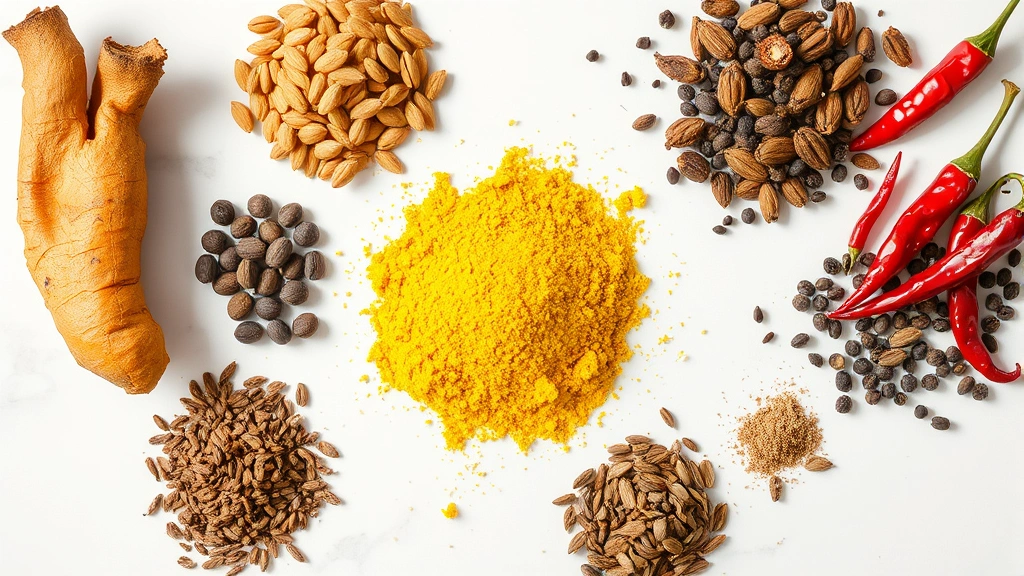
Turmeric forms the base of virtually every curry powder. This rhizome delivers earthy warmth, subtle bitterness, and that characteristic golden color. Beyond flavor, turmeric contains curcumin, a compound with potential anti-inflammatory properties that chefs and food scientists continue studying. Use high-quality turmeric—the difference in flavor between premium and budget versions is substantial.
Coriander seeds provide brightness and subtle citrus notes. These round, ribbed seeds have been used in spice blends for thousands of years. When toasted, coriander releases floral, slightly sweet aromatics that balance the earthiness of turmeric. Most curry powders contain coriander as the second most prominent ingredient after turmeric.
Cumin seeds add warmth and a slightly nutty, earthy character. Unlike coriander’s brightness, cumin grounds the blend with deeper, more savory tones. The combination of coriander and cumin creates the classic curry powder foundation that works across countless dishes.
Fenugreek seeds contribute maple-like sweetness and subtle bitterness. These small, hard seeds require longer toasting than other spices. Use them sparingly—too much fenugreek overwhelms the blend. Professional blenders typically use fenugreek at about 5-10% of the total blend.
Black peppercorns deliver heat and pungency. Unlike chili peppers which provide sharp heat, black pepper offers complex, slightly floral warmth. Freshly ground pepper tastes dramatically different from pre-ground versions, so always crack or grind whole peppercorns yourself.
Chili peppers (dried) add heat and fruity depth. Whether you use Kashmiri chilies for mild color and flavor, or hotter varieties like cayenne, dried chilies define your powder’s heat level. Whole dried chilies offer better flavor control than chili powder, which often contains additives.
Mustard seeds (optional but recommended) add nutty depth and slight pungency. These tiny seeds toast quickly and can burn easily, so watch them carefully. They’re particularly valuable in South Indian curry powders.
Cloves, cinnamon, and cardamom (optional) introduce warming, aromatic notes reminiscent of garam masala spices. Use these sparingly—they’re potent and can easily overpower other flavors. These work better in sweeter curry applications or specific regional blends.
The Toasting Technique
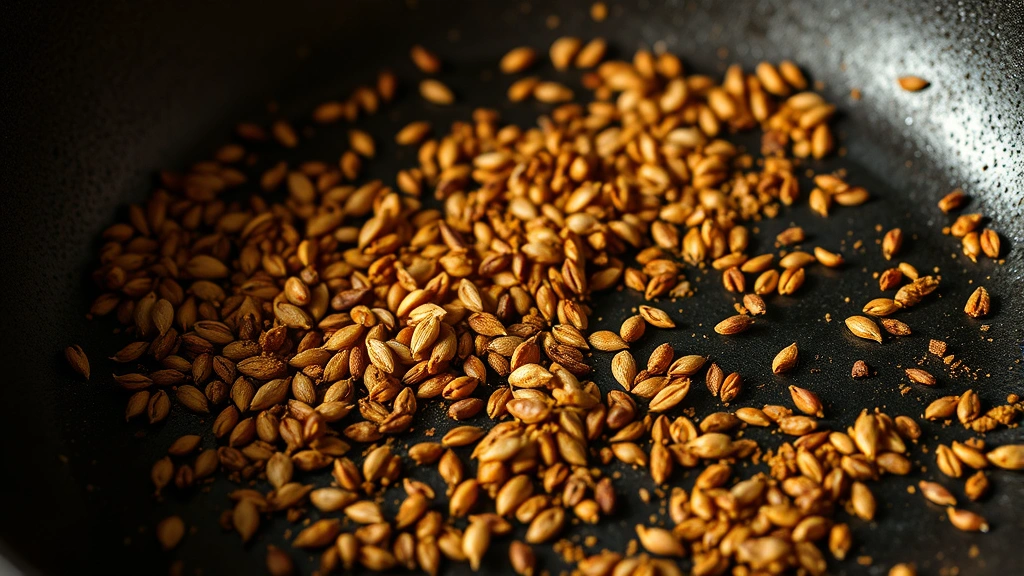
Toasting whole spices before grinding is the single most important step separating mediocre homemade curry powder from excellent curry powder. Heat activates and concentrates the volatile oils, deepening flavors and creating aromatic complexity impossible to achieve with raw spices. This is why professional kitchens always toast spices fresh.
Use a dry skillet—cast iron, stainless steel, or heavy-bottomed cookware all work well. Avoid non-stick pans for this application, as they don’t distribute heat as effectively. Set your stovetop to medium heat. The goal is gentle, gradual toasting, not rapid browning. Rushing this step burns spices, creating bitter, acrid flavors that ruin your entire batch.
Start with spices that require longer toasting: fenugreek seeds and cumin seeds go in first. Toast for 30-45 seconds, listening for a subtle crackling sound. Add coriander seeds next, toasting another 30-45 seconds. These three spices form your aromatic base. Watch them constantly—their color should deepen slightly, but they should never turn dark brown.
Next, add black peppercorns and toast for 15-20 seconds. Then add dried chilies and any optional spices like mustard seeds. Toast everything together for another 20-30 seconds. The entire toasting process should take 2-3 minutes maximum. You’ll know you’re done when the kitchen fills with incredible aromatic fragrance—this signals that volatile oils are being released.
Remove the skillet from heat immediately. Spices continue cooking from residual heat, so transfer them to a plate or bowl right away to stop the cooking process. Let them cool completely—this takes about 5-10 minutes. Cool spices are easier to grind and maintain their flavor better than warm spices.
Step-by-Step Blending Process
Once your spices are cooled, it’s time to grind them into powder. You have several equipment options, each with advantages and disadvantages.
Spice grinder or dedicated coffee grinder: This is the professional choice. These compact electric grinders are purpose-built for spices and create fine, consistent powder in seconds. They’re affordable (usually $15-30), efficient, and essential if you plan to make curry powder regularly. Dedicated spice grinders prevent coffee flavor from contaminating your spices.
Mortar and pestle: This traditional method works beautifully if you’re patient. Use a heavy stone or ceramic mortar and pestle. Start by crushing spices coarsely, then gradually grind finer. This requires 5-10 minutes of effort but gives you complete control. Many chefs appreciate the meditative quality of hand-grinding spices.
Food processor: This works but produces less consistent results. Spices can grind unevenly, with some pieces remaining whole while others become powder. If you use a food processor, pulse in short bursts rather than running continuously, and work in batches.
For best results with a spice grinder, grind spices in two batches. This prevents overloading the grinder and ensures more consistent texture. Fill the grinder no more than halfway. Grind the first batch for 30-45 seconds, transfer to a bowl, then grind the second batch. Finally, combine both batches and pulse them together briefly to ensure even distribution.
The finished curry powder should be fine and uniform, resembling the texture of commercial powders. If you see large pieces, grind again briefly. Store immediately in an airtight container—exposure to air degrades the volatile oils you worked to preserve.
Regional Curry Powder Variations
Different regions and cuisines use distinct curry powder blends. Understanding these variations helps you create powders suited to specific dishes. When preparing arroz con gandules or other rice-based dishes, regional variations can significantly impact authenticity.
Madras Curry Powder: This blend from Southern India features prominent turmeric, coriander, and cumin with significant heat from chili peppers. It’s more assertive and spicy than milder blends. Use Madras curry powder for robust dishes that can handle bold flavors. The ratio is typically: 3 tablespoons turmeric, 2 tablespoons coriander, 2 tablespoons cumin, 2 dried chilies, 1 tablespoon black peppercorns.
Mild Curry Powder: This Western-adapted blend prioritizes comfort over heat. It contains less chili and more warming spices like cinnamon and cloves. This works beautifully for curries served to mixed groups with varying heat tolerances. The ratio is: 3 tablespoons turmeric, 2 tablespoons coriander, 2 tablespoons cumin, 1 tablespoon fenugreek, 1 teaspoon black peppercorns, 1/2 teaspoon cinnamon, 4-5 cloves.
South Indian Curry Powder: This blend emphasizes mustard seeds, fenugreek, and dried red chilies. It’s often used for vegetable curries and dals. The distinctive flavor profile includes more pronounced heat and nutty depth. The ratio is: 2 tablespoons turmeric, 2 tablespoons coriander, 2 tablespoons cumin, 1.5 tablespoons fenugreek, 1 tablespoon mustard seeds, 1 tablespoon black peppercorns, 2-3 dried chilies.
Garam Masala-Influenced Curry Powder: This blend incorporates warming spices like cardamom, cinnamon, and cloves more prominently. It’s suitable for richer, creamier curries. The ratio is: 3 tablespoons turmeric, 2 tablespoons coriander, 2 tablespoons cumin, 1 tablespoon fenugreek, 1 teaspoon black peppercorns, 1 teaspoon cinnamon, 5-6 cardamom pods (seeds only), 6-8 cloves, 1-2 dried chilies.
When making instant pot rice recipe dishes that pair with curry, using the appropriate regional blend ensures authentic flavor harmony. Experiment with these ratios, adjusting heat levels and spice proportions to match your preferences and the specific dishes you’re preparing.
Storage and Shelf Life
Proper storage preserves your homemade curry powder’s quality and potency. Unlike spices stored for years, homemade powder is best used within 2-3 months for optimal flavor. This relatively short window is actually an advantage—it encourages you to make fresh batches regularly, ensuring you always have vibrant, aromatic powder.
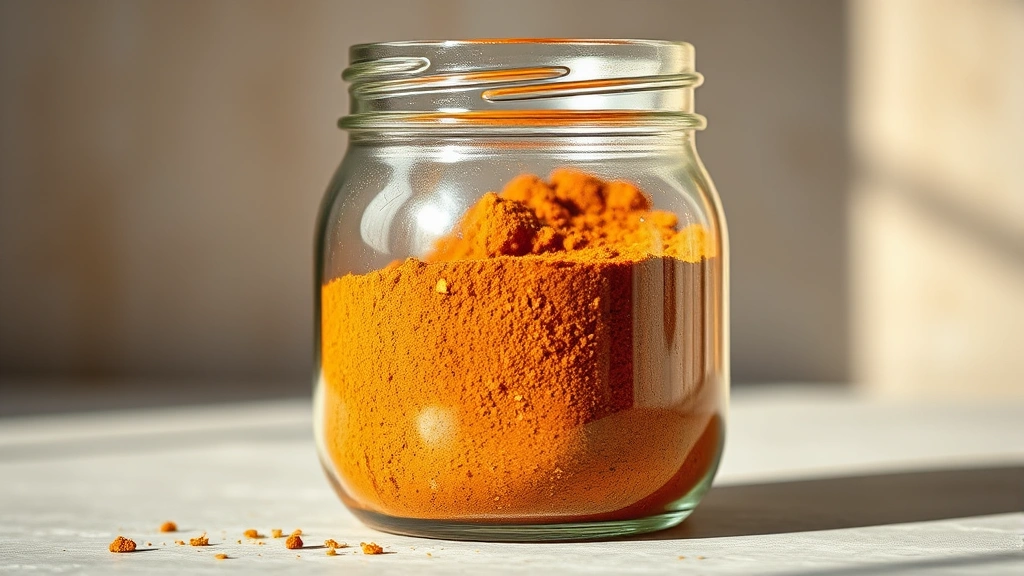
Store curry powder in airtight glass containers away from light, heat, and moisture. Glass is superior to plastic because it doesn’t absorb odors or oils. Small mason jars work perfectly. Label your containers with the blend name and date made. This tracking system helps you remember when you made each batch and plan for fresh batches.
Keep containers in a cool, dark cupboard—not above the stove where heat accelerates flavor degradation. A pantry or kitchen cabinet away from appliances is ideal. Some chefs refrigerate curry powder in airtight containers to extend shelf life, though this is unnecessary for powders used regularly.
Signs that your curry powder has degraded include faded color, weak aroma, and flat flavor. If your powder smells musty or off, discard it. Moisture contamination can occur if you use wet spoons to scoop powder—always use dry utensils.
Using Your Homemade Blend
Your homemade curry powder works beautifully in countless applications. The key to successful use is understanding how curry powder behaves in different cooking methods and dishes.
In curries: Bloom curry powder in hot oil or ghee for 1-2 minutes before adding other ingredients. This step, called tempering, releases the spice blend’s aromatics and distributes flavors evenly throughout the dish. Add onions, then your main proteins or vegetables. This is the traditional approach used in countless curry recipes worldwide.
In rice dishes: Add curry powder directly to rice cooking water for subtle flavor, or bloom it in oil before mixing with cooked rice. When preparing rice bowl recipes, curry powder adds complexity without overwhelming other ingredients. Start with 1-2 teaspoons per cup of uncooked rice and adjust to taste.
In soups and stews: Bloom curry powder in oil or butter before adding liquids. This prevents clumping and ensures even distribution. Curry powder works particularly well in vegetable soups, lentil soups, and coconut-based broths.
In marinades: Mix curry powder with yogurt, oil, lemon juice, and garlic for marinades. The powder’s spices penetrate proteins beautifully, creating flavorful, tender results. Marinate for at least 30 minutes, though overnight yields better results.
In dry rubs: Combine curry powder with salt and pepper for meat rubs. The powder creates a flavorful crust when grilled or roasted. This application works particularly well for chicken, lamb, and pork.
In salad dressings: Whisk curry powder into vinaigrettes for complex, interesting salad dressings. This works particularly well with fruit-based salads and grain salads. Use 1/2 to 1 teaspoon per cup of dressing.
Start conservatively when using homemade curry powder—it’s more potent than many commercial blends. You can always add more, but you cannot remove excess powder. Taste as you cook and adjust seasonings accordingly.
FAQ
Can I make curry powder without toasting spices?
Technically yes, but you’ll lose significant flavor and aroma. Toasting is what transforms raw spices into vibrant, complex seasoning. The difference is substantial enough that the small extra effort is absolutely worth it. Untoasted curry powder tastes flat and one-dimensional by comparison.
How much curry powder should I use in recipes?
Start with 1-2 teaspoons per serving and adjust to taste. The amount varies based on the dish, other ingredients, and your heat tolerance. Recipes calling for commercial curry powder may need slightly less homemade powder since it’s more potent. Always taste and adjust.
Can I store curry powder in the freezer?
Yes, freezing extends shelf life to 6-12 months. Use airtight containers and thaw completely before opening to prevent condensation. However, most homemade curry powder is used within 2-3 months anyway, making freezing unnecessary for regular users.
What if I don’t have a spice grinder?
A mortar and pestle works beautifully, though it requires more effort. A coffee grinder dedicated to spices also works. Avoid using your main coffee grinder unless you don’t mind spice flavors in your coffee. Some people enjoy this combination, but most prefer keeping them separate.
Can I use pre-ground spices instead of whole spices?
Pre-ground spices lose flavor quickly and won’t give you the same vibrant results. If you must use pre-ground spices, store them in the freezer and use them within 1-2 months. However, seeking out whole spices is worthwhile—they’re often cheaper and always superior in quality.
Why does my curry powder taste bitter?
Bitter flavor usually indicates over-toasting or over-grinding. Reduce heat when toasting next time and watch spices carefully. Similarly, avoid grinding too long—30-45 seconds is usually sufficient. Bitter flavors can also result from low-quality spices, so invest in fresh, high-quality sources.
Can I add salt to my curry powder blend?
Most professionals keep salt separate, allowing cooks to control sodium levels independently. However, if you prefer pre-salted powder, add salt after grinding. Use about 1-2 teaspoons of salt per 1/4 cup finished curry powder. Store separately from unsalted powder to maintain flexibility in recipes.
What external resources help me learn more about spice blending?
The Culinary Institute of America offers excellent resources on spice science and blending techniques. The Institute of Food Technologists provides food science research on spice flavor compounds. Chef blogs like Serious Eats feature detailed spice guides and curry powder tutorials. The Perfect Pantry specializes in spice blending and storage techniques. Finally, Spice Wise offers comprehensive ingredient databases and sourcing information.


