Gluten-Free Dairy-Free Meals? Nutritionist Approved
Living with gluten and dairy sensitivities doesn’t mean sacrificing flavor, nutrition, or satisfaction at mealtime. Whether you’re managing celiac disease, lactose intolerance, or simply choosing to eliminate these ingredients for wellness reasons, creating balanced, delicious meals is entirely achievable with the right knowledge and approach. The key lies in understanding ingredient substitutions, nutritional balance, and cooking techniques that maximize both taste and health benefits.
Many people worry that removing gluten and dairy will limit their culinary options, but the reality is quite different. Modern cooking offers countless naturally gluten-free and dairy-free alternatives that don’t compromise on nutrition or enjoyment. From ancient grains to plant-based proteins, from creative dairy replacements to innovative cooking methods, you’ll discover that restriction can actually spark culinary creativity. This comprehensive guide walks you through everything you need to know about preparing nutritionist-approved gluten-free dairy-free meals that nourish your body and delight your palate.
Understanding Gluten and Dairy Sensitivities
Before diving into meal preparation, it’s important to understand why you’re avoiding gluten and dairy. Celiac disease is an autoimmune condition affecting approximately 1% of the population, where consuming gluten triggers an immune response that damages the small intestine. Non-celiac gluten sensitivity affects millions more, causing digestive discomfort, fatigue, and inflammation without the same intestinal damage. Dairy sensitivities range from lactose intolerance—difficulty digesting milk sugar—to milk protein allergies, which are immune responses to casein or whey proteins.
Understanding your specific condition helps you make informed choices about which products to avoid and which substitutions will work best for your body. Someone with celiac disease must be more vigilant about cross-contamination and hidden gluten sources, while those with lactose intolerance might tolerate aged cheeses or lactose-free products. Consulting with a registered dietitian ensures your gluten-free dairy-free approach provides adequate nutrients, including calcium, vitamin D, B vitamins, and iron—nutrients often associated with wheat and dairy products.
The good news: nutritionists consistently affirm that well-planned gluten-free dairy-free diets support excellent health outcomes. You’re not limiting yourself; you’re optimizing your nutrition by choosing whole foods and mindful substitutions.
Essential Pantry Staples for GF/DF Cooking
Building a well-stocked pantry is your foundation for successful gluten-free dairy-free cooking. These staples enable you to prepare meals quickly and creatively without constantly shopping for specialty items.
Flour Alternatives: Stock several gluten-free flour blends for different applications. Brown rice flour works well for denser baked goods, while almond flour adds richness to cookies and cakes. Oat flour (certified gluten-free) provides a mild flavor for pancakes and muffins. Tapioca starch helps create light, crispy textures in breading and batters. Coconut flour absorbs more liquid than wheat flour, requiring recipe adjustments. A quality all-purpose gluten-free blend simplifies baking by mimicking wheat flour’s behavior.
Grains and Pseudocereals: Beyond rice, explore quinoa (a complete protein), millet, buckwheat groats, amaranth, and certified gluten-free oats. These whole grains provide fiber, minerals, and sustained energy. Polenta (cornmeal) offers comfort-food versatility, while teff flour brings Ethiopian cuisine into your kitchen.
Dairy Alternatives: Keep several plant-based milk options on hand: unsweetened almond milk for cooking, oat milk for creamy applications, coconut milk for curries, and cashew milk for homemade cream sauces. Nutritional yeast adds cheesy flavor and B vitamins to savory dishes. Coconut cream provides richness equivalent to heavy cream. Dairy-free butter alternatives support baking and cooking needs.
Proteins and Legumes: Canned beans (black, pinto, chickpeas) provide quick protein and fiber. Lentils (red, green, brown) cook faster than dried beans and work in soups, salads, and grain bowls. Nuts, seeds, and nut butters offer healthy fats and protein. Tofu and tempeh provide complete proteins for stir-fries and scrambles.
Seasonings and Flavor Builders: Quality spices, herbs, garlic, ginger, coconut aminos (soy sauce alternative), tamari (gluten-free soy sauce), vinegars, and hot sauces create depth without relying on wheat-based sauces or dairy-based gravies. Stock low-sodium vegetable and bone broths for soups and cooking grains.
Protein Sources Beyond Traditional Options
Complete proteins contain all nine essential amino acids your body cannot produce independently. While animal proteins (meat, fish, eggs) are naturally complete and gluten-free, plant-based options require strategic combining or selection of complete plant proteins.
Animal-Based Proteins: Fresh and frozen fish, poultry, beef, pork, lamb, and eggs are naturally gluten-free and nutrient-dense. Eggs provide choline for brain health and lutein for eye health. Wild-caught fish offers omega-3 fatty acids crucial for inflammation management. Grass-fed beef contains higher levels of omega-3s and conjugated linoleic acid. When purchasing processed meats, always check labels for gluten-containing additives and dairy ingredients.
Plant-Based Complete Proteins: Quinoa, buckwheat, hemp seeds, chia seeds, spirulina, and nutritional yeast are complete proteins requiring no combining. Soy products (tofu, tempeh, edamame) provide all essential amino acids plus iron and calcium. These work beautifully in stir-fries, grain bowls, and soups.
Protein Combining: Pair incomplete plant proteins strategically: beans with rice, lentils with quinoa, or hummus with vegetables. This ancient approach, used in cuisines worldwide, ensures complete amino acid profiles while adding nutritional variety.
Nuts and Seeds: Almonds, walnuts, sunflower seeds, and pumpkin seeds provide protein alongside healthy fats and minerals. Create seed butters for smoothies and sauces. Sprout seeds to increase nutrient bioavailability and reduce anti-nutrients.
Creating Balanced Nutritionist-Approved Meals
Nutritionists recommend building each meal around three components: protein, healthy fats, and complex carbohydrates, plus vegetables for micronutrients and fiber. This formula keeps you satisfied, stabilizes blood sugar, and supports sustained energy throughout your day.
The Plate Method: Visualize your plate divided into quarters. One quarter contains protein (palm-sized portion). One quarter contains complex carbohydrates like sweet potato, brown rice, or quinoa. Half your plate contains non-starchy vegetables in various colors. Add a thumb-sized portion of healthy fat through olive oil, avocado, nuts, or seeds. This visual approach simplifies meal planning and ensures nutritional completeness.
Micronutrient Considerations: Without dairy, prioritize calcium through fortified plant milks, leafy greens, tahini, almonds, and bone broth. Vitamin D sources include fatty fish, egg yolks, and fortified products (verify gluten-free status). Vitamin B12, primarily found in animal products, should be supplemented if following a plant-based approach. Iron absorption increases when paired with vitamin C-rich foods; combine beans with tomatoes or lentils with bell peppers. Zinc comes from seeds, legumes, and meat.
Fiber Optimization: Gluten-free products often lack fiber. Deliberately include high-fiber foods: vegetables, fruits, legumes, seeds, and whole grains. Gradually increase fiber intake to avoid digestive discomfort, and drink adequate water to support digestion.
Breakfast Ideas to Start Your Day Right
Breakfast sets the tone for your entire day. Protein-rich, balanced breakfasts prevent mid-morning energy crashes and reduce afternoon cravings.
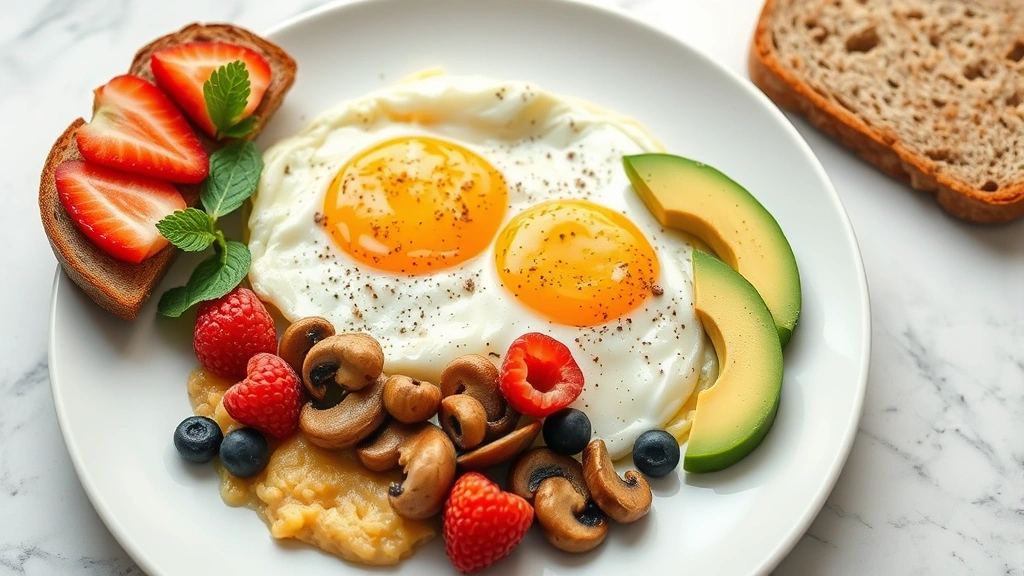
Egg-Based Breakfasts: Scrambled eggs with sautéed vegetables and avocado, vegetable frittatas, shakshuka (eggs poached in spiced tomato sauce), or omelets filled with mushrooms and fresh herbs provide complete protein and satisfy completely. Pair with gluten-free toast made from quality bread or serve alongside roasted potatoes.
Grain and Seed Bowls: Cook certified gluten-free oats, quinoa, or millet, then top with dairy-free yogurt (coconut or almond-based), fresh berries, sliced banana, chopped nuts, and a drizzle of maple syrup. Add ground flaxseed or chia seeds for omega-3s. This combination provides complete protein, fiber, and sustained energy.
Smoothie Bowls: Blend frozen berries, banana, dairy-free milk, and plant-based protein powder, then pour into a bowl and top with granola (verify gluten-free), shredded coconut, nuts, and seeds. This approach offers flexibility for adding vegetables like spinach (undetectable in fruit smoothies) for micronutrients.
Savory Options: Polenta topped with sautéed mushrooms and dairy-free pesto, sweet potato hash with fried eggs, or gluten-free pancakes made with almond flour and served with dairy-free butter and pure maple syrup provide satisfying alternatives to traditional breakfast carbohydrates.
Lunch and Dinner Solutions
Main meals require strategic planning to balance nutrition while maximizing flavor. The following approaches work for both lunch and dinner preparation.
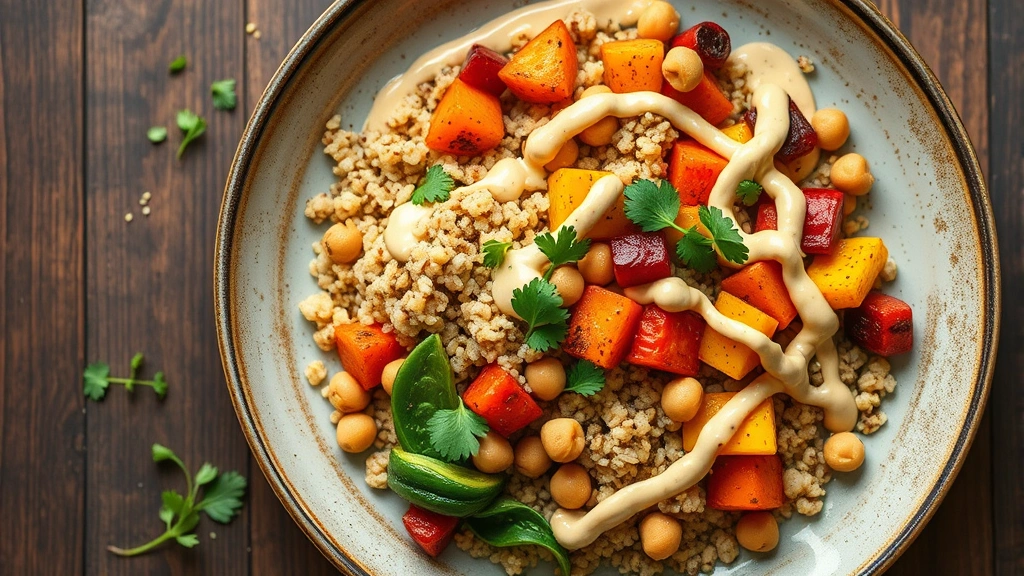
Grain Bowls: Build bowls with your choice of grain base (brown rice, quinoa, millet), roasted vegetables, protein, and a flavorful sauce. Drizzle with tahini-lemon dressing, coconut aminos-ginger sauce, or olive oil and balsamic vinegar. This format adapts endlessly: Mediterranean style with chickpeas and cucumber, Asian-inspired with tofu and bok choy, or Mexican-themed with black beans and cilantro.
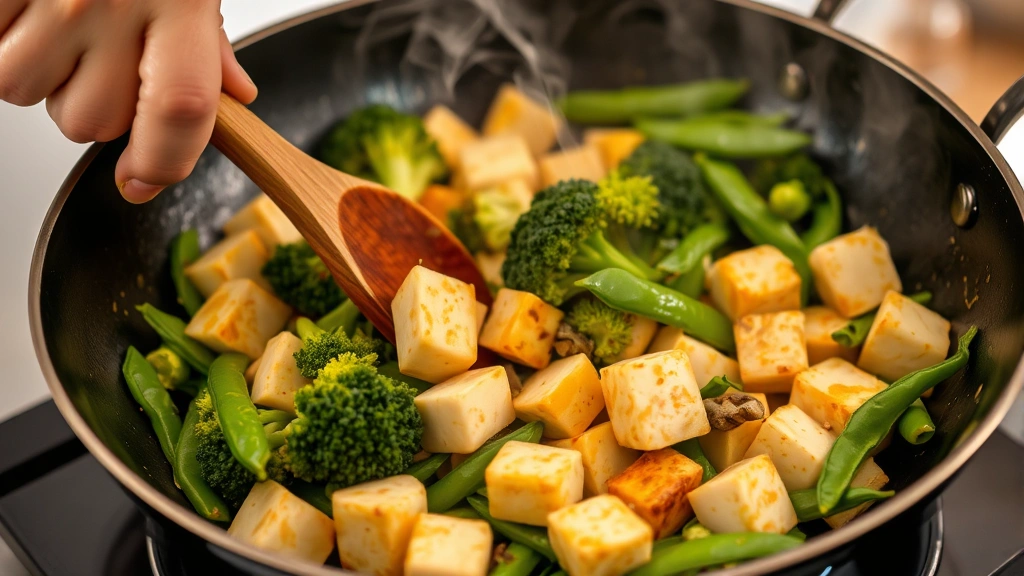
Stir-Fries and Sautés: Quick-cooking vegetables, protein, and gluten-free tamari or coconut aminos create satisfying meals in 20 minutes. Serve over rice, quinoa, or rice noodles. The high-heat cooking preserves nutrients while creating complex flavors through caramelization.
Soups and Stews: Bone broth-based soups provide collagen for gut health and joint support. Vegetable-packed minestrone (using gluten-free pasta), chicken and vegetable soup, lentil stew, or Thai coconut curry soup combine hydration, nutrients, and comfort. Make large batches for freezing and convenient weeknight dinners.
Roasted Meals: Sheet pan dinners featuring roasted protein (salmon, chicken, tofu) alongside roasted vegetables and a starch (sweet potato, regular potato, or cauliflower rice) require minimal cleanup. Drizzle with olive oil, season generously, and roast at 425°F for 20-25 minutes.
Seafood Dishes: Grilled fish with lemon and herbs, shrimp tacos using lettuce or gluten-free corn tortillas, or baked white fish with roasted vegetables provide lean protein and omega-3 fatty acids. Seafood cooks quickly, making weeknight preparation feasible.
Pasta Alternatives: Gluten-free pasta has improved dramatically; brown rice pasta, chickpea pasta, and lentil pasta offer better texture and higher protein than earlier versions. Pair with marinara sauce, dairy-free pesto made with nutritional yeast, or olive oil and garlic. Zucchini noodles, sweet potato noodles, or shirataki noodles provide lower-carb alternatives while maintaining satisfaction.
Snacks and Beverages
Strategic snacking prevents energy crashes and excessive hunger at meals. Choose snacks combining protein, healthy fats, and complex carbohydrates.
Protein-Rich Snacks: Homemade trail mix combining nuts, seeds, and dried fruit; dairy-free yogurt with granola; hummus with vegetable sticks; apple slices with almond butter; or energy balls made from dates, nuts, and cocoa provide sustained satisfaction. Rice cakes topped with avocado and sea salt offer quick nutrition.
Beverages: Herbal teas, black coffee, and plain water remain your best options. Smoothies using dairy-free milk, frozen fruit, and protein powder work as snacks or light meals. For special occasions, explore naturally gluten-free and dairy-free cocktails like the Whiskey Sour Recipe, Lychee Martini Recipe, or Watermelon Margarita Recipe—all naturally free from problematic ingredients when prepared with quality spirits and fresh ingredients.
Desserts and Treats: Browse our collection of Healthy Dessert Recipes for naturally gluten-free and dairy-free options. Flourless chocolate cakes made with almond flour, coconut macaroons, fruit crisps with nut topping, or frozen coconut milk-based ice cream satisfy sweet cravings without compromise. Dark chocolate (verify gluten-free and dairy-free status) provides antioxidants and satisfies chocolate lovers.
Dining Out and Social Situations
Eating gluten-free and dairy-free in restaurants and social settings requires communication and planning. Most establishments accommodate dietary restrictions when informed clearly.
Restaurant Strategies: Call ahead when possible to discuss your needs. Review menus online beforehand. At the restaurant, clearly explain your allergies to your server, distinguishing between preference and medical necessity—restaurants take allergies more seriously. Ask how dishes are prepared, whether they use shared cooking surfaces, and what oils they cook with. Stick with naturally compliant options: grilled proteins with roasted vegetables, salads with oil-and-vinegar dressing, rice-based dishes, and fresh fruit.
Cuisine-Specific Guidance: Italian restaurants offer naturally compliant dishes when you request pasta alternatives or focus on seafood and vegetable preparations. Thai restaurants easily accommodate dairy-free requests and naturally use gluten-free tamari. Mexican restaurants offer corn tortillas, rice, beans, and meat-based dishes. Asian restaurants use tamari instead of soy sauce. Mediterranean restaurants provide abundant olive oil-based dishes. Greek restaurants accommodate dairy-free requests by omitting cheese.
Social Events: Offer to bring a dish you know works for your needs. Eat a small protein-rich snack before attending so you’re not desperately hungry. Focus on naturally compliant foods at the event: vegetables, fruit, nuts, and meat dishes. Bring your own dressing or condiments if uncertain about ingredients. Let the host know your needs ahead of time so they can plan accordingly.
Travel Preparation: Pack portable snacks: nuts, seeds, dried fruit, energy bars (verify ingredients), and nut butters. Research restaurants and grocery stores at your destination. Learn key phrases in the local language explaining your dietary needs. Stay in accommodations with kitchen access when possible to prepare some of your own meals.
Dining out needn’t feel restrictive. Many chefs appreciate the challenge of creating special preparations, and your clear communication helps them serve you safely and deliciously. When exploring comfort food options, check out our Comfort Food Recipes section for inspiration on recreating your favorite dishes at home. For something with more bold flavors, explore our Korean Fried Chicken Recipe, which can be adapted beautifully to gluten-free and dairy-free requirements using cornstarch or rice flour for coating and ensuring all sauces are compliant.
FAQ
Is a gluten-free dairy-free diet nutritionally complete?
Yes, when planned thoughtfully. Focus on whole foods, diverse protein sources, fortified plant-based milks, and varied vegetables and fruits. Consider supplementing vitamin B12 if plant-based, and monitor calcium and vitamin D intake. Working with a registered dietitian ensures nutritional adequacy.
Can I lose weight on a gluten-free dairy-free diet?
Weight loss occurs when you consume fewer calories than you burn, regardless of which foods you eliminate. However, removing ultra-processed foods often reduces overall calorie intake naturally. Focus on whole foods, adequate protein, and mindful portions rather than restriction alone.
What’s the difference between gluten sensitivity and celiac disease?
Celiac disease is an autoimmune condition with intestinal damage; non-celiac gluten sensitivity causes symptoms without intestinal damage. Blood tests and endoscopy diagnose celiac disease. Those with celiac disease must strictly avoid even trace gluten, while gluten sensitivity management varies individually. Consult a healthcare provider for proper diagnosis.
Are all oats gluten-free?
Oats are naturally gluten-free but frequently contaminated during growing, harvesting, and processing. Look for certified gluten-free oats from reputable brands that test for cross-contamination. Some individuals with celiac disease react to oat protein despite gluten-free status; if this applies to you, choose alternatives.
How do I ensure adequate calcium without dairy?
Fortified plant-based milks provide 300mg calcium per cup. Add tahini (one tablespoon provides 65mg), leafy greens like collards and kale, almonds, canned fish with bones, and calcium-set tofu. Aim for 1,000-1,200mg daily depending on age and sex. Consider supplementation if dietary sources prove insufficient.
Can children thrive on a gluten-free dairy-free diet?
Yes, with careful planning. Children need adequate calories, complete proteins, healthy fats for brain development, and minerals like calcium and iron. Work with a pediatric dietitian to ensure growth and development stay on track. Make meals enjoyable rather than restrictive to support positive food relationships.
What hidden sources of gluten and dairy should I watch for?
Gluten hides in soy sauce, marinades, processed meats, soups, and sauces. Dairy appears in salad dressings, baked goods, chocolate, and processed foods. Always read labels. Dairy can hide under names like whey, casein, lactose, and milk solids. When in doubt, contact manufacturers for clarification.


