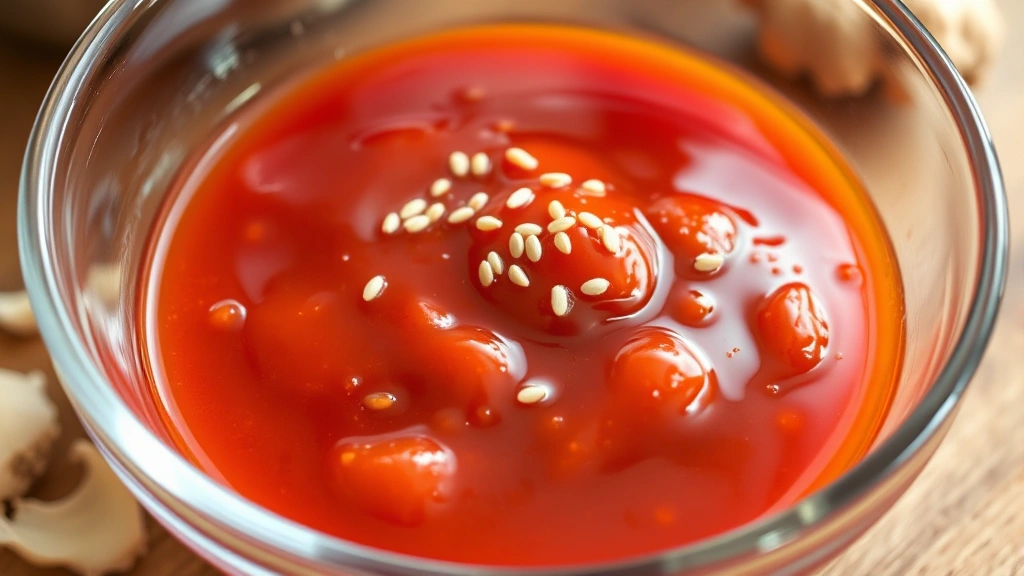
Spicy Gochujang Sauce: Chef’s Authentic Recipe
Gochujang sauce represents one of Korea’s most versatile and beloved condiments, a fermented red chili paste that transforms dishes with its complex blend of heat, umami, and subtle sweetness. This authentic recipe goes beyond simple mixing, diving into the techniques that professional chefs use to balance flavors and create a sauce that elevates everything from grilled meats to vegetable stir-fries. Whether you’re preparing proteins that need bold seasoning or looking to master Korean cooking fundamentals, understanding gochujang sauce is essential.
The beauty of this recipe lies in its adaptability. While gochujang itself is a prepared ingredient, the sauce version allows you to customize heat levels, adjust sweetness, and incorporate complementary flavors that suit your palate and dishes. Professional cooks recognize that gochujang isn’t simply a spicy condiment—it’s a foundation for building layered, restaurant-quality flavors at home.
What Is Gochujang and Why It Matters
Gochujang is a traditional Korean fermented condiment made from red chili peppers, glutinous rice, salt, and koji (a beneficial mold culture). The fermentation process, which typically takes weeks to months, develops its signature umami depth and complex flavor profile. Unlike fresh chili pastes, gochujang’s fermented nature creates a sauce with natural sweetness, savory notes, and a heat that builds gradually rather than striking immediately.
Understanding gochujang’s composition helps explain why it works so effectively in sauces. The fermentation creates amino acids and compounds that enhance other flavors, making it more than just a heat source. Professional chefs value gochujang for this reason—it acts as a flavor amplifier, similar to how umami-rich ingredients enhance overall dish complexity. When you convert gochujang into a sauce, you’re creating a condiment that works on multiple flavor levels simultaneously.
The spice level in gochujang varies by brand and region. Korean gochujang typically registers between 1,500 to 2,500 Scoville Heat Units, making it moderately spicy without overwhelming most palates. This moderate heat range is precisely why it’s become so popular globally—it delivers excitement without requiring extreme tolerance levels.
Essential Ingredients and Substitutions
The foundation of an exceptional gochujang sauce starts with quality ingredients. Here’s what you’ll need and why each component matters:
- Gochujang paste: Purchase from Asian markets or online retailers. Look for brands like Maesil or Sempio that use traditional fermentation methods. Avoid products with excessive additives or preservatives when possible.
- Rice vinegar: Provides acidity that brightens the sauce and balances gochujang’s richness. White or seasoned rice vinegar works equally well, though unseasoned offers more control over final salt levels.
- Honey or agave: Counterbalances heat with subtle sweetness. Honey adds depth; agave provides neutral sweetness without competing flavors.
- Sesame oil: Toasted sesame oil contributes nutty aromatics and richness. Use sparingly—a little goes far in sauce applications.
- Garlic and ginger: Fresh minced versions create brightness and complexity. Avoid jarred versions, which lose volatile aromatic compounds quickly.
- Water or broth: Adjusts consistency. Vegetable or chicken broth adds subtle flavor; water keeps focus on other ingredients.
- Optional additions: Lime juice, soy sauce, mirin, or fish sauce layer additional umami and dimension.
If gochujang isn’t available, substitutes like sriracha mixed with miso paste approximate the flavor profile, though they won’t replicate the fermented complexity exactly. When substituting, use equal parts sriracha and miso, then adjust sweetness and acidity to taste.
Basic Gochujang Sauce Recipe
Yields: Approximately 1 cup | Prep time: 10 minutes | Inactive time: 30 minutes
Ingredients:
- 3 tablespoons gochujang paste
- 2 tablespoons rice vinegar
- 1 tablespoon honey
- 1 tablespoon toasted sesame oil
- 3 cloves garlic, minced
- 1 teaspoon fresh ginger, minced
- 4-5 tablespoons water or vegetable broth
- 1 teaspoon soy sauce
- 1 teaspoon lime juice
- 1 tablespoon sesame seeds (optional garnish)
Instructions:
- Combine base ingredients: In a medium bowl, whisk together gochujang paste, rice vinegar, and honey until smooth. This initial combination breaks down the paste’s thickness and begins distributing sweetness and acidity evenly.
- Incorporate aromatics: Add minced garlic and ginger, stirring thoroughly. Allow these aromatics to sit for 2-3 minutes, which allows their flavors to begin infusing the sauce.
- Add liquid components: Pour in sesame oil, soy sauce, and lime juice. Whisk until fully integrated. The sesame oil should be distributed throughout rather than pooling on the surface.
- Adjust consistency: Begin with 4 tablespoons water or broth. Whisk thoroughly, then add additional liquid one tablespoon at a time until reaching desired consistency. The sauce should coat the back of a spoon without running immediately off.
- Taste and balance: Take a small taste. Adjust heat by adding more gochujang if needed. Increase sweetness with additional honey, acidity with lime juice or vinegar, or umami depth with soy sauce or a pinch of fish sauce.
- Rest the sauce: Allow the mixture to sit at room temperature for at least 30 minutes. This resting period allows flavors to marry and develop. The sauce will thicken slightly as it sits.
- Final adjustment: Taste again after resting. You may need slight additional seasoning adjustments, as flavors continue evolving.
- Serve or store: Transfer to a clean jar or serving container. The sauce is ready for immediate use or can be refrigerated for extended storage.
This basic recipe creates a balanced sauce suitable for most applications. The technique emphasizes proper emulsification and flavor development rather than simply mixing ingredients together.
Flavor Variations and Customization
Professional chefs recognize that gochujang sauce serves as a blank canvas for flavor experimentation. Here are sophisticated variations that transform the base recipe:
Sweet and Spicy Version: Increase honey to 1.5 tablespoons and add 1 tablespoon of mirin or rice wine. This creates a glaze-like consistency perfect for roasted vegetables or grilled poultry. The sweetness becomes more prominent without overwhelming the heat.
Umami-Forward Preparation: Add 1 teaspoon fish sauce and reduce soy sauce to half a teaspoon. Include 1 teaspoon of miso paste dissolved in the water component. This variation deepens savory complexity, making it exceptional for dipping sauces or marinade applications.
Bright and Herbaceous Version: Incorporate 1 tablespoon fresh cilantro, 1 teaspoon lime zest, and 1 tablespoon scallion greens, minced. This variation works beautifully with seafood or in fusion applications combining Korean and Southeast Asian cuisines.
Smoky Depth Variation: Add half a teaspoon smoked paprika and a quarter teaspoon liquid smoke. Include toasted pumpkin seeds or sunflower seeds for textural contrast. This creates an entirely different application profile suitable for beef or hearty vegetable dishes.
Creamy Gochujang Sauce: Whisk in 2-3 tablespoons of sour cream or Greek yogurt after the basic recipe is complete. This creates a milder, creamier condiment perfect for dipping or dolloping on grain bowls. The dairy rounds sharp edges while maintaining the sauce’s essential character.
Each variation maintains gochujang’s core identity while shifting emphasis toward specific flavor profiles. The key to successful customization involves understanding which components drive the flavor you’re seeking, then adjusting methodically rather than adding multiple ingredients simultaneously.
Application Techniques for Different Dishes
Understanding how to apply gochujang sauce properly separates home cooks from professionals. Different dishes require different approaches:
Marinade Applications: For meats and proteins, use the sauce as a marinade by increasing liquid content slightly to create better penetration. The acid in the vinegar and lime juice helps break down proteins while the fermented paste seasons deeply. Marinate for minimum 2 hours, up to overnight. The extended contact time allows flavors to permeate muscle fibers.
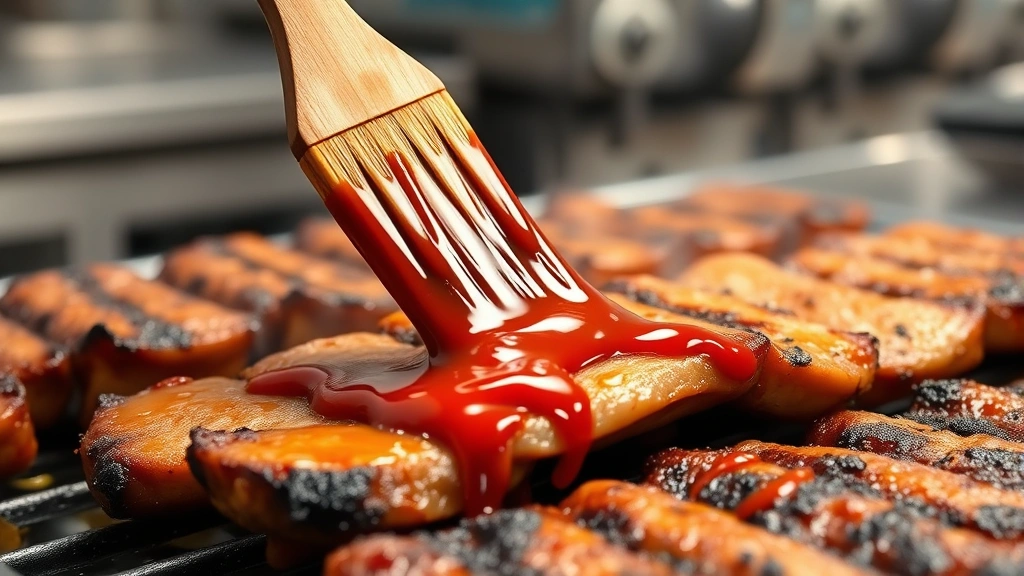
Glaze and Reduction: When using gochujang sauce as a glaze, reduce the liquid content to create a thicker consistency. Apply during the final cooking stages—brushing on grilled meats in the last 3-4 minutes of cooking or tossing roasted vegetables with the sauce just before serving. This prevents the sauce from burning while ensuring a glossy, flavor-concentrated coating.
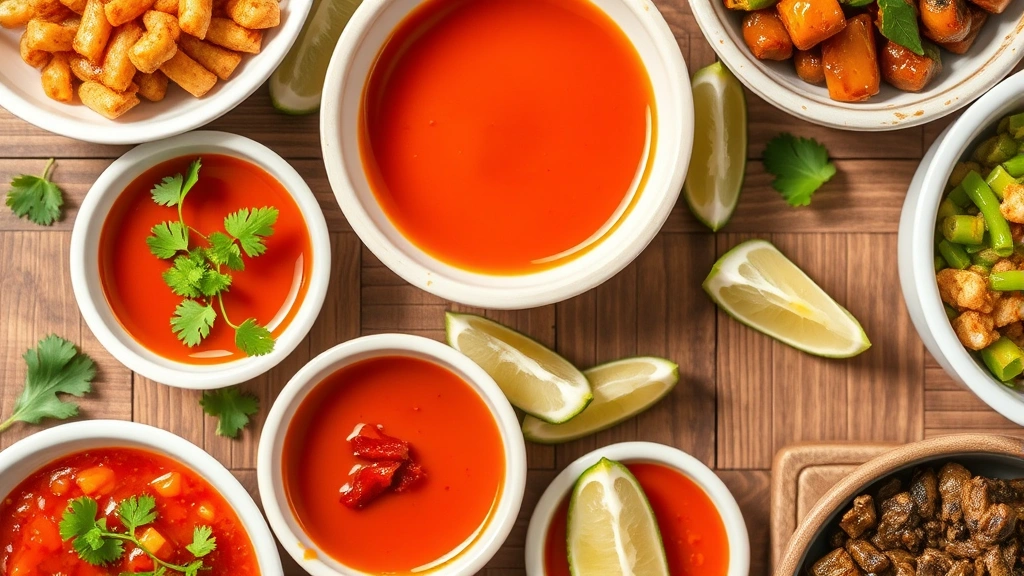
Dipping and Condiment Service: For table condiments, maintain a pourable consistency. Serve in small bowls, allowing diners to control how much they add to each bite. This application works excellently alongside grilled items, vegetable platters, or as an accompaniment to rice and grain dishes.
Stir-Fry Integration: Add gochujang sauce to stir-fries in the final minute of cooking. The quick heat application prevents flavor degradation while ensuring even distribution. For cast iron or wok cooking, the high heat creates caramelization that deepens the sauce’s complexity.
Soup and Broth Enhancement: Whisk gochujang sauce into broths and soups to add depth without overpowering other flavors. Start with one tablespoon per two cups of liquid, adjusting to taste. The sauce distributes more evenly when whisked into warm liquid rather than added to cold preparations.
Grain Bowl Topping: Use gochujang sauce as the flavor foundation for composed grain bowls. Drizzle over rice or grains, then add proteins, vegetables, and fresh herbs. The sauce acts as the unifying element, bringing all components into cohesive flavor harmony.
Storage and Shelf Life Guidelines
Proper storage ensures your gochujang sauce maintains quality and flavor integrity over time. The fermented base provides natural preservation properties that extend shelf life significantly compared to fresh sauces.
Refrigerator Storage: Transfer finished sauce to a clean glass jar with an airtight lid. Refrigerated gochujang sauce maintains quality for 2-3 weeks. The cold temperature slows flavor degradation and prevents fermentation acceleration. Always use clean utensils when removing sauce to prevent contamination.
Freezer Preservation: For longer storage, freeze gochujang sauce in ice cube trays for convenient portion control. Once frozen solid, transfer cubes to freezer bags and label with the preparation date. Frozen sauce remains usable for up to 3 months. Thaw portions in the refrigerator before use rather than at room temperature.
Flavor Evolution: Unlike some condiments that degrade with time, gochujang sauce actually develops more complex flavors during refrigeration. After one week, taste the sauce again—you may notice the heat has mellowed slightly while savory notes become more pronounced. This evolution is desirable and reflects continued fermentation processes.
Signs of Spoilage: Discard sauce if you notice unusual discoloration (beyond natural darkening), off-putting odors, or visible mold growth. While gochujang’s fermented nature prevents most spoilage, contamination during storage can occur. When in doubt, err on the side of caution.
Temperature Considerations: Keep refrigerated sauce away from warm spots or direct sunlight. Fluctuating temperatures accelerate deterioration. If your kitchen runs particularly warm, consider freezing portions you won’t use within one week.
FAQ
Can I make gochujang sauce without gochujang paste?
While authentic gochujang sauce requires gochujang paste for its characteristic flavor, you can create a similar spicy Korean-inspired sauce using sriracha mixed with miso paste (equal parts), then adjusting sweetness and acidity. However, this won’t replicate the fermented complexity that defines true gochujang sauce. For best results, source gochujang from Asian markets or online retailers.
How spicy is homemade gochujang sauce?
The heat level depends on your gochujang brand and added ingredients. Most versions fall into the moderate spice range—noticeable but not overwhelming for average palates. If you prefer milder results, increase honey and reduce gochujang quantity. For additional heat, add fresh sliced Thai chilies or increase gochujang paste slightly.
What’s the difference between gochujang paste and gochujang sauce?
Gochujang paste is the fermented base product, thick and concentrated. Gochujang sauce is a prepared condiment made by thinning and flavoring the paste with complementary ingredients like vinegar, honey, and aromatics. The sauce is more versatile for table service and specific applications, while paste works better for cooking applications requiring controlled ratios.
Can gochujang sauce be used as a marinade for seafood?
Yes, gochujang sauce works exceptionally well with seafood, particularly firm fish like salmon or swordfish. The acid helps prevent the delicate protein from becoming mushy while the fermented flavors complement ocean notes. Marinate for 30-45 minutes rather than overnight, as extended marinating can over-soften seafood texture.
Is gochujang sauce vegan and gluten-free?
Most gochujang pastes contain glutinous rice and are vegan, though you should verify specific brands. The sauce recipe is naturally vegan if you use honey (or substitute with agave) and avoid fish sauce additions. For gluten-free versions, confirm your gochujang brand is certified gluten-free, as some products may contain wheat additives. Check all supplementary ingredients for hidden gluten.
How can I adjust the consistency of gochujang sauce?
Add water or broth one tablespoon at a time to thin the sauce, whisking thoroughly after each addition. For thickening, let the sauce sit uncovered at room temperature—evaporation will reduce liquid content. Alternatively, whisk in one tablespoon of cornstarch slurry (cornstarch mixed with cold water) and heat gently while stirring until thickened.
What dishes pair best with gochujang sauce?
Gochujang sauce complements grilled meats (beef, chicken, pork), roasted or stir-fried vegetables, grain bowls, rice dishes, eggs, seafood, and dumplings. It works as a dipping sauce for vegetables or proteins, a marinade base, and a finishing drizzle. Its versatility makes it suitable for fusion applications spanning Korean, Asian, and contemporary cuisine styles.


