Greek rice is far more than just a side dish—it’s a cornerstone of Mediterranean cooking that brings warmth, tradition, and authentic flavor to any table. Unlike plain white rice or risotto, authentic Greek rice, often called rizi, carries the essence of generations passed down through Greek families who understand that the secret lies not just in ingredients but in technique, patience, and respect for the cooking process. This recipe represents decades of family wisdom, combining simple pantry staples into something truly extraordinary.
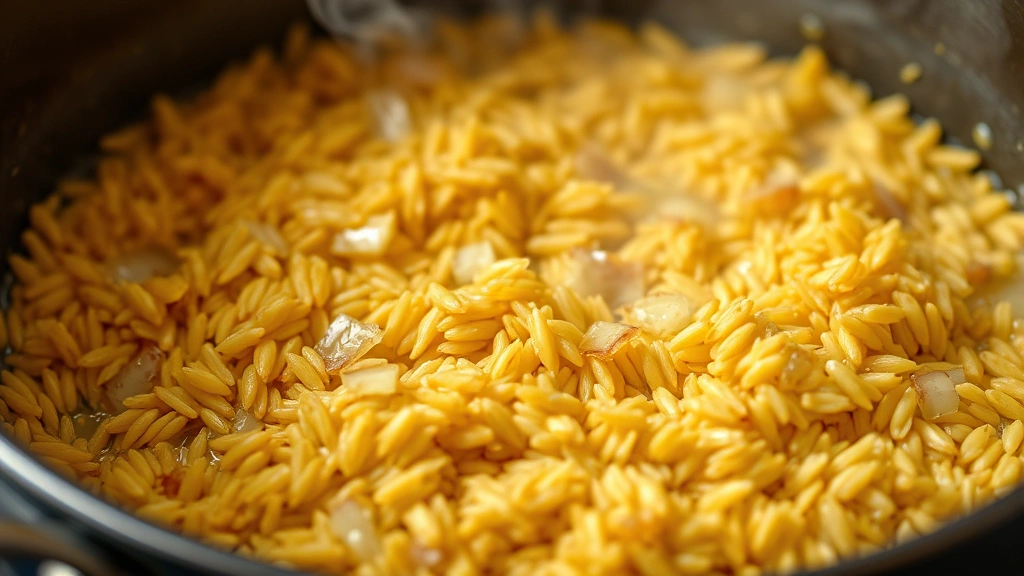
What makes Greek rice special is the toasting method and the precise balance of broth, butter, and aromatics. Many home cooks miss this crucial step—toasting the rice grains before adding liquid creates a nutty depth that transforms an ordinary grain into something memorable. The Greeks have perfected this art, and once you master their techniques, you’ll understand why this humble dish appears on dinner tables from Athens to Crete.
Whether you’re serving this alongside warming broth-based dishes or as a standalone comfort food, this authentic Greek rice recipe will become your go-to method. Let’s explore the family secrets that make all the difference.
The History and Tradition Behind Greek Rice
Greek rice holds a special place in Mediterranean cuisine, with roots stretching back centuries to when trade routes brought this precious grain to Greek islands and mainland communities. Families have guarded their rice-cooking methods like treasured heirlooms, passing recipes from grandmother to grandchild with explicit instructions about timing, heat levels, and the importance of listening to the rice as it cooks.
The tradition of Greek rice is deeply connected to the concept of filoxenia—Greek hospitality. When Greeks invite family to their tables, rice dishes must be perfect: each grain separate yet tender, infused with butter and broth, never mushy or clumpy. This standard of excellence has driven generations to perfect their technique. The method we’re sharing today comes from families across the Peloponnese, where rice cultivation and cooking have been refined over generations.
What distinguishes Greek rice from other Mediterranean rice dishes is the emphasis on toasting and the specific ratio of liquid to grain. Unlike paella, Greek rice doesn’t require constant stirring. Unlike risotto, it doesn’t demand continuous attention. Instead, Greek rice asks for respect for the process—toast it properly, add the right amount of liquid, cover it, and let the heat do the work.
Essential Ingredients for Authentic Greek Rice
The beauty of authentic Greek rice lies in its simplicity. You won’t need exotic ingredients or hard-to-find items. What you need is quality in each component:
- Long-grain white rice (preferably Greek or Mediterranean varieties)—2 cups
- Butter (unsalted, quality matters)—4 tablespoons
- Onion (yellow or white, finely diced)—1 medium
- Chicken or vegetable broth (homemade is superior)—4 cups, kept warm
- Sea salt—to taste
- Fresh cracked black pepper—to taste
- Optional: fresh dill or parsley—2 tablespoons chopped
- Optional: feta cheese crumbles—¼ cup
The choice of broth makes an enormous difference in the final dish. Greeks traditionally use homemade chicken broth that has simmered for hours, extracting deep, rich flavors. If you’re using store-bought broth, choose low-sodium varieties so you can control the salt content precisely. Many commercial broths are over-salted, which will ruin the delicate balance of flavors in your rice.
Step-by-Step Cooking Instructions
Follow these steps carefully for perfect Greek rice every time:
- Measure your rice: Use a 1:2 ratio of rice to liquid. Two cups of rice requires four cups of warm broth.
- Rinse the rice: Place rice in a fine-mesh strainer and rinse under cool running water for about two minutes, stirring gently with your fingers. This removes excess starch and prevents clumping. This step is non-negotiable for authentic results.
- Heat your broth: Bring your broth to a gentle simmer in a separate pot and keep it warm throughout the cooking process. Never add cold broth to rice—the temperature shock disrupts cooking.
- Melt the butter: In a heavy-bottomed pot with a tight-fitting lid, melt butter over medium heat. This is your foundation for flavor.
- Sauté the onion: Add your finely diced onion to the melted butter and cook for 2-3 minutes until softened and fragrant but not browned. The onion should become translucent.
- Toast the rice: Add your rinsed rice to the butter and onion mixture. Stir constantly for 3-4 minutes. You’ll hear the rice making a gentle clicking sound against the pot as it toasts. The grains will begin to turn slightly opaque and develop a light golden color. This toasting is the secret step that separates good Greek rice from exceptional Greek rice.
- Add the broth: Pour the warm broth into the pot, stirring once to combine. Add salt and pepper to taste. The liquid should come about one inch above the rice.
- Bring to a boil: Allow the mixture to come to a rolling boil for about one minute.
- Cover and reduce heat: Place the lid on the pot and reduce heat to the lowest setting. The rice will now cook undisturbed for 15-18 minutes.
- Check for doneness: After 15 minutes, lift the lid and check if the liquid has been absorbed and the rice is tender. If liquid remains, cover and cook for another 2-3 minutes.
- Rest the rice: Remove from heat and let the rice sit covered for 5 minutes. This crucial resting period allows the grains to set properly.
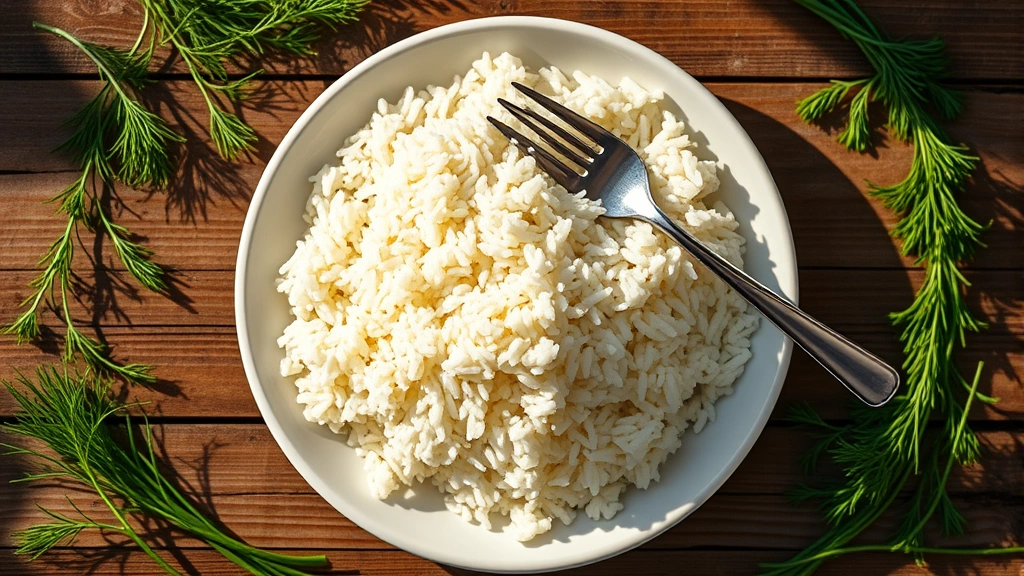
- Fluff and serve: Use a fork to gently fluff the rice, breaking up any clumps. Serve immediately while hot.
The Toasting Technique: The Secret Step
This is where authentic Greek rice separates itself from mediocre versions. The toasting technique is the family secret that transforms ordinary rice into something extraordinary. Let’s understand why this matters and how to master it.
When you toast rice grains in butter before adding liquid, you’re developing complex flavors through the Maillard reaction—the same process that creates a crust on a perfectly seared steak. The heat causes proteins and sugars in the rice to interact, creating nutty, slightly caramelized flavors that are impossible to achieve without this step.
The sound of toasting rice is distinctive. You’ll hear a gentle clicking, almost like light rain on a window. This auditory feedback tells you that the grains are moving freely in the butter and making contact with the hot pot surface. If you hear nothing, your heat isn’t high enough. If you smell burning, your heat is too high. Medium heat is the sweet spot.
Duration matters enormously. Too short (under 2 minutes) and you miss the flavor development. Too long (over 5 minutes) and you risk burning the grains, which creates bitter flavors. The 3-4 minute window is your target. Watch for a slight color change—the rice should go from pure white to a very pale golden tone, almost imperceptible to the untrained eye.
Greek cooks will tell you that you must listen to the rice and trust your senses. Some batches of rice may toast slightly faster than others depending on humidity, altitude, and the specific variety. Paying attention to visual and auditory cues matters more than strict timing.
Flavor Variations and Regional Differences
While the basic method remains consistent across Greece, regional variations exist that reflect local ingredients and preferences:
Crete-Style Rice: Cretans often add a pinch of ground cinnamon to their rice, creating a subtle warmth that pairs beautifully with lamb or beef. They may also include a bay leaf during cooking, which infuses the rice with herbal notes.
Island Rice: On Greek islands, where lemon is abundant, some families finish their rice with fresh lemon juice and zest after cooking. This bright acidity cuts through the richness of the butter and adds Mediterranean freshness.
Easter Rice: For special occasions, particularly Easter celebrations, Greeks prepare rice dishes that complement traditional lamb by incorporating fresh herbs like dill, parsley, and mint into the finished rice.
Tomato Rice: In some regions, families add tomato paste or fresh tomato juice to their broth, creating a slightly reddish rice that’s particularly popular in Thessaly. This variation requires reducing the broth by ½ cup to account for the tomato’s liquid content.
Seafood Broth Version: Coastal communities use fish or seafood broth instead of chicken broth, creating a rice that pairs perfectly with grilled fish or roasted poultry dishes.
Each variation maintains the core technique—toasting, proper liquid ratio, and resting—while adapting flavors to local traditions and available ingredients.
Pairing Greek Rice with Other Dishes
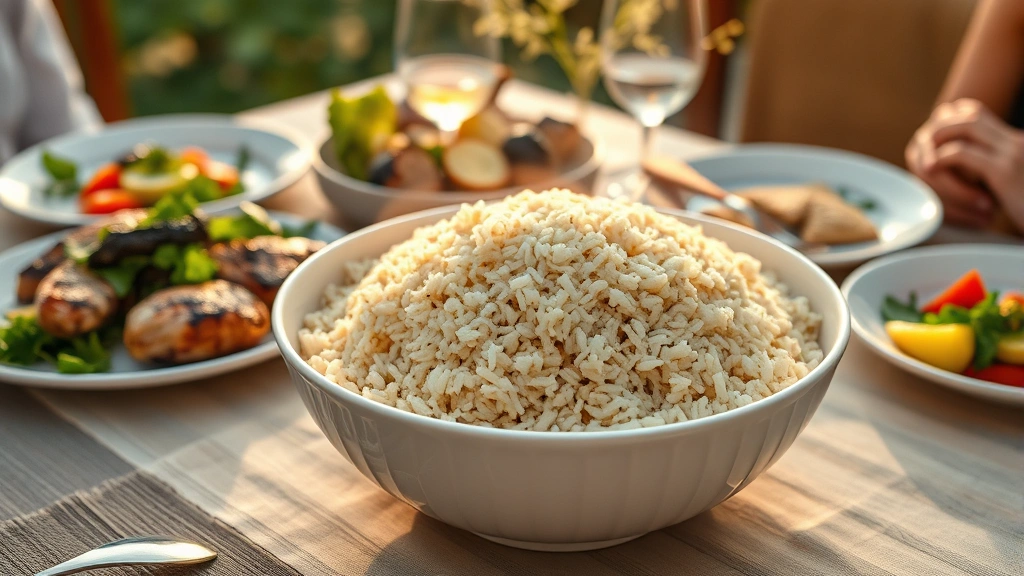
Greek rice’s versatility makes it an ideal companion to numerous main courses. Its neutral yet flavorful profile doesn’t compete with other dishes but rather enhances and supports them.
With Grilled Meats: Pair Greek rice with boldly seasoned chicken dishes or grilled lamb. The rice’s buttery richness complements charred, smoky flavors beautifully.
With Seafood: Greek rice works wonderfully alongside grilled octopus, pan-seared fish, or shrimp saganaki. The rice absorbs flavors from seafood without overwhelming delicate proteins.
With Vegetable Mains: Serve alongside roasted vegetables, stuffed tomatoes, or aromatic vegetable-based soups. The rice provides substance and comfort.
With Stews and Braises: Greek rice is perfect under slow-cooked stews. The grains soak up rich sauces beautifully, and the combination becomes a complete meal.
With Greek Salad: Serve warm Greek rice alongside a crisp Greek salad. The warm-cold contrast and interplay of flavors creates a balanced, satisfying meal.
With Meatballs: Greek-style meatballs rest perfectly on a bed of fluffy Greek rice, allowing sauce to mingle with the grain.
Troubleshooting Common Problems
Rice is Mushy: This usually means too much liquid or too long cooking time. Reduce broth by ¼ cup next time, or reduce cooking time by 2-3 minutes. Also ensure you’re using a heavy pot with a tight-fitting lid—steam escaping means uneven cooking.
Rice is Crunchy or Undercooked: Not enough liquid or insufficient cooking time. Add ¼ cup more broth next time and increase cooking time by 3 minutes. Also verify your heat is actually low after bringing to a boil—many stovetops have hot spots.
Rice is Clumpy: You likely skipped the rinsing step or didn’t toast the rice long enough. Always rinse rice before toasting. Ensure you toast for the full 3-4 minutes to coat grains with butter properly.
Rice Tastes Bland: Insufficient salt or weak broth. Taste your broth before cooking—if it lacks flavor, your rice will too. Add salt gradually during cooking, tasting as you go. Remember that salt enhances rather than overpowers good rice.
Rice Burns on the Bottom: Your heat is too high after bringing to a boil. Use the lowest setting possible. If you hear sizzling or smell burning, immediately reduce heat further or move the pot to a different burner.
Uneven Cooking: Your pot isn’t heavy enough or your lid doesn’t seal properly. Heavy-bottomed pots with tight lids are essential for even heat distribution. Thin pots create hot spots that cook rice unevenly.
Storage and Reheating Tips
Refrigerator Storage: Greek rice keeps well in the refrigerator for up to four days. Store in an airtight container. The rice will firm up as it cools, which is normal and desirable.
Freezing: Greek rice freezes beautifully for up to three months. Portion into meal-sized containers before freezing. Thaw in the refrigerator overnight before reheating.
Reheating Method: The best way to reheat Greek rice is on the stovetop. Add 2-3 tablespoons of broth or water per cup of rice, cover, and heat over medium-low heat for 5-7 minutes, stirring occasionally. This restores moisture and prevents drying out. Microwave reheating is acceptable but can create dry spots—if microwaving, add liquid and cover with a damp paper towel.
Reviving Day-Old Rice: If your reheated rice seems dry, add a tablespoon of butter and a splash of broth, then warm gently. The butter restores richness and the broth restores moisture.
Fried Rice Application: Day-old Greek rice is perfect for making fried rice. The firmer texture prevents mushiness. Heat oil in a wok or large skillet, add rice, breaking up clumps, and stir-fry with vegetables and protein for 5-7 minutes.
FAQ
Can I use brown rice instead of white rice?
While possible, brown rice requires different ratios and longer cooking times (about 35-40 minutes instead of 15-18). It won’t produce the same delicate, fluffy texture that authentic Greek rice should have. Greeks traditionally use white long-grain rice for this dish.
What if I don’t have homemade broth?
Store-bought broth works, but choose quality brands with minimal additives. Look for low-sodium options so you can control salt levels. Avoid broths with added flavors or MSG. Some cooks enhance store-bought broth by simmering it with an onion quarter and bay leaf for 10 minutes before using.
Can I make this rice in a rice cooker?
Rice cookers don’t replicate the toasting step, which is crucial for authentic flavor. However, you can toast the rice on the stovetop, then transfer to a rice cooker with the liquid. This hybrid method captures some authenticity while offering convenience.
Is the resting period really necessary?
Yes. The five-minute rest allows rice grains to set and firm up slightly. Without it, the rice can seem slightly mushy or the grains may stick together. This step is non-negotiable for perfect Greek rice.
Can I add vegetables to the rice?
Absolutely. Finely diced carrots, peas, or diced tomatoes can be added after toasting the rice but before adding broth. Keep pieces small so they cook in the same time as the rice. This is common in family variations.
How do I know if my rice is properly toasted?
Look for a very pale golden color—so subtle you might almost miss it. Listen for the gentle clicking sound. Smell for a nutty, toasted aroma. You should never smell burning. If you’re unsure, err on the side of slightly less toasting rather than too much.
Can I double this recipe?
Yes, doubling works well. Use the same 1:2 rice-to-liquid ratio. You may need to increase cooking time by 2-3 minutes if your pot is significantly larger, as it takes longer for heat to distribute through more rice.
What’s the difference between Greek rice and risotto?
The fundamental difference is technique. Risotto requires constant stirring to release starches and create creaminess. Greek rice is covered and left undisturbed. Risotto uses short-grain Arborio rice; Greek rice uses long-grain. Greek rice is lighter and fluffier; risotto is creamy and cohesive. Both are delicious but distinctly different.


