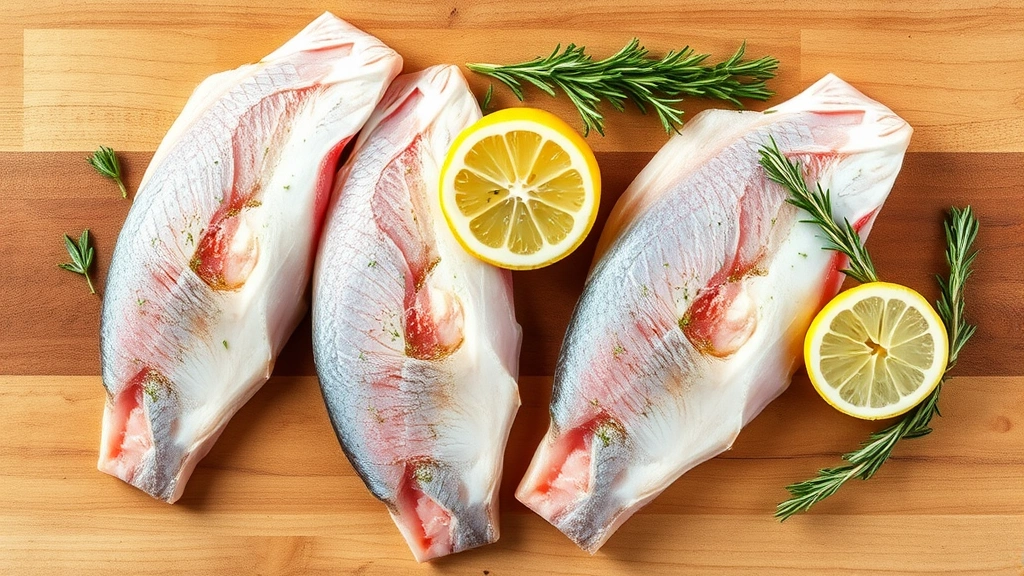
How to Cook Grouper? Chef’s Favorite Method
Grouper is a magnificent white fish that deserves a place at your dinner table. With its delicate, flaky texture and mild, slightly sweet flavor, grouper offers endless possibilities for creative cooking. Whether you’re a seasoned chef or a home cook looking to expand your seafood repertoire, mastering grouper preparation will elevate your culinary skills and impress your guests.
The beauty of cooking grouper lies in its versatility. This firm-fleshed fish holds up beautifully to various cooking methods, from pan-searing to baking, grilling to poaching. Unlike more delicate fish that require careful handling, grouper’s sturdy structure allows you to experiment with bold flavors and techniques without fear of the fish falling apart.
In this comprehensive guide, we’ll explore the chef’s favorite methods for preparing grouper, share essential tips for selecting and preparing your fish, and provide you with proven techniques that will make you confident in the kitchen. By the end, you’ll understand why grouper is beloved by professional chefs and home cooks alike.
Selecting and Preparing Your Grouper
Before you begin cooking, understanding how to select and prepare grouper properly is crucial. When shopping for fresh grouper, look for fish with clear, bright eyes and firm flesh that springs back when pressed. The smell should be clean and oceanic, never fishy or ammonia-like. Fresh grouper should have translucent flesh with a slight sheen.
You have two primary options: whole grouper or fillets. Whole fish offers superior flavor and moisture retention, though fillets provide convenience. If purchasing whole grouper, ask your fishmonger to clean and fillet it for you. This saves time and ensures professional preparation. For fillets, aim for pieces that are at least three-quarters of an inch thick to prevent overcooking.
Pat your grouper dry with paper towels before cooking—this is essential for achieving a golden crust and proper browning. Moisture is the enemy of a beautiful sear. Allow the fish to sit at room temperature for 15-20 minutes before cooking, which promotes even cooking throughout the fillet.
Proper seasoning begins before the fish hits the pan. Generously salt your grouper on both sides at least 10 minutes before cooking. This allows the salt to penetrate the flesh and enhance its natural flavors. Pair this with freshly ground black pepper for a classic foundation. Your choice of cooking method will determine additional seasonings.
Pan-Seared Grouper Fillets
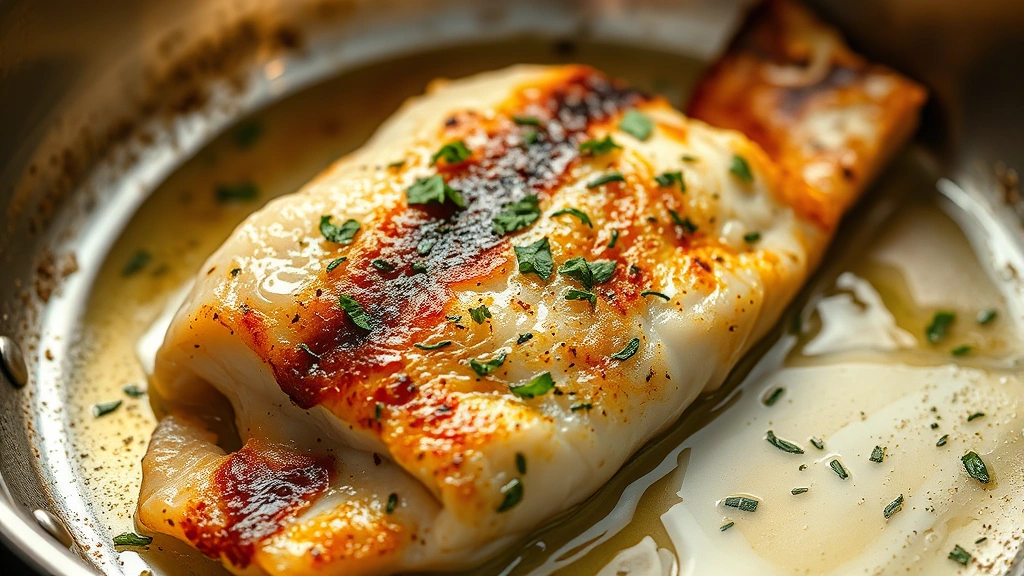
Pan-searing is the chef’s favorite method for cooking grouper fillets, and for good reason. This technique creates a golden, crispy exterior while maintaining a tender, moist interior. The key to success lies in proper heat management and timing.
Ingredients and Equipment:
- Grouper fillets (6-8 ounces each)
- Extra-virgin olive oil or clarified butter
- Sea salt and freshly ground black pepper
- Fresh lemon or lime juice
- Fresh herbs (thyme, rosemary, or dill)
- Stainless steel or cast-iron skillet
Step-by-Step Instructions:
- Prepare your workspace. Have all ingredients measured and ready. Pat grouper fillets completely dry with paper towels. Season both sides generously with salt and pepper, then let rest for 10 minutes.
- Heat your skillet. Place your skillet over medium-high heat for 2-3 minutes. Add 2 tablespoons of olive oil or clarified butter. The oil should shimmer and move freely across the pan when tilted. This indicates the proper temperature.
- Sear the fish. Carefully place the grouper fillets skin-side down into the hot skillet. Resist the urge to move them—let them cook undisturbed for 4-5 minutes. You should hear a satisfying sizzle. This creates the prized golden crust.
- Check for doneness. Peek underneath after 4 minutes. The skin should be golden brown and crispy. If it’s still pale, wait another minute. When ready, gently flip the fillet using a thin spatula.
- Cook the second side. Cook for an additional 3-4 minutes on the flesh side. The grouper is done when it flakes easily with a fork and reaches an internal temperature of 145°F (63°C).
- Add finishing touches. In the final minute of cooking, add a squeeze of fresh lemon juice and a sprig of fresh thyme to the pan. This infuses the fish with brightness and aroma.
- Rest before serving. Transfer to a warm plate and let rest for 2-3 minutes before serving. This allows the juices to redistribute.
The beauty of this pan-seared grouper method is its simplicity and speed. You can have restaurant-quality fish on the table in under 15 minutes. Professional chefs rely on this technique because it showcases the fish’s natural flavors without overwhelming them with heavy sauces.
Baked Grouper with Herbs
Baking offers a gentler cooking method that’s perfect for thicker cuts or when you’re preparing multiple servings. This technique is also forgiving—the oven’s consistent heat prevents the common mistake of overcooking the exterior while the interior remains raw.
Why Baking Works: The dry heat of the oven cooks the fish evenly and gently. Unlike pan-searing, you don’t have to worry about the exterior burning before the interior cooks through. Baking is ideal when you’re serving a crowd or preparing family meals.
Baked Grouper Recipe:
Ingredients:
- 4 grouper fillets (6-8 ounces each)
- 3 tablespoons extra-virgin olive oil
- 2 cloves garlic, minced
- 1 lemon, thinly sliced
- Fresh rosemary and thyme sprigs
- Sea salt and black pepper
- ½ cup dry white wine (optional)
- 2 tablespoons butter
Instructions:
- Preheat your oven to 400°F (200°C). Line a baking sheet with parchment paper for easy cleanup and to prevent sticking.
- Arrange grouper fillets on the prepared baking sheet, leaving space between each piece. Season generously with salt, pepper, and minced garlic.
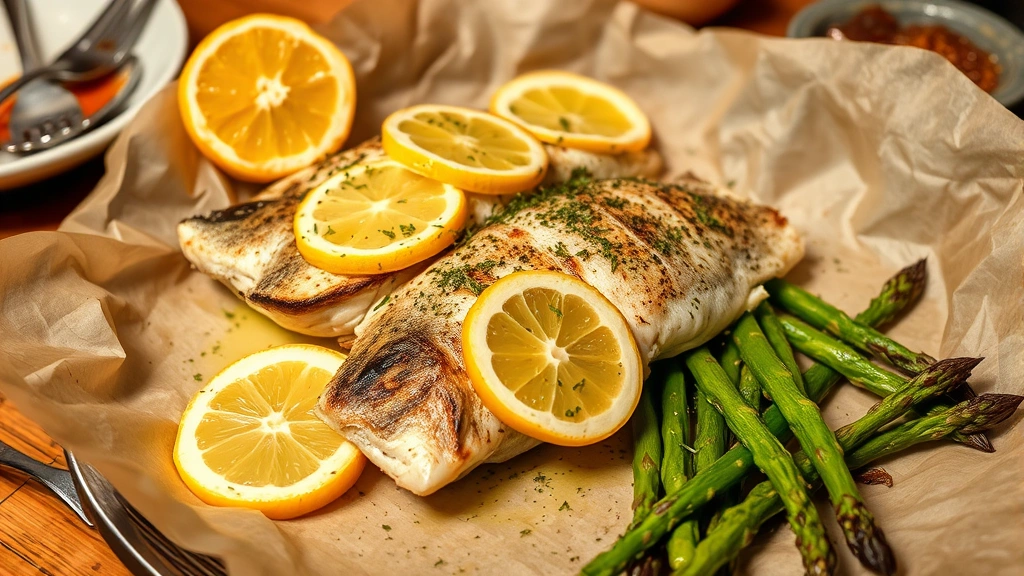
- Drizzle each fillet with olive oil, then top with lemon slices and fresh herb sprigs. If using white wine, pour it around (not over) the fish.
- Place a small dot of butter on top of each fillet. This adds richness and helps baste the fish as it cooks.
- Bake for 12-15 minutes, depending on fillet thickness. The fish is done when it flakes easily and reaches 145°F internally.
- Remove from oven and let rest for 2 minutes before serving. Spoon the pan juices over the fish.
This method creates moist, tender grouper with delicate flavor. The herbs and lemon infuse the fish as it cooks, creating a complete dish that requires minimal additional preparation. This technique works wonderfully when you’re planning Asian recipes with grouper, or when incorporating grouper into various international cuisines.
Grilled Grouper Steaks
Grilling is perfect for grouper steaks (cross-sections cut from the whole fish with the backbone intact). The high heat creates beautiful char marks while the bone helps insulate the flesh, keeping it moist and flavorful.
Grilling Preparation:
Preheat your grill to medium-high heat (around 400°F or 200°C). Oil your grill grates thoroughly to prevent sticking. Brush grouper steaks with olive oil and season with salt, pepper, and your choice of spices. Paprika, cumin, and cayenne pepper create exciting flavor profiles.
Place steaks directly on the grill grates and cook for 5-6 minutes without moving them. This develops those desirable grill marks and creates a crust. Flip carefully and cook for another 4-5 minutes. The internal temperature should reach 145°F.
Grilled grouper pairs beautifully with fresh salads, grilled vegetables, or light sauces. The smoky flavor from the grill complements the fish’s delicate sweetness perfectly. Consider marinating your steaks for 30 minutes before grilling for enhanced flavor depth.
Poached Grouper Method
Poaching is a classic technique that produces incredibly tender, delicate grouper. This method is perfect when you want to prepare grouper for salads, ceviche, or light dishes. The gentle simmering preserves moisture while infusing subtle flavors.
Poaching Liquid Base:
Create a flavorful poaching liquid by combining 4 cups of water or light fish stock with ½ cup dry white wine, 2 bay leaves, 1 tablespoon peppercorns, fresh thyme, and salt. Bring to a gentle simmer—not a rolling boil. Boiling can toughen the fish.
Carefully place your grouper fillets into the simmering liquid. They should be fully submerged. Maintain a gentle simmer and cook for 8-10 minutes, depending on thickness. The fish is done when it flakes easily and appears opaque throughout.
Remove the grouper carefully with a slotted spoon and place on a clean kitchen towel to drain. The poached fish can be served warm with a light sauce or chilled for use in salads and other preparations. This method produces exceptionally moist, tender fish that works beautifully in various dishes.
Essential Seasoning Tips
Proper seasoning elevates grouper from good to extraordinary. While this fish has wonderful natural flavors, strategic seasoning enhances and complements rather than masks.
Classic Herb Combinations:
Mediterranean herbs work beautifully with grouper. Combine fresh thyme, rosemary, oregano, and parsley for a classic profile. Asian-inspired preparations benefit from ginger, garlic, cilantro, and scallions. For tropical applications, pair grouper with lime, cilantro, jalapeño, and cumin.
When preparing dishes similar to Asian recipes, consider soy sauce, sesame oil, and fresh ginger. These ingredients complement grouper’s delicate flavor without overwhelming it. Citrus juices—lemon, lime, and orange—brighten the fish and cut through richness beautifully.
Building Flavor Layers:
Season grouper at multiple stages for maximum flavor development. First, salt the fish 10-15 minutes before cooking—this allows penetration. Second, add aromatics like garlic and herbs during cooking. Finally, finish with fresh citrus juice and fleur de sel just before serving.
Compound butters offer an elegant finishing touch. Mix softened butter with fresh herbs, garlic, and lemon zest. Place a dollop on hot grouper just before serving—it melts into a luxurious sauce. This technique elevates simple preparations into restaurant-quality dishes.
Consider exploring Trader Joe’s recipes for convenient ingredient combinations that work with grouper. Pre-made herb blends, flavored oils, and specialty sauces can streamline preparation while maintaining quality results.
Temperature control during cooking directly impacts seasoning effectiveness. Fish cooked at proper temperatures retains more of its natural juices, which carry flavor compounds. Overcooked grouper tastes dry and bland regardless of seasoning, while properly cooked fish showcases every flavor element you’ve incorporated.
Don’t overlook salt as a primary seasoning. Professional chefs understand that salt enhances fish flavor in ways other seasonings cannot. Use high-quality sea salt and taste as you cook. You can always add more salt, but you cannot remove it.
Acid is equally important. A squeeze of fresh lemon or lime juice brightens grouper and awakens the palate. This finishing touch transforms a good dish into something memorable. Keep wedges of fresh citrus alongside every grouper preparation.
For those interested in expanding their culinary skills beyond seafood, exploring empanada dough recipe techniques teaches valuable pastry skills that complement seafood cooking. Similarly, understanding sauce preparation through recipes like best mac and cheese recipe teaches emulsification techniques applicable to fish sauces.
If you’re looking to balance your diet, understanding which foods to avoid for weight loss helps you make informed choices about accompaniments and sauces for your grouper dishes. Grouper itself is an excellent lean protein choice for health-conscious cooking.
For those seeking hearty comfort pairings, Philly cheesesteak recipe preparation methods teach sandwich construction principles, though grouper works better in lighter applications like fresh sandwiches with crispy slaw and herb aioli.
FAQ
How long does grouper take to cook?
Cooking time depends on thickness and method. Pan-seared fillets typically take 8-10 minutes total. Baked grouper requires 12-15 minutes at 400°F. Grilled steaks need 9-11 minutes. Always cook to an internal temperature of 145°F (63°C) rather than relying solely on time.
Can you overcook grouper?
Yes, absolutely. Overcooked grouper becomes dry and loses its delicate texture. Fish cooks quickly, so monitor it closely. Use a meat thermometer for accuracy—it’s the most reliable way to avoid overcooking. The fish continues cooking slightly after removal from heat, so consider removing it when it reaches 140°F internally.
What’s the best way to know when grouper is done?
The most reliable method is using an instant-read thermometer—aim for 145°F (63°C) at the thickest part. Visual cues include opaque flesh that flakes easily with a fork. The fish should not appear translucent or glassy. Practice develops intuition, but thermometer verification ensures consistency.
Should I remove grouper skin before cooking?
This depends on your preference. Skin-on cooking creates a protective barrier that keeps flesh moist. The crispy skin is delicious and adds textural interest. If you prefer boneless, skinless fillets, ask your fishmonger to prepare them. Both methods work beautifully with proper technique.
What are good side dishes for grouper?
Grouper pairs well with light sides like roasted vegetables, risotto, fresh salads, and grain bowls. Avoid heavy, rich sides that overshadow the fish’s delicate flavor. Citrus-based sauces, herb oils, and light butter preparations complement grouper perfectly. Consider seasonal vegetables for optimal flavor combinations.
Can you freeze fresh grouper?
Yes, fresh grouper freezes well for up to three months. Wrap it tightly in plastic wrap, then aluminum foil to prevent freezer burn. Thaw in the refrigerator overnight before cooking—never thaw at room temperature, as this promotes bacterial growth. Thawed grouper should be cooked the same day as thawing.
What wine pairs well with grouper?
White wines are ideal with grouper. Sauvignon Blanc offers crisp acidity that brightens the fish. Pinot Grigio provides minerality and elegance. Albariño brings tropical notes that complement grouper’s subtle sweetness. Avoid heavy, oaked wines that overpower delicate fish flavors.
Is grouper expensive?
Grouper is moderately priced compared to premium seafood like halibut or sea bass, but more expensive than common white fish like cod or tilapia. Prices vary by season and availability. Buying directly from fish markets often offers better prices than supermarkets. Building relationships with fishmongers can yield quality recommendations and better pricing.


