Keto Soup Recipes? Nutritionist Approved
Soup is one of the most versatile and comforting dishes you can prepare, and it’s remarkably easy to adapt to a ketogenic lifestyle. Whether you’re looking to maintain ketosis, reduce carbohydrate intake, or simply explore delicious low-carb options, keto soup recipes offer satisfying, nutrient-dense meals that keep you full for hours. The beauty of soup lies in its flexibility—you can load it with fatty cuts of meat, creamy bases, and non-starchy vegetables while avoiding the bread, rice, and pasta that would spike your blood sugar.
Nutritionists consistently recommend soup as a staple for keto dieters because it combines hydration, electrolytes, and satiating fats in one bowl. The warm, comforting nature of soup makes it psychologically satisfying, which helps prevent the cravings that often derail low-carb dieters. In this comprehensive guide, we’ll explore proven keto soup recipes that are not only nutritionist-approved but also incredibly delicious and easy to prepare at home.
Why Soup Is Perfect for Keto
Soup stands out as an ideal food category for anyone following a ketogenic diet for several compelling reasons. First, the broth-based structure naturally incorporates healthy fats that support ketone production and satiety. When you simmer bones, meat, and vegetables together, the collagen and connective tissues break down into gelatin, creating a nutrient-dense liquid that promotes gut health and provides essential amino acids.
The hydration component of soup is often overlooked but critically important on keto. Many people experience dehydration during their transition to low-carb eating because carbohydrates retain water in the body. Consuming keto soup recipes regularly ensures you’re getting adequate fluids while also absorbing electrolytes like sodium, potassium, and magnesium that are essential for preventing the infamous “keto flu.”
Additionally, soup’s combination of protein, fat, and fiber creates sustained satiety. Research from culinary institutes and nutrition programs confirms that hot, chunky soups increase feelings of fullness more than the same ingredients consumed separately. This means you’ll eat less overall while feeling more satisfied, which naturally supports weight loss on a ketogenic diet.
Essential Ingredients for Keto Soups
Before diving into specific recipes, understanding which ingredients belong in your keto soup arsenal is crucial. Your foundation should always be high-quality bone broth, which you can make yourself or purchase from reputable sources. Bone broth contains collagen, glucosamine, and chondroitin—compounds that support joint health, skin elasticity, and gut integrity.
For proteins, prioritize fatty cuts of meat. Beef chuck roast, pork shoulder, chicken thighs, and salmon all work beautifully in soups. These cuts contain intramuscular fat (marbling) that keeps your macronutrient ratios in the keto sweet spot: approximately 70-75% calories from fat, 20-25% from protein, and 5-10% from net carbohydrates.
Vegetable selection matters tremendously. Stick to non-starchy options: cauliflower, zucchini, spinach, kale, mushrooms, celery, bell peppers (in moderation), and broccoli. Avoid starchy vegetables like potatoes, carrots (high in sugar), and corn entirely. For creaminess, use heavy cream, coconut cream, or cream cheese rather than flour-based thickeners.
Seasonings and flavor builders are your secret weapons. Garlic, onion, herbs de Provence, thyme, bay leaves, and quality sea salt elevate simple ingredients into restaurant-quality dishes. Consider adding umami-rich ingredients like aged parmesan cheese and miso paste to deepen flavors without adding carbohydrates.
Creamy Cauliflower Soup
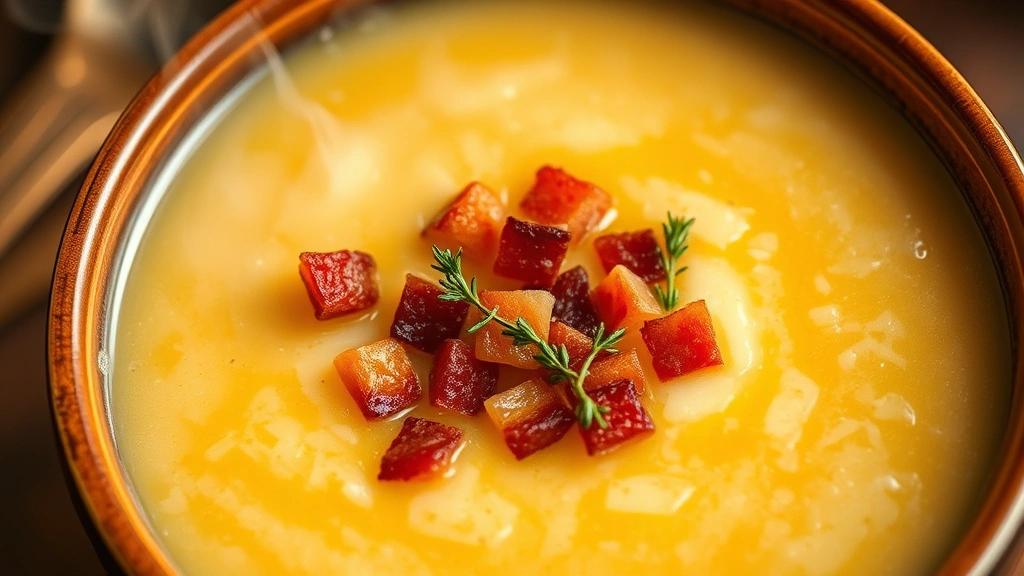
This classic keto soup recipe demonstrates how simple ingredients transform into something luxuriously creamy and satisfying. Cauliflower serves as the perfect low-carb substitute for potatoes, providing substance and natural sweetness while keeping net carbs minimal.
Ingredients:
- 1 medium head cauliflower, chopped
- 4 cups bone broth
- 1 cup heavy cream
- 4 ounces bacon, diced
- 2 tablespoons butter
- 1 small onion, diced
- 3 cloves garlic, minced
- 1 cup sharp cheddar cheese, shredded
- Salt, pepper, and nutmeg to taste
- Fresh thyme for garnish
Instructions:
- Cook bacon in a large pot until crispy; remove and set aside, leaving 2 tablespoons of fat in the pot
- Add butter and sauté diced onion until translucent, approximately 3-4 minutes
- Add minced garlic and cook for 1 minute until fragrant
- Pour in bone broth and bring to a simmer
- Add chopped cauliflower and simmer for 12-15 minutes until very tender
- Blend soup using an immersion blender until desired consistency (leave slightly chunky for texture)
- Stir in heavy cream and cheddar cheese until fully melted
- Season with salt, pepper, and a pinch of nutmeg
- Top with crispy bacon and fresh thyme before serving
This recipe yields approximately 4 servings with roughly 8 grams of net carbs per bowl. The combination of cauliflower’s mild flavor and the richness of cheese and cream creates a soup that satisfies even the most devoted potato soup enthusiasts.
Beef Bone Broth Soup
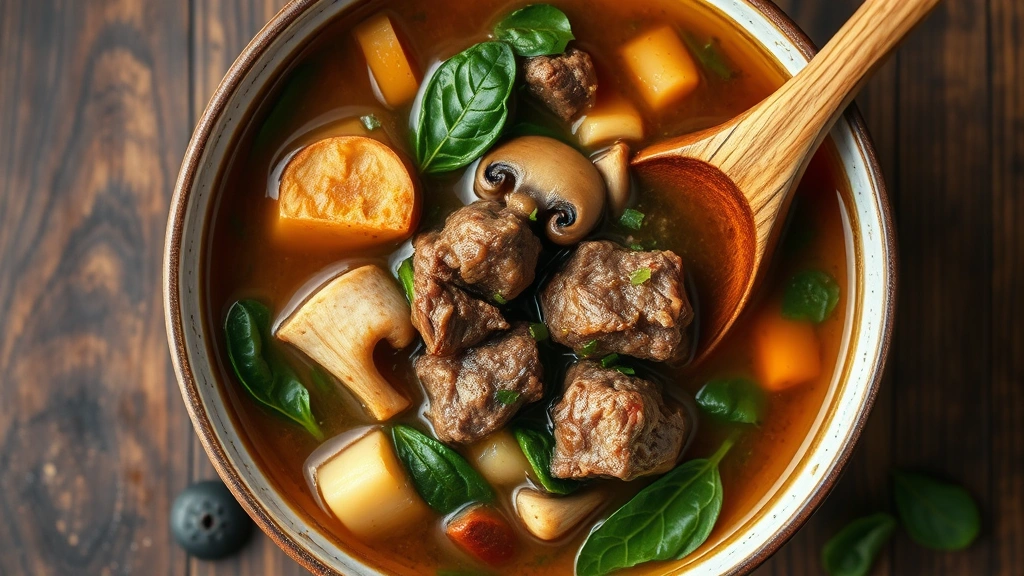
If you’re interested in maximizing nutritional density, beef bone broth soup represents the pinnacle of keto nutrition. This recipe uses the slow-simmered broth as its foundation, creating a deeply nourishing meal that supports collagen synthesis and joint health.
Ingredients:
- 2 pounds beef chuck roast, cubed
- 8 cups beef bone broth
- 2 cups beef marrow bones
- 2 cups mushrooms, sliced
- 1 cup spinach
- 1 medium zucchini, diced
- 4 cloves garlic, minced
- 2 tablespoons ghee
- 2 bay leaves
- 1 teaspoon dried thyme
- 1 teaspoon dried rosemary
- Sea salt and black pepper
Instructions:
- Heat ghee in a large pot over medium-high heat
- Brown beef cubes in batches, about 3-4 minutes per side; set aside
- Add garlic to the pot and cook for 30 seconds
- Return beef to the pot and pour in bone broth
- Add bay leaves, thyme, and rosemary
- Bring to a boil, then reduce heat and simmer for 90 minutes until beef is tender
- Add mushrooms and zucchini; simmer for 15 minutes
- Stir in spinach just before serving; it will wilt in seconds
- Season with sea salt and black pepper to taste
This hearty soup provides exceptional bioavailable minerals and amino acids. The long cooking time allows collagen to fully hydrate, creating a naturally gelatinous broth that supports digestive health. Each serving contains approximately 6 grams of net carbs and delivers substantial protein and fat for sustained energy.
Bacon Cheeseburger Soup
This innovative keto soup recipe captures all the flavors of a classic cheeseburger in soup form, making it an exciting option for those craving comfort food. It’s reminiscent of the savory, satisfying nature of classic comfort dishes, but optimized for ketogenic macronutrients.
Ingredients:
- 1 pound ground beef
- 8 ounces bacon, diced
- 1 small onion, finely diced
- 4 cloves garlic, minced
- 4 cups beef broth
- 1 cup heavy cream
- 8 ounces cream cheese, cubed
- 1 cup sharp cheddar cheese, shredded
- 2 cups cauliflower rice
- 2 tablespoons butter
- 1 teaspoon mustard powder
- 1 teaspoon smoked paprika
- Dill pickle juice to taste
- Salt and pepper
Instructions:
- Cook bacon until crispy in a large pot; remove and crumble
- Brown ground beef in the bacon fat; drain excess fat if necessary
- Sauté diced onion and minced garlic in the pot for 3 minutes
- Pour in beef broth and bring to a simmer
- Add cauliflower rice and simmer for 5 minutes
- Reduce heat and stir in cream cheese until completely melted
- Add heavy cream and both cheeses, stirring constantly
- Season with mustard powder, smoked paprika, and dill pickle juice
- Fold in crumbled bacon just before serving
- Taste and adjust seasonings with salt and pepper
The mustard powder and dill pickle juice are crucial flavor components that mimic traditional cheeseburger condiments. This soup satisfies cravings for fast food while providing clean, whole-food nutrition. Per serving, expect approximately 7 grams of net carbs and over 30 grams of fat.
Tuscan Chicken Soup
For those seeking a lighter, herb-forward option, Tuscan chicken soup delivers Mediterranean flavors while maintaining strict ketogenic guidelines. This recipe showcases how fresh herbs and quality ingredients create depth without relying on starchy thickeners.
Ingredients:
- 1.5 pounds chicken thighs, boneless and skinless
- 6 cups chicken broth
- 3 cups fresh spinach
- 1 cup heavy cream
- 4 sun-dried tomatoes in oil, sliced
- 3 cloves garlic, minced
- 2 tablespoons butter
- 1 teaspoon Italian seasoning
- 1 teaspoon dried basil
- ½ cup parmesan cheese, grated
- Zest of 1 lemon
- Salt and pepper to taste
Instructions:
- Cut chicken thighs into bite-sized pieces
- Melt butter in a large pot over medium heat
- Sauté garlic for 30 seconds until fragrant
- Add chicken pieces and cook until lightly browned, about 4 minutes
- Pour in chicken broth and add Italian seasoning and dried basil
- Bring to a simmer and cook for 15 minutes until chicken is cooked through
- Stir in sun-dried tomatoes and their oil
- Add heavy cream and simmer for 5 minutes
- Fold in fresh spinach and lemon zest; spinach will wilt immediately
- Remove from heat and stir in parmesan cheese
- Season with salt and pepper; taste and adjust herbs as needed
This soup exemplifies how Mediterranean cooking techniques align naturally with ketogenic principles. The sun-dried tomatoes provide concentrated flavor and umami without significant carbohydrate content. Each serving contains approximately 5 grams of net carbs and showcases the versatility of chicken thighs, which are more flavorful and fatty than breast meat.
Seafood Chowder
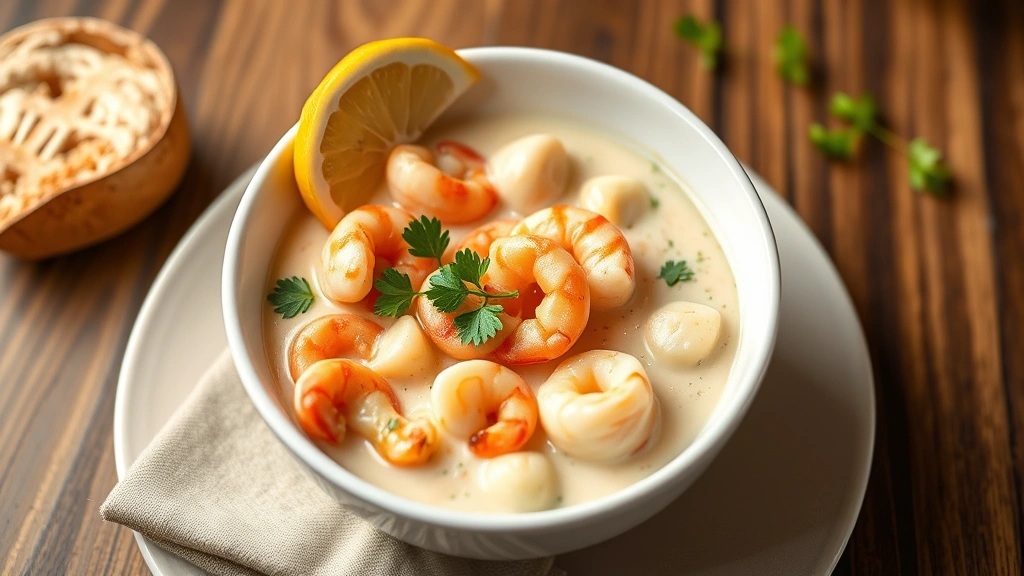
Seafood chowder represents an elegant option for special occasions or when you want to elevate your weeknight dinner. Fish and shellfish provide omega-3 fatty acids, selenium, and iodine—nutrients that support thyroid function and cognitive health on a ketogenic diet.
Ingredients:
- 1 pound wild-caught salmon, cubed
- ½ pound large shrimp, peeled and deveined
- 8 ounces scallops
- 6 cups fish or seafood broth
- 1 cup heavy cream
- 2 cups cauliflower, diced small
- 1 cup mushrooms, sliced
- 2 tablespoons butter
- 3 cloves garlic, minced
- 1 small onion, finely diced
- 1 teaspoon Old Bay seasoning
- ½ teaspoon saffron threads (optional)
- 2 bay leaves
- Fresh parsley for garnish
- Lemon juice and sea salt
Instructions:
- Melt butter in a large pot and sauté onion and garlic for 3 minutes
- Add diced cauliflower and mushrooms; cook for 5 minutes
- Pour in seafood broth and add bay leaves and Old Bay seasoning
- If using saffron, steep it in a small amount of warm broth before adding to the pot
- Bring to a simmer and cook cauliflower until nearly tender, about 8 minutes
- Add salmon cubes and simmer for 4 minutes
- Add shrimp and scallops; simmer until just cooked through, about 3-4 minutes
- Remove from heat and stir in heavy cream
- Season with fresh lemon juice and sea salt to taste
- Garnish with fresh parsley before serving
This sophisticated chowder pairs beautifully with a crisp white wine and demonstrates that keto dining can be restaurant-quality. The saffron optional ingredient elevates this to special-occasion status while adding virtually no carbohydrates. Per serving, this chowder contains approximately 4 grams of net carbs and exceptional omega-3 content.
Tips for Success
Invest in Quality Broth: The foundation of any excellent soup is quality broth. Whether you make it yourself or purchase it, ensure it contains no added sugars or fillers. Proper bone broth contains gelatin and collagen that distinguish it from regular stock.
Embrace Fatty Cuts: Don’t fear the fat in meat selections. Fattier cuts like beef chuck, pork shoulder, and chicken thighs contain more flavor and provide the macronutrient profile necessary for ketosis. These cuts also become more tender during the long cooking process that soups require.
Master Seasoning: Keto soups benefit tremendously from proper seasoning. Taste your soup frequently during cooking and adjust seasonings incrementally. Remember that salt enhances all flavors, and a squeeze of fresh lemon juice or vinegar can brighten heavy soups.
Batch Cooking: Prepare large quantities of soup and freeze in individual portions. This strategy ensures you always have a keto-compliant meal available, reducing the temptation to reach for non-compliant foods when busy or tired.
Vegetable Selection: Stick rigorously to non-starchy vegetables. When in doubt, check the nutritional content. Remember that even seemingly “light” vegetables like carrots and beets can derail ketosis if consumed in large quantities.
Cream Additions: Always add cream at the end of cooking and avoid boiling after adding it, as this can cause separation. Heavy cream has minimal carbohydrates (less than 1 gram per 2 tablespoons), making it ideal for keto soups.
Electrolyte Balance: Ensure your soups contain adequate sodium, potassium, and magnesium. Add quality sea salt generously, and consider incorporating potassium-rich foods like spinach and mushrooms. Some people benefit from adding a pinch of additional potassium through supplementation, especially during the adaptation phase.
When exploring fall recipes, consider incorporating seasonal vegetables like zucchini and mushrooms into your soup rotation. Similarly, Greek recipes often feature Mediterranean herbs and olive oil that align beautifully with ketogenic cooking principles.
FAQ
Can I use store-bought broth instead of homemade bone broth?
Yes, but with caveats. Store-bought broth is convenient, but check labels carefully for added sugars and carbohydrates. Look for brands that specifically state “no added sugars” and contain at least some gelatin, indicating collagen content. Homemade bone broth is superior nutritionally but requires planning.
How long can I store keto soup in the refrigerator?
Most keto soups keep safely for 3-4 days in airtight containers. The high fat content actually helps preserve soups longer than lower-fat varieties. Freeze soups in individual portions for up to 3 months. Thaw overnight in the refrigerator and reheat gently on the stovetop.
Are there any vegetables I absolutely must avoid in keto soups?
Yes. Avoid potatoes, sweet potatoes, corn, peas, carrots (high in natural sugars), beets, and winter squashes. These vegetables contain too many carbohydrates to fit into a ketogenic macronutrient profile. Stick to leafy greens, cruciferous vegetables, zucchini, and mushrooms.
Can I make these soups in a slow cooker?
Absolutely. Most of these recipes adapt well to slow cooker preparation. Brown meat beforehand for better flavor, then add all ingredients and cook on low for 6-8 hours or on high for 3-4 hours. Add cream and delicate greens during the last 30 minutes of cooking.
What’s the best way to reheat keto soup?
Reheat gently on the stovetop over medium heat, stirring occasionally. Avoid microwaves if possible, as they can cause separation in cream-based soups. If reheating from frozen, thaw in the refrigerator overnight first, then warm on the stovetop.
How do I increase the fat content if my macros are off?
Add extra heavy cream, butter, or MCT oil to your soup. You can also drizzle high-quality olive oil on top just before serving. Including fattier meat cuts and bone broth with visible fat naturally increases fat content.
Are these soups suitable for meal prep?
Yes, these keto soup recipes are excellent for meal preparation. Prepare a large batch on Sunday and portion into containers for the entire week. Most soups taste even better the next day as flavors meld together. This strategy supports consistency on your ketogenic journey.
Can I modify these recipes for dietary restrictions?
Certainly. For dairy-free versions, substitute heavy cream with coconut cream and replace cheese with nutritional yeast for umami flavor. For nut allergies, avoid any recipes with cream-based components if cross-contamination is a concern, though our recipes don’t contain nuts.
What external resources help me understand keto nutrition better?
Culinary schools offer comprehensive nutrition education, and macro tracking applications help optimize ketogenic macronutrients. Consulting with a registered dietitian specializing in keto can provide personalized guidance.


