Juicy Lamb Burger Recipe: Chef’s Secret Tips for Perfect Patties
Lamb burgers represent a departure from the mundane beef patty, offering a sophisticated flavor profile that demands respect and precision. Unlike their beef counterparts, lamb burgers require understanding the meat’s natural fat content, moisture retention, and cooking temperature to achieve that coveted juicy interior with a perfectly caramelized exterior. This comprehensive guide reveals the professional techniques that separate mediocre lamb burgers from extraordinary ones.
The key to mastering lamb burgers lies in three fundamental principles: selecting the right meat cut, maintaining proper temperature control, and understanding how binders and seasonings interact with lamb’s unique characteristics. Professional chefs have long known that lamb’s higher fat content compared to lean beef means adjusting your approach to binding, seasoning ratios, and cooking times. Whether you’re preparing easy dinner recipes for beginners or elevating your cooking repertoire, these lamb burger secrets will transform your results.
This recipe draws inspiration from Mediterranean and Middle Eastern traditions where lamb has been the protein of choice for centuries. You’ll discover why professional kitchens treat lamb burger preparation differently than ground beef, and how minor adjustments yield dramatically superior outcomes in texture and flavor.
Selecting the Perfect Lamb Cut
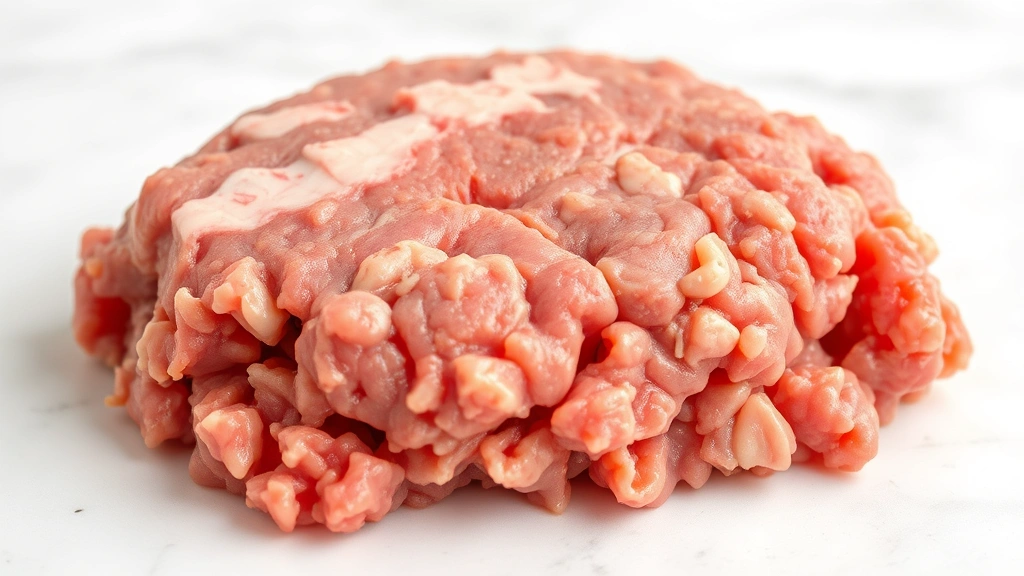
The foundation of any exceptional lamb burger begins with choosing the correct meat cut. Professional chefs understand that not all lamb cuts perform equally when ground. The shoulder and neck regions contain the ideal fat-to-lean ratio for burgers, typically around 25-30% fat content. This higher fat percentage compared to beef ensures moisture retention during cooking and delivers superior flavor.
Ground Lamb Selection Tips:
- Request freshly ground lamb from your butcher rather than pre-packaged options, as oxidation begins immediately after grinding
- Choose lamb from the shoulder (most common), neck, or a blend of shoulder and leg for optimal texture
- Avoid leg-only ground lamb, which is too lean and produces dry, dense burgers
- Examine color: fresh lamb should be bright pink to deep red, never brown or gray
- Feel the texture: quality ground lamb should feel slightly sticky and cohere well, indicating proper fat distribution
Temperature matters significantly when selecting lamb. Ask your butcher to grind the meat while it remains cold, as warm meat loses essential fats and becomes difficult to handle. If purchasing pre-ground lamb, keep it at 32°F or below and use within two days for optimal quality.
The relationship between fat content and juiciness cannot be overstated. While lean beef burgers (85/15) remain popular, lamb’s natural flavor profile actually benefits from higher fat content. A 75/25 ratio (75% lean, 25% fat) produces superior results for lamb burgers compared to leaner ratios.
Essential Ingredients and Their Roles
Creating the perfect lamb burger patty requires understanding how each ingredient contributes to the final product. Beyond the meat itself, several components work synergistically to enhance moisture, texture, and flavor.
The Complete Ingredient List (makes 4 burgers):
- 1 pound ground lamb (shoulder preferred)
- 1/4 cup panko breadcrumbs
- 1 egg, lightly beaten
- 1/4 cup finely minced red onion
- 3 cloves garlic, minced extremely fine
- 2 tablespoons fresh mint, finely chopped
- 1 tablespoon fresh parsley, minced
- 1 teaspoon ground cumin
- 1/2 teaspoon ground coriander
- 1/2 teaspoon dried oregano
- 1/2 teaspoon kosher salt
- 1/4 teaspoon freshly ground black pepper
- Pinch of cinnamon (optional but recommended)
- 2 tablespoons olive oil for cooking
Understanding Each Component:
Breadcrumbs and Egg: These binders work together to retain moisture and create a cohesive patty. Panko breadcrumbs, with their larger structure, allow better moisture distribution than fine breadcrumbs. Soak the breadcrumbs in a small amount of water or milk before adding to the mixture—this technique, called a panade, dramatically improves juiciness by creating a moisture-retaining network within the patty.
Aromatics: Red onion and garlic provide flavor depth. Mince these extremely fine so they distribute evenly throughout the patty. Larger pieces create uneven flavor distribution and can burn during cooking, creating bitter notes.
Fresh Herbs: Mint and parsley are traditional accompaniments to lamb in Mediterranean cuisine. These herbs complement lamb’s gaminess and add brightness. Fresh herbs are non-negotiable; dried mint tastes medicinal in this application.
Spices: Cumin, coriander, and oregano create a warm, slightly exotic flavor profile. These spices don’t overpower the lamb but rather enhance its natural characteristics. Cinnamon, a secret weapon in many Middle Eastern meat preparations, adds subtle sweetness that balances lamb’s inherent richness. See our Greek recipes for additional Mediterranean-inspired flavor combinations.
Step-by-Step Burger Assembly
The assembly process separates amateur cooks from professionals. How you combine ingredients determines whether your burgers remain juicy or become dense hockey pucks.
The Assembly Process:
- Prepare the Panade: Combine 1/4 cup panko breadcrumbs with 3 tablespoons of whole milk or water. Stir gently and allow to sit for 5 minutes until the breadcrumbs absorb the liquid. This panade becomes a moisture-retaining paste that keeps your burgers tender.
- Combine Wet Ingredients: In a small bowl, whisk together the beaten egg and prepared panade. Set aside. This mixture will be added to the meat last.
- Prepare Aromatics and Herbs: Mince the red onion, garlic, mint, and parsley separately. This prevents the onion’s moisture from prematurely softening other ingredients. Keep these ingredients in separate piles until ready to incorporate.
- Measure Spices: Pre-measure all dry spices into a small bowl: cumin, coriander, oregano, salt, pepper, and cinnamon. This ensures even distribution when incorporated.
- Combine Ingredients Methodically: Place cold ground lamb in a large mixing bowl. Add the minced aromatics and herbs directly to the lamb. Using your hands, gently fold these ingredients into the meat using a lifting motion rather than squeezing or kneading. Overworking the meat develops gluten in the binders, creating a dense, tough patty.
- Add Spices: Sprinkle the spice mixture over the partially combined meat. Continue folding gently until spices distribute evenly. At this point, the mixture should still look somewhat loose.
- Incorporate the Panade: Add the egg-breadcrumb mixture to the meat. Continue folding gently until just combined. Stop immediately when you can no longer see streaks of unmixed panade. This typically requires 15-20 gentle folds.
- Check Consistency: The mixture should be slightly sticky but hold together when squeezed gently. If too wet, add 1 tablespoon more panko; if too dry, add 1 tablespoon more milk.
- Form Patties: Divide the mixture into 4 equal portions. Gently shape each portion into a patty approximately 3/4-inch thick and 3.5 inches in diameter. Make a shallow depression in the center of each patty with your thumb—this prevents the burger from puffing up during cooking and ensures even thickness.
- Chill Before Cooking: Place formed patties on a parchment-lined plate and refrigerate for at least 30 minutes. This allows binders to set and prevents patties from falling apart during cooking.
The critical principle throughout assembly is gentleness. Professional chefs handle ground meat with minimal manipulation. Each squeeze and knead develops protein networks that tighten during cooking, creating dense burgers. Think of the process as folding rather than mixing.
Cooking Techniques for Maximum Juiciness
Cooking method dramatically influences final texture and juiciness. While grilling is traditional, several techniques yield superior results.
Cast Iron Skillet Method (Recommended for Beginners):
- Heat a cast iron skillet over medium-high heat for 3-4 minutes until a drop of water sizzles immediately upon contact.
- Add 2 tablespoons olive oil to the skillet. Allow oil to heat until shimmering, approximately 30 seconds.
- Carefully place chilled patties in the skillet. Do not move them for 3-4 minutes. This creates a flavorful crust through the Maillard reaction.
- Flip burgers gently using a thin spatula. Cook the second side for 3-4 minutes.
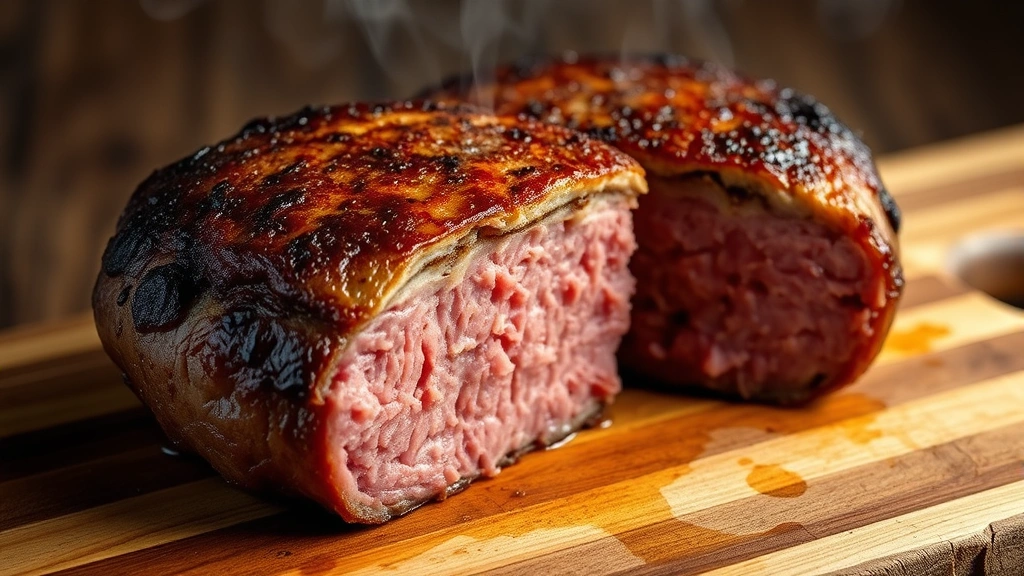
- Check internal temperature using an instant-read thermometer: 160°F for well-done, 155°F for medium, 145°F for medium-rare. Insert the thermometer horizontally into the side of the patty to avoid reading the depression.
- Transfer cooked burgers to a resting plate and allow to rest for 3-4 minutes before serving. This allows residual heat to distribute and moisture to redistribute throughout the patty.
Grilling Method:
- Preheat grill to medium-high heat (approximately 400°F).
- Oil the grill grates thoroughly using an oiled paper towel held with tongs.
- Place patties directly on grates. Resist the urge to move them for 4 minutes.
- Flip once and cook 3-4 minutes on the second side.
- Check temperature as described above. Lamb is more forgiving than beef and maintains juiciness even at slightly higher temperatures due to higher fat content.
- Rest for 3-4 minutes before serving.
Temperature is Everything: Lamb’s higher fat content means it remains juicy even at temperatures where beef would be dry. However, cooking beyond 160°F renders excessive fat, creating a greasy mouthfeel. The sweet spot for lamb burgers is 155-158°F, which produces a slightly pink center while maintaining food safety standards.
Never press down on burgers while cooking. This squeezes out precious juices and creates dense, dry patties. Patience—resisting the urge to flip or press—is the secret professionals employ.
Flavor Variations and Toppings
While the lamb patty is the star, complementary toppings and variations elevate the complete burger experience. Consider how additional healthy food recipes incorporate fresh ingredients—the same principle applies to burger construction.
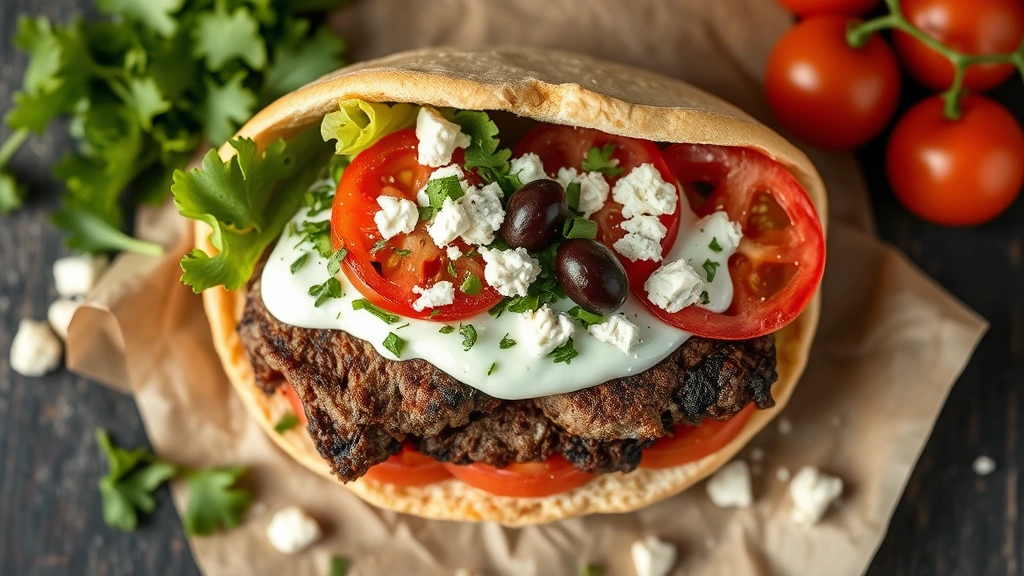
Mediterranean Lamb Burger Variation:
- Patty base: Use the recipe above as your foundation
- Toasted pita or ciabatta bread instead of standard burger buns
- Creamy tzatziki sauce (cucumber, yogurt, dill, garlic)
- Sliced tomatoes and red onion
- Crisp lettuce or fresh spinach
- Crumbled feta cheese
- Kalamata olives, finely chopped
Middle Eastern Spiced Variation:
- Increase cumin to 1.5 teaspoons and add 1/4 teaspoon cayenne pepper to the patty
- Include 2 tablespoons pomegranate molasses in the patty mixture for subtle tartness
- Serve on flatbread with harissa mayo, fresh herbs, and pomegranate seeds
- Add pickled red onions for brightness
Herbed Goat Cheese Variation:
- Reduce fresh mint to 1 tablespoon and add 1 tablespoon fresh thyme
- Top cooked patties with warm goat cheese mixed with fresh herbs
- Serve on brioche buns with arugula and fig jam
Mushroom and Lamb Combination: Incorporate sautéed shiitake mushrooms into the burger assembly. For detailed mushroom preparation techniques, explore our shiitake mushroom recipes. Finely chop cooked mushrooms and fold into the meat mixture, reducing the breadcrumb amount by 2 tablespoons to compensate for added moisture.
Sauce Recommendations:
- Tzatziki: Traditional yogurt-based sauce with cooling properties
- Harissa Mayo: Spicy North African chili paste mixed with mayonnaise
- Herb Aioli: Garlic mayonnaise infused with fresh mint and parsley
- Pomegranate Molasses Glaze: Tangy reduction that complements lamb’s richness
- Labneh: Strained yogurt with concentrated tang and creamy texture
Troubleshooting Common Issues
Even experienced cooks encounter challenges. Understanding common problems and their solutions ensures consistent success.
Problem: Burgers Fall Apart During Cooking
Cause: Insufficient binder or inadequate chilling time. Solution: Ensure you’re using the full egg and panade amount. Always chill formed patties for at least 30 minutes, preferably longer. If patties still crumble, add 1 additional tablespoon of panko breadcrumbs soaked in milk to the next batch.
Problem: Dry, Dense Burgers
Cause: Overmixing the meat or cooking at too high temperature. Solution: Use the gentle folding technique described in assembly. Reduce cooking time by 30 seconds per side and rely on internal thermometer rather than visual cues. Ensure you’re using ground lamb with adequate fat content.
Problem: Uneven Cooking (Burnt Exterior, Raw Interior)
Cause: Patties too thick or heat too high. Solution: Shape burgers to uniform 3/4-inch thickness. Reduce heat to medium-high if using cast iron. Ensure burgers rest in the refrigerator so the center is fully cold before cooking begins.
Problem: Greasy, Oily Texture
Cause: Cooking to excessive temperature, rendering lamb fat excessively. Solution: Remove burgers at 155-158°F rather than waiting for 160°F. The carryover cooking will bring them to safe temperature. Consider using slightly leaner ground lamb (80/20 ratio) for your next batch.
Problem: Bland Flavor
Cause: Insufficient seasoning or using pre-ground lamb that’s been oxidized. Solution: Always request freshly ground lamb. Don’t reduce spice amounts—the lamb’s strong flavor requires robust seasoning. Consider adding 1 tablespoon of grated lemon zest to the mixture for brightness.
Problem: Patties Puff Up During Cooking
Cause: No depression made in the center before cooking. Solution: Always create a shallow thumb-sized depression in the center of each patty. This allows even cooking and prevents bulging.
FAQ
Can I Make Lamb Burgers Ahead of Time?
Yes. Form patties up to 24 hours in advance and store on a parchment-lined plate covered with plastic wrap in the refrigerator. You can also freeze formed patties for up to 3 months. Cook frozen patties directly from the freezer, adding 2-3 minutes to the cooking time and checking temperature carefully.
What’s the Difference Between Lamb Burgers and Beef Burgers?
Lamb contains higher fat content, stronger flavor, and different protein structures. These differences require less aggressive seasoning ratios, higher cooking temperatures that still preserve juiciness, and shorter cooking times. Lamb’s gamey flavor pairs better with Mediterranean and Middle Eastern seasonings than traditional burger spices.
Can I Use Ground Lamb from the Grocery Store?
While possible, freshly ground lamb from a butcher produces noticeably superior results. Pre-packaged lamb oxidizes quickly, developing off-flavors and dull color. If using grocery store lamb, use it within one day of purchase and check the color—it should be bright pink, not brown.
Is Lamb Burger Safe at Medium Temperature?
Food safety guidelines recommend ground lamb reach 160°F for food safety. However, lamb’s higher fat content means it remains safe at slightly lower temperatures due to fat’s antimicrobial properties. For maximum food safety, follow the 160°F guideline. For slightly pink centers, cook to 155°F and allow proper resting time.
What Bread Works Best for Lamb Burgers?
Lamb’s robust flavor pairs well with substantial breads. Ciabatta, pita, focaccia, and pretzel buns complement lamb better than soft white buns. Toast bread lightly to provide structure and prevent sogginess from sauce and burger juices.
Can I Make These Burgers Without Breadcrumbs?
Technically yes, but the results suffer. Breadcrumbs absorb and retain moisture, creating juiciness. Without them, you’ll need to reduce cooking temperature and time significantly. If you must omit breadcrumbs, increase the egg to 1.5 eggs and add 1 tablespoon of grated onion for moisture.
How Do I Know When Lamb Burgers Are Cooked?
Use an instant-read meat thermometer inserted horizontally into the patty’s side, away from the thumb depression. Target 155-160°F depending on desired doneness. Visual cues are unreliable with lamb due to its color and fat content.
What Sides Pair Well with Lamb Burgers?
Mediterranean sides complement lamb beautifully: Greek salad, roasted vegetables, hummus and pita chips, tabbouleh, or falafel. For casual dining, consider sweet potato fries or couscous salad. Explore sous vide recipes for innovative vegetable preparations that pair with lamb burgers.
Can I Add Cheese to Lamb Burgers?
Absolutely. Feta, goat cheese, and halloumi work exceptionally well. Add cheese after flipping, allowing it to melt during the final cooking minutes. Avoid American cheese and other processed varieties—they overpower lamb’s delicate flavor.
How Many Calories Are in a Lamb Burger?
A 4-ounce cooked lamb burger patty contains approximately 280-320 calories, depending on fat content. This doesn’t include bread, toppings, or sauces. Lamb’s higher fat content means slightly higher calories than lean beef burgers but superior satiety and flavor.
What Wine Pairs with Lamb Burgers?
Mediterranean lamb burgers pair beautifully with Greek red wines like Agiorgitiko or Spanish Tempranillo. Middle Eastern variations work well with Pinot Noir or lighter red blends. For white wine drinkers, Sauvignon Blanc or Albariño provide bright acidity that cuts through lamb’s richness.
Can I Cook Lamb Burgers in the Oven?
Yes, though results aren’t ideal. Preheat oven to 400°F and place patties on a lined baking sheet. Bake for 12-15 minutes until internal temperature reaches 160°F. Oven cooking produces less flavorful crust than skillet or grill methods but works in a pinch. For best results, sear patties 1 minute per side in a hot skillet before transferring to oven.


