Old Fashioned Salmon Patties: Grandma’s Timeless Recipe
There’s something magical about old fashioned salmon patties that brings back memories of simpler times and home-cooked meals prepared with love. This classic recipe has been passed down through generations, gracing dinner tables with its crispy exterior and tender, flaky interior. Whether your grandmother made them on Friday nights or you’re discovering this beloved dish for the first time, salmon patties represent comfort food at its finest.
Grandma’s salmon patties recipe is remarkably straightforward, requiring just a handful of pantry staples and canned salmon. What makes this dish so enduring is its versatility—serve them alongside fresh vegetables, atop homemade bread, or with your favorite sauce. The beauty of this recipe lies in its simplicity and ability to stretch a modest ingredient list into a satisfying meal that feeds a family affordably.
Why Salmon Patties Are a Kitchen Classic
Salmon patties have maintained their popularity for over a century because they solve a fundamental cooking challenge: creating a satisfying, protein-rich meal with minimal effort and expense. Before modern refrigeration and grocery store abundance, canned salmon was a pantry staple that provided essential omega-3 fatty acids and protein year-round.
What truly distinguishes old fashioned salmon patties from contemporary seafood dishes is their accessibility. Unlike fresh salmon fillets that demand precision cooking and premium pricing, this humble recipe transforms budget-friendly canned salmon into something restaurant-worthy. The patties develop a beautiful golden crust when pan-fried, creating textural contrast with the moist interior—a quality that makes them irresistibly appealing to both children and adults.
The nostalgia factor cannot be overlooked. Many people grew up watching their grandmothers prepare these patties with practiced efficiency, using measurements that existed only in their memory. This recipe represents a connection to family history and traditional cooking methods that prioritized resourcefulness and flavor over complexity.
Essential Ingredients for Grandma’s Recipe
The magic of old fashioned salmon patties lies in the balance of simple, complementary ingredients. Here’s what you’ll need:
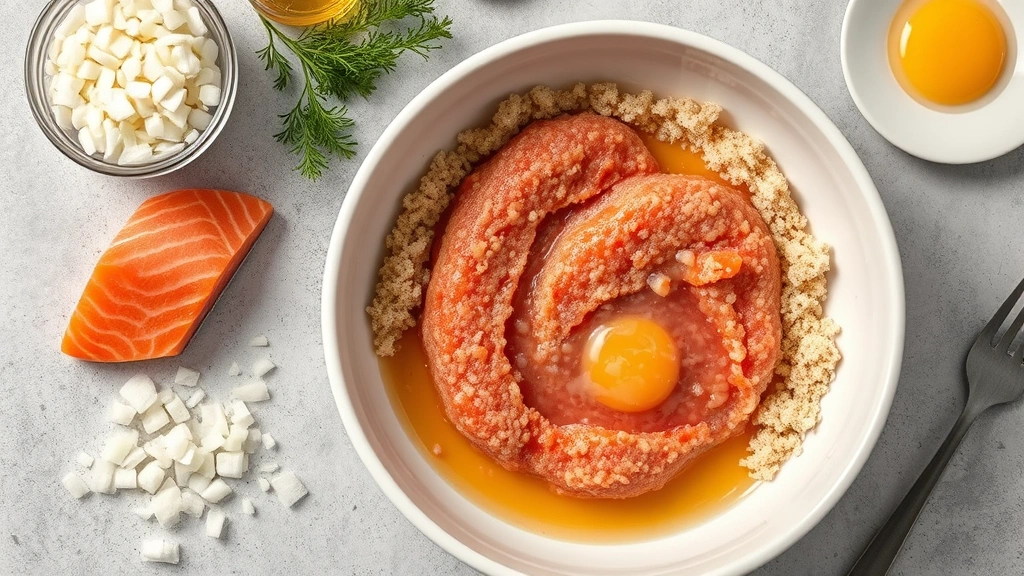
- Canned salmon (two 14.75-ounce cans) – the foundation of the recipe, providing protein and omega-3s. Choose wild-caught varieties when possible, and don’t drain the liquid completely; some of it helps bind the patties
- Breadcrumbs (½ to ¾ cup) – acts as a binder and creates structure. Panko breadcrumbs produce crispier results than regular varieties
- Eggs (2 large) – essential for binding ingredients together and creating moisture
- Onion (¼ cup finely diced) – adds subtle sweetness and aromatic depth
- Salt and pepper – season to taste, typically ½ teaspoon salt and ¼ teaspoon black pepper
- Cooking oil (2-3 tablespoons) – vegetable, canola, or olive oil for pan-frying
- Optional additions – dill, lemon zest, Worcestershire sauce, or hot sauce for personalized flavor profiles
Many variations of this recipe incorporate mayonnaise (1-2 tablespoons) to enhance moisture and richness. Some cooks add a touch of mustard powder or paprika for complexity. The beauty of grandma’s recipe is its flexibility—you can adjust ingredients based on what’s in your kitchen and your personal preferences.
Step-by-Step Instructions
Preparation: Start by draining your canned salmon, reserving about 2 tablespoons of the liquid. Remove any bones and skin if desired, though many cooks include these for extra calcium and nutrition. Place the salmon in a large mixing bowl.
Add the reserved salmon liquid to the bowl along with both eggs. Using a fork, gently break apart the salmon while incorporating the eggs. You want to maintain some texture rather than creating a completely smooth paste. This step is crucial for achieving the right consistency in your finished patties.
Fold in your finely diced onion, being careful not to overmix. Add the breadcrumbs gradually, starting with ½ cup. The mixture should hold together when squeezed but remain moist enough to form patties without being sticky. If it seems too loose, add additional breadcrumbs one tablespoon at a time. Season with salt, pepper, and any optional seasonings you’re using.
Divide the mixture into 8 equal portions. Using your hands, gently form each portion into a patty approximately ¾-inch thick. Don’t compress them too firmly—overly dense patties become tough when cooked. Place formed patties on a plate lined with parchment paper.
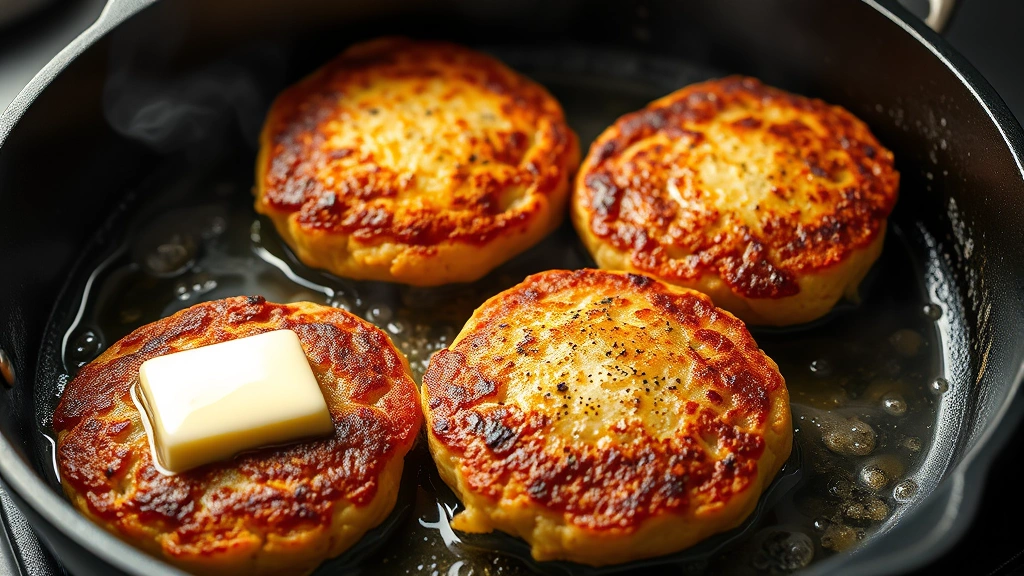
Cooking: Heat oil in a large skillet over medium-high heat. Once the oil shimmers, carefully place patties in the pan, working in batches if necessary to avoid crowding. Cook for 4-5 minutes on the first side without moving them—this allows the golden crust to develop properly. Flip gently and cook the second side for another 3-4 minutes until golden brown and crispy.
The patties should reach an internal temperature of 145°F (63°C) for food safety. They’ll be firm to the touch and the edges will show signs of browning. Transfer finished patties to a plate lined with paper towels to drain excess oil.
Pro Tips for Perfect Patties
Achieving restaurant-quality salmon patties at home requires attention to a few key techniques:
- Don’t overmix: Overworking the mixture develops gluten in the breadcrumbs, resulting in tough, dense patties. Mix just until ingredients are incorporated
- Chill before cooking: Refrigerate formed patties for at least 30 minutes before cooking. This helps them hold their shape and develop better texture
- Use medium-high heat: Too low heat produces pale, soggy patties. Too high heat burns the exterior while leaving the interior underdone. Medium-high is the sweet spot
- Don’t flip too early: Resist the urge to move patties around. Let them develop a crust before flipping, which typically takes 4-5 minutes
- Consider pan-frying versus baking: While baking is healthier, pan-frying produces superior texture and the characteristic golden crust that makes these patties special
- Add binding agents strategically: If your mixture seems too loose, mayonnaise or a beaten egg white works better than additional breadcrumbs, which can make patties dry
Professional chefs often recommend using a combination of panko and regular breadcrumbs. The panko creates crispiness on the outside while regular breadcrumbs help maintain moisture inside. This dual-breadcrumb approach represents a modern refinement of grandma’s traditional recipe.
Serving Suggestions and Pairings
The versatility of old fashioned salmon patties makes them suitable for any meal. Here are compelling serving options:
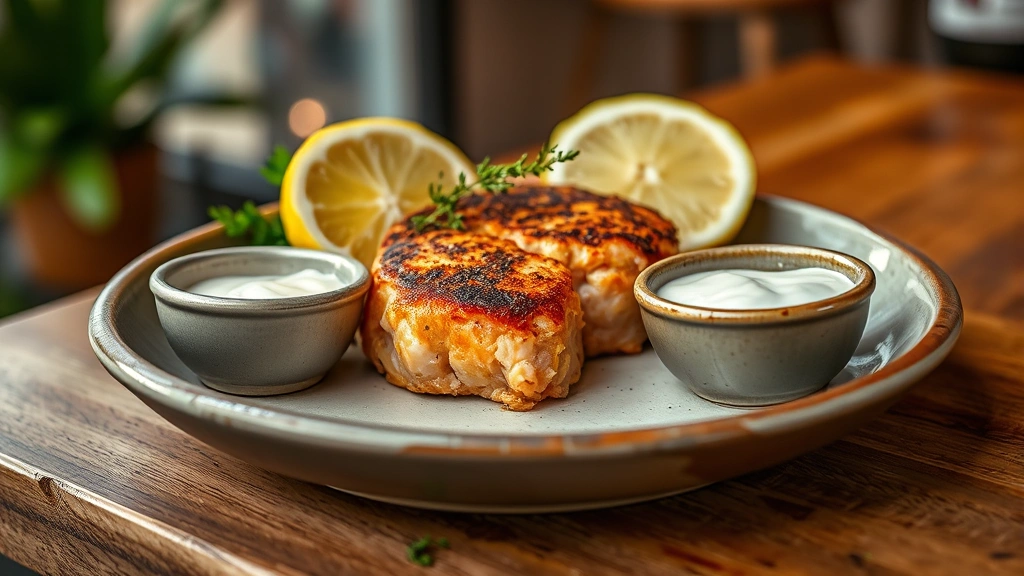
Classic dinner presentation: Serve patties alongside steamed vegetables and wild rice recipes for a balanced, nutritious meal. A squeeze of fresh lemon brightens the salmon’s natural flavors.
Sandwich style: Place a warm patty on toasted homemade bread with crisp lettuce, tomato slices, and tartar sauce. This transforms the patties into a gourmet lunch option.
Appetizer format: Make smaller patties and serve with a variety of dipping sauces—traditional tartar sauce, lemon aioli, or sriracha mayo—for entertaining.
Sauce pairings: Complement your patties with creamy dill sauce, spicy cocktail sauce, or a simple brown butter and caper reduction. A hollandaise variation works beautifully for brunch presentations.
Side dish considerations: Pair with roasted vegetables, fresh coleslaw, or a crisp green salad. Similar to preparing shredded chicken recipe variations, the key is balancing the richness of the patties with lighter accompaniments.
For weeknight dinners, serve alongside simple preparations like steamed broccoli or roasted sweet potatoes. The patties’ rich, satisfying nature means you don’t need elaborate sides to create a complete meal.
Storage and Make-Ahead Options
One of the greatest advantages of old fashioned salmon patties is their make-ahead capability, perfect for busy families:
Refrigerator storage: Cooked patties keep in an airtight container for up to 3 days. Reheat gently in a 350°F oven for 8-10 minutes to restore crispiness without drying them out. Microwave reheating is faster but produces softer results.
Freezer storage: Both cooked and uncooked patties freeze beautifully. Arrange uncooked patties on a baking sheet, freeze until solid (about 2 hours), then transfer to freezer bags. They’ll keep for up to 3 months. Cook frozen patties directly without thawing, adding 1-2 minutes per side to cooking time.
Batch cooking strategy: Prepare a double or triple batch on Sunday, then portion and freeze. Throughout the week, you’ll have quick protein options for lunch boxes, quick dinners, or unexpected guests. This approach mirrors the efficiency of preparing ground beef rice recipes in advance.
Meal prep advantages: Salmon patties work well in grain bowls, salads, or as standalone proteins. Their portability makes them ideal for office lunches. Unlike many homemade foods, they actually taste excellent at room temperature, making them perfect for picnics or travel.
For optimal results with frozen patties, thaw them in the refrigerator overnight before cooking. This ensures even cooking and better texture. If cooking from frozen, extend pan-frying time by 2-3 minutes per side and reduce heat slightly to prevent burning the exterior before the interior cooks through.
FAQ
Can I use fresh salmon instead of canned?
Yes, though the recipe requires adjustment. Use 2 cups of cooked, flaked fresh salmon. Fresh salmon contains more moisture than canned, so you may need to increase breadcrumbs to ¾ to 1 cup. The texture will be slightly different but equally delicious. Fresh salmon patties work wonderfully for special occasions when budget allows.
What’s the best oil for pan-frying?
Neutral oils with high smoke points work best—vegetable, canola, or light olive oil. Avoid extra virgin olive oil, which has a lower smoke point and will burn at the required temperature. Some cooks prefer a combination of butter and oil for enhanced flavor, though pure butter smokes too easily for this cooking method.
How can I make salmon patties healthier?
Bake patties at 400°F for 12-15 minutes instead of pan-frying. Use whole wheat breadcrumbs and increase vegetable content by adding finely grated zucchini or carrot. These modifications reduce oil while maintaining nutritional value. The texture won’t be quite as crispy, but the patties remain moist and flavorful.
Can I add cheese to the mixture?
Absolutely. Grated cheddar, Gruyère, or parmesan adds richness and depth. Use ¼ cup finely grated cheese per batch. This variation is particularly popular with children and transforms the patties into something closer to a fish cake. Reduce salt slightly when using cheese, as it contributes sodium.
Why are my patties falling apart during cooking?
This typically indicates insufficient binding. Ensure you’re using enough eggs and that the mixture holds together when squeezed. Refrigerating formed patties for at least 30 minutes before cooking significantly improves structural integrity. You can also brush patties lightly with oil or egg wash before cooking to create a protective seal.
How do I know when salmon patties are fully cooked?
Salmon patties should reach 145°F internally and show golden-brown color on both sides. They’ll feel firm when gently pressed and won’t flake apart when moved with a spatula. Canned salmon is already cooked, so the patties primarily need heating through and exterior crisping, which happens relatively quickly compared to fresh salmon.


