
Pork & Sauerkraut Delight: Grandma’s Secret Recipe
There’s something magical about a dish that has been passed down through generations, carrying with it the warmth of family memories and the expertise of loved ones who perfected it over decades. Pork and sauerkraut is one of those timeless classics that appears on tables across Central Europe, Germany, and Eastern European households during celebrations and quiet family dinners alike. This humble combination of tender, succulent pork and tangy, fermented sauerkraut creates a symphony of flavors that comfort the soul while satisfying even the most discerning palate.
Grandma’s secret recipe for pork and sauerkraut isn’t just about throwing ingredients into a pot and hoping for the best. It’s about understanding the delicate balance between the richness of the meat, the complexity of fermented cabbage, and the subtle seasonings that tie everything together. This traditional dish has roots in peasant cooking, where resourceful home cooks learned to make the most of available ingredients, transforming simple pork cuts and preserved vegetables into something extraordinary. What makes this version special is the attention to detail, the patience required to develop deep flavors, and the love that goes into every step of the preparation.
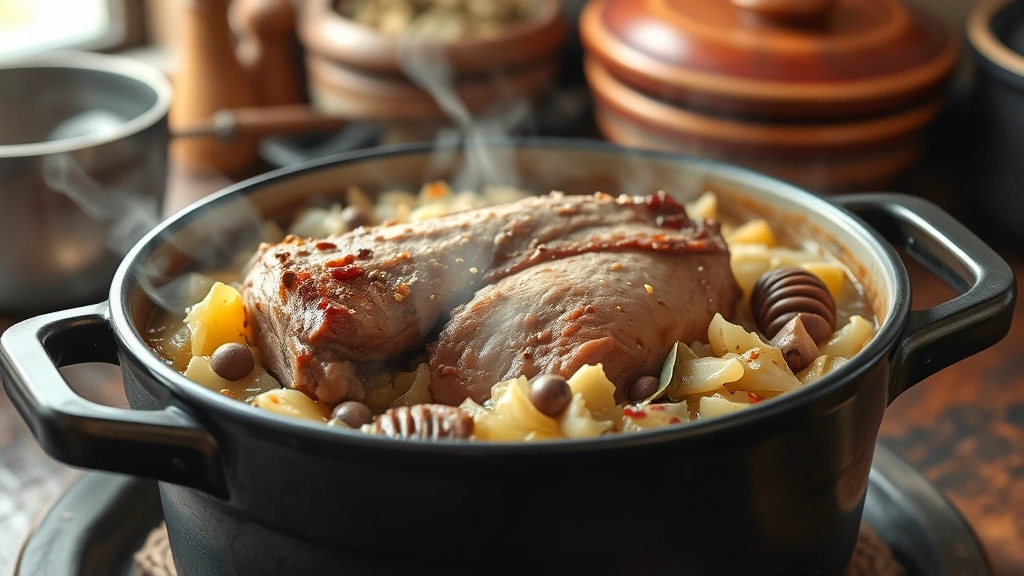
Understanding the Classic Pairing
The combination of pork and sauerkraut isn’t accidental—it’s culinary genius born from necessity and refined through tradition. When you understand why these ingredients work so beautifully together, you’ll appreciate grandma’s wisdom even more. Pork, with its natural fat content and mild flavor, provides a canvas for bolder tastes. Sauerkraut, with its sharp tang and complex fermented notes, cuts through the richness of the meat while its probiotic qualities aid digestion.
This pairing has deep historical roots in European culinary traditions, where preservation methods like fermentation were essential for survival through long winters. Before refrigeration, sauerkraut represented security—a way to maintain access to vegetables year-round. Pork, being a staple protein that could be salted and stored, naturally became the companion to these preserved vegetables. What started as practical necessity evolved into beloved tradition, with families developing their own versions and techniques.
The umami notes in fermented sauerkraut enhance the savory qualities of pork, creating a depth of flavor that’s greater than the sum of its parts. The acidity in the sauerkraut brightens the dish and prevents it from feeling heavy, even when generous portions of pork are involved. This is why grandma’s recipe works—she understood these flavor principles intuitively, even if she didn’t have the scientific terminology.
Essential Ingredients for Authenticity
Creating an authentic pork and sauerkraut delight requires attention to ingredient quality. Here’s what you’ll need:
- Pork: The choice of cut matters significantly. Grandma typically used bone-in pork shoulder, pork butt, or pork ribs. These cuts contain enough fat and connective tissue to become incredibly tender when braised. Boneless cuts work, but the bone adds flavor to the braising liquid.
- Sauerkraut: Use quality sauerkraut—preferably fresh from a refrigerated section rather than canned. Look for brands with minimal additives. The fermentation process should be the star, not added vinegar or preservatives.
- Onions: Yellow or white onions provide a sweet base for your braising liquid. They caramelize slightly during cooking, adding depth.
- Garlic: Fresh garlic cloves (not powder) are essential. They should be smashed rather than minced to release their oils gradually during cooking.
- Caraway seeds: This is often grandma’s secret touch. Caraway has an earthy, slightly sweet flavor that complements both pork and sauerkraut beautifully.
- Juniper berries: Optional but traditional, juniper adds a piney, slightly sweet note that elevates the dish.
- Bay leaves: Use fresh bay leaves if possible for superior flavor.
- Broth: Chicken or vegetable broth creates the braising liquid. Homemade is best, but quality store-bought works.
- Seasonings: Salt, black pepper, and perhaps a touch of paprika round out the profile.
The quality of these ingredients directly impacts your final dish. When making traditional comfort food recipes, sourcing matters because you’re working with simple components that can’t hide behind complex preparations.
Preparing Your Pork Perfectly
Preparation is where many home cooks stumble, but grandma knew the importance of this foundational step. Begin by removing your pork from the refrigerator thirty minutes before cooking. This allows the meat to reach closer to room temperature, ensuring more even cooking throughout.
Pat the pork completely dry with paper towels. This is crucial because moisture prevents browning. The Maillard reaction—the chemical process that creates those delicious brown, caramelized flavors—requires dry surfaces. Grandma understood this intuitively, always taking time to dry her meat thoroughly.
Season the pork generously with salt and freshly ground black pepper on all sides. Don’t be shy—this is your primary seasoning opportunity. If you’re using pork shoulder or butt, score the fat cap in a crosshatch pattern, cutting about a quarter-inch deep. This allows seasonings to penetrate and helps render the fat during cooking.
Use a heavy-bottomed Dutch oven or large braising pot, preferably one that can go from stovetop to oven. Heat it over medium-high heat until it’s quite hot. Add a small amount of neutral oil with a high smoke point—avocado oil or refined vegetable oil work well. When the oil shimmers, carefully place the pork in the pot.
Don’t move the pork around. Let it sit undisturbed for 4-5 minutes per side, developing a deep brown crust. This crust is flavor gold. For larger cuts, brown all major surfaces. The browning process typically takes 15-20 minutes total. When finished, transfer the pork to a clean plate.
The Art of Building Layers of Flavor
This is where grandma’s secret truly emerges. Rather than simply combining ingredients, you’re building flavor in stages, creating complexity and depth.
In the same pot where you browned the pork, reduce heat to medium. Add diced onions and cook for 3-4 minutes, stirring occasionally, until they begin to soften and the pan’s flavorful brown bits (called fond) start to loosen. Add smashed garlic cloves and cook for another minute until fragrant.
Now comes an important step many recipes skip: toasting your spices. Add caraway seeds and juniper berries (if using) directly to the pot. Stir constantly for 30-45 seconds until they become fragrant. This toasting process releases essential oils and intensifies their flavors dramatically.
Deglaze the pot with about half a cup of your broth, scraping the bottom with a wooden spoon to incorporate all those flavorful browned bits. Let this simmer for a minute, reducing slightly. This concentrated liquid becomes the flavor foundation for your entire dish.
Add your sauerkraut directly to the pot along with bay leaves. Stir well, distributing the sauerkraut evenly. If your sauerkraut is particularly salty (which some brands are), you might rinse it briefly under cold water first, though many prefer not to, as the salt adds to the overall seasoning.
Pour in enough broth to come about halfway up the side of the pork. This isn’t a soup—you want braising liquid, not a stew. Place the pork back into the pot, nestling it into the sauerkraut mixture. The sauerkraut should come partway up the sides of the meat.
Cooking Methods and Techniques
Grandma had two methods: the stovetop braise and the oven braise. Both work beautifully; the difference is primarily in convenience and heat distribution.
Oven Method (Recommended): Bring the pot to a gentle simmer on the stovetop, then cover it with a lid and transfer to a preheated 325°F oven. Braise for 2.5 to 3.5 hours, depending on the size and thickness of your pork. The meat is done when it’s fall-apart tender and easily pierced with a fork. This low, slow cooking allows collagen to convert to gelatin, creating a silky mouthfeel.
Stovetop Method: Bring to a simmer, reduce heat to low, cover, and maintain a gentle simmer for 3-4 hours. Check periodically to ensure the liquid isn’t reducing too quickly. Add more broth if needed.
About halfway through cooking, flip the pork if possible, ensuring even cooking and flavor distribution. If your pork is too large to flip easily, simply rotate it slightly and stir the sauerkraut around it.
The braising liquid will reduce and concentrate as the pork cooks. This is desirable—you’re creating a rich, flavorful sauce. However, you want to maintain enough liquid to prevent drying. The final liquid should coat the back of a spoon.
Testing for doneness: A meat thermometer inserted into the thickest part should read 190-203°F for maximum tenderness. Alternatively, the meat should shred easily with a fork. Grandma’s test was simple: if it fell apart when she tried to remove it, it was ready.
Serving Suggestions and Sides
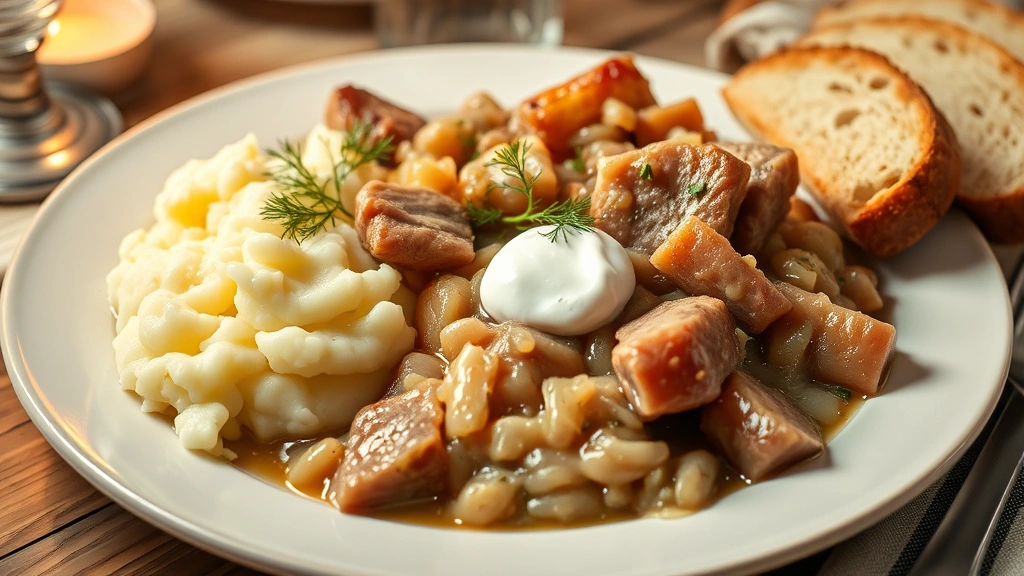
Presentation matters, even for humble comfort food. Remove the pork from the pot and place it on a cutting board. If it’s boneless, slice it into serving pieces. If it’s bone-in, simply separate it into portions. Arrange the pork on a serving platter and spoon the sauerkraut and braising liquid over and around it.
Garnish with fresh parsley or dill if you’d like a pop of color and freshness. A dollop of sour cream or crème fraîche on the side provides a cooling contrast to the tangy sauerkraut and rich pork.
Traditional sides complement this dish beautifully. Boiled or mashed potatoes absorb the delicious braising liquid perfectly. Egg noodles work wonderfully too, providing a neutral base that lets the pork and sauerkraut shine. Crusty bread for soaking up every drop of sauce is absolutely essential.
For vegetable sides, consider roasted root vegetables like carrots, parsnips, or beets. The earthiness pairs beautifully with the fermented flavors. A simple green salad with vinaigrette provides brightness and cuts through the richness.
This dish pairs beautifully with German beers—a crisp pilsner or a darker dunkel. If you prefer wine, a dry Riesling or even a light Pinot Noir complements the flavors wonderfully.
For those interested in exploring other traditional comfort foods, you might enjoy making pumpkin dump cake or apple crisp with oats for dessert, though grandma’s generation typically finished meals with simpler sweets like molasses cookies.
Storage is straightforward. This dish actually improves after a day or two as flavors meld further. Store in an airtight container in the refrigerator for up to four days. Reheat gently on the stovetop over low heat, adding a splash of broth if the sauce has thickened too much. You can also freeze this dish for up to three months—it freezes beautifully and tastes wonderful after thawing and reheating.
Make-ahead preparation is one of this dish’s greatest advantages. You can brown the pork and prepare everything the night before, then simply combine and braise when you’re ready. This makes it perfect for entertaining or busy weeknights when you want impressive results without last-minute stress.
FAQ
Can I use different cuts of pork?
Absolutely. While shoulder and butt are traditional, pork ribs create a different texture—more tender and falling-off-the-bone. Pork chops work too but require shorter cooking times (45 minutes to 1 hour). Pork belly offers incredible richness. The key is matching cooking time to the cut’s thickness.
What if I can’t find good sauerkraut?
Fresh sauerkraut from a jar in the refrigerated section is your best bet. If unavailable, canned sauerkraut works, though it often tastes more vinegary. You could make your own—it takes about two weeks of fermentation but rewards you with superior flavor. As a last resort, you could use shredded cabbage with added vinegar and salt, though this lacks the complexity of true fermentation.
Is this dish gluten-free?
Yes, the basic recipe is naturally gluten-free. Just ensure your broth is gluten-free certified if that’s a concern. Serve with gluten-free sides like potatoes or rice instead of traditional noodles if needed.
Can I make this in a slow cooker?
You can, though you’ll miss the browning step, which develops significant flavor. Brown the pork in a skillet first, then transfer everything to the slow cooker. Cook on low for 6-8 hours. The result is slightly different but still delicious.
How do I know if my sauerkraut is too salty?
Taste a small amount. If it’s very salty, rinse it under cold water for a minute or two. However, many prefer not to rinse, as the salt enhances the overall seasoning of the dish. You can always adjust salt at the end of cooking.
What’s the difference between this and other pork and cabbage dishes?
This recipe specifically uses sauerkraut—fermented cabbage—rather than fresh cabbage. The fermentation creates complex, tangy flavors and probiotic benefits that fresh cabbage doesn’t provide. The braising method also differs from stir-fries or quick preparations, allowing deep flavor development.
Can I add other vegetables?
Definitely. Diced carrots, parsnips, or potatoes can be added to the pot. Add them about 45 minutes before the pork finishes cooking so they don’t become mushy. Mushrooms, particularly cremini or porcini, add earthy depth and complement the sauerkraut beautifully.


