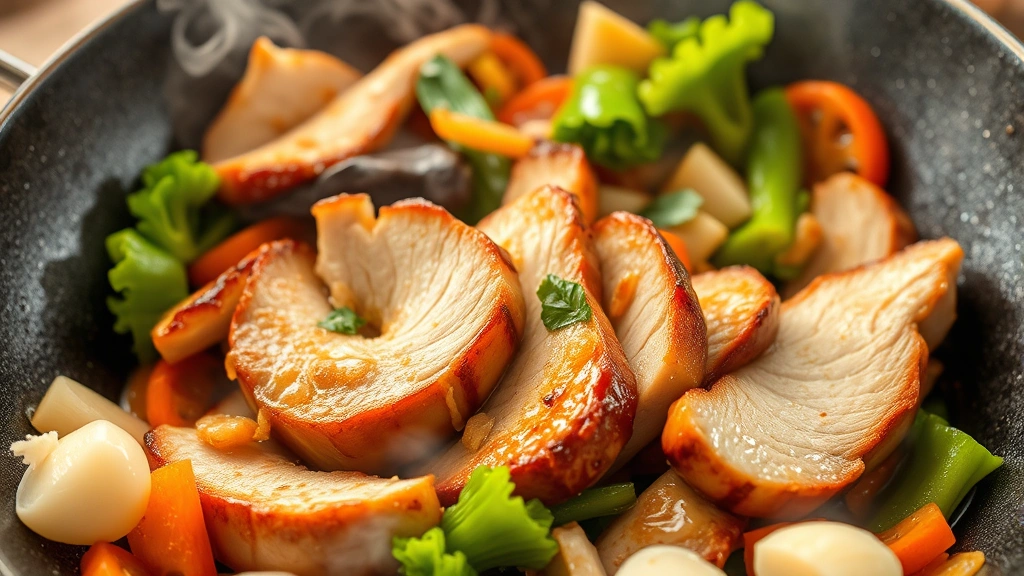
Easy Pork Stir Fry? Proven Recipe That Works Every Time
Pork stir fry is one of the quickest, most satisfying meals you can prepare at home. With just 20 minutes from start to finish, you’ll have restaurant-quality food on your table without the takeout price tag. This proven recipe combines tender pork, crisp vegetables, and a savory sauce that’ll have everyone asking for seconds.
The beauty of stir fry lies in its simplicity and flexibility. You control the ingredients, the heat level, and the cooking time. Whether you’re a seasoned home cook or just starting your culinary journey, this pork stir fry recipe delivers consistent, delicious results every single time. Let’s break down exactly how to master this technique.
Essential Ingredients for Perfect Pork Stir Fry
The foundation of any great pork stir fry starts with quality ingredients. You don’t need anything exotic or hard to find—just fresh, quality basics that work together harmoniously. Here’s what you’ll need:
- Pork: Use pork tenderloin or pork loin, sliced thin (about ¼-inch). This cut cooks quickly and stays tender. Avoid fatty cuts that won’t cook evenly in the short timeframe.
- Soy sauce: The backbone of your sauce. Use low-sodium soy sauce to control saltiness.
- Garlic and ginger: Fresh garlic (4-5 cloves) and fresh ginger (1 tablespoon minced) create the aromatic base.
- Sesame oil: Just a teaspoon adds authentic depth and nutty flavor.
- Rice vinegar or white vinegar: Adds brightness and balance to the sauce.
- Cornstarch: Creates a silky sauce coating without being heavy.
- Vegetable oil: Use high-heat oil like vegetable, canola, or peanut oil for the wok.
- Brown sugar: A touch of sweetness to round out the savory elements.
- Fresh vegetables: Bell peppers, broccoli, snap peas, carrots, and onions work beautifully.
- Green onions: Fresh garnish for color and mild onion flavor.
When selecting your pork, look for meat that’s bright pink with minimal marbling. The quality of your pork directly impacts the final dish. If you can’t find pork tenderloin, chicken breast works as a perfect substitute and cooks in the same timeframe.
Preparing Your Ingredients: The Key to Success
Stir fry cooking happens fast—once you start cooking, there’s no time to chop vegetables. This is why mise en place (having everything prepared and ready) is absolutely critical. Take 10 minutes to properly prep everything before you heat your wok.
Preparing the Pork: Start by slicing your pork against the grain into thin strips. This breaks down the muscle fibers and ensures tender bites. Pat the pork dry with paper towels—moisture prevents proper browning. Once dry, toss the pork with a pinch of salt and white pepper. Some cooks like to coat it lightly with cornstarch, which helps create a delicate crust.
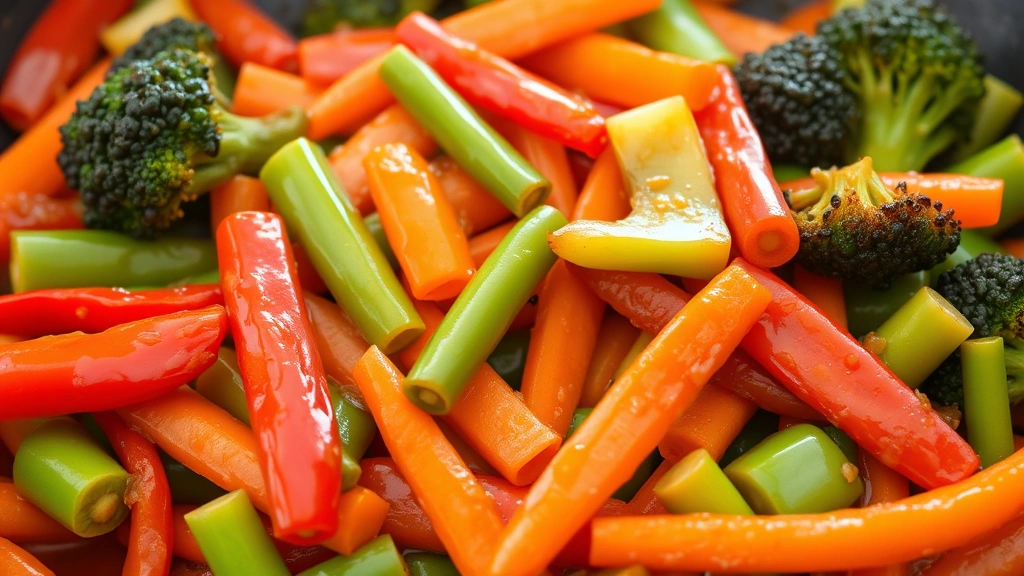
Preparing the Vegetables: Cut all vegetables into uniform, bite-sized pieces. This ensures even cooking. Harder vegetables like carrots and broccoli should be slightly smaller than softer vegetables like peppers and snap peas. Keep them in separate piles based on cooking time—longer-cooking vegetables go in first.
Making Your Sauce: Combine your sauce ingredients in a small bowl before you start cooking. You’ll need:
- 3 tablespoons soy sauce
- 2 tablespoons rice vinegar
- 1 tablespoon brown sugar
- 1 teaspoon sesame oil
- 1 teaspoon cornstarch mixed with 2 tablespoons water
Whisk these together thoroughly so the cornstarch doesn’t clump. Having this ready means you can add it to the wok at exactly the right moment without scrambling.
For more healthy food recipes that come together quickly, proper prep work is essential. The time you invest upfront directly translates to success in the wok.
Step-by-Step Cooking Instructions
Now we get to the exciting part—actually cooking your stir fry. Follow these steps precisely for best results:
Step 1: Heat Your Wok or Large Skillet
Place your wok over high heat for about 2 minutes. You want it smoking slightly before adding oil. A properly heated wok is the difference between soggy stir fry and crispy, perfectly cooked vegetables. If you don’t have a wok, a large skillet works fine—just use medium-high heat.
Step 2: Add Oil and Cook the Pork
Add 2 tablespoons of vegetable oil to the hot wok. It should shimmer immediately. Add the pork strips in a single layer and let them cook undisturbed for 2-3 minutes. This creates a golden crust through the Maillard reaction—the chemical process that creates flavor and color. Stir the pork and cook another 2-3 minutes until cooked through. Transfer to a clean plate.
Step 3: Cook Harder Vegetables First
Add 1 tablespoon more oil to the wok. Add your harder vegetables first: carrots, broccoli, and cauliflower. Stir-fry for 3-4 minutes until they’re tender-crisp. These vegetables need more time, so they go in before softer vegetables.
Step 4: Add Softer Vegetables and Aromatics
Add bell peppers, snap peas, onions, and any other quick-cooking vegetables. Stir continuously for 2 minutes. Push everything to the sides of the wok and add minced garlic and ginger to the center. Let them cook for 30 seconds—this blooms their flavors without burning them.
Step 5: Return the Pork and Add Sauce
Return the cooked pork to the wok along with all its juices. Stir your sauce one more time to ensure cornstarch is fully incorporated, then pour it over everything. Toss continuously for 1-2 minutes until the sauce thickens and coats all ingredients. You’ll see it transform from thin and watery to glossy and clingy.
Step 6: Finish and Serve
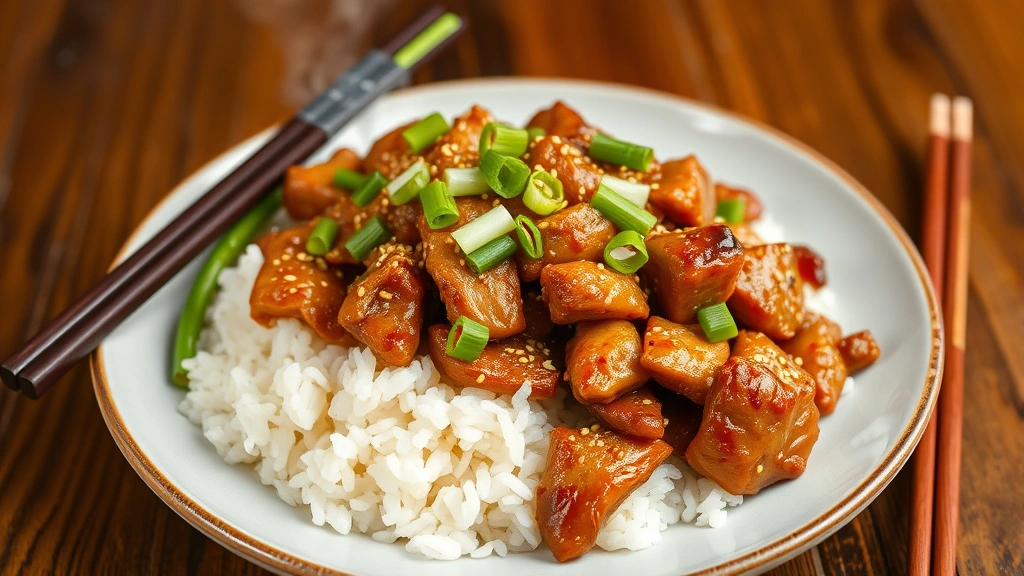
Remove from heat immediately once the sauce thickens. Stir in fresh green onions and serve over steamed rice or noodles. The entire cooking process from wok to table takes about 15-18 minutes.
Sauce Secrets and Flavor Building
The sauce is what transforms simple stir-fried ingredients into something memorable. Understanding how to balance the four key flavor elements—salty, sweet, sour, and savory—is what separates good stir fry from great stir fry.
Salty Element (Soy Sauce): Soy sauce provides umami, that savory fifth taste that makes food satisfying. Use low-sodium soy sauce so you control the salt level. Traditional soy sauce works better than tamari for pork stir fry, as it has more complex flavor depth.
Sweet Element (Brown Sugar): Just a tablespoon of brown sugar balances the saltiness and adds slight caramelization. Too much makes the dish cloying; too little makes it one-dimensional. Brown sugar works better than white sugar because it adds molasses notes.
Sour Element (Rice Vinegar): Rice vinegar brightens the entire dish and prevents it from tasting heavy. The acidity cuts through the richness of the oil and pork. White vinegar works in a pinch, but rice vinegar has a gentler, rounder flavor.
Savory Element (Sesame Oil): A teaspoon of toasted sesame oil adds incredible depth. Don’t use too much—it’s potent. This is what makes your stir fry taste authentically Asian rather than just salty.
The cornstarch slurry is crucial for achieving the right sauce consistency. The cornstarch gelatinizes at around 140°F, thickening the liquid and helping it cling to the food. This creates that silky, glossy coating that makes stir fry so appealing.
If your sauce is too thin, mix 1 teaspoon cornstarch with 1 tablespoon water and stir it in over heat. If it’s too thick, add a splash of water or broth. The sauce should coat a spoon but still flow slightly.
Vegetable Combinations and Variations
One of the best aspects of stir fry is its incredible flexibility. You can adapt this recipe based on what’s in your refrigerator, what’s in season, or your personal preferences. The cooking principles remain the same—just organize vegetables by cooking time.
Classic Combination: Bell peppers, broccoli, snap peas, and carrots. This is the safest, most universally loved combination. All vegetables maintain good texture when cooked quickly.
Asian-Inspired Variation: Bok choy, shiitake mushrooms, water chestnuts, and baby corn. This creates more authentic Asian flavors and textures. Bok choy cooks quickly and stays tender.
Hearty Winter Version: Broccoli, cauliflower, mushrooms, and cabbage. This version is more filling and works beautifully with high protein low calorie recipes for a balanced meal.
Light Summer Version: Zucchini, yellow squash, snap peas, and cherry tomatoes. Add the tomatoes at the very end so they don’t burst completely.
Spicy Variation: Add red pepper flakes, sriracha, or fresh Thai chilies. Start with ¼ teaspoon red pepper flakes and adjust to taste. Spicy stir fries pair wonderfully with bang bang shrimp recipe techniques—the same heat-forward approach works beautifully with pork.
You can also swap the protein. Chicken breast, beef tenderloin, shrimp, or tofu all work with this exact sauce and cooking method. Just adjust cooking times slightly based on the protein’s thickness.
Serving Suggestions and Pairings
How you serve your pork stir fry dramatically affects the eating experience. The right accompaniments transform it from a simple weeknight dinner into something special.
Rice Options: Jasmine rice, white rice, brown rice, or cauliflower rice all work beautifully. Jasmine rice adds subtle floral notes that complement the sauce. Brown rice adds nutty flavor and more fiber. Cauliflower rice creates a lighter, lower-carb version that pairs surprisingly well.
Noodle Options: Chow mein noodles, ramen noodles, or rice noodles offer different textures. Chow mein noodles get crispy and chewy. Ramen noodles absorb sauce beautifully. Rice noodles stay delicate and light.
Additional Toppings: Sesame seeds add crunch and visual appeal. Crushed peanuts add protein and richness. Fresh cilantro adds brightness. Sliced green onions add color and mild onion flavor.
For a complete meal, consider pairing this with best breakfast food recipes the next morning—stir-fried leftovers make incredible breakfast fried rice. You can also prepare chicken and potatoes recipe variations using the same stir-fry technique for meal variety throughout the week.
For beverage pairings, consider jasmine tea, lychee juice, or a crisp white wine like Sauvignon Blanc. These complement the savory-sweet sauce without overwhelming the delicate pork flavor.
FAQ
What cut of pork is best for stir fry?
Pork tenderloin and pork loin are the best choices. They’re lean, cook quickly, and stay tender. Avoid fatty cuts like pork belly or shoulder, which won’t cook evenly in the short cooking time. Slice against the grain into ¼-inch pieces for maximum tenderness.
Can I prepare pork stir fry ahead of time?
You can prep all ingredients ahead (mise en place), but you should cook it fresh. Stir fry is best served immediately after cooking when vegetables are still crisp and the sauce is glossy. You can refrigerate leftovers for 3-4 days and reheat gently in a wok, though the texture won’t be quite as good.
Why is my stir fry soggy?
Soggy stir fry usually results from overcooking vegetables, adding too much sauce, or not heating the wok hot enough. Keep heat high, don’t overcrowd the wok, and cook vegetables just until tender-crisp. Add sauce at the very end and cook just until thickened.
Can I use frozen vegetables?
Fresh vegetables are ideal because they stay crisp, but frozen vegetables work in a pinch. Thaw and drain them thoroughly to remove excess moisture. Add them later in the cooking process since they’re partially cooked already. Note that texture will be softer than with fresh vegetables.
How do I make this recipe lower in sodium?
Use low-sodium soy sauce and reduce the amount from 3 tablespoons to 2 tablespoons. Add extra rice vinegar and sesame oil for flavor without salt. You can also add a pinch of white pepper or increase the ginger and garlic for more flavor depth.
What’s the best wok for home cooking?
A 14-inch carbon steel wok heats quickly and distributes heat evenly. Non-stick woks are easier to clean but don’t develop the same flavor through high-heat cooking. A large skillet works perfectly fine if you don’t have a wok. The cooking method matters more than the equipment.
Can I double this recipe?
Yes, but don’t double it in the same wok. Cook in two batches instead. Overcrowding the wok drops the temperature and creates steam instead of the sear you want. Cooking in batches takes slightly longer but produces much better results.
What if I don’t have sesame oil?
Sesame oil adds authentic flavor, but you can omit it if necessary. The stir fry will still taste good—just slightly less complex. Don’t substitute regular vegetable oil, which lacks sesame oil’s distinctive nutty flavor. A small amount of peanut oil adds some depth, though it’s different from sesame oil.


