
Protein Muffin Recipe: Nutritionist-Approved High-Protein Breakfast
Protein muffins are the ultimate grab-and-go breakfast solution for busy mornings, fitness enthusiasts, and anyone looking to fuel their body with sustained energy. Unlike traditional muffins loaded with refined sugars and empty calories, a well-crafted protein muffin recipe delivers 15-25 grams of protein per serving while maintaining that tender, moist crumb we all crave. Whether you’re meal prepping for the week or satisfying a sweet craving without the guilt, these nutritionist-approved muffins prove that healthy eating doesn’t mean sacrificing flavor.
The beauty of protein muffins lies in their versatility. You can customize them with your favorite mix-ins, adjust sweetness levels, and even experiment with different protein powder flavors to keep breakfast exciting. From chocolate peanut butter to blueberry vanilla, the possibilities are endless. This comprehensive guide will walk you through everything you need to know about creating perfect protein muffins at home, complete with ingredient breakdowns, baking techniques, and storage tips that ensure your muffins stay fresh all week long.
Why Protein Muffins Are a Game-Changer
Starting your day with adequate protein is crucial for maintaining stable blood sugar, reducing hunger throughout the morning, and supporting muscle recovery if you exercise regularly. Traditional muffins often contain 3-5 grams of protein, leaving you hungry within an hour. A quality protein muffin recipe changes this equation entirely. By incorporating protein powder, Greek yogurt, and eggs, you’re creating a complete breakfast that satisfies hunger for hours.
Nutritionists consistently recommend protein muffins because they address multiple nutritional needs simultaneously. The protein content supports muscle maintenance and repair, while the combination of whole grains and healthy fats promotes satiety. Unlike sugary commercial muffins that cause energy crashes, these homemade versions provide sustained energy release, making them perfect whether you’re heading to the gym, office, or school.
The convenience factor cannot be overstated. Baking a batch of 12 muffins on Sunday gives you grab-and-go breakfasts for nearly two weeks. This approach eliminates the temptation to grab unhealthy convenience foods when you’re rushing out the door. Many people find that having protein muffins readily available increases their likelihood of eating breakfast, which research shows improves focus, metabolism, and overall daily nutrition.
Essential Ingredients and Their Roles
Understanding each ingredient’s function helps you make intelligent substitutions and optimize your protein muffin recipe for your dietary needs. Let’s break down the key components:
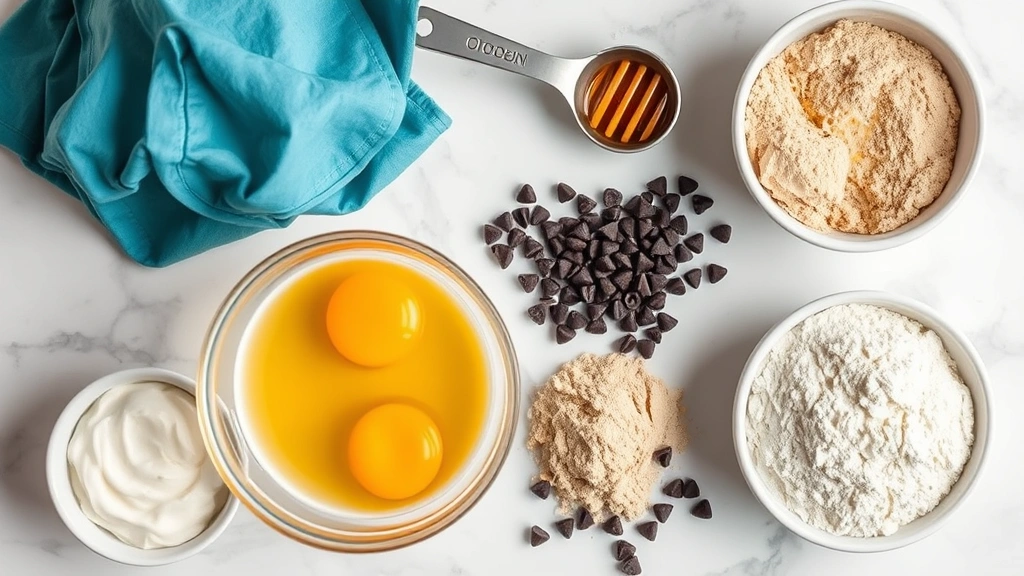
Protein Powder: This is the star ingredient that transforms ordinary muffins into protein-packed powerhouses. Whey protein isolate works best for texture and taste, though plant-based options work equally well. Vanilla and chocolate flavors blend seamlessly, while unique flavors like cookies and cream or birthday cake offer exciting variations. Aim for 1/3 to 1/2 cup per batch of 12 muffins.
Eggs: Eggs provide structure, binding, and additional protein. They also create moisture and richness that keeps muffins tender. Most recipes call for 2-3 large eggs. For vegan versions, use flax eggs (1 tablespoon ground flaxseed mixed with 3 tablespoons water per egg).
Greek Yogurt: This ingredient adds moisture, tang, and extra protein while reducing the need for oil. Plain non-fat or 2% Greek yogurt works best, as it won’t overpower other flavors. Typically, use 3/4 to 1 cup per batch. If you’re looking to incorporate dairy into other recipes, check out our Greek yogurt recipes for more inspiration.
Whole Wheat Flour: Rather than all-purpose flour, whole wheat flour adds fiber, nutrients, and a subtle nutty flavor. It also helps create a more substantial crumb. Use 1 to 1.5 cups per batch. Mixing half whole wheat with half almond flour creates an even more nutrient-dense option.
Sweeteners: Honey, maple syrup, or banana puree provide natural sweetness without refined sugars. For reduced-sugar versions, stevia or monk fruit sweetener work excellently. Typically use 1/4 to 1/3 cup sweetener per batch.
Baking Essentials: Baking powder and baking soda create the rise and light texture. Use 1.5 teaspoons baking powder and 1/2 teaspoon baking soda. A pinch of salt enhances all flavors and balances sweetness.
Healthy Fats: Coconut oil, avocado oil, or unsweetened applesauce add moisture and richness. Use 2-3 tablespoons per batch. These fats also help with nutrient absorption and satiety.
Classic Chocolate Protein Muffin Recipe
Ingredients (Makes 12 muffins):
- 1 cup whole wheat flour
- 1/2 cup chocolate whey protein powder
- 2 teaspoons baking powder
- 1/2 teaspoon baking soda
- 1/4 teaspoon sea salt
- 2 large eggs
- 3/4 cup plain Greek yogurt
- 1/3 cup honey or maple syrup
- 1/4 cup coconut oil, melted
- 1 teaspoon vanilla extract
- 1/2 cup unsweetened applesauce
- 1/3 cup dark chocolate chips (optional)
- 1/4 cup chopped walnuts (optional)
Instructions:
- Preheat and prepare: Heat your oven to 350°F (175°C). Line a standard 12-cup muffin tin with paper liners or grease with cooking spray. This prevents sticking and makes cleanup effortless.
- Mix dry ingredients: In a medium bowl, whisk together whole wheat flour, chocolate protein powder, baking powder, baking soda, and salt. This combination ensures even distribution of leavening agents throughout your batter.
- Combine wet ingredients: In a separate large bowl, whisk eggs until slightly frothy. Add Greek yogurt, honey, melted coconut oil, vanilla extract, and applesauce. Whisk until smooth and fully combined. The mixture should be relatively thick but pourable.
- Fold together: Pour wet ingredients into dry ingredients and fold gently using a spatula or wooden spoon. Mix until just combined—overmixing develops gluten and creates dense, tough muffins. A few small flour streaks are perfectly acceptable.
- Add mix-ins: Gently fold in chocolate chips and walnuts if using. These additions provide texture variety and extra nutrients.
- Fill muffin cups: Divide batter evenly among prepared muffin cups, filling each about 2/3 full. Use a cookie scoop for consistent sizing and even baking.
- Bake: Place in preheated oven for 18-22 minutes, until a toothpick inserted in the center comes out clean or with just a few moist crumbs. The tops should spring back lightly when touched.
- Cool: Allow muffins to cool in the tin for 10 minutes before transferring to a wire rack. This cooling period allows them to set properly without becoming dry.
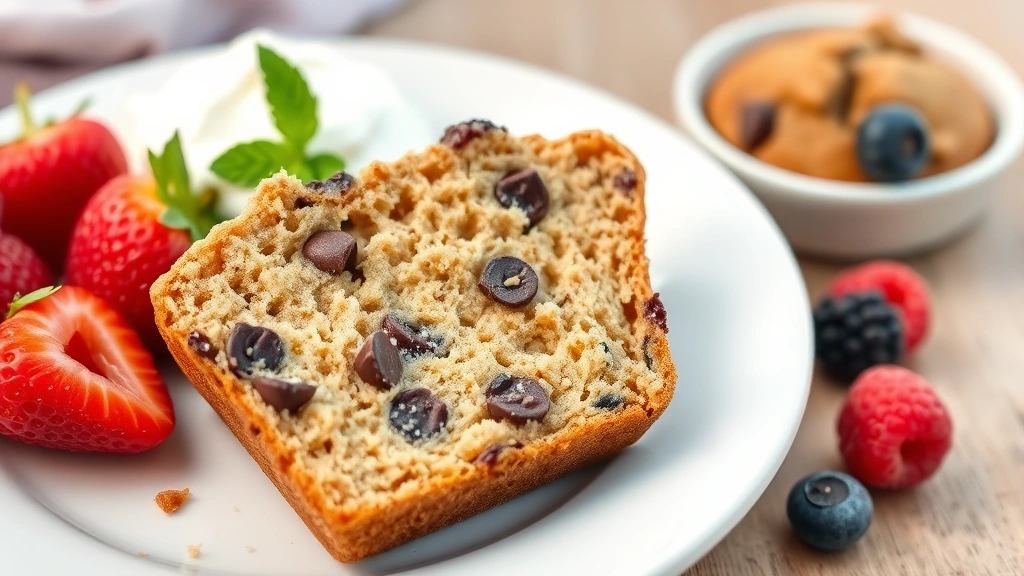
Nutrition per muffin: approximately 180-200 calories, 18g protein, 22g carbohydrates, 5g fat, 3g fiber.
Baking Techniques for Perfect Results
Achieving consistently perfect protein muffins requires understanding several key baking principles. Temperature accuracy is paramount—invest in an oven thermometer to ensure your oven actually reaches the stated temperature. Many home ovens run 25-50 degrees off, causing uneven baking or dry muffins.
The wet-and-dry mixing method, used in our recipe, prevents overdeveloping gluten while ensuring ingredients are evenly distributed. When you combine wet and dry ingredients, whisk gently for just 15-20 seconds. Small lumps are fine and will disappear during baking. Overmixing, conversely, leads to tough, dense muffins with tunnels—those large air pockets that indicate excessive gluten development.
Room temperature ingredients blend more smoothly and create better texture. Remove eggs and yogurt from the refrigerator 30 minutes before baking. Cold ingredients don’t incorporate properly, potentially leading to lumpy batter and uneven crumb structure.
Use quality muffin liners or grease your tin thoroughly. Protein muffins contain less fat than traditional muffins, making them more prone to sticking. Parchment liners work best and peel away cleanly, leaving no residue.
Fill muffin cups consistently using a 1/4 cup measure or cookie scoop. Uneven filling causes some muffins to bake faster than others. If you have empty cups, fill them halfway with water to ensure even heat distribution and prevent your muffin tin from warping.
The toothpick test is your best friend. A toothpick inserted in the center should come out clean or with just a few moist crumbs. If it comes out wet with batter, bake for another 2-3 minutes and test again. Overbaking by even 5 minutes can dry out muffins significantly.
Cooling is crucial. Muffins continue cooking as they cool, so remove them from the oven when a toothpick shows just slightly underdone. This residual heat finishes the cooking process without drying them out. Cooling in the tin for 10 minutes allows them to set without becoming fragile, then transfer to a wire rack for complete cooling.
Delicious Flavor Variations
Once you’ve mastered the basic protein muffin recipe, experimenting with flavors keeps breakfast exciting. Here are our favorite variations:
Blueberry Vanilla: Use vanilla protein powder and add 1 cup fresh or frozen blueberries (don’t thaw frozen berries—they distribute better and don’t bleed). Add 1/2 teaspoon lemon zest for brightness. Reduce whole wheat flour to 3/4 cup and add 1/4 cup almond flour for extra moisture.
Peanut Butter Banana: Combine vanilla protein powder with 1/3 cup natural peanut butter mixed into wet ingredients. Mash 1 ripe banana and include in wet ingredients. Add 1/2 cup chopped peanuts as mix-in. This combination satisfies peanut butter cravings while boosting protein further.
Carrot Cake: Add 3/4 cup grated carrots and 1/2 cup crushed pineapple (drained) to wet ingredients. Use vanilla protein powder and add 1 teaspoon cinnamon, 1/4 teaspoon nutmeg, and 1/4 teaspoon ginger. Top with a cream cheese frosting for special occasions.
Apple Cinnamon Walnut: Dice 1 large apple finely and fold into batter. Use vanilla protein powder and add 2 teaspoons cinnamon and 1/4 teaspoon nutmeg. Add 1/2 cup chopped walnuts. This variation tastes like autumn in every bite.
Cookies and Cream: Use vanilla protein powder and crush 8-10 chocolate sandwich cookies into the batter. Add an extra 1 tablespoon vanilla extract for enhanced cookies-and-cream flavor. Reserve some crushed cookie pieces to sprinkle on top before baking.
Strawberry Cheesecake: Add 1 cup chopped fresh strawberries and mix 4 ounces softened cream cheese into wet ingredients. Use vanilla protein powder and add 1/2 teaspoon lemon zest. The cream cheese creates a subtle tang that complements strawberries beautifully.
For those interested in other protein-rich breakfast options, our comfort food recipes include several substantial morning meals worth exploring.
Storage and Make-Ahead Strategies
Proper storage maximizes your protein muffin investment. Room temperature storage works for up to 2 days, though muffins taste best fresh. Place cooled muffins in an airtight container with parchment paper between layers to prevent sticking.
Refrigerator storage extends shelf life to 5-7 days. Store in an airtight container on the middle shelf away from strong-smelling foods. Before eating, allow muffins to come to room temperature or warm them slightly in the microwave (15-20 seconds) for improved texture and flavor.
Freezing is your secret weapon for meal prep. Wrap each completely cooled muffin individually in plastic wrap, then place wrapped muffins in a freezer-safe container or bag. Properly frozen muffins last 2-3 months. Thaw at room temperature for 1-2 hours or microwave for 30-45 seconds from frozen. This approach means you always have a healthy breakfast option available.
For ultimate convenience, assemble unbaked batter in individual muffin liners inside freezer bags. Freeze for up to one month, then bake directly from frozen, adding 2-3 minutes to bake time. This method saves time on busy mornings.
Label your containers with contents and dates. This simple step prevents mystery muffins and ensures you rotate stock properly. A white label and permanent marker take seconds but improve organization significantly.
Nutritional Benefits Explained
A well-designed protein muffin recipe delivers impressive nutritional benefits that extend far beyond simple macronutrient totals. Let’s examine what makes these muffins nutritionally superior to traditional versions.
Sustained Energy Release: The combination of protein, fiber, and complex carbohydrates creates a low glycemic index meal. Unlike refined carbohydrate muffins that spike blood sugar rapidly, protein muffins release energy gradually, maintaining stable glucose levels throughout the morning. This stability prevents the energy crash that leads to mid-morning snacking.
Muscle Support: With 18-25 grams of protein per muffin, these treats support muscle protein synthesis, crucial for anyone engaging in resistance training or regular exercise. Post-workout protein consumption within 1-2 hours optimizes recovery, making protein muffins an excellent post-exercise snack. If you’re interested in protein-rich meals generally, explore our beef and rice recipes for complementary dinner options.
Satiety and Weight Management: Protein requires more energy to digest than carbohydrates or fat—a phenomenon called the thermic effect of food. Protein muffins essentially boost your metabolism slightly while keeping you fuller longer. Studies show that adequate protein intake increases feelings of fullness and reduces overall calorie consumption throughout the day.
Fiber Benefits: Whole wheat flour and optional additions like ground flaxseed or chia seeds provide 3-5 grams of fiber per muffin. Dietary fiber supports digestive health, feeds beneficial gut bacteria, and contributes to that sustained fullness mentioned above.
Micronutrient Density: Greek yogurt provides probiotics supporting gut health and calcium for bone strength. Eggs contribute choline for cognitive function. Whole grains supply B vitamins for energy metabolism. Mix-ins like nuts and seeds add magnesium, zinc, and omega-3 fatty acids. One muffin delivers a surprisingly complete nutritional profile.
Blood Sugar Stability: The moderate glycemic load prevents the insulin spikes that promote fat storage and energy crashes. People with prediabetes or diabetes find protein muffins particularly beneficial for maintaining stable blood glucose levels throughout the day.
Reduced Added Sugar: Commercial muffins often contain 15-25 grams of added sugar—more than half your daily recommended intake in a single serving. Homemade protein muffins typically contain only 8-12 grams of sugar, mostly from natural sweeteners and fruit, with minimal processed sugar.
For those managing specific health conditions through nutrition, exploring diverse recipes helps maintain dietary variety while meeting health goals. Our zucchini boat recipes offer another vegetable-forward option for balanced meal planning.
According to the Academy of Nutrition and Dietetics, including adequate protein at breakfast significantly improves adherence to healthy eating patterns throughout the day. The organization recommends 20-30 grams of protein at breakfast for optimal satiety and metabolic benefits.
FAQ
Can I make protein muffins without protein powder?
Yes, though they won’t contain as much protein. Replace protein powder with additional whole wheat flour (1:1 ratio) and increase Greek yogurt to 1 cup. Add 2 additional eggs to boost protein content. The resulting muffins will contain approximately 10-12 grams of protein instead of 18-25 grams.
What’s the best protein powder for muffins?
Whey protein isolate produces the best results in baking, creating tender muffins with smooth texture. Plant-based options (pea, hemp, or brown rice protein) work well but may create slightly denser muffins. Avoid protein blends with numerous additives, as they can affect taste and texture. Vanilla and chocolate flavors integrate seamlessly; experiment with others carefully.
Why are my muffins dry?
Overmixing, overbaking, or using too much protein powder causes dryness. Limit mixing to 15-20 seconds after combining wet and dry ingredients. Remove muffins from the oven when a toothpick shows just slightly underdone. Reduce protein powder by 2 tablespoons if your muffins consistently come out dry.
Can I substitute Greek yogurt with regular yogurt?
Regular yogurt contains more water and less protein, resulting in wetter batter and less nutritional benefit. If substituting, use only 1/2 cup regular yogurt and reduce liquid slightly elsewhere. The texture and protein content will differ from the original recipe.
How do I make these muffins vegan?
Replace eggs with flax eggs (1 tablespoon ground flaxseed plus 3 tablespoons water per egg). Use plant-based protein powder instead of whey. Replace Greek yogurt with dairy-free yogurt or applesauce (use 1 cup total). Use maple syrup or agave instead of honey. Everything else remains the same.
Can I make mini muffins?
Absolutely! Fill mini muffin tins about 2/3 full and reduce baking time to 12-15 minutes. Mini muffins work excellently for portion control and make convenient grab-and-go snacks. One batch yields approximately 24 mini muffins with proportionally adjusted nutrition.
What if I don’t have Greek yogurt?
Sour cream works as a 1:1 substitute but creates slightly tangier muffins. Cottage cheese (blended smooth) works but affects texture slightly. In a pinch, replace with 3/4 cup additional applesauce plus 1 tablespoon lemon juice, though protein content decreases without Greek yogurt’s protein contribution.
Are these muffins suitable for meal prep?
Absolutely—they’re ideal for meal prep! Bake a batch on Sunday and enjoy protein-rich breakfasts all week. Proper storage in airtight containers keeps them fresh for 5-7 days in the refrigerator or up to 3 months in the freezer, making them perfect for busy schedules.
Mastering a quality protein muffin recipe transforms breakfast from a stressful decision into a delicious, nutritious habit. With the fundamentals covered, you’re equipped to customize, experiment, and create muffins perfectly suited to your taste preferences and dietary goals. Start with the classic chocolate recipe, then explore variations as you grow confident. Your body—and your taste buds—will thank you for this investment in nutritious, convenient breakfast eating.


