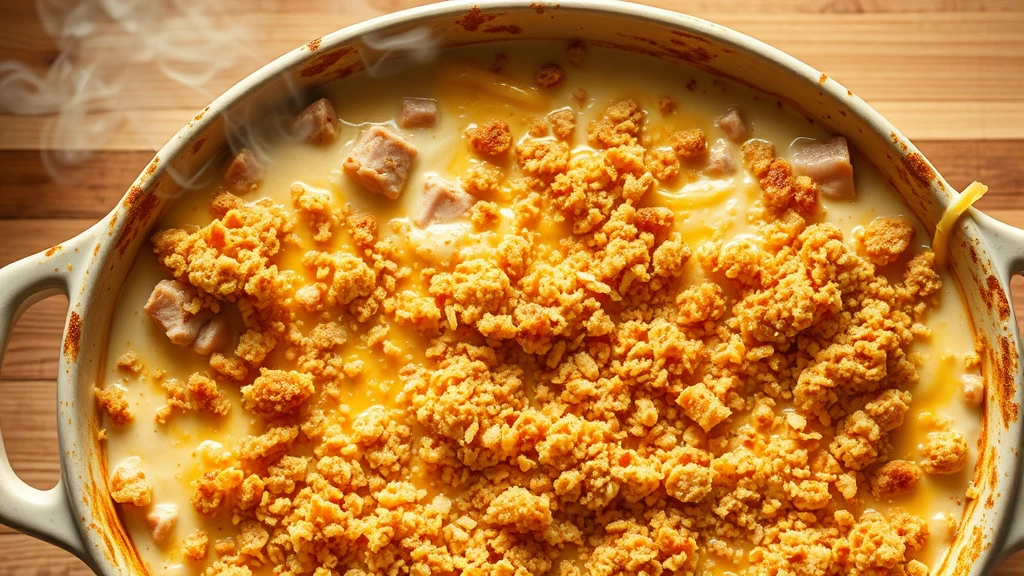
Delicious Ham Casserole: A Family Favorite Recipe
There’s something truly special about a ham casserole that brings families together around the dinner table. This classic comfort food combines tender ham, creamy sauce, and wholesome ingredients into one satisfying dish that appeals to both children and adults alike. Whether you’re planning a weeknight dinner or preparing a meal for a special occasion, a ham casserole offers the perfect balance of convenience and homemade goodness.
Ham casseroles have been a staple in American households for generations, and for good reason. They’re economical, versatile, and incredibly forgiving to cook. Unlike some elaborate recipes that require precise timing and technique, a ham casserole allows you to combine ingredients with confidence, knowing that the oven will work its magic. Plus, these dishes often taste even better the next day, making them ideal for meal prep and leftovers.
In this comprehensive guide, we’ll walk you through everything you need to know about creating the perfect ham casserole. From ingredient selection to cooking techniques, you’ll discover how to elevate this comfort food classic into something truly memorable for your family.
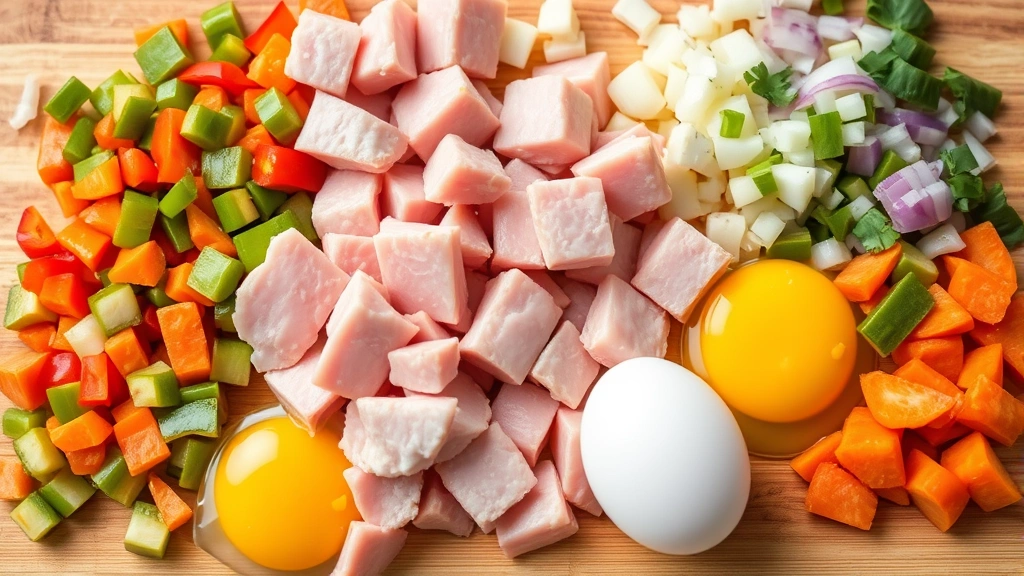
Choosing the Right Ham for Your Casserole
The quality of ham you select will significantly impact your casserole’s final flavor and texture. When shopping for ham, you’ll encounter several varieties, each with distinct characteristics that affect your cooking results.
Bone-in ham offers superior flavor due to the marrow and connective tissues that create a rich, savory broth during cooking. While bone-in options require more preparation time and yield slightly less meat per pound, the enhanced taste makes them worth considering for special occasions. Boneless ham provides convenience and cleaner portioning, making it ideal for casseroles where you want uniform pieces throughout the dish.
Consider the ham’s cure level as well. Fully cooked hams require only heating, while partially cooked varieties need longer cooking times. Always check the label to determine whether your ham is pre-cooked, as this affects both your preparation time and cooking temperature. For casseroles, fully cooked ham works wonderfully because it allows you to focus on developing flavors through the sauce and additional ingredients rather than cooking the ham itself.
Fresh ham, sometimes called pork leg, differs significantly from cured ham and requires different preparation methods. For traditional casserole recipes, stick with cured ham varieties. The natural saltiness and smokiness of cured ham complement creamy sauces and vegetables beautifully.

Essential Ingredients and Substitutions
A classic ham casserole typically includes several key components that work together to create a harmonious, comforting dish. Understanding each ingredient’s role helps you make informed substitutions based on dietary preferences or ingredient availability.
The base usually consists of a creamy sauce made from butter, flour, and milk or broth. This roux-based sauce coats the ham and vegetables, creating the casserole’s signature texture. Some cooks prefer using cream of mushroom or cream of chicken soup as a shortcut, which reduces prep time significantly while still delivering excellent results.
Vegetables add nutrition, color, and flavor complexity. Traditional choices include diced bell peppers, onions, celery, and peas. You can easily customize this component based on what you have available. Carrots add natural sweetness, while mushrooms contribute earthy depth. If you’re interested in exploring summer salad recipes, you’ll notice similar vegetable combinations that work wonderfully in casseroles too.
Starch provides substance and helps stretch the casserole to feed more people. Common options include diced potatoes, cooked rice, pasta, or breadcrumbs. The starch you choose influences the final texture and cooking time. Potatoes require longer cooking, while pre-cooked pasta or rice speeds up the overall process.
Cheese adds richness and creates a golden top. Cheddar is traditional, but gruyere, Swiss, or a combination of cheeses work beautifully. Avoid pre-shredded varieties when possible, as they contain anti-caking agents that can affect melting quality.
For a lighter version, consider using Greek yogurt or cottage cheese instead of heavy cream. If you’re concerned about dietary choices, our guide on foods to avoid for weight loss offers insights into making healthier casserole adaptations.
Step-by-Step Preparation Guide
Proper preparation ensures your ham casserole comes together smoothly and bakes evenly. Following these steps methodically will help you avoid common mistakes and achieve professional-quality results.
Step 1: Prepare Your Ingredients
Begin by dicing your ham into bite-sized pieces, roughly three-quarters of an inch. Avoid cutting too small, as ham pieces can become mushy during baking. Chop your vegetables into uniform sizes so they cook evenly. This is particularly important for harder vegetables like carrots and potatoes, which should be slightly smaller than softer items like peppers.
Step 2: Make the Creamy Sauce
Melt butter in a large saucepan over medium heat. Once melted and foaming, add flour and stir constantly for about two minutes to create a roux. This cooking time removes the raw flour taste while creating a thickening agent. Gradually add your milk or broth, whisking continuously to prevent lumps from forming. Cook until the mixture thickens enough to coat the back of a spoon, approximately five to seven minutes. Season with salt, pepper, and any additional seasonings like mustard powder or paprika.
Step 3: Combine Components
In a large mixing bowl, combine your diced ham, chopped vegetables, and cooked starch. Pour the creamy sauce over this mixture and fold gently until everything is well coated. Be careful not to overmix, as this can break down vegetables and create a mushy texture. Taste and adjust seasonings as needed, keeping in mind that ham already provides saltiness.
Step 4: Prepare the Baking Dish
Butter or spray your casserole dish thoroughly to prevent sticking. If you prefer easy cleanup, line it with parchment paper before adding the mixture. Pour your ham and vegetable mixture into the prepared dish, spreading it evenly. The mixture should fill the dish about three-quarters full, allowing room for slight expansion during baking.
Step 5: Add the Topping
Sprinkle shredded cheese evenly over the top. For extra texture and flavor, mix breadcrumbs with melted butter and scatter this mixture over the cheese. This creates a delightfully crispy top layer that contrasts with the creamy interior.
Baking and Cooking Instructions
Proper baking technique ensures your casserole heats through completely while developing a beautiful golden top.
Preheat your oven to 350°F (175°C) and allow it to reach temperature fully before inserting your casserole. This ensures even cooking from the start. Place your prepared casserole on the middle oven rack, which provides the most consistent heat distribution.
Bake uncovered for 30 to 40 minutes, depending on your oven’s characteristics and the casserole’s depth. The mixture should be heated through and bubbling around the edges, while the cheese and breadcrumb topping should be golden brown. Insert a meat thermometer into the center; it should read 165°F (74°C) to ensure food safety.
If your topping is browning too quickly while the interior remains cool, cover the casserole loosely with aluminum foil for the first 20 minutes, then remove it to allow the top to finish browning. Conversely, if the casserole needs more time, you can tent it with foil to prevent over-browning while the interior finishes cooking.
Allow the casserole to rest for five to ten minutes after removing it from the oven. This resting period allows the sauce to set slightly, making serving easier and helping flavors meld together. During this time, you might prepare complementary sides like quick and easy pasta recipes or fresh vegetables.
Serving Suggestions and Pairings
Ham casserole works beautifully as a complete meal on its own, but thoughtful side dishes and accompaniments elevate the entire dining experience.
Vegetable Sides that complement ham casserole include roasted Brussels sprouts with bacon, steamed green beans with garlic, or a simple garden salad. The fresh, crisp nature of vegetables provides balance to the casserole’s richness. If you’re looking for more inspiration, explore our collection of summer salad recipes for light, refreshing options.
Bread Accompaniments such as crusty dinner rolls, garlic bread, or cornbread help soak up the delicious sauce. Warm bread also provides textural contrast to the creamy casserole.
Beverage Pairings depend on your meal context. For casual family dinners, iced tea or lemonade works perfectly. For more formal occasions, consider a crisp white wine like Sauvignon Blanc or a light Pinot Grigio that won’t overpower the dish’s subtle flavors.
Condiments and Extras enhance the dining experience. Offer hot sauce, mustard, or a simple vinaigrette on the side for those who prefer additional flavor elements. Fresh herbs like parsley or chives sprinkled on top add visual appeal and brightness.
Storage and Reheating Tips
One of the ham casserole’s greatest advantages is its storage and reheating potential. Properly stored, your casserole maintains quality for several days.
Refrigeration keeps leftover casserole fresh for three to four days. Allow the dish to cool to room temperature before covering it tightly with plastic wrap or aluminum foil. Store it in the coldest part of your refrigerator, typically the back of a shelf rather than the door.
Freezing extends your casserole’s life significantly. Allow it to cool completely, then cover it securely with plastic wrap followed by aluminum foil to prevent freezer burn. Label the container with the date and contents. Your casserole will maintain quality for up to three months in the freezer.
Reheating Methods affect texture and flavor. For refrigerated casserole, reheat covered in a 350°F (175°C) oven for 20 to 25 minutes until heated through. Covering prevents the top from over-browning while the interior warms. For frozen casserole, thaw overnight in the refrigerator first, then reheat as above. Alternatively, you can reheat frozen casserole directly in the oven, allowing an additional 15 to 20 minutes cooking time.
Microwave reheating works in a pinch but may result in uneven heating and texture changes. If using a microwave, cover the dish loosely with a damp paper towel and use 50% power, stirring halfway through.
For more information about ingredient quality and sourcing, check our guide on organic vs non-organic food: what you need to know, which helps you make informed choices about your casserole ingredients.
Frequently Asked Questions
Can I make ham casserole ahead of time?
Absolutely! You can assemble your casserole completely, cover it, and refrigerate it for up to 24 hours before baking. When ready to cook, simply add 5 to 10 minutes to the baking time since you’re starting with a cold casserole. This makes ham casserole perfect for busy weeknights or entertaining guests.
What’s the best way to prevent a dry casserole?
The key is using an adequate amount of sauce. Your mixture should look slightly wet before baking, as the starch and vegetables absorb liquid during cooking. If your casserole seems dry after baking, you can drizzle additional warmed cream sauce over individual servings.
Can I use different vegetables in my ham casserole?
Yes! Ham casserole is incredibly versatile. Broccoli, cauliflower, spinach, corn, green beans, and zucchini all work wonderfully. Just ensure vegetables are cut into similar-sized pieces for even cooking. If using frozen vegetables, thaw them first to prevent excess moisture in your casserole.
How do I know when my casserole is done?
Your casserole is done when it’s bubbling around the edges, the top is golden brown, and the center reaches 165°F (74°C) when tested with a meat thermometer. The sauce should be thick and creamy, not watery.
Can I reduce the cheese content for a lighter version?
Certainly! You can reduce cheese by half or substitute it partially with Greek yogurt mixed into the sauce. This creates a lighter casserole while maintaining creaminess. You might also enjoy exploring lighter cooking techniques by reviewing our healthy chicken recipes for additional inspiration.
What if I don’t have cream of mushroom soup?
Making your own sauce from scratch using butter, flour, and milk is actually superior and takes only 10 minutes. You can also use cream of chicken soup, cream of celery soup, or even vegetable broth mixed with a cornstarch slurry as a thickener.
Is ham casserole suitable for freezing?
Yes, ham casserole freezes beautifully for up to three months. It’s an excellent make-ahead option for busy families. Thaw overnight in the refrigerator before reheating for best results.
Can I double this recipe for a large gathering?
Absolutely! Double or triple the recipe as needed. You may need to use two casserole dishes and slightly increase baking time. Ensure your oven can accommodate multiple dishes and that they have adequate air circulation for even cooking.
Creating a delicious ham casserole doesn’t require advanced culinary skills or expensive ingredients. By following these guidelines and understanding the fundamental techniques, you’ll produce a dish that satisfies your family and earns you compliments from guests. The beauty of this classic comfort food lies in its adaptability—feel free to experiment with different vegetables, cheese combinations, and starches until you develop your signature version. Whether serving it at a casual weeknight dinner or a special family gathering, a well-made ham casserole brings warmth, satisfaction, and the joy of homemade cooking to your table.


