Authentic Sisig Recipe: Filipino Chef Tips for Perfect Execution
Sisig stands as one of the Philippines’ most iconic and beloved dishes, representing the soul of Filipino comfort food and culinary tradition. This sizzling delicacy features finely chopped pork cooked until crispy, combined with onions, chilies, and a distinctive savory-sour sauce that creates an irresistible flavor profile. What makes sisig truly special is its theatrical presentation—served on a hot cast iron plate that continues cooking the ingredients, creating an aromatic and interactive dining experience that captivates everyone at the table.
The beauty of authentic sisig lies in its simplicity paired with technical precision. While the ingredient list remains straightforward, mastering the cooking techniques, timing, and flavor balance separates mediocre sisig from exceptional versions. Filipino chefs have perfected this dish over generations, developing methods that maximize texture, flavor, and that signature sizzle that defines the experience. Whether you’re cooking for family or entertaining guests, understanding these traditional techniques will elevate your sisig game dramatically.
Understanding Sisig: History and Significance
Sisig originated in Pampanga, a region in the Philippines known for its rich culinary heritage and innovative cooking traditions. The dish evolved from humble beginnings when local cooks utilized pork parts that other chefs might discard, transforming them into something extraordinary through skillful preparation and bold seasoning. The name “sisig” derives from the Tagalog word “sisigin,” which means to snack or to eat something with rice, reflecting its role as a casual yet satisfying dish.
The traditional preparation involves boiling pork head and liver until tender, then chopping everything into small pieces and cooking it on a hot surface with aromatics and sauce. The sizzle that gives the dish its name represents more than just sound—it’s the Maillard reaction creating complex flavors and textures that define authentic sisig. Modern interpretations may use different cuts of pork, but the fundamental technique and flavor profile remain rooted in Pampanga’s culinary traditions.
In Filipino culture, sisig transcends its role as mere food. It’s served at celebrations, family gatherings, and casual meals alike. The interactive nature of the sizzling plate creates a communal dining experience where diners scoop portions onto rice and enjoy the theatrical presentation together. Understanding this cultural context helps you appreciate why every step of preparation matters—you’re not just cooking; you’re participating in a tradition that connects generations.
Essential Ingredients and Sourcing
Authentic sisig requires specific ingredients that work together to create the distinctive flavor and texture profile. The foundation starts with pork—traditionally using pork head (including cheeks, jowls, and ears) and liver, though modern variations use pork shoulder, belly, or a combination of cuts. Each component contributes differently: the head meat provides collagen and flavor, while liver adds richness and a slightly gamey note that characterizes traditional sisig.
Primary Ingredients:
- Pork head or pork shoulder (2-3 pounds)
- Pork liver (½ pound)
- Yellow onions (3-4 large, finely chopped)
- Long green chilies or jalapeños (4-6, minced)
- Fresh lime juice (¼ cup)
- Soy sauce (3 tablespoons)
- Fish sauce (2 tablespoons)
- Mayonnaise (2-3 tablespoons)
- Cooking oil for frying
- Salt and black pepper to taste
- Fresh cilantro (optional garnish)
- Egg yolk (1, optional but traditional)
Sourcing quality ingredients matters significantly. Visit Asian markets or Filipino specialty stores where you’ll find authentic fish sauce (patis) and fresh chilies specifically suited for this dish. If using pork head, request that the butcher clean and section it properly. For pork liver, choose pieces that appear bright and firm without discoloration. When sourcing ingredients for your recipes with shredded chicken or other proteins, apply the same quality standards to your pork selection.
The combination of soy sauce and fish sauce creates the umami backbone that defines authentic flavor. Lime juice provides the essential sour note that balances richness, while mayonnaise adds creaminess and helps bind ingredients together. Some traditional recipes include an egg yolk mixed into the finished dish, creating an even richer consistency. Fresh chilies should be bright green and firm, not wilted or soft.
Preparing the Pork: Boiling and Charring
The foundation of exceptional sisig begins with proper pork preparation. This two-stage process—boiling then charring—develops the complex textures and flavors that distinguish authentic sisig from inferior versions.
Boiling Stage:
- Clean the pork thoroughly under running water, removing any hair or debris. If using pork head, request that your butcher remove the brain and clean thoroughly
- Cut pork into manageable pieces (3-4 inch chunks) to ensure even cooking
- Place pork in a large pot and cover with water by 2 inches
- Add ½ teaspoon salt and bring to a boil, then reduce heat to medium
- Simmer for 45-60 minutes until the meat is very tender and easily shreds with a fork
- Remove pork and set aside to cool slightly. Reserve the broth for other uses
- Once cooled enough to handle, finely chop or shred the meat into ¼-inch pieces
- Boil liver separately for 15-20 minutes until cooked through, then chop finely
Charring Stage:
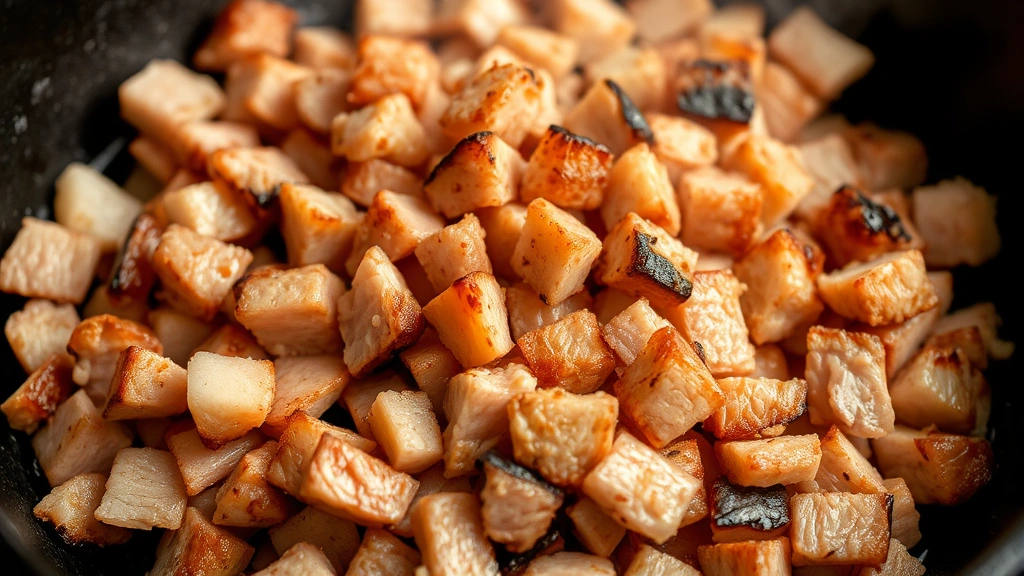
This critical step develops the signature crispy texture and caramelized flavors. Heat a large skillet or griddle over medium-high heat. Add chopped pork in a single layer and cook without stirring for 3-4 minutes until the bottom develops a golden-brown crust. Stir and continue cooking for another 5-8 minutes, allowing different pieces to make contact with the hot surface. The goal is achieving a mix of crispy, caramelized pieces with some still-tender sections. This textural variety defines authentic sisig.
The charring process isn’t about burning—it’s about developing complex flavors through the Maillard reaction. Watch carefully and adjust heat if pieces are browning too quickly. You want deep golden-brown color, not black char. The liver should be incorporated during this stage and will contribute its distinctive richness to the overall dish.
The Cooking Process: Building Flavor Layers
Once your pork is properly charred, the final cooking stage brings all elements together. This is where Filipino chefs employ specific techniques to layer flavors and create the perfect balance of savory, sour, and spicy notes.
Step-by-Step Final Cooking:
- Transfer charred pork to a clean skillet or wok over medium-high heat
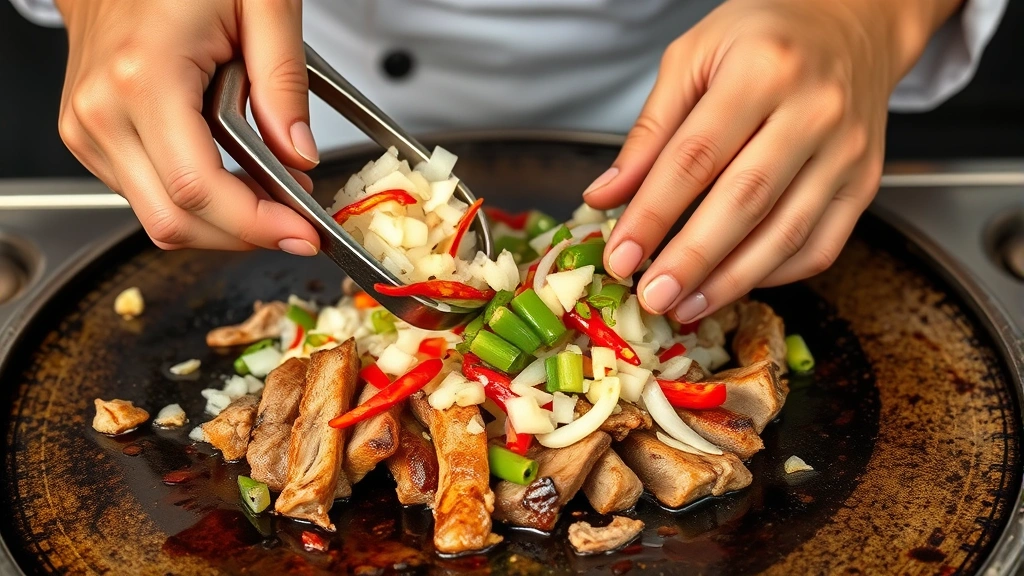
- Add finely chopped onions and cook for 2-3 minutes, stirring frequently until onions begin to soften and release their aroma
- Add minced chilies and cook for another minute, allowing their heat to distribute throughout
- Pour in soy sauce (3 tablespoons) and fish sauce (2 tablespoons), stirring thoroughly to coat all ingredients
- Add lime juice (¼ cup) and continue cooking for 2-3 minutes, allowing the acidic liquid to reduce slightly and flavors to meld
- Remove from heat and stir in mayonnaise (2-3 tablespoons) while the mixture is still hot—the heat will help incorporate the mayo smoothly
- Taste and adjust seasonings: add more soy sauce for saltiness, lime juice for sourness, or chilies for heat
- If using egg yolk, temper it by adding a small spoonful of the hot mixture first, then stir the yolk in quickly—this prevents scrambling while adding richness
The timing of ingredient additions matters tremendously. Onions and chilies must cook long enough to soften slightly while retaining some crunch. The liquid components need time to reduce and concentrate flavors. Many home cooks make the mistake of adding everything at once or cooking too briefly. Filipino chefs understand that this 8-10 minute final cooking stage is where the dish truly comes together.
The mayonnaise serves a dual purpose—it adds creaminess and helps emulsify the sauces, creating a cohesive dish rather than separate wet and dry components. Some chefs use a combination of mayo and melted butter for even richer results. The optional egg yolk creates an even more luxurious texture, similar to adding a rich sauce that coats each piece of pork.
For those interested in exploring other Filipino-inspired cooking techniques, understanding how to prepare pork stir fry provides valuable crossover skills in heat management and ingredient timing.
Plating and Serving Techniques
The presentation of sisig is inseparable from the dish itself. The theatrical sizzle as it arrives at the table is part of the authentic experience, and proper plating ensures maximum impact and continued cooking that enhances flavors.
Equipment Needed:
- Cast iron plate or sizzling platter (6-8 inches diameter)
- Sturdy tongs or serving spoon
- Heat-resistant gloves or towel for handling hot plate
- Wooden trivet or heat-resistant surface for table presentation
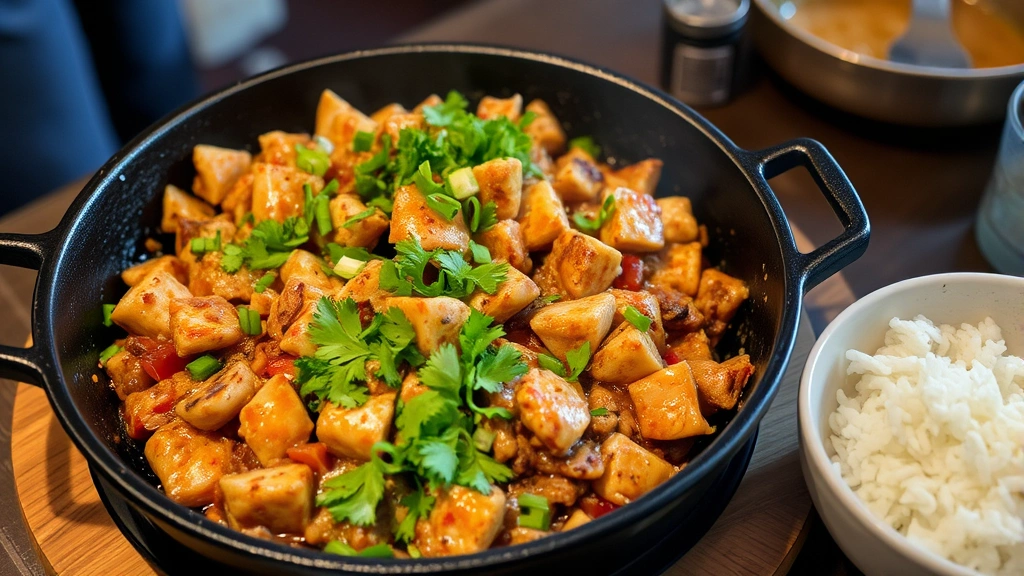
Heat your cast iron plate in a 400°F oven for 10-15 minutes until extremely hot. Carefully remove it using heat-resistant gloves and place on a trivet at the table. Working quickly, transfer your finished sisig mixture onto the hot plate—it should sizzle immediately and dramatically. The continued heat will keep the mixture hot throughout eating and further develop flavors.
Serve with steamed white rice on the side, allowing diners to scoop sisig onto rice with each bite. Provide small serving spoons so guests can portion the mixture themselves. The interactive nature of this presentation—where the food continues cooking on the table and diners actively participate in serving themselves—is fundamental to the authentic sisig experience.
Garnish with fresh cilantro if desired, though this is optional in traditional preparations. Some restaurants add a squeeze of fresh lime and a sprinkle of chopped green onions just before serving. The key is maintaining the heat and sizzle that defines the dish.
Filipino Chef Secrets and Pro Tips
Master Filipino chefs employ specific techniques and knowledge developed through years of experience. Understanding these secrets will significantly improve your sisig results.
Texture Balance: The most important secret is achieving the right textural balance. You want some pieces that are crispy and caramelized, others that remain slightly tender, and onion pieces that provide crunch. This variety is what makes sisig interesting to eat. Avoid over-cooking to the point where everything becomes uniformly mushy or uniformly hard.
Flavor Layering: Rather than adding all seasonings at once, layer them throughout cooking. This allows each component to develop its own complexity while contributing to the whole. The soy sauce and fish sauce should be added early enough to caramelize slightly on the hot surface. The lime juice added later provides brightness that hasn’t been cooked away.
Temperature Control: Most home cooks use heat that’s too low. Sisig requires aggressive heat to properly char the pork and cook the aromatics quickly. However, once you add the liquid components, moderate the heat slightly to prevent burning while allowing reduction. The final mixture should be moist but not soupy.
Liver Incorporation: Traditional sisig includes pork liver for authentic flavor. Many home cooks skip this because they’re unfamiliar with cooking liver. The secret is boiling it separately until just cooked through, then chopping finely so it distributes throughout the dish. The liver adds subtle richness and complexity that’s hard to replicate without it.
The Mayo Secret: Mayonnaise seems like an odd addition to traditional Filipino cooking, but it’s essential to modern sisig. It adds creaminess and helps emulsify the various sauces into a cohesive whole. Add it while the mixture is still hot off the heat—the warmth helps it incorporate smoothly without breaking. Some chefs use a combination of mayo and melted butter for even richer results.
Sourcing Authenticity: When exploring best healthy food recipes that include sisig, remember that authenticity comes from quality ingredients. Visit Filipino markets for proper fish sauce and fresh chilies. The difference between generic fish sauce and authentic patis is noticeable. Similarly, long green chilies provide different heat and flavor than jalapeños, though both work.
Advance Preparation: You can prepare sisig up to the point of adding mayo several hours ahead. Store the cooked pork mixture in the refrigerator and reheat gently in a skillet before adding mayo and final adjustments. This makes sisig practical for entertaining without last-minute stress.
Variation Techniques: While traditional sisig uses pork head and liver, Filipino chefs have developed variations using pork shoulder, belly, or even chicken. The principle remains the same: char the protein, cook with aromatics, balance soy sauce and lime juice, and finish with mayo. The technique is what matters more than the specific protein.
For those interested in expanding their Filipino cooking repertoire, learning how to make easy homemade bread recipes provides useful skills in ingredient ratios and timing that transfer across cuisines.
Understanding Filipino culinary principles—balancing salty, sour, and spicy elements while respecting the quality of ingredients—applies to many dishes beyond sisig. The techniques you develop preparing sisig enhance your overall cooking abilities.
FAQ
Can I make sisig without pork head?
Yes, absolutely. While traditionally made with pork head, many modern versions use pork shoulder, pork belly, or a combination of cuts. The key is using meat with enough fat and connective tissue to develop rich flavor when cooked. Pork shoulder works particularly well because it becomes tender and develops good texture when boiled and charred. The cooking technique remains the same regardless of which cut you choose.
Is the liver essential?
Traditional sisig includes liver for its distinctive flavor and richness. However, if you’re uncomfortable cooking liver or cannot find quality pork liver, you can omit it. The dish will still be delicious, though it will lack the subtle complexity that liver provides. If omitting, use an extra ½ pound of pork shoulder to maintain portion size.
Can I prepare sisig ahead of time?
You can prepare it through the charring stage hours ahead, storing the cooked pork in the refrigerator. When ready to serve, reheat the pork gently in a skillet, then add the onions, chilies, and sauces, finishing with mayo. This approach works well for entertaining since the most time-consuming parts are completed earlier.
What if I don’t have a sizzling plate?
While the sizzling plate is traditional and part of the authentic experience, you can serve sisig in a regular bowl or on a platter. You’ll miss the theatrical element and the continued cooking on the hot surface, but the dish itself will still taste good. If you plan to make sisig regularly, investing in a cast iron sizzling platter is worthwhile—they’re inexpensive and versatile.
How spicy should sisig be?
This depends on personal preference. Traditional sisig has noticeable heat from the fresh chilies, but it shouldn’t overwhelm the other flavors. Start with 4 long green chilies for moderate heat, adjusting based on your preference. You can always add more chilies during cooking, but you can’t remove them once added. Removing the seeds from chilies reduces heat while maintaining flavor.
What rice pairs best with sisig?
Plain steamed white rice is traditional and allows the sisig flavors to shine. Some people prefer jasmine rice for its subtle aroma. Avoid flavored or seasoned rice that would compete with the dish’s complex flavors. The rice serves primarily as a vehicle for the sisig, so its neutral quality matters.
Can I freeze leftover sisig?
Yes, though the texture changes slightly after freezing. Store cooled sisig in an airtight container for up to two weeks in the freezer. Thaw in the refrigerator and reheat gently in a skillet, adding a splash of lime juice to brighten flavors that may have dulled during storage. The dish is best enjoyed fresh, but freezing is practical for meal planning.
Where can I learn more about Filipino cooking techniques?
Several resources provide excellent information about Filipino culinary traditions. The Institute of Culinary Arts offers insights into Southeast Asian cooking methods. The Saveur Magazine regularly features Filipino cuisine articles and techniques. Additionally, Serious Eats provides detailed food science explanations for cooking methods used in Filipino dishes. Finally, The Perfect Pan offers comprehensive guides on achieving proper heat and texture in pan-cooked dishes like sisig.


