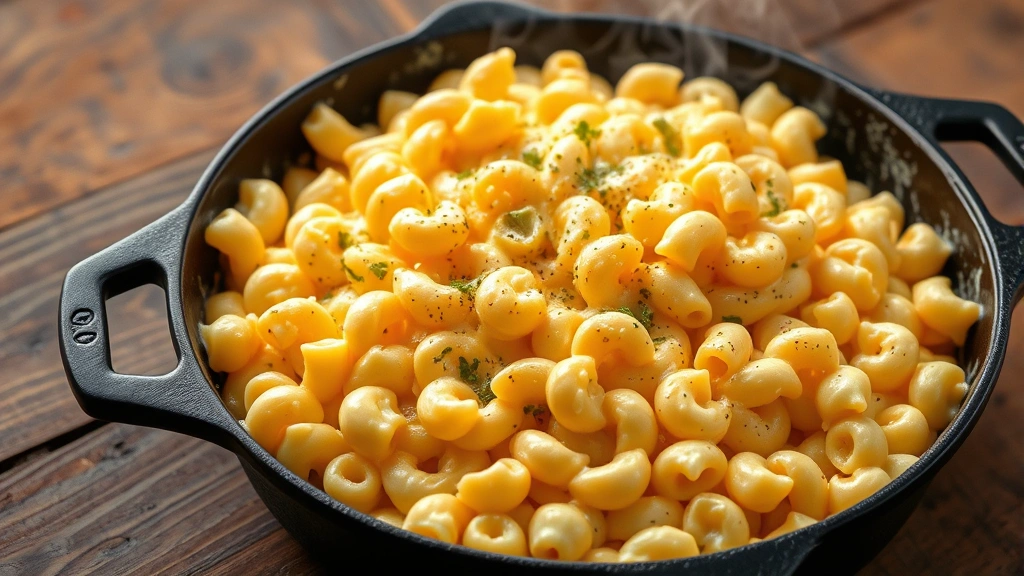
Smoked Mac and Cheese: A BBQ Expert’s Guide to Creamy, Smoky Perfection
Mac and cheese is the ultimate comfort food, but what happens when you combine it with the bold, complex flavors of smoke? Smoked mac and cheese transforms a classic dish into something extraordinary—a show-stopping side that will have your guests asking for the recipe. Whether you’re smoking it on a pellet grill, offset smoker, or even a kettle charcoal grill, this guide will walk you through every step to achieve creamy, perfectly smoked results.
The beauty of smoked mac and cheese lies in its versatility. You can serve it at backyard BBQ gatherings, family dinners, or potluck events. The smoke infuses the cheese sauce with depth while the pasta remains tender and luxurious. In this comprehensive guide, we’ll explore different smoking methods, wood selections, cheese combinations, and pro tips from experienced pitmasters to help you master this dish.
Understanding Smoke and Cheese Chemistry
Before diving into the recipe, it’s crucial to understand how smoke interacts with dairy products. When cheese is exposed to smoke, the compounds in the smoke (primarily lignin and cellulose breakdown products) create flavor molecules that adhere to the cheese’s surface and penetrate gradually. Unlike meat, which can handle heavy smoke for hours, cheese requires a delicate touch—too much smoke and you’ll end up with an acrid, unpleasant taste.
The fat content in cheese plays a vital role in smoke absorption. Higher fat cheeses like sharp cheddar, gruyere, and fontina absorb smoke flavors more effectively and develop richer complexity. The emulsifiers in your cheese sauce (typically butter and flour or cream) help distribute smoke flavors evenly throughout the dish. When you’re preparing high protein low calorie recipes, smoked mac and cheese offers a protein-rich option when made with quality ingredients.
Temperature control is essential because cheese begins to separate and become grainy above 180°F. The ideal smoking temperature for mac and cheese is between 225°F and 250°F—hot enough to develop smoke flavor without breaking your sauce. This lower temperature range also allows the smoke to penetrate more thoroughly, creating a more balanced flavor profile.
Essential Equipment and Setup
Your choice of smoker significantly impacts the final product. Offset barrel smokers provide excellent temperature control and consistent smoke production, making them ideal for longer cook times. Pellet grills offer convenience and precise temperature management, which is particularly helpful when smoking dairy-based dishes. Kettle charcoal grills can work beautifully using the indirect method with a water pan.
For smoking mac and cheese, you’ll need:
- A smoker capable of maintaining 225-250°F temperatures
- A reliable meat thermometer for monitoring internal temperature
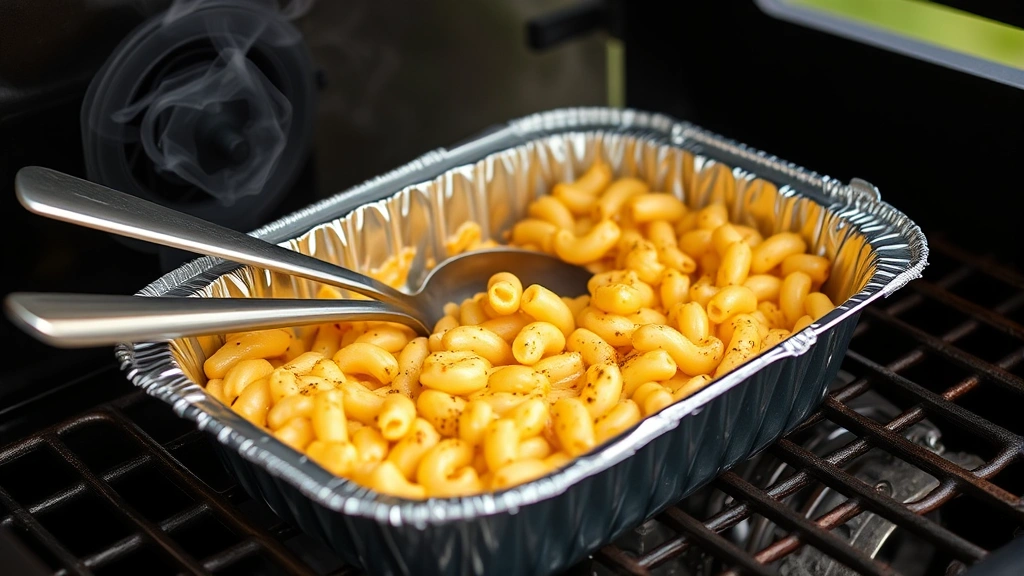
- Aluminum foil pans (9×13 inch is standard)
- A water pan to maintain moisture and regulate temperature
- Heavy-duty oven mitts for handling hot cookware
- A long-handled spatula for stirring
Set up your smoker for indirect heat if using a charcoal grill. Place the water pan between the heat source and your cooking surface—this creates a temperature buffer and adds humidity, preventing your cheese sauce from drying out. If using a barrel or offset smoker, position the mac and cheese away from direct flame, ideally in the cooler zone of your cooking chamber.
Choosing Your Wood and Temperature
Wood selection is perhaps the most critical decision in creating smoked mac and cheese. Different woods impart distinct flavor profiles:
- Apple wood provides mild, slightly sweet smoke that complements cheese without overpowering it
- Cherry wood delivers fruity notes with subtle earthiness—excellent for complex cheese blends
- Oak wood offers bold, hearty smoke that pairs well with aged cheddars
- Pecan wood creates rich, buttery smoke that enhances creamy sauces
- Hickory wood produces strong smoke—use sparingly or blend with milder woods
For smoked mac and cheese, I recommend blending two woods: a mild base like apple with a secondary wood like cherry or pecan. This creates complexity without overwhelming the delicate cheese flavors. Use roughly 70% mild wood to 30% secondary wood.
Temperature management is where precision matters most. Maintain your smoker at 235-245°F throughout the cooking process. Too low (under 225°F) and the smoke becomes acrid; too high (over 250°F) and your cheese sauce breaks. Use a quality offset thermometer placed at grate level, not at the smoker’s dome, for accurate readings. If your smoker struggles to maintain steady temperature, use a water pan filled with hot water and place it between your heat source and cooking surface.
The Best Cheese Combinations
Creating the perfect smoked mac and cheese starts with choosing complementary cheeses. While a single sharp cheddar works, blending multiple cheeses creates superior depth and complexity:
- Sharp Cheddar (40%) – Provides the classic mac and cheese foundation with tangy notes
- Gruyere (30%) – Adds nutty, earthy complexity that pairs beautifully with smoke
- Fontina (20%) – Contributes creamy texture and subtle sweetness
- Smoked Gouda (10%) – Reinforces smoky flavors without dominating
For a lighter version, consider using chipotle-inspired flavor profiles by substituting 10% of your cheese with smoked paprika-infused gruyere. Always use freshly grated cheese from blocks—pre-shredded cheese contains anti-caking agents that prevent smooth melting and create a grainy texture.
The total cheese weight should be approximately 3-4 cups for a standard 9×13 pan serving 8-10 people. Purchase your cheeses the day before smoking to allow them to reach room temperature, which improves melting consistency.
Step-by-Step Recipe
Ingredients:
- 1 pound elbow pasta
- 6 tablespoons unsalted butter
- 1/4 cup all-purpose flour
- 3 cups whole milk, warmed
- 1 cup heavy cream
- 2 cups sharp cheddar cheese, freshly grated
- 1.5 cups gruyere cheese, freshly grated
- 1 cup fontina cheese, freshly grated
- 0.5 cup smoked gouda cheese, freshly grated
- 2 teaspoons smoked paprika
- 1 teaspoon garlic powder
- 1 teaspoon dry mustard powder
- Salt and black pepper to taste
- 0.5 teaspoon cayenne pepper (optional)
- 2 tablespoons panko breadcrumbs
- 1 tablespoon melted butter
Instructions:
- Prepare the pasta: Bring a large pot of salted water to boil. Cook elbow pasta until just al dente (about 1 minute under the package recommendation). Drain and set aside, reserving 1 cup pasta water.
- Make the roux: In a large heavy-bottomed pot or Dutch oven, melt 6 tablespoons butter over medium heat. Once foaming, whisk in flour to create a smooth paste. Cook for 2-3 minutes, stirring constantly, until the raw flour smell disappears and the mixture becomes light brown. This is your roux base.
- Create the béchamel: Slowly pour warmed milk into the roux while whisking constantly to prevent lumps. Add heavy cream and continue whisking until smooth. Cook for 5-7 minutes, stirring frequently, until the sauce thickens enough to coat the back of a spoon.
- Add seasonings: Stir in smoked paprika, garlic powder, and dry mustard powder. Season with salt, black pepper, and cayenne if desired. The paprika reinforces the smoky profile without adding actual smoke flavor at this stage.
- Incorporate cheese: Remove from heat and add cheeses in batches, stirring after each addition until fully melted and incorporated. The residual heat will melt the cheese smoothly without breaking the sauce. If the sauce seems too thick, add reserved pasta water one tablespoon at a time until reaching desired consistency.
- Combine pasta and sauce: Add cooked pasta to the cheese sauce and fold gently until every piece is coated. Transfer the mixture to an aluminum foil pan.
- Prepare for smoking: Cover the pan tightly with foil. Allow the mac and cheese to come to room temperature (about 30 minutes) before placing in the smoker.
- Smoke the dish: Place the covered pan in your preheated smoker at 235-245°F. Smoke for 1.5 to 2 hours. After 1 hour, carefully remove the foil and stir the mac and cheese from bottom to top, ensuring even smoke exposure. Replace foil and continue smoking.
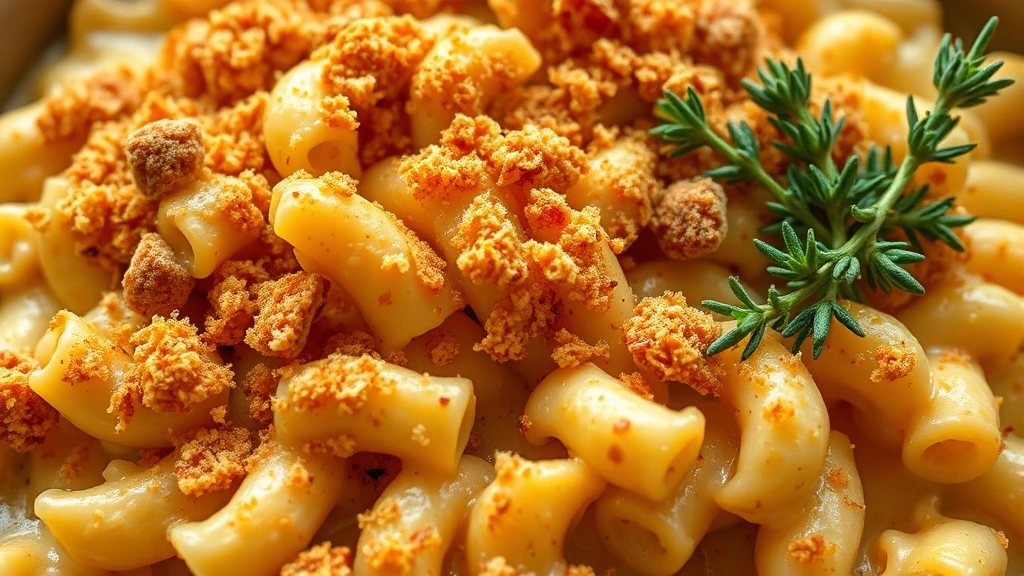
- Add topping: During the final 15 minutes, mix panko breadcrumbs with 1 tablespoon melted butter and sprinkle over the top. This creates a crispy contrast to the creamy interior.
- Rest and serve: Remove from smoker and let rest for 5 minutes before serving. The residual heat will set the breadcrumb topping.
Pro Tips for Perfect Results
Temperature matters more than time: Rather than smoking for a set duration, monitor the internal temperature of your mac and cheese using an instant-read thermometer. Aim for 165°F at the center. Once reached, you can remove it from the smoker even if it’s been less than the estimated time.
Manage smoke intensity: If you’re new to smoking cheese, start with less smoke than you think you need. Smoke is additive—you can’t remove it once it’s absorbed. Begin with light smoke for the first hour, then increase intensity if desired.
Prevent sauce separation: Never allow your mac and cheese to exceed 180°F internal temperature. If it approaches this threshold, remove it from the smoker immediately. The cheese will continue cooking from residual heat.
Use quality ingredients: Block cheeses from artisanal producers will yield noticeably superior results compared to commodity brands. Visit specialty cheese shops or farmers markets for the best selection. When considering foods to avoid for weight loss, full-fat cheeses in moderation within a balanced diet provide superior satisfaction and flavor.
Prepare ahead: Make your cheese sauce the night before smoking. Store it in an airtight container in the refrigerator. The next day, gently reheat it over low heat with a splash of milk to restore consistency, then combine with pasta and smoke as directed.
Customize with additions: Consider adding crispy bacon bits, caramelized onions, roasted jalapeños, or fresh thyme to your mac and cheese. Add these ingredients after smoking to preserve their texture and flavor. You can even incorporate ideas from grandma’s recipe box for summer potlucks by adding nostalgic ingredients like breadcrumb toppings or unexpected cheese varieties.
Troubleshooting Common Issues
Grainy or separated cheese sauce: This occurs when the sauce exceeds 180°F. If this happens, remove from heat immediately and whisk in a tablespoon of cold milk. Never place a separated sauce back on heat—the damage is done. Prevention is key: monitor temperature carefully and use a lower smoking temperature.
Bland mac and cheese with no smoke flavor: You likely need more smoke exposure. Increase smoking time by 30 minutes or reduce the foil covering to allow more smoke penetration during the first hour. Alternatively, use a stronger smoke wood like oak or hickory, though use sparingly.
Too much smoke flavor (acrid taste): You’ve exceeded your smoker’s capacity to produce clean smoke. This usually happens at temperatures below 225°F or with excessive wood. Increase temperature to 240°F and reduce wood consumption. Remember that less is more with cheese.
Dry mac and cheese: The cooking time was too long or the temperature was too high. Reduce cooking time to 1.5 hours maximum and ensure your smoker maintains 235-245°F. A water pan in your smoker helps prevent drying.
Uneven smoke flavor: You didn’t stir the mac and cheese at the midpoint. Always stop halfway through smoking, remove foil carefully, and stir from bottom to top. This ensures every noodle receives equal smoke exposure.
For comprehensive recipe cards and detailed instructions you can reference while cooking, consider printing this guide or creating your own card with the ingredient list and key temperature checkpoints.
FAQ
Can I smoke mac and cheese in a regular oven with liquid smoke?
While liquid smoke can add flavor, it won’t replicate the complexity of true smoking. Liquid smoke is a concentrated byproduct that can taste harsh. For best results, use an actual smoker. However, if you must use liquid smoke, add just 1/4 teaspoon to your cheese sauce and taste before adding more.
How far in advance can I prepare smoked mac and cheese?
You can make the cheese sauce up to 2 days ahead. Store in an airtight container and refrigerate. On the day you want to serve, gently reheat the sauce, combine with cooked pasta, and smoke as directed. You can also smoke the entire dish and refrigerate it for up to 3 days, then reheat gently in a 325°F oven for 20-25 minutes.
What’s the best way to reheat smoked mac and cheese?
Preheat your oven to 325°F. Place the mac and cheese in an oven-safe dish and cover with foil. Add a splash of milk or cream to restore moisture. Bake for 20-25 minutes until heated through, stirring gently halfway through. Avoid microwaving, which can cause uneven heating and sauce separation.
Can I make this recipe without a smoker?
You can approximate the flavor by adding 1/2 teaspoon smoked paprika and 1/4 teaspoon liquid smoke to your cheese sauce, then baking at 350°F for 25-30 minutes. However, this won’t replicate true smoking. Consider renting a smoker from a local equipment rental company for special occasions.
What sides pair well with smoked mac and cheese?
Smoked mac and cheese pairs beautifully with grilled proteins like brisket, ribs, or chicken. Lighter sides like coleslaw, grilled vegetables, or fresh salads balance the richness. It’s also excellent alongside cornbread or smoked baked beans at a food waste reduction tips friendly potluck where multiple dishes are shared.
Can I double this recipe?
Absolutely. Double all ingredients and use two 9×13 pans. Increase smoking time to 2-2.5 hours, stirring both pans at the 1-hour mark. Rotate pan positions at the 30-minute mark if your smoker has uneven heat zones.
Is smoked mac and cheese gluten-free?
The recipe as written contains gluten from the all-purpose flour. Substitute with a gluten-free flour blend in a 1:1 ratio for the roux. Most commercial gluten-free blends work well for this application. Ensure your pasta is also gluten-free if needed.


