Smoked Pork Loin Recipe: BBQ Expert Tips for Perfectly Tender Results
Smoking a pork loin is one of the most rewarding experiences for any backyard barbecue enthusiast. Unlike brisket or ribs that require hours of low-and-slow cooking, a smoked pork loin delivers restaurant-quality results in a fraction of the time while maintaining incredible tenderness and flavor. The key to mastering this technique lies in understanding proper temperature control, wood selection, and seasoning balance.
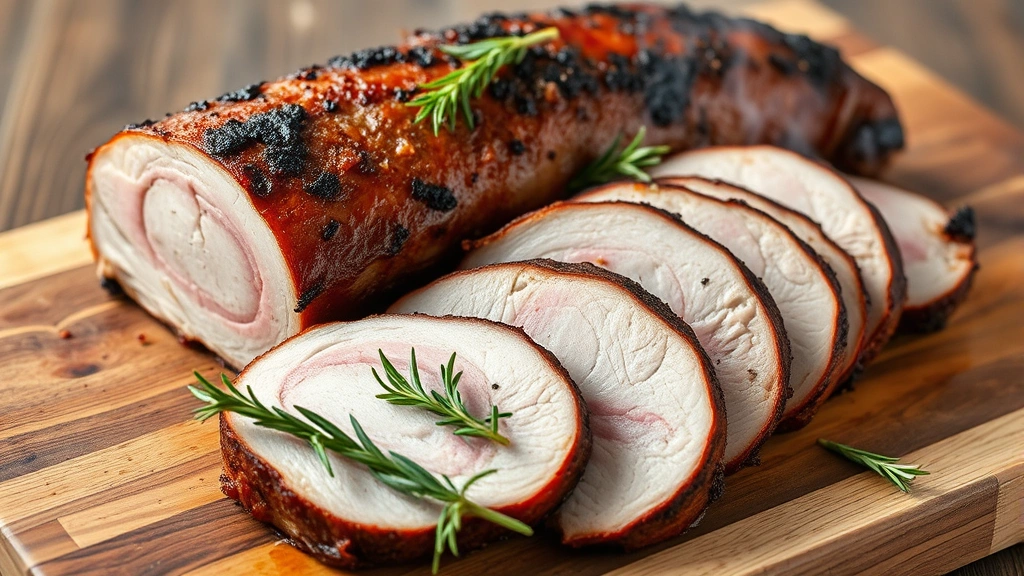
A perfectly smoked pork loin emerges from the smoker with a beautiful mahogany bark on the outside while staying juicy and succulent inside. Whether you’re preparing dinner for your family or impressing guests at your next gathering, this comprehensive guide will walk you through every step of the process. From selecting the right cut to slicing and serving, we’ll cover professional techniques that even experienced pitmasters use to achieve consistent results.
Selecting the Perfect Pork Loin Cut
The foundation of any excellent smoked pork loin recipe begins at the butcher counter. Understanding what you’re looking for ensures you start with quality meat that will smoke beautifully. A pork loin is a lean, tender cut that comes from the back of the pig, running along the backbone. This differs significantly from a pork shoulder, which contains more fat and requires longer cooking times.
Look for a pork loin that weighs between 2 to 4 pounds for optimal smoking results. Smaller loins cook faster and more evenly, while larger ones may develop temperature gradients. The meat should be bright pink with minimal surface discoloration. Avoid any loins with dark spots or an off-smell, as these indicate age or improper storage.
The marbling—those thin white streaks of fat running through the meat—should be moderate. Pork loins are naturally lean, but some intramuscular fat helps keep the meat moist during the smoking process. If your butcher can score the fat cap (the layer of fat on top) in a crosshatch pattern, this helps smoke penetration and rendering.
Consider buying from a butcher who can trim the meat to your specifications. A proper trim removes the silverskin (the tough connective tissue) while leaving a quarter-inch fat cap for protection. If you’re purchasing pre-packaged pork loin from a grocery store, plan to trim it yourself using a sharp boning knife, which takes only a few minutes.
Preparation and Trimming Techniques
Before your smoked pork loin hits the smoker, proper preparation is essential for achieving professional results. Start by removing the meat from the refrigerator 30 to 45 minutes before smoking. This allows the internal temperature to rise slightly, promoting more even cooking throughout the loin. A cold center takes longer to reach target temperature, which can result in overcooked exterior while the interior remains underdone.
Trim the silverskin using a sharp boning knife or fillet knife. Hold the knife at a slight angle and slide it along the surface, removing the thin membrane without taking excess meat. This step matters because silverskin doesn’t break down during smoking and creates an unpleasant texture when eating. After removing silverskin, trim the fat cap to approximately one-quarter inch thickness.
Pat the pork loin completely dry with paper towels. Moisture on the surface prevents proper bark formation and smoke adhesion. A dry surface allows the seasoning to cling better and creates that coveted mahogany-colored exterior that indicates good smoke penetration. If your loin is particularly wet, let it air-dry uncovered in the refrigerator for 2 to 4 hours before smoking.
Some pitmasters inject their pork loins with a marinade 4 to 8 hours before smoking. An injection adds moisture directly into the meat, helping combat the leanness of pork loin. A simple injection can be made with apple juice, butter, brown sugar, and a touch of salt. Use a meat injector to distribute the liquid evenly throughout the loin, placing injections about 2 inches apart in a grid pattern.
Dry Rub and Seasoning Strategy
The dry rub is where your smoked pork loin recipe truly comes alive. Unlike lean cuts of beef, pork loin benefits from a more aggressive seasoning approach because it has less inherent flavor. A balanced dry rub should include sweetness, spice, savory depth, and salt.
Classic BBQ Dry Rub for Pork Loin:
- 3 tablespoons brown sugar (provides caramelization and sweetness)
- 2 tablespoons paprika (adds color and mild pepper flavor)
- 1 tablespoon garlic powder (concentrated garlic flavor)
- 1 tablespoon onion powder (savory depth)
- 1 tablespoon black pepper (heat and complexity)
- 1 tablespoon kosher salt (enhances all flavors)
- 1 teaspoon cayenne pepper (optional, for heat)
- 1 teaspoon dry mustard (adds subtle tang)
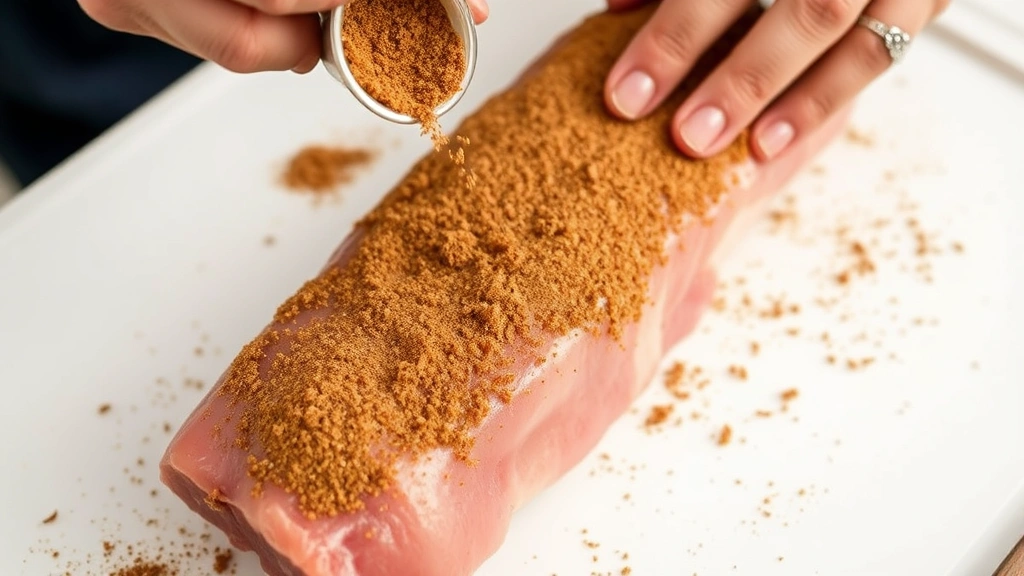
Mix all ingredients thoroughly in a small bowl, breaking up any clumps of brown sugar. Apply the dry rub generously to all sides of the pork loin, using approximately 2 to 3 tablespoons per pound. Work the rub into the meat with your fingers, ensuring even coverage. For best flavor development, apply the rub 12 to 24 hours before smoking and refrigerate uncovered. This allows the salt and spices to penetrate the meat.
If you’re short on time, applying the rub 30 minutes before smoking still yields excellent results. The surface seasoning will create a flavorful bark while the spices begin their work. Consider complementing your dry rub with a finishing sauce applied during the last 15 minutes of smoking—perhaps a simple mixture of apple cider vinegar, butter, and brown sugar.
For those interested in exploring other flavor profiles, check out our guide to shredded chicken recipe techniques, which also emphasizes the importance of proper seasoning and preparation methods.
Smoker Setup and Temperature Control
Your smoker choice significantly impacts the final result of your smoked pork loin recipe. Whether you’re using an offset barrel smoker, a vertical water smoker, or a pellet smoker, the principles remain the same: maintain consistent temperature and smoke flow.
For pork loin, target a smoker temperature of 225 to 250 degrees Fahrenheit. This temperature range allows the exterior to develop bark while the interior cooks through without drying out. At 225°F, expect approximately 25 to 30 minutes per pound. A 3-pound loin would smoke for about 75 to 90 minutes. At 250°F, reduce this to roughly 20 to 25 minutes per pound.
Wood selection dramatically influences flavor. Fruitwoods like apple, cherry, and pecan are ideal for pork loin because they impart mild, sweet smoke that complements the meat without overwhelming it. Avoid heavy hardwoods like hickory or oak for extended periods, as they can impart an acrid flavor to lean meat. If using hickory, combine it with a fruitwood at a 1:2 ratio.
Prepare your smoker 30 minutes before placing the pork loin inside. Bring the temperature to your target range and maintain it with minimal fluctuation. Use a reliable thermometer—preferably a digital probe thermometer with an external display—to monitor both smoker temperature and internal meat temperature. Invest in quality equipment like those recommended by Amazing Ribs, a comprehensive resource for smoking techniques.
If using a water pan, fill it with warm apple juice instead of water. The apple juice adds subtle flavor and maintains humidity in the smoker. Some pitmasters skip the water pan entirely for pork loin, preferring a drier environment that encourages bark development. Experiment with both methods to determine your preference.
The Smoking Process Step-by-Step
Once your smoker reaches the target temperature and your pork loin is properly prepared and seasoned, you’re ready to begin. Place the loin fat-side up on the grates, positioning it away from direct heat if using an offset smoker. Fat-side up allows rendered fat to baste the meat continuously.
Hour 1: Resist the urge to open the smoker door. Every time you peek, you release heat and smoke, extending cooking time. Let the smoke work undisturbed for the first hour. This critical period allows smoke to penetrate the meat’s surface and begin forming the bark.
Hour 2 and Beyond: After the first hour, you can monitor progress without excessive door opening. Check the internal temperature using a meat thermometer inserted into the thickest part of the loin, away from bone. When the internal temperature reaches 140°F, you’re halfway through the cooking process.
The Stall and Beyond: Unlike brisket, pork loin typically doesn’t experience a significant temperature stall. However, cooking may slow slightly as the meat approaches 160°F. This is normal. Continue smoking until the internal temperature reaches 140 to 145°F for a slightly pink center (food-safe for pork), or 160°F for fully cooked meat with no pink.
Many BBQ experts prefer pulling pork loin at 140 to 145°F, as this maintains maximum juiciness. Pork is safe to eat at this temperature according to modern USDA guidelines, though some prefer the security of 160°F. The difference in texture is noticeable—meat pulled at 145°F remains noticeably more moist.
During the final 15 minutes of smoking, apply your finishing sauce if desired. A light brush of sauce allows it to set slightly without burning. Some pitmasters prefer to serve sauce on the side, allowing diners to customize their experience.
Resting and Slicing Methods
The resting period is absolutely crucial and often overlooked. When you remove the pork loin from the smoker, the meat fibers are contracted and the juices are distributed throughout. Resting allows fibers to relax and reabsorb juices, resulting in moister, more tender slices.
Wrap the smoked pork loin tightly in aluminum foil and place it in a cooler or insulated box for 10 to 15 minutes. If your kitchen is cold, wrap it in a clean kitchen towel first, then foil. This resting period is non-negotiable for achieving optimal texture. Without it, juices run onto your cutting board rather than remaining in the meat.
After resting, place the loin on a clean cutting board. Using a sharp carving knife or slicing knife, cut against the grain into quarter-inch to half-inch slices. Cutting against the grain is essential because it severs muscle fibers, making each bite more tender. If you’re unsure which direction is the grain, look at the long muscle fibers and cut perpendicular to them.
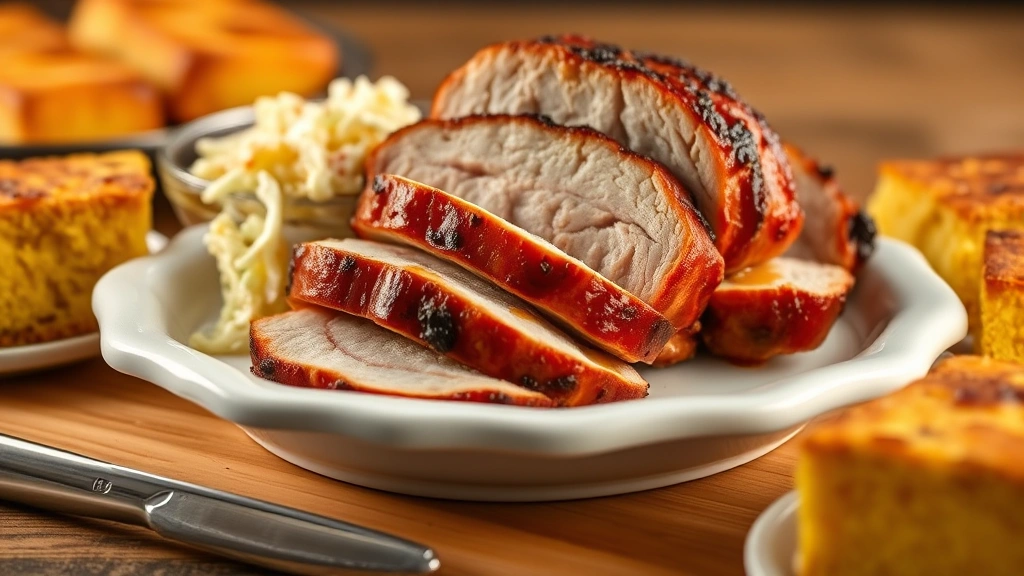
Arrange slices on a serving platter, overlapping them slightly for an attractive presentation. The mahogany bark on the exterior contrasts beautifully with the pink or light brown interior, creating visual appeal that matches the incredible flavor.
Serving Suggestions and Pairings
Smoked pork loin is incredibly versatile and pairs well with numerous sides and sauces. Unlike ribs or brisket, which are often served as standalone items, pork loin benefits from complementary dishes.
Classic BBQ Sides:
- Creamy coleslaw (the acidity cuts through richness)
- Cornbread or jalapeño cornbread (adds sweetness and texture)
- Baked beans with a touch of bourbon (complements smoke flavor)
- Mac and cheese (comfort food pairing)
- Grilled vegetables (lighter option)
For sauce options, consider a Carolina mustard sauce, a vinegar-based sauce, or a sweet and spicy glaze. Many people enjoy serving smoked pork loin sliced on crusty bread with pickles and onions, similar to a pulled pork sandwich. This transforms your smoked pork loin recipe into casual, shareable fare perfect for gatherings.
If you’re looking for other impressive main courses, explore our comfort food recipes collection for additional entertaining ideas that pair beautifully with smoked meats.
Common Problems and Solutions
Dry, Tough Meat: This typically results from overcooking. Pull pork loin at 140 to 145°F rather than waiting for 160°F. Alternatively, inject the meat with a flavorful liquid before smoking to add internal moisture. Using a water pan in the smoker also helps maintain humidity.
Pale Exterior with No Bark: Your smoker temperature may be too low. Increase to at least 240°F. Additionally, ensure the pork loin is completely dry before smoking, as moisture prevents bark formation. Applying the dry rub 12 to 24 hours ahead also improves bark development.
Uneven Cooking: Temperature variations in your smoker cause this issue. Use additional thermometers to map hot and cold spots. Rotate the pork loin 180 degrees halfway through cooking to ensure even exposure to heat. Consider upgrading your smoker’s thermometer or adding a secondary temperature gauge.
Too Much Smoke Flavor: You may be using too much wood or wood that’s too heavy. Switch to fruitwoods and use smaller pieces. Soak wood chips for 30 minutes before use to extend burn time and reduce acrid smoke. Less is often more with smoke—aim for thin, blue smoke rather than thick, white smoke.
Meat Sticks to Grates: Oil your grates thoroughly before heating the smoker. For additional insurance, place a sheet of aluminum foil on the grates before adding the pork loin. Remove the foil after 30 minutes once the bark has set.
For additional barbecue techniques and troubleshooting advice, consult Smoking Meat Forums, where experienced pitmasters share solutions to common problems.
FAQ
How long does it take to smoke a pork loin?
At 225°F, expect 25 to 30 minutes per pound. A 3-pound loin requires approximately 75 to 90 minutes. At 250°F, reduce this to 20 to 25 minutes per pound. Always use an internal meat thermometer rather than relying on time alone, as smoker variations affect cooking speed.
What internal temperature should pork loin reach?
Modern USDA guidelines indicate pork is safe at 145°F. Many BBQ experts pull pork loin at 140 to 145°F to maintain maximum juiciness. For fully cooked meat with no pink, cook to 160°F. The difference in texture is noticeable, with 145°F yielding significantly moister results.
Can I smoke a frozen pork loin?
It’s not recommended. Smoking a frozen pork loin extends cooking time unpredictably and may result in uneven cooking. Always thaw pork loin in the refrigerator for 24 hours before smoking. If you forget to thaw, use your oven as a backup cooking method.
Should I wrap the pork loin in foil during smoking?
Wrapping in foil (the Texas crutch method) speeds cooking and retains moisture but reduces bark development. For maximum bark, smoke unwrapped. If you prefer faster cooking, wrap after 60 minutes or when bark has set adequately.
What’s the difference between pork loin and pork tenderloin?
Pork loin is larger (2 to 4 pounds) and comes from the back of the pig. Pork tenderloin is much smaller (1 to 1.5 pounds) and comes from under the ribs. Tenderloin cooks much faster (20 to 30 minutes total) and is best roasted rather than smoked.
Can I prepare a smoked pork loin recipe ahead of time?
Yes, you can smoke the pork loin completely, then refrigerate it for up to 4 days. Reheat gently in a 275°F oven wrapped in foil until warmed through. Alternatively, slice and reheat individual slices briefly on a warm grill or in a skillet.
What wood pairs best with pork loin?
Fruitwoods like apple, cherry, and pecan are ideal. These impart mild, sweet smoke that complements pork without overwhelming it. Avoid heavy hardwoods like hickory for extended periods. If using hickory, combine it with fruitwood at a 1:2 ratio.
Is it necessary to inject pork loin before smoking?
Injection is optional but recommended. Since pork loin is lean, injection adds moisture and flavor directly into the meat. A simple injection of apple juice, butter, and brown sugar makes a noticeable difference in the final result.
Mastering the smoked pork loin recipe opens doors to impressive entertaining and delicious family meals. By following these expert techniques—from proper selection and preparation through careful temperature management and resting—you’ll achieve restaurant-quality results consistently. Start with these fundamentals, then experiment with different rubs, woods, and flavor profiles to develop your signature smoked pork loin. Each smoking session teaches valuable lessons that make your next attempt even better. Welcome to the world of professional-level backyard barbecue.
For more inspiration on creating memorable meals, explore our steak taco recipe for another crowd-pleasing option, or check out taco pasta recipe for fusion cooking ideas. And if you’re planning a complete BBQ menu, our Trader Joe’s recipes section offers quick side dish solutions.
Additional resources for smoking mastery include Serious Eats’ smoking guide, which provides scientific explanations for smoking techniques, and BBQ Guys, an excellent source for equipment reviews and smoking tips from experienced pitmasters.


