Master Sweet & Sour Pork? Chef’s Secret Method
Sweet and sour pork stands as one of the most beloved dishes in Chinese-American cuisine, gracing restaurant tables and home kitchens alike. This iconic dish combines crispy, tender pork with a vibrant sauce that balances tangy vinegar against sweet undertones. Yet many home cooks struggle to replicate the restaurant-quality results they crave, often ending up with soggy meat or overly thick, cloying sauce.
The difference between mediocre and exceptional sweet and sour pork lies in understanding the fundamental techniques that professional chefs employ. From selecting the right cut of meat to mastering the sauce consistency and achieving that signature crispy exterior, each step matters. This comprehensive guide reveals the professional secrets that transform this classic dish from ordinary to extraordinary, ensuring you can create restaurant-caliber sweet and sour pork in your own kitchen.
Selecting Your Pork Cut
Professional chefs understand that sweet and sour pork begins with the right meat selection. While pork shoulder and pork belly are common choices, the ideal cut depends on your desired texture and flavor profile. Pork loin offers lean, tender meat that crisps beautifully, making it the preferred choice for restaurants aiming for maximum textural contrast. Pork shoulder provides more marbling and flavor but requires careful cooking to avoid dryness.
Cut your pork into uniform 1.5-inch cubes. Consistency in size ensures even cooking and prevents some pieces from becoming overcooked while others remain undercooked. When you learn cooking techniques with proper equipment, you’ll discover that even cube dimensions matter more than many home cooks realize.
Pat the pork dry with paper towels before proceeding to the next step. This crucial technique removes surface moisture that would otherwise prevent proper browning and crisping. Moisture creates steam during cooking, which inhibits the Maillard reaction—the chemical process that develops the golden-brown crust and complex flavors professionals achieve.
The Marinade Foundation
Many home cooks skip marinating or rush through it with minimal ingredients. Professional kitchens recognize that a proper marinade accomplishes multiple objectives: tenderizing the meat, adding flavor depth, and preparing the surface for optimal browning. The ideal sweet and sour pork marinade contains soy sauce, rice wine or sherry, white pepper, and ginger.
Combine two tablespoons soy sauce, one tablespoon rice wine, one teaspoon white pepper, and one tablespoon minced fresh ginger in a bowl. Add your prepared pork cubes and toss thoroughly to coat every piece. Let this mixture rest for at least 30 minutes, though two hours yields noticeably superior results. The soy sauce provides umami depth and helps break down muscle fibers, while the ginger and white pepper infuse aromatics that enhance the final dish.
Some chefs add a beaten egg white to their marinade before coating and frying. This traditional technique creates an additional protective layer that keeps the interior juicy while the exterior becomes extraordinarily crispy. If using this method, add one egg white to your marinade and let it rest for 15 minutes before proceeding to the coating stage.
Achieving Perfect Crispy Coating
The coating is where many home cooks’ sweet and sour pork attempts falter. A superior coating requires a precise balance of cornstarch, flour, and technique. Combine one cup cornstarch, three tablespoons all-purpose flour, one teaspoon salt, and one-half teaspoon white pepper in a shallow bowl. Some professional chefs add one-quarter teaspoon of baking powder to enhance crispiness through additional browning.
Remove pork pieces from the marinade one at a time, allowing excess liquid to drip back into the bowl. Dredge each piece thoroughly in the cornstarch mixture, ensuring complete coverage including all crevices. Place coated pieces on a clean plate and allow them to rest for 10 minutes. This resting period allows the coating to adhere properly and creates a more substantial crust during frying.
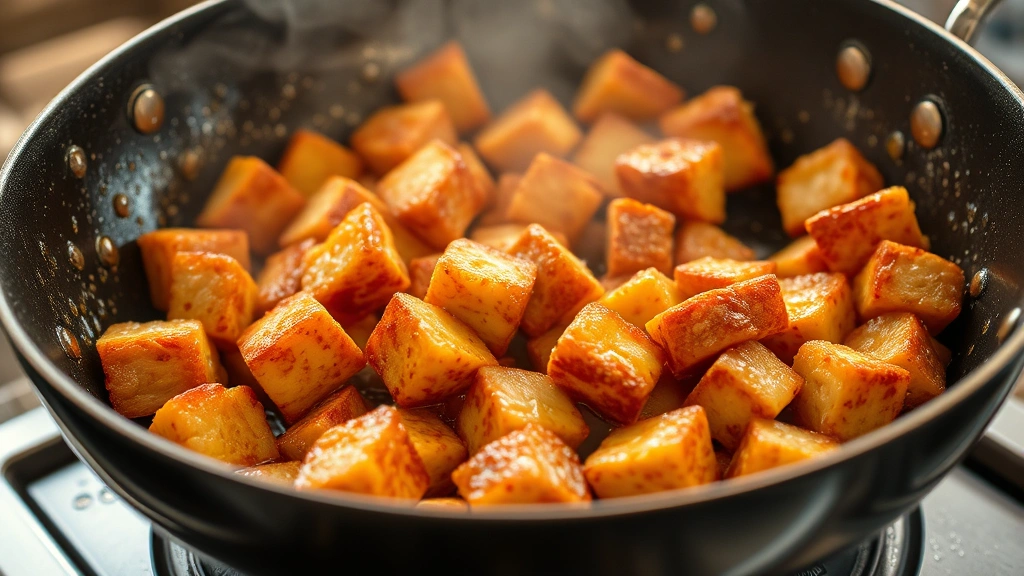
Heat oil to 350°F in a heavy-bottomed pot or wok. The temperature is critical—too cool and your pork absorbs excess oil, becoming greasy; too hot and the exterior burns before the interior cooks through. Professional cooks use a reliable thermometer rather than guessing. Working in batches to avoid overcrowding, carefully add pork pieces to the hot oil. Fry for approximately three to four minutes until the coating turns golden brown and crispy.
Remove cooked pork with a slotted spoon and drain on paper towels. Resist the temptation to eat immediately, even though the aroma is intoxicating. For maximum crispiness, many chefs perform a second fry: return all pieces to 375°F oil for 30 to 45 seconds. This double-frying technique, common in professional kitchens, ensures an exceptionally crispy exterior while maintaining a tender, juicy interior. When you understand advanced cooking methods and timing, you’ll appreciate why this extra step makes such a dramatic difference.
Crafting the Perfect Sauce
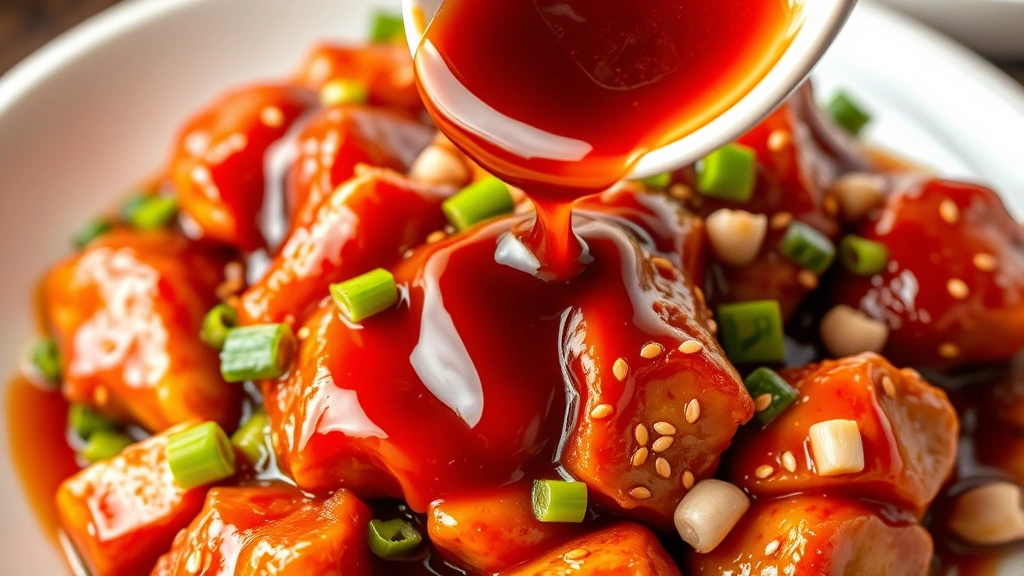
The sauce represents the soul of sweet and sour pork. A mediocre sauce overwhelms the dish with cloyingness or excessive tanginess, while a properly balanced sauce complements the crispy pork beautifully. Professional chefs approach sauce-making with precision, measuring ingredients carefully rather than improvising.
Combine three-quarters cup chicken or vegetable broth, one-third cup rice vinegar, one-third cup sugar, two tablespoons soy sauce, one tablespoon ketchup, and one-half teaspoon salt in a saucepan. The ketchup adds subtle sweetness and umami depth without tasting like ketchup—it’s a professional secret many home cooks overlook. Heat this mixture over medium heat, stirring occasionally until the sugar dissolves completely.
While the sauce base heats, prepare your cornstarch slurry. Combine two tablespoons cornstarch with three tablespoons cold water in a small bowl, stirring until smooth. Once the sauce reaches a gentle simmer, slowly pour in the cornstarch slurry while whisking continuously. This prevents lumping and ensures an even, glossy consistency. Continue whisking for one to two minutes until the sauce thickens noticeably and becomes translucent rather than cloudy.
Add your fresh ingredients: one tablespoon minced fresh ginger, two minced garlic cloves, and one tablespoon sesame oil. The sesame oil adds depth and authenticity—never skip this ingredient. Taste and adjust seasoning as needed. The sauce should balance sweetness and tanginess in equal measure, with neither overpowering the other. If too sweet, add more vinegar; if too tangy, add a bit more sugar.
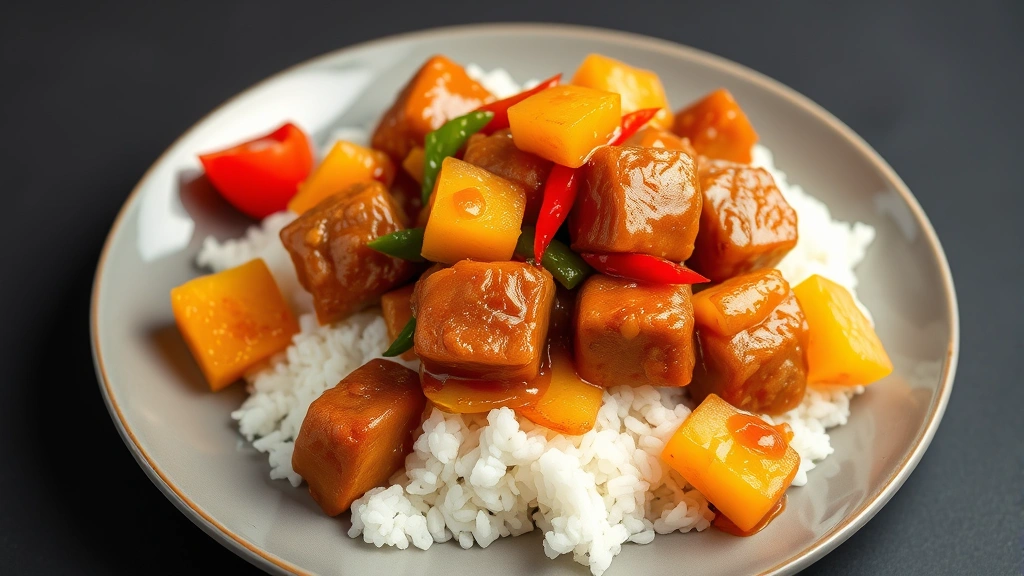
Some restaurants add pineapple juice or fresh pineapple chunks to their sauce. If desired, substitute one-quarter cup of the broth with pineapple juice, or add diced fresh pineapple during the final minute of cooking. Red and green bell peppers, sliced onions, and snap peas are traditional vegetables that add color, texture, and nutritional value. Cook these vegetables separately in a wok until they’re tender-crisp, then combine with the sauce and pork just before serving.
Assembly and Finishing Touches
Timing is everything when assembling your final dish. Crispy pork loses its texture if it sits in sauce for extended periods, as the moisture gradually softens the exterior. Professional restaurants plate sweet and sour pork immediately before service for this reason. About two minutes before serving, return your fried pork to the sauce and gently fold to combine, coating all pieces evenly.
Serve your sweet and sour pork immediately over steamed white rice or fried rice. The rice provides a neutral base that allows the complex flavors of the sauce and meat to shine. Garnish with sliced green onions and toasted sesame seeds for visual appeal and additional flavor dimension. Some chefs add a sprinkle of crispy fried garlic chips for extra textural contrast.
If you’re preparing this dish for a dinner party, consider keeping the components separate until the last possible moment. Serve the crispy pork on one platter, the sauce in a separate serving bowl, and the rice on another. This allows guests to combine components to their preference and ensures the pork maintains maximum crispiness. This presentation method also works beautifully when you’re planning meals with multiple preparation components.
Common Mistakes and Solutions
Soggy pork: This most common problem stems from either insufficient oil temperature during frying or combining pork and sauce too early. Always verify oil temperature with a thermometer and keep pork separate from sauce until moments before serving.
Overly thick sauce: If your sauce becomes too thick and pasty, you’ve added too much cornstarch or cooked it too long. When this happens, whisk in additional broth one tablespoon at a time until reaching the desired consistency. The sauce should coat the back of a spoon but still flow slightly.
Bland flavor: Insufficient salt or missing sesame oil are the usual culprits. Taste your sauce before combining with pork and adjust seasonings accordingly. Remember that salt enhances all other flavors, so even a small amount makes a significant difference.
Unevenly cooked pork: This indicates your pieces weren’t uniform in size or you overcrowded the pan during frying. Work in smaller batches and cut pork into consistent 1.5-inch cubes. Overcrowding lowers oil temperature dramatically, resulting in uneven cooking.
Greasy texture: Oil temperature that’s too low causes the coating to absorb excessive fat. Always use a thermometer and maintain 350°F for the initial fry. The double-fry technique also helps reduce greasiness by allowing excess oil to drain during the first fry.
Understanding the science behind each step transforms your sweet and sour pork from adequate to exceptional. When you recognize that the Maillard reaction requires specific temperatures, that uniform cutting ensures even cooking, and that sauce timing preserves texture, you’re thinking like a professional chef. These principles apply across countless dishes, so mastering this one recipe deepens your overall cooking knowledge.
For additional insights into ingredient selection and preparation, explore resources about food science and cooking techniques and precision ingredient measurement. Professional culinary education emphasizes that consistency comes from understanding not just what to do, but why each step matters. Many culinary institutes teach these fundamental principles as foundational knowledge for all chefs. Additionally, consulting detailed cooking guides and technique demonstrations helps reinforce proper methodology through visual learning.
FAQ
Can I prepare sweet and sour pork ahead of time?
You can prepare components in advance: marinate pork overnight, make sauce the day before, and prep vegetables several hours ahead. However, fry the pork shortly before serving to maintain crispiness. Store fried pork in an airtight container at room temperature for up to two hours, but reheating compromises texture. For best results, fry immediately before serving.
What’s the best oil for frying?
Use neutral oils with high smoke points like vegetable oil, peanut oil, or canola oil. Peanut oil is traditional in Chinese cooking and adds subtle flavor. Avoid olive oil and butter, which have lower smoke points and impart inappropriate flavors.
Can I use chicken instead of pork?
Absolutely. Chicken breast works beautifully with this method—cut into similar-sized cubes and follow the same marinating and frying process. Reduce frying time slightly since chicken cooks faster than pork. The result is equally delicious and slightly lighter.
How do I store leftover sweet and sour pork?
Store pork and sauce separately in airtight containers in the refrigerator for up to three days. Reheat pork in a 350°F oven for five minutes to restore some crispiness, then combine with reheated sauce. Microwaving softens the coating, so avoid this method.
What vegetables work best in this dish?
Bell peppers, snap peas, pineapple, carrots, and onions are traditional choices. Cook vegetables separately until tender-crisp, then add during the final minute of sauce cooking. This prevents them from becoming mushy and maintains their vibrant colors and fresh flavor.
Is there a vegetarian version?
Yes, substitute pork with extra-firm tofu or cauliflower florets. Prepare tofu using the same marinade and coating process. Cauliflower creates a surprisingly satisfying texture. Some cooks combine tofu with cashews or peanuts for additional protein and textural interest.


