Best Vegetarian Crockpot Recipes: Tried & True Favorites
Vegetarian slow cooking transforms humble ingredients into restaurant-quality meals with minimal effort. Whether you’re committed to a plant-based lifestyle or simply exploring meatless Mondays, a crockpot becomes your greatest kitchen ally. These vessels of culinary magic require nothing more than chopping vegetables, adding seasonings, and letting time do the heavy lifting. The result? Deeply flavored, tender dishes that make your kitchen smell absolutely incredible throughout the day.
The beauty of vegetarian crockpot cooking lies in its accessibility and reliability. Unlike stovetop cooking that demands constant attention, slow cookers create the perfect environment for vegetables to release their natural sugars and flavors while absorbing aromatic broths and spices. From hearty bean stews to creamy curries, the possibilities extend far beyond what most home cooks realize. This guide shares tested recipes that have earned permanent spots in countless kitchens, complete with techniques to maximize flavor and texture.
Why Vegetarian Crockpot Cooking Works
Slow cooking creates an ideal environment for extracting maximum flavor from plant-based ingredients. Low, consistent heat breaks down tough vegetable fibers, making them tender while concentrating flavors through gentle evaporation. Unlike high-heat cooking that can destroy delicate nutrients, crockpots preserve the nutritional integrity of vegetables while developing complex taste profiles impossible to achieve in minutes.
The magic happens through a process called the Maillard reaction and caramelization, even at lower temperatures. Onions slowly sweeten, garlic mellows into creamy nuttiness, and dried spices bloom into aromatic powerhouses. Root vegetables like carrots and potatoes become silky without turning mushy, while leafy greens retain structure when added near the end of cooking. This method proves especially effective for legumes, which become creamy and digestible when cooked slowly with proper seasoning.
Energy efficiency represents another compelling advantage. Running a crockpot costs significantly less than heating your oven or stovetop, making it economical for families and budget-conscious cooks. Batch cooking becomes effortless—prepare multiple crockpots simultaneously for meal prepping throughout the week, or freeze portions for quick future meals.
Essential Tips for Success
Mastering vegetarian slow cooking requires understanding a few key principles that separate mediocre results from exceptional dishes. First, resist the urge to peek constantly; every lid lift extends cooking time by fifteen minutes and releases precious steam. Plan your cooking time accordingly—most vegetarian crockpot recipes thrive on 6-8 hours on low or 3-4 hours on high settings.
Layering flavors elevates simple ingredients into sophisticated meals. Build depth by combining aromatics like onions, garlic, and ginger; acidic components like tomatoes or vinegar; umami boosters like soy sauce, miso, or nutritional yeast; and finishing touches like fresh herbs and citrus zest. Add delicate vegetables and herbs during the final thirty minutes to preserve color and texture.
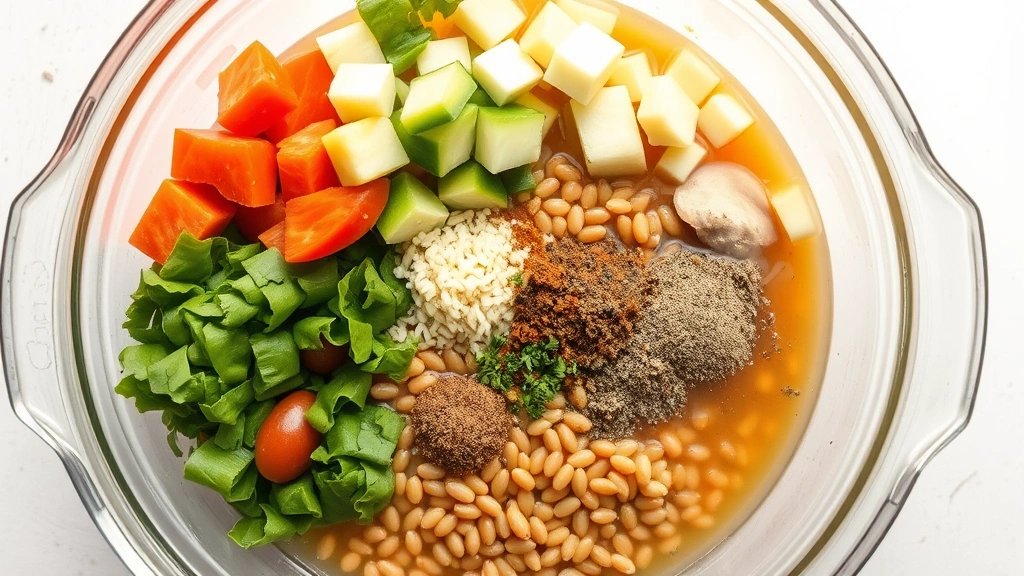
Proper vegetable preparation matters significantly. Cut vegetables into uniform sizes to ensure even cooking—aim for roughly one-inch pieces. Dense vegetables like carrots and potatoes cook slower than softer ones like zucchini, so position them toward the bottom near heat sources. Don’t skip the step of sautéing aromatics beforehand; this develops flavor foundations that transform your dish from bland to memorable.
Liquid ratios require careful attention. Vegetables release moisture during cooking, so use less liquid than stovetop recipes demand. A good baseline involves covering vegetables halfway with broth or liquid; adjust based on your desired consistency. For thicker results, blend a portion of cooked vegetables to create natural creaminess without dairy.
Consider investing in quality crockpot liners and getting familiar with your specific model’s heating patterns. Older crockpots run hotter than newer models, potentially requiring reduced cooking times. Keep detailed notes on your first attempts, noting exact cooking times and adjustments for future reference.
Hearty Bean and Lentil Recipes
Beans and lentils represent the foundation of satisfying vegetarian slow cooking. These protein-packed legumes develop incredible texture when cooked properly in a crockpot, absorbing flavors while becoming perfectly creamy.
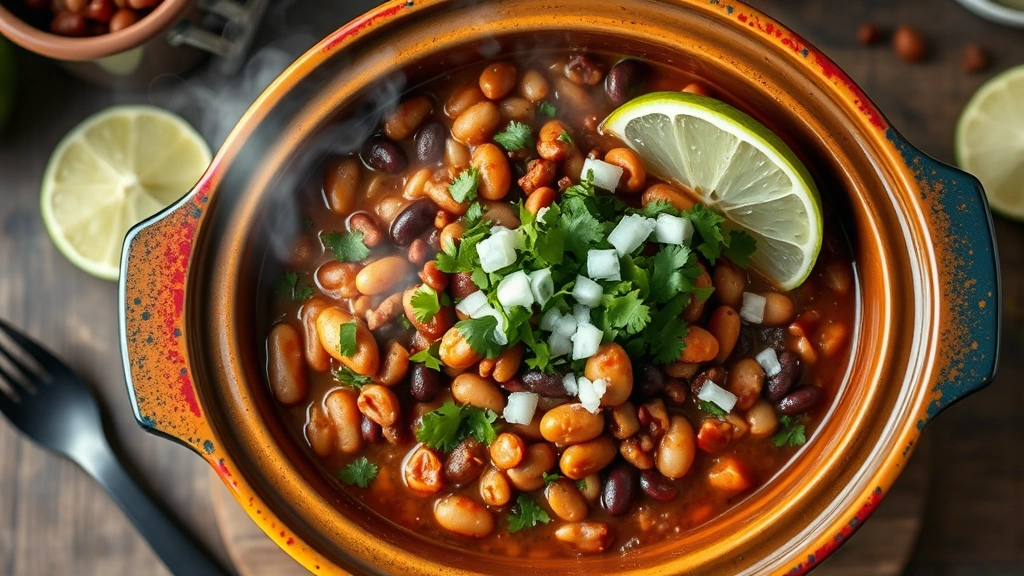
Three-Bean Chili stands as a tried-and-true favorite that feeds crowds and freezes beautifully. Combine black beans, kidney beans, and pinto beans with diced tomatoes, tomato paste, onions, bell peppers, and a carefully balanced spice blend featuring chili powder, cumin, and smoked paprika. Add jalapeños for heat and a touch of cocoa powder for depth. Cook on low for 8 hours, then taste and adjust seasonings before serving. Top with fresh cilantro, diced onions, and vegan sour cream for complete satisfaction.
Tuscan White Bean Soup delivers elegance with minimal ingredients. Layer canned cannellini beans, vegetable broth, diced tomatoes, minced garlic, fresh rosemary, and torn kale. The long cooking time allows flavors to meld beautifully while the kale remains vibrant green. Finish with good olive oil and fresh lemon juice just before serving. This soup pairs perfectly with crusty bread and makes excellent meal prep components.
Lentil and Vegetable Stew provides warming comfort on chilly evenings. Red lentils cook down into creamy texture while green or brown lentils maintain their shape, offering textural variety. Combine with carrots, celery, onions, diced tomatoes, and vegetable broth. Season generously with thyme, bay leaves, and black pepper. The resulting stew achieves satisfying richness without any animal products, making it perfect for mixed-diet households.
Black Bean Enchilada Casserole layers tortillas with seasoned black beans, corn, bell peppers, and a simple enchilada sauce made from tomato sauce, chili powder, and cumin. Cook on low for 6 hours, allowing flavors to develop while the tortillas soften. Top with sliced avocado and cilantro before serving.
Creamy Vegetable Curries
Curries showcase slow cooking’s ability to develop complex spice profiles while creating naturally creamy sauces. The extended cooking time allows spices to bloom fully, developing aromatic depth impossible to achieve in quick stovetop preparations.
Coconut Curry with Root Vegetables combines coconut milk, curry paste, and vegetables in perfect harmony. Layer chopped sweet potatoes, regular potatoes, carrots, and cauliflower with onions and garlic. Pour in coconut milk mixed with red or yellow curry paste, fish sauce alternative, and a touch of maple syrup for balance. Cook on low for 7 hours until vegetables are tender and flavors have melded. Serve over rice with fresh basil and lime wedges.
Thai Green Curry with Vegetables and Tofu delivers authentic flavors through careful spice layering. Green curry paste provides the flavor foundation, combined with coconut milk, vegetable broth, and fresh lime juice. Add bell peppers, green beans, mushrooms, and firm tofu cubes. The longer cooking time allows tofu to absorb surrounding flavors while remaining structurally intact. Finish with fresh Thai basil and additional lime juice for brightness.
Indian Chickpea Curry (Chana Masala) proves that vegetarian Indian cuisine excels in slow cookers. Combine canned chickpeas with onions, garlic, ginger, diced tomatoes, and a spice blend featuring cumin, coriander, turmeric, and garam masala. Cook on low for 6 hours, allowing the sauce to thicken and flavors to intensify. The resulting dish achieves restaurant-quality depth and complexity. Serve with basmati rice and warm naan bread.
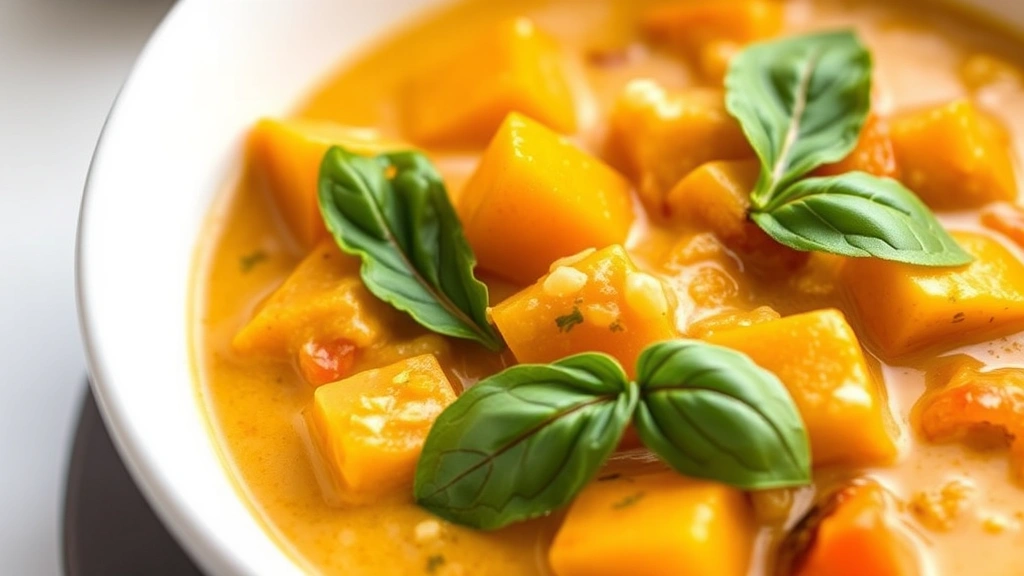
Butternut Squash and Sage Curry celebrates autumn flavors through slow cooking. Roast cubed butternut squash briefly before adding to the crockpot with vegetable broth, coconut milk, sage, thyme, and warming spices like cinnamon and nutmeg. The extended cooking time allows the squash to become incredibly tender while developing natural sweetness that balances spice complexity.
Comfort Food Favorites
Vegetarian slow cooking excels at creating comfort foods that satisfy without heaviness. These recipes prove that plant-based eating doesn’t mean sacrificing the cozy, nourishing meals we crave.
Vegetable Minestrone Soup becomes more flavorful when slow-cooked. Combine diced tomatoes, vegetable broth, cannellini beans, diced vegetables (carrots, celery, zucchini, green beans), small pasta shapes, and Italian seasonings. Cook on low for 8 hours, adding pasta during the final thirty minutes to prevent mushiness. The long cooking time develops deep, complex flavors while vegetables remain perfectly tender. Finish with fresh basil and a drizzle of excellent olive oil.
Creamy Tomato and Basil Pasta surprises skeptics with its depth. Create a sauce by combining crushed tomatoes, onions, garlic, vegetable broth, and dried basil. Cook on low for 6 hours, then blend smooth using an immersion blender. Stir in a touch of cashew cream (soaked cashews blended with water) for richness without dairy. Toss with cooked pasta and finish with fresh basil and nutritional yeast.
Mushroom and Barley Stew delivers satisfying heartiness through humble ingredients. Combine pearl barley, mixed mushrooms, carrots, celery, onions, and vegetable broth seasoned with thyme and bay leaves. The slow cooking allows barley to become creamy while mushrooms develop deep umami flavors. This recipe develops flavors beautifully when allowed proper cooking time.
Sweet Potato and Black Bean Tacos transform simple ingredients into exciting meals. Cook cubed sweet potatoes with black beans, onions, garlic, cumin, chili powder, and vegetable broth on low for 6 hours. The mixture becomes tender and flavorful, perfect for stuffing into warm tortillas with avocado, cilantro, lime, and salsa.
Vegetable Pot Pie Filling showcases slow cooking’s ability to create rich, thick sauces naturally. Combine mixed vegetables (peas, carrots, potatoes, celery), onions, garlic, vegetable broth, and herbs. Cook on low for 6 hours until vegetables are tender and sauce thickens through gentle evaporation. Transfer to pie crust and bake until golden, or serve over rice for deconstructed comfort.
Seasonal Slow Cooker Dishes
Adapting recipes to seasonal ingredients ensures peak flavor and supports local agriculture. Each season offers unique vegetables that shine in slow cooker preparations.
Spring Vegetable Stew celebrates fresh produce with lighter preparations. Use fresh peas, new potatoes, asparagus, and tender spring onions with vegetable broth and fresh herbs like dill and tarragon. Cook on low for just 4-5 hours to preserve delicate spring flavors and bright colors. Finish with fresh lemon juice and tender herbs added at the very end.
Summer Ratatouille captures Mediterranean flavors through slow cooking. Layer eggplant, zucchini, yellow squash, bell peppers, tomatoes, onions, and garlic with olive oil, balsamic vinegar, and Provençal herbs. Cook on low for 6 hours, allowing vegetables to become incredibly tender while flavors meld beautifully. Serve as a side dish, over pasta, or with crusty bread for a complete meal.
Fall Vegetable and Lentil Soup embraces harvest abundance. Combine roasted butternut squash, carrots, parsnips, kale, lentils, and vegetable broth with warming spices like cinnamon, nutmeg, and ginger. The extended cooking time allows spices to develop fully while vegetables become perfectly tender. A touch of maple syrup balances savory and sweet elements.
Winter Root Vegetable Braise maximizes storage crops’ potential. Layer parsnips, turnips, carrots, celery root, and potatoes with onions, garlic, and vegetable broth. Season with thyme, rosemary, and bay leaves. Cook on low for 8 hours until vegetables are incredibly tender and flavors have concentrated. This hearty dish pairs beautifully with grain bowls or crusty bread.
Holiday Cranberry and Walnut Stuffing Casserole offers vegetarian holiday cooking solutions. Layer cubed bread with sautéed onions, celery, walnuts, dried cranberries, and vegetable broth seasoned with sage, thyme, and poultry seasoning. The slow cooking allows bread to absorb flavors while developing a slightly crispy exterior against the crockpot sides.
FAQ
Can I cook frozen vegetables in a crockpot?
While possible, fresh vegetables yield superior results. Frozen vegetables contain more moisture and cook faster, potentially becoming mushy during extended cooking times. If using frozen vegetables, reduce cooking time by one to two hours and add them during the latter stages of cooking rather than at the beginning.
How do I prevent mushy vegetables?
Cut vegetables into uniform, larger pieces than you might for stovetop cooking. Add delicate vegetables like zucchini, spinach, and tender herbs during the final thirty minutes of cooking. Dense vegetables like carrots and potatoes handle longer cooking times better and should be placed near the heat source at the crockpot’s bottom.
Should I brown vegetables before slow cooking?
Sautéing aromatics like onions and garlic before adding them to the crockpot develops flavor foundations that significantly enhance final results. This extra step takes just five minutes but dramatically improves depth and complexity. Other vegetables don’t require browning, though roasting root vegetables briefly before slow cooking can add subtle sweetness.
What’s the best liquid-to-vegetable ratio?
Start with liquid covering vegetables halfway. Vegetables release moisture during cooking, so you’ll need less than stovetop recipes require. Adjust based on desired consistency; thinner soups need more liquid, while stews should be thicker. You can always reduce sauce at the end by cooking uncovered on high for the final thirty minutes if too thin.
How do I add creaminess without dairy?
Blend a portion of cooked vegetables into sauce for natural thickness and richness. Cashew cream (soaked cashews blended with water) adds luxurious texture without dairy. Coconut milk provides creaminess with authentic flavor for curries. Nutritional yeast adds savory depth and slight creaminess to various dishes.
Can vegetarian crockpot recipes be frozen?
Most vegetarian slow cooker dishes freeze beautifully for up to three months. Cool completely before transferring to freezer-safe containers, leaving some headspace for expansion. Thaw overnight in the refrigerator before reheating gently on the stovetop or in the crockpot. Dishes with pasta or rice sometimes become softer upon reheating; consider storing components separately and combining when reheating for better texture.
What vegetables work best for slow cooking?
Root vegetables like carrots, potatoes, parsnips, and turnips excel in slow cookers due to their dense structure. Hearty greens like kale and chard hold up well, while more delicate greens should be added near the end. Mushrooms develop incredible umami depth during slow cooking. Tomatoes, peppers, and onions provide flavor foundations. Avoid delicate vegetables like zucchini and asparagus unless adding them in the final thirty minutes.
How long do slow cooker recipes stay fresh in the refrigerator?
Most vegetarian crockpot dishes maintain quality for 3-4 days when stored in airtight containers in the refrigerator. Soups and stews with high liquid content tend to keep slightly longer than drier preparations. Always check for signs of spoilage before reheating, and ensure proper storage temperature of 40°F or below.


