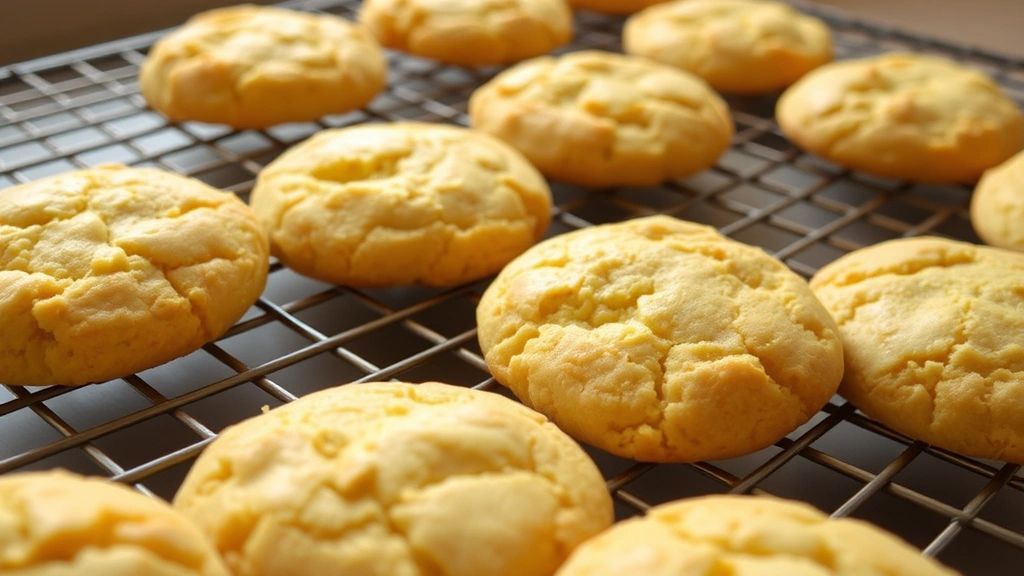
Yellow cake mix cookies are the ultimate shortcut dessert that taste like you spent hours in the kitchen. These fan-favorite treats combine the convenience of a boxed cake mix with simple pantry staples to create soft, buttery cookies that disappear faster than you can bake them. Whether you’re a busy parent, a novice baker, or someone who just loves easy desserts, this recipe delivers impressive results with minimal effort.
The beauty of using yellow cake mix for cookies lies in its built-in flavors and moisturizing properties. Unlike scratch baking, which requires precise measurements and technique, cake mix cookies are incredibly forgiving. They come out tender and cake-like every single time, making them perfect for potlucks, bake sales, or simply satisfying a sweet craving on a weeknight. Once you master this basic technique, you’ll discover endless variations to customize them to your taste.
Why Yellow Cake Mix Cookies Are Perfect
Yellow cake mix cookies have earned their reputation as a fan-favorite recipe for several compelling reasons. First, they require minimal ingredients—typically just three to four items beyond the cake mix itself. This makes them accessible to everyone, from experienced bakers to complete beginners. The Fresh Plate Daily Blog emphasizes how simple recipes often become household staples because they deliver consistent, delicious results.
The texture of cake mix cookies is distinctly different from traditional butter cookies. They’re softer, more tender, and have a subtle crumb structure that mimics actual cake. This quality makes them appealing to people who find regular cookies too crispy or dense. The cake mix provides pre-blended dry ingredients, emulsifiers, and flavor compounds that would otherwise require individual sourcing and measuring.
Additionally, yellow cake mix cookies are incredibly versatile. The neutral vanilla-butter flavor of yellow cake serves as an excellent base for countless variations. You can add chocolate chips, nuts, sprinkles, frosting swirls, or seasonal ingredients without any complications. This adaptability means you can create different cookies from the same basic recipe, keeping your dessert rotation fresh and exciting.
Another significant advantage is cost-effectiveness. Cake mix is inexpensive, especially when purchased on sale or in bulk. Combined with basic ingredients like eggs and butter, you can produce dozens of cookies for just a few dollars. This makes cake mix cookies an economical choice for large batches or when feeding a crowd.
Essential Ingredients You’ll Need
The ingredient list for yellow cake mix cookies is refreshingly simple. Here’s what you’ll gather before starting:
- One box yellow cake mix (18.25 ounces) – This is your flavor and structure foundation
- Two large eggs – Provides moisture and binding power
- One-third cup vegetable oil – Creates tender crumb and helps cookies spread slightly
- Optional vanilla extract – Enhances flavor (one teaspoon)
- Optional mix-ins – Chocolate chips, sprinkles, nuts, or candy
The beauty of this ingredient list is that everything is likely already in your kitchen. Unlike high protein low calorie recipes that require specialty items, cake mix cookies work with standard pantry staples. The eggs provide structure and moisture, while the oil creates a tender texture without the need for creaming butter and sugar.
Some bakers prefer using melted butter instead of oil for a richer flavor, though this creates slightly different results. The oil version produces cookies that are more uniformly tender throughout. If you’re following Trader Joe’s recipes philosophy of simplicity, you might appreciate how few ingredients this requires compared to many desserts.
Step-by-Step Baking Instructions
Creating perfect yellow cake mix cookies is straightforward when you follow these detailed steps:
Preparation Phase: Begin by preheating your oven to 350 degrees Fahrenheit. Line your baking sheets with parchment paper or silicone baking mats. This prevents sticking and ensures even browning on the bottom of cookies. If you don’t have parchment paper, greasing the baking sheets lightly also works well.
Mixing the Dough: In a medium mixing bowl, combine the entire box of yellow cake mix with two large eggs and one-third cup vegetable oil. Using an electric mixer on low speed, blend these ingredients for approximately one to two minutes until fully combined. The mixture should resemble thick cookie dough with no visible streaks of dry cake mix. If mixing by hand, use a sturdy wooden spoon and stir vigorously until the consistency is uniform.
Adding Enhancements: If desired, stir in one teaspoon of vanilla extract for enhanced flavor complexity. At this point, fold in any mix-ins you’re using, such as one to two cups of chocolate chips, sprinkles, or chopped nuts. Distribute them evenly throughout the dough for consistent flavor in every cookie.
Scooping and Spacing: Using a cookie scoop or tablespoon, drop rounded portions of dough onto your prepared baking sheets. Space them about two inches apart, as they will spread during baking. For uniform-sized cookies, use a one-tablespoon cookie scoop, which ensures consistent baking times and attractive presentation.
Baking Process: Place the baking sheets in your preheated oven and bake for nine to eleven minutes. The cookies should appear set on the edges but slightly soft in the center when you remove them. This is crucial—don’t overbake, as they’ll continue cooking on the hot pan after removal. The edges should be light golden brown, while the centers remain pale.
Cooling: Remove the baking sheets from the oven and let the cookies cool on the pan for three to five minutes. This allows them to firm up enough to transfer without breaking. Using a spatula, carefully transfer them to a wire cooling rack. They’ll continue to set as they cool completely, achieving their final tender-cake texture.
Pro Tips for Best Results
Achieving perfect yellow cake mix cookies every time requires understanding a few key techniques:
Temperature Matters: Use room-temperature eggs for better incorporation into the dough. Cold eggs can create lumpy batter and result in uneven texture. Remove eggs from the refrigerator thirty minutes before baking if possible. Similarly, ensure your oven is fully preheated before baking—use an oven thermometer to verify accuracy, as many home ovens run hotter or cooler than indicated.
Don’t Overmix: While it’s important to combine ingredients thoroughly, excessive mixing can develop gluten and create tough cookies. Mix just until no dry cake mix streaks remain, then stop. This maintains a tender crumb structure. When adding mix-ins, fold them in gently rather than stirring aggressively.
Oil Selection: Neutral-flavored oils like vegetable, canola, or light olive oil work best. Avoid strongly flavored oils that might compete with the cake mix. Some bakers use melted coconut oil for subtle richness, though this slightly alters the flavor profile. Consistency is key—measure carefully using a liquid measuring cup.
Baking Sheet Preparation: Parchment paper is worth the investment for consistent results. It prevents over-browning on the bottom and makes cleanup effortless. If you must use greased pans, use a light hand to avoid excessive oil, which can cause spreading and thin, crispy cookies instead of tender ones.
Watch for Doneness: The window between perfectly baked and overbaked cookies is narrow—sometimes just one minute. Remove cookies when edges are set but centers appear slightly underdone. They’ll look like they need more time, but residual heat will complete the cooking process. This technique prevents dry, cakey cookies.
Batch Consistency: If baking multiple batches, rotate your baking sheets halfway through the baking time. This promotes even browning when using standard ovens with hot spots. Allow baking sheets to cool between batches, or use multiple sheets so one can cool while another bakes.
Flavor Variations and Mix-Ins
One reason yellow cake mix cookies are such a fan-favorite recipe is their incredible versatility. Once you master the basic version, explore these creative variations:
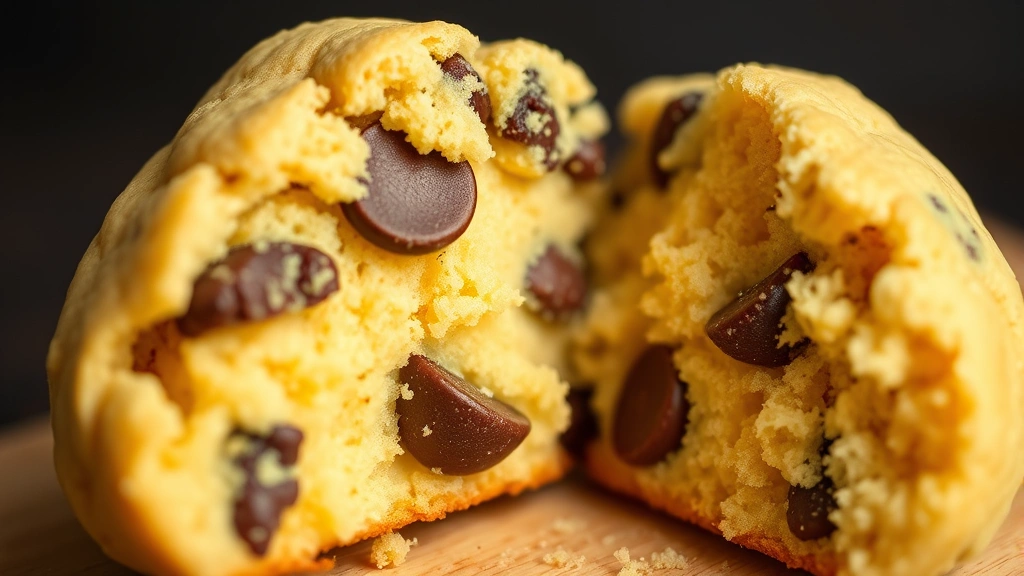
Classic Chocolate Chip: Stir in one and one-half cups of semi-sweet chocolate chips before baking. This creates the most traditional variation, combining vanilla cake flavor with rich chocolate throughout each cookie. Dark chocolate chips provide a more sophisticated taste, while white chocolate chips create an elegant alternative.
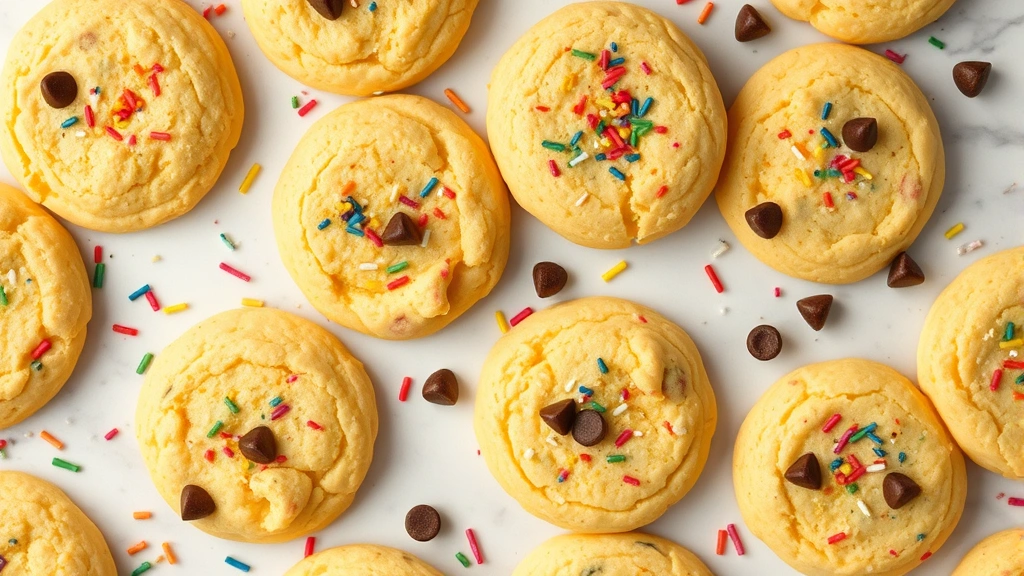
Rainbow Sprinkle Version: Add one cup of rainbow sprinkles to the dough for festive, colorful cookies. These work wonderfully for children’s parties or holiday celebrations. The sprinkles add visual appeal and subtle sweetness without significantly altering the cookie’s structure.
Frosting Swirl Cookies: Prepare the dough as usual, then drop it onto baking sheets. Before baking, place a small dollop of vanilla or chocolate frosting in the center of each cookie and swirl it slightly into the dough. This creates a marbled effect and adds frosting flavor throughout.
Nutty Variations: Fold in one cup of chopped pecans, walnuts, or almonds for textural contrast. Nuts add nutritional value and sophisticated flavor complexity. Toasting nuts before adding them intensifies their flavor significantly.
Seasonal Flavors: Add one-half teaspoon of almond extract for a subtle nod to almond cake. For fall-inspired cookies, mix in one teaspoon of pumpkin pie spice. Peppermint extract (one-quarter teaspoon) creates festive winter cookies.
Candy-Filled Cookies: Press M&M’s, crushed candy canes, or mini chocolate chips into the top of each cookie before baking. These melt slightly into the cookie, creating pockets of sweetness and visual interest. This approach works beautifully for themed parties or holiday gift-giving.
Pudding Mix Combination: Replace the vanilla extract with one packet of instant pudding mix (any flavor) mixed with one tablespoon of milk. Butterscotch, pistachio, or chocolate pudding mix creates entirely new flavor profiles while maintaining the easy preparation.
Storage and Make-Ahead Guide
Proper storage ensures your yellow cake mix cookies stay fresh and delicious for days:
Room Temperature Storage: Once completely cooled, store cookies in an airtight container at room temperature for up to five days. Layer them between parchment paper to prevent sticking. Keep the container in a cool, dry location away from direct sunlight. These cookies are more prone to drying out than traditional butter cookies, so airtight storage is essential.
Freezer Storage: Yellow cake mix cookies freeze exceptionally well for up to three months. Arrange cooled cookies in a single layer on a baking sheet, freeze until solid (about two hours), then transfer to a freezer bag or container. This method prevents them from clumping together. Thaw at room temperature for fifteen to twenty minutes before serving.
Dough Preparation: You can prepare the dough in advance and refrigerate it for up to forty-eight hours. Cover the bowl tightly with plastic wrap. When ready to bake, scoop and bake as usual—no thawing necessary. This makes cookie baking incredibly convenient for busy schedules. You could even freeze unbaked dough scoops for grab-and-bake convenience.
Make-Ahead Strategy: For parties or gatherings, prepare dough the day before and bake cookies just a few hours before serving. They’re best enjoyed within the first day or two when texture and flavor are optimal. If transporting cookies, use a sturdy container and avoid stacking them heavily.
Refreshing Stale Cookies: If cookies become slightly hard, warm them in a 300-degree oven for three to five minutes to restore softness. Alternatively, place them in a container with a slice of bread for a few hours—the bread releases moisture that the cookies absorb. This salvage technique works wonderfully when cookies have been stored for several days.
These storage methods ensure you can enjoy yellow cake mix cookies throughout the week or prepare them in advance for special occasions. The flexibility of this recipe makes it perfect for meal planning or spontaneous dessert needs.
FAQ
Can I use a different cake mix flavor?
Absolutely! Chocolate cake mix creates decadent chocolate cookies, while vanilla or white cake mix produces slightly different flavor profiles. Lemon or strawberry cake mix varieties create fruity versions. Experiment to discover your favorite combination. Each cake mix variety brings unique flavor characteristics while maintaining the easy preparation method.
Why are my cookies spreading too thin?
Excessive spreading usually results from too much oil, an oven that’s too hot, or over-mixing the dough. Verify your oven temperature with a thermometer, measure oil carefully, and mix just until combined. Using slightly less oil (one-quarter cup instead of one-third cup) can also help if spreading is excessive. Room temperature ingredients also contribute to better dough consistency.
Can I make these cookies without eggs?
Eggs provide moisture and binding, making them difficult to replace. However, you could try egg substitutes like applesauce or aquafaba (chickpea liquid). Use one-quarter cup of applesauce per egg, or three tablespoons of aquafaba per egg. Results may differ slightly from the traditional version, so testing is recommended before making large batches.
How do I make cookies softer?
Remove cookies from the oven when the centers still appear slightly underdone. The residual heat will continue cooking them, resulting in a softer final texture. Storing cookies with a slice of bread also keeps them softer longer. Some bakers add an extra tablespoon of oil for increased moisture and tenderness.
What’s the difference between cake mix cookies and regular cookies?
Cake mix cookies are softer and more cake-like due to the cake mix’s composition and emulsifiers. Traditional cookies use creamed butter and sugar, creating a different texture. Cake mix cookies require less mixing and no creaming step, making them faster and more forgiving. They’re ideal for anyone seeking convenience without sacrificing flavor or quality.
Can I double this recipe?
Yes! Simply double all ingredients and prepare the dough in batches or using a larger mixing bowl. The baking time remains the same. Doubling is perfect when making cookies for large events or when you want to freeze extra dough for later baking. Ensure your oven can accommodate multiple baking sheets without creating crowded conditions.
Why use vegetable oil instead of butter?
Oil creates a more tender, cake-like cookie compared to butter, which produces crispier results. Oil also requires no creaming, simplifying the preparation process significantly. Vegetable oil is neutral-flavored and helps maintain the delicate texture these cookies are known for. Butter can be substituted, but results will be slightly different.


