Authentic Amatriciana Recipe: Italian Chef’s Guide
Amatriciana is one of Rome’s most iconic pasta dishes, a rustic yet refined creation that exemplifies Italian culinary philosophy: few ingredients, perfect technique, and unbridled respect for tradition. This guanciale-based sauce represents centuries of Roman cooking heritage, originating from the small town of Amatrice in the Lazio region. Unlike many pasta dishes that have been modernized or simplified for mass appeal, authentic amatriciana remains fiercely traditional, with passionate Italian chefs defending its original preparation method.
The beauty of this classic Roman pasta dish lies in its simplicity and the quality of its core ingredients. When prepared correctly, amatriciana delivers an explosion of savory, smoky, and slightly spicy flavors that transform humble pantry staples into restaurant-quality cuisine. This guide will walk you through every aspect of making authentic amatriciana, from ingredient selection to plating techniques used by Roman chefs.
Understanding Authentic Amatriciana
Amatriciana, pronounced “ah-mah-tree-chah-nah,” is a traditional Roman pasta sauce that has been prepared for generations. The dish’s origins trace back to shepherds in Amatrice who created this hearty meal using preserved ingredients available in the mountains. The original recipe featured guanciale (cured pork jowl), tomatoes, pecorino romano cheese, and red chili pepper—nothing more, nothing less.
The Italian culinary tradition is strict about amatriciana’s composition. In 2016, the Italian Academy of Cuisine officially recognized the dish’s proper ingredients and method. This standardization exists because amatriciana represents a specific cultural and historical moment in Roman food culture. When you prepare authentic amatriciana, you’re not just making dinner; you’re honoring centuries of tradition.
The sauce should be simple enough that each ingredient shines individually while creating harmony on the palate. The guanciale provides richness and smokiness, the tomatoes offer acidity and brightness, the pecorino adds sharp umami notes, and the chili delivers a subtle heat that builds with each bite. This balance is what separates authentic amatriciana from inferior imitations that rely on excessive cream, bacon, or other shortcuts.
Essential Ingredients Explained
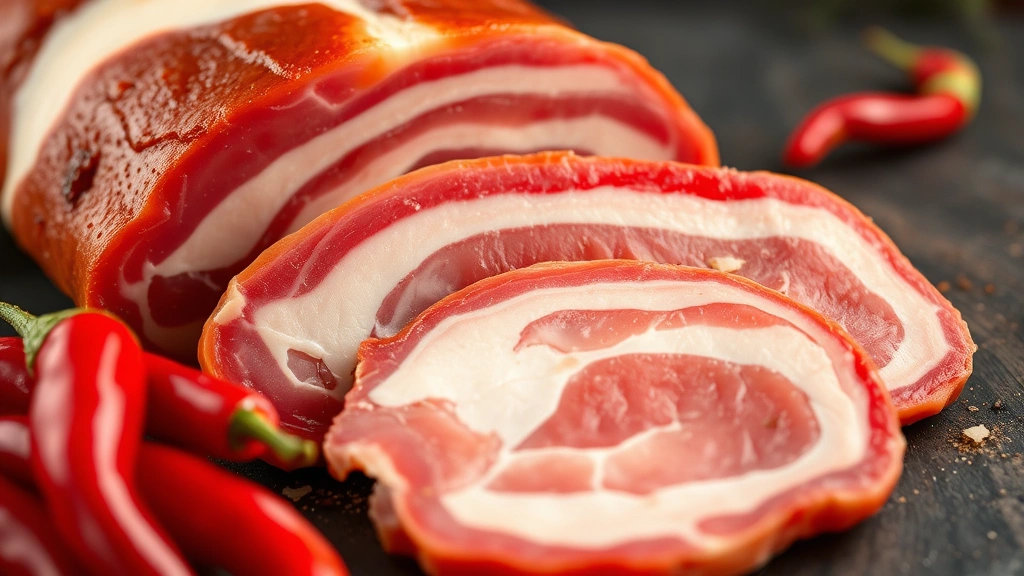
Guanciale is the soul of authentic amatriciana, and there’s simply no acceptable substitute. Guanciale is cured pork jowl, a delicacy that’s been preserved for months using salt and spices. The fat content in guanciale is higher than bacon, and it contains different flavor compounds that develop during the curing process. Many home cooks attempt to use bacon or pancetta, but these alternatives produce noticeably different results. The guanciale’s unique flavor profile—slightly sweet, deeply savory, with hints of spice—cannot be replicated.
When sourcing guanciale, look for Italian specialty shops or reliable online retailers that source directly from Italian producers. Quality guanciale should have a deep reddish color with white marbling of fat throughout. The meat should smell pleasantly cured and savory, not rancid or overly salty. Plan to purchase approximately 4-5 ounces of guanciale for a four-person serving. Slice it into thin strips or small cubes, as you’ll be rendering the fat to create the sauce base.
San Marzano tomatoes are the traditional choice for amatriciana, and for good reason. These tomatoes, grown in volcanic soil near Mount Vesuvius, have lower acidity, fewer seeds, and superior flavor compared to standard varieties. The tomatoes should be crushed by hand or processed briefly to maintain some texture. Many Roman chefs prefer canned San Marzano tomatoes over fresh ones, as the canning process occurs at peak ripeness. Choose whole peeled tomatoes rather than pre-crushed varieties, which often contain added ingredients.
Pecorino Romano cheese is essential—not Parmigiano-Reggiano, despite what some recipes suggest. Pecorino Romano, made from sheep’s milk, has a sharper, more assertive flavor that complements the richness of guanciale. The cheese should be freshly grated using a microplane or box grater, never pre-grated. The difference in flavor between freshly grated and pre-grated cheese is dramatic, as the latter contains anti-caking agents that interfere with taste and texture.
Red chili peppers (peperoncini) add a gentle heat that builds throughout eating. Use whole dried chili peppers or fresh red chilies, depending on availability. The heat should never overwhelm the dish—amatriciana should be pleasantly warm, not mouth-burning. If using whole dried peppers, remove them before serving, as biting into one creates an unpleasant experience.
Pasta selection matters more than many cooks realize. Authentic amatriciana uses bucatini (thick spaghetti with a hollow center) or guanciale, which allows the sauce to coat the pasta thoroughly. Spaghetti is acceptable, though bucatini’s texture works better with the chunky sauce. Use bronze-cut (trafilata al bronzo) pasta from Italian producers, which has a rougher surface that grabs sauce more effectively than smooth industrial pasta.
Salt and black pepper round out the ingredient list. Use quality sea salt and freshly ground black pepper—never pre-ground pepper, which has lost most of its volatile compounds.
Step-by-Step Preparation Guide
Ingredient Preparation (15 minutes)
Begin by preparing all ingredients before you start cooking. This approach, known as mise en place, ensures smooth cooking without scrambling for ingredients mid-preparation. Slice the guanciale into thin strips, roughly ¼-inch thick. If the guanciale is very cold, slice it slightly thicker to prevent tearing. Place the sliced guanciale in a cool bowl.
Open your can of San Marzano tomatoes and pour them into a bowl. Using your hands or a fork, crush the tomatoes gently, breaking them into smaller pieces while maintaining some texture. Don’t puree them completely—you want distinct tomato pieces in the final sauce. Measure out approximately 1 cup of the crushed tomatoes; you may not need the entire can.
Grate the pecorino Romano cheese using a microplane held over a bowl. You’ll need about ¾ cup of finely grated cheese. Prepare the red chili pepper by slicing it in half lengthwise and removing the seeds if you prefer milder heat. Keep the pepper whole or break it into pieces, depending on your preference for heat distribution.
Fill a large pot with water, add salt generously (the water should taste like seawater), and bring it to a rolling boil. This will be ready when you need it for pasta cooking.
Building the Sauce (25-30 minutes)
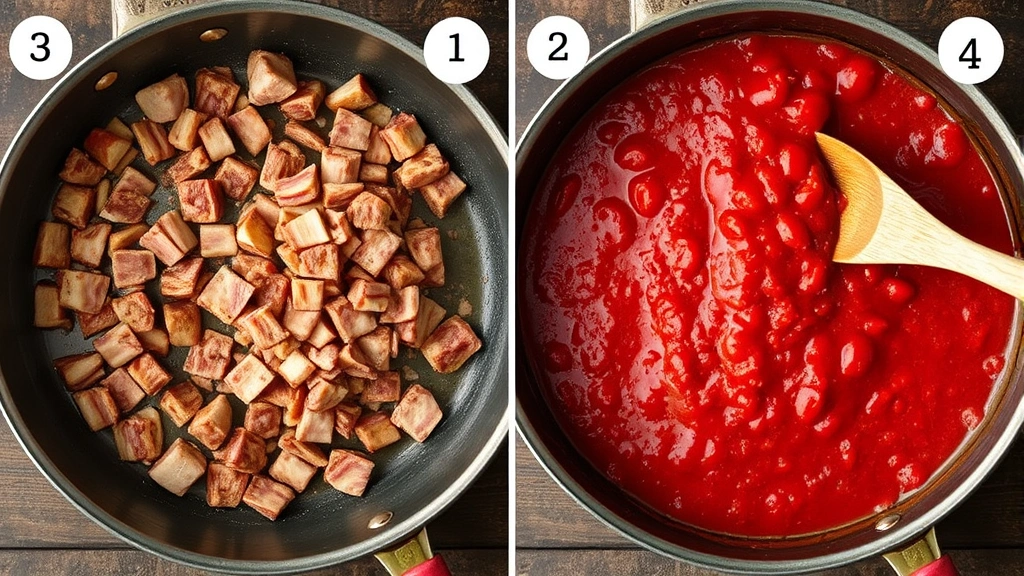
Place a large sauté pan or skillet over medium-low heat. Add the sliced guanciale to the cold pan without any additional oil. This is crucial—starting with cold guanciale in a cold pan allows the fat to render slowly and evenly, developing deep flavor without burning the meat. As the pan heats, the fat will gradually melt, creating a rich, savory base.
Cook the guanciale for 5-7 minutes, stirring occasionally, until the edges become slightly crispy and the fat is mostly rendered. You should see about a tablespoon of liquid fat in the pan. Do not brown the guanciale aggressively; it should be gently cooked, with the meat remaining tender inside.
Once the guanciale has rendered, add the crushed San Marzano tomatoes to the pan along with the whole red chili pepper. Stir gently to combine. Increase the heat slightly to bring the sauce to a gentle simmer. The sauce should bubble softly, not aggressively. Cook for 12-15 minutes, stirring occasionally. During this time, the tomatoes will break down further, and the flavors will meld together.
Taste the sauce periodically. The acidity of the tomatoes should mellow as they cook, and the chili heat should become more pronounced. If the sauce seems too acidic, add a small pinch of sugar (about ¼ teaspoon), though this is rarely necessary with quality San Marzano tomatoes. Season with salt and freshly ground black pepper to taste, but remember that the pecorino cheese will add additional salt later.
Pasta Cooking Timing
When the sauce is about 5 minutes away from being ready, add the pasta to your boiling salted water. For bucatini or spaghetti, this typically means cooking for about 1-2 minutes less than the package recommends—you want the pasta to be al dente, with a slight firmness in the center. Stir the pasta a few times during cooking to prevent sticking.
Reserve at least 1 cup of pasta cooking water before draining the pasta. This starchy water is essential for adjusting the sauce consistency and helping it cling to the pasta.
Cooking Technique Mastery
The finishing technique separates good amatriciana from authentic amatriciana. Remove the pan with sauce from heat and remove the chili pepper (if you cooked it whole). Add the drained pasta directly to the sauce pan—do not combine them in a serving bowl. Toss gently but thoroughly, using tongs or two forks to coat each strand with sauce.
The pasta should look quite saucy at this point—if it appears too dry, add a splash of pasta water (about ¼ cup) and toss again. The starch in the water helps the sauce emulsify and coat the pasta more effectively. Add more water in small amounts if needed, but be conservative; it’s easier to add more than to remove excess.
Once the pasta is well-coated, remove from heat and add about ½ cup of freshly grated pecorino Romano cheese. Toss gently but thoroughly, ensuring the cheese distributes evenly. The residual heat will melt the cheese slightly, creating a creamy coating without any added cream. Taste and adjust seasoning with additional salt and freshly ground black pepper.
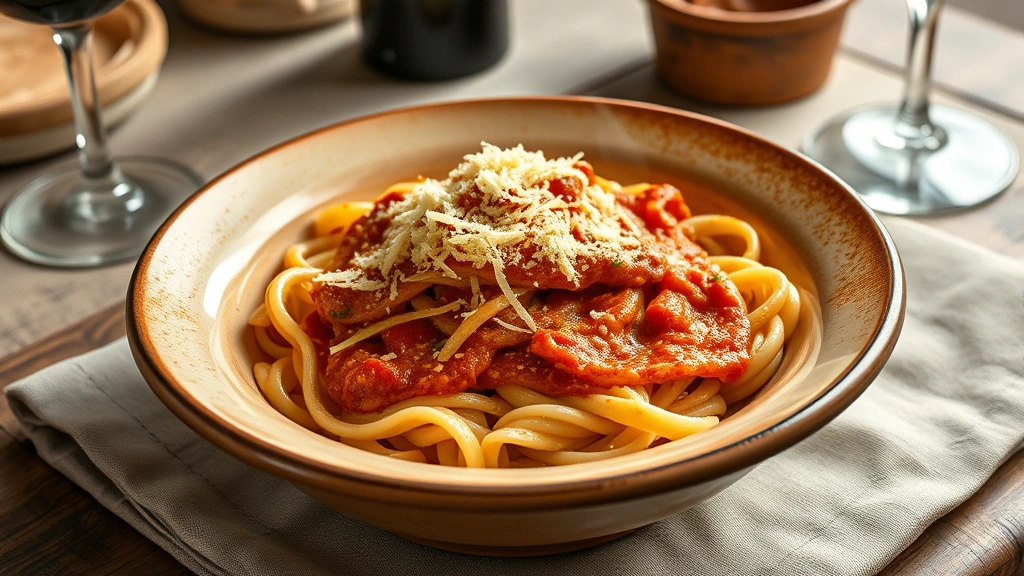
Transfer the pasta immediately to serving bowls or plates. Top each serving with additional grated pecorino Romano cheese and a few turns of freshly ground black pepper. The dish should be served piping hot; any delay will cause the pasta to cool and the sauce to set.
Common Mistakes to Avoid
Substituting Guanciale is perhaps the most common mistake. While bacon or pancetta might seem like acceptable alternatives, they produce fundamentally different results. Bacon is smoked and much leaner, creating a different flavor profile entirely. Pancetta is closer to guanciale but still lacks the specific aging and curing that makes guanciale unique. If you cannot source guanciale, it’s better to choose a different pasta dish rather than compromise amatriciana’s integrity.
Adding cream or butter is a modern corruption that has no place in authentic amatriciana. Some recipes suggest finishing with cream to create a richer sauce, but this dilutes the clean flavors that make amatriciana special. The sauce should be based entirely on rendered guanciale fat, tomatoes, and cheese—nothing more. If you find the sauce too light, you haven’t rendered enough guanciale fat or haven’t reduced the tomatoes sufficiently.
Using pre-shredded cheese will negatively impact both texture and flavor. Pre-shredded pecorino contains cellulose and other anti-caking agents that prevent proper melting and create a gritty mouthfeel. The extra seconds required to grate cheese fresh are absolutely worth the improvement in final product quality.
Cooking the sauce too aggressively causes the tomatoes to break down excessively and lose their bright character. The sauce should simmer gently, never boil. If you see aggressive bubbling, reduce the heat immediately.
Overcooking the pasta is another frequent error. Al dente pasta has a pleasant firmness that contrasts beautifully with the soft sauce. Overcooked pasta becomes mushy and absorbs too much sauce, creating a stodgy dish. Taste the pasta frequently during cooking and remove it when it still has a slight resistance when bitten.
Letting the finished dish sit before serving causes the pasta to absorb excess moisture and become mushy. Amatriciana must be served immediately after combining the pasta with sauce.
Serving and Pairing Suggestions
Authentic amatriciana is best served as the main course of a simple meal, following the Italian dining tradition of a single, well-prepared pasta course. Start with a light antipasto—perhaps some cured meats, cheese, and vegetables—rather than a heavy appetizer that might dull your palate for the pasta’s delicate flavors.
For wine pairing, choose a crisp white wine from the Lazio region, such as Verdicchio or Frascati. These wines have sufficient acidity to complement the tomato sauce and guanciale’s richness without overwhelming the dish. Alternatively, a light-bodied red wine like Barbera works beautifully, as its acidity and subtle tannins enhance the chili pepper’s heat.
Follow the pasta with a simple green salad dressed with lemon juice and good olive oil to cleanse the palate. Dessert should be light—perhaps fresh fruit or a simple gelato—rather than something heavy that would sit uncomfortably after the rich pasta course.
If you’re interested in exploring other Roman pasta traditions, try preparing carbonara using similar techniques. The skills you develop making amatriciana—proper guanciale rendering, pasta water use, and cheese incorporation—directly transfer to carbonara and other Roman classics.
For those seeking additional pasta inspiration, explore easy dinner recipes for beginners that build fundamental cooking skills. Understanding proper technique with simple dishes creates confidence for more complex preparations.
If you’re interested in the nutritional aspects of guanciale and other cured meats, review information about foods rich in antioxidants to understand how traditional ingredients fit into a balanced diet.
For those managing dietary goals while enjoying traditional cuisine, explore high protein recipes for weight loss to understand how to adapt traditional dishes to modern nutritional needs.
FAQ
Can I make amatriciana without guanciale?
Technically yes, but you won’t have authentic amatriciana. The dish’s identity is inseparable from guanciale’s specific flavor and fat content. If guanciale is unavailable, consider making a different pasta sauce rather than compromising this traditional dish.
What if I can’t find San Marzano tomatoes?
San Marzano is strongly preferred, but high-quality whole canned tomatoes from reputable Italian producers can work as a substitute. Avoid crushed or diced tomatoes, which often contain additives. Always taste for excessive acidity and adjust seasoning accordingly.
How far in advance can I prepare amatriciana?
The sauce can be made up to 2 days in advance and refrigerated. Reheat gently over low heat before combining with freshly cooked pasta. However, the final dish must be assembled and served immediately—never prepare amatriciana hours in advance.
Is amatriciana spicy?
Authentic amatriciana has gentle heat that builds gradually, not an intense burn. The chili pepper should add complexity rather than heat. If you prefer milder flavor, use less chili or remove it during cooking. If you like more heat, add additional pepper or use a hotter variety.
What’s the difference between amatriciana and carbonara?
Both are Roman pasta dishes using guanciale, but they differ significantly. Amatriciana uses tomato sauce and pecorino cheese, while carbonara uses eggs, pecorino, and black pepper—no tomatoes. Carbonara’s sauce is creamy from eggs, while amatriciana’s is based on rendered fat and tomatoes.
Can I use fresh tomatoes instead of canned?
Only if using perfectly ripe, in-season tomatoes. Most fresh tomatoes lack the concentrated flavor and proper acidity of quality canned San Marzano tomatoes. If using fresh tomatoes, choose varieties like San Marzano or Roma, remove seeds and excess liquid, and increase cooking time to reduce the sauce properly.
How many servings does this recipe make?
The quantities provided serve four people as a main course. For larger crowds, multiply the ingredients proportionally. Each person should receive approximately 3-4 ounces of dried pasta with about 3-4 tablespoons of sauce.
What pasta shapes work best with amatriciana?
Bucatini is traditional, followed by spaghetti. Other long pasta shapes like linguine or fettuccine can work, but avoid short pasta shapes like penne or rigatoni, which don’t interact with the sauce in the same way. The key is using bronze-cut Italian pasta for proper texture.
Should I add parsley or other herbs?
No. Authentic amatriciana contains no fresh herbs. The simplicity is intentional, allowing the guanciale, tomatoes, cheese, and chili to shine. Adding parsley, basil, or other herbs fundamentally changes the dish’s character.
Can amatriciana be made vegetarian?
No. Guanciale is essential to the dish’s identity and flavor. Removing it creates an entirely different preparation that shouldn’t be called amatriciana. If seeking vegetarian Roman pasta, consider other traditional dishes that don’t rely on meat.


