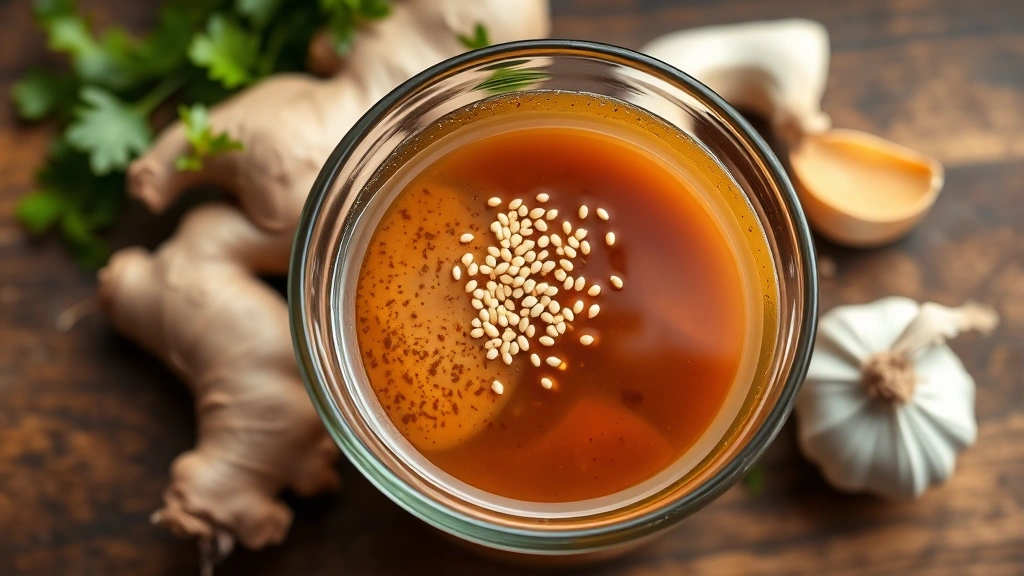
Asian Salad Dressing: Chef’s Favorite Recipe!
Asian salad dressing is the secret weapon that transforms ordinary greens into an extraordinary culinary experience. Whether you’re preparing a quick weeknight meal or impressing guests at a dinner party, this versatile dressing brings authentic flavors from across Asia right to your table. The beauty of homemade Asian salad dressing lies in its perfect balance of sweet, salty, sour, and umami elements that commercial bottled versions simply cannot replicate.
Professional chefs have long understood that the foundation of any great salad is its dressing. This recipe has become a favorite in kitchens worldwide because it’s simple to make, uses readily available ingredients, and delivers restaurant-quality results every single time. The combination of soy sauce, rice vinegar, sesame oil, and fresh ginger creates a dressing that’s both authentic and accessible for home cooks of all skill levels.
In this comprehensive guide, we’ll explore everything you need to know about creating the perfect Asian salad dressing from scratch. From understanding ingredient ratios to mastering the emulsification process, you’ll discover why chefs consistently choose this recipe over all others. We’ll also cover variations, storage tips, and creative ways to use this dressing beyond just salads.
What Makes Asian Salad Dressing Special
Asian salad dressing stands apart from Western dressings because of its sophisticated flavor profile and the culinary philosophy behind it. Traditional Asian cuisine emphasizes the harmony of contrasting tastes, and this dressing exemplifies that principle perfectly. The interplay between the saltiness of soy sauce, the tang of rice vinegar, the richness of sesame oil, and the warmth of ginger creates a multi-dimensional taste experience that evolves as you eat.
Unlike heavy cream-based dressings common in Western cooking, Asian dressings rely on lighter oils and acidic components to create their signature taste. This makes them healthier without sacrificing flavor intensity. Chefs prefer this style because it complements a wide variety of vegetables without overwhelming them, allowing each ingredient in the salad to shine while being elevated by the dressing.
The dressing’s versatility is another reason why it’s become a chef’s favorite. Beyond salads, this dressing works beautifully as a marinade for proteins, a glaze for roasted vegetables, or a dipping sauce for appetizers. Understanding how to make this dressing opens doors to countless culinary applications in your kitchen.
Essential Ingredients and Their Roles
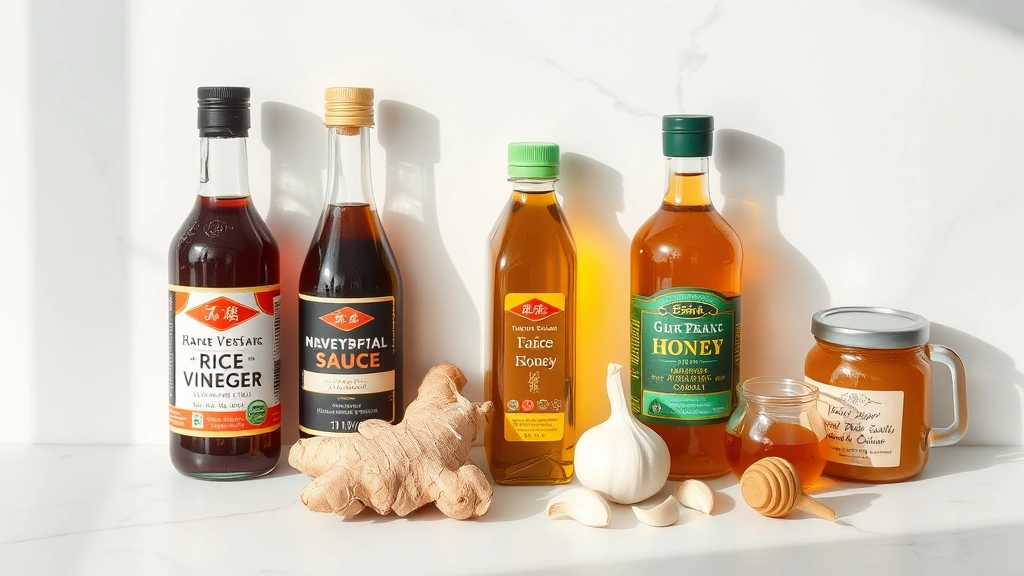
Creating an authentic Asian salad dressing requires understanding each ingredient’s specific contribution to the final product. Here are the core components:
- Soy Sauce (3 tablespoons): The backbone of the dressing, soy sauce provides umami depth and saltiness. Use regular soy sauce rather than low-sodium versions, as the salt content is crucial for flavor balance. The fermented nature of soy sauce adds complexity that enhances all other ingredients.
- Rice Vinegar (2 tablespoons): This mild, slightly sweet vinegar provides acidity without the harshness of other vinegars. Rice vinegar’s delicate flavor allows other components to shine while maintaining brightness in the dressing.
- Sesame Oil (1.5 tablespoons): Toasted sesame oil brings a distinctive nutty aroma and rich flavor. This ingredient is critical—it’s what separates authentic Asian dressing from generic vinaigrettes. Always use toasted sesame oil, never the light variety.
- Neutral Oil (2-3 tablespoons): Vegetable, canola, or peanut oil helps balance the intensity of sesame oil and creates proper emulsification. This ingredient is often overlooked but essential for achieving the right consistency.
- Fresh Ginger (1 tablespoon, minced): Freshly grated or minced ginger adds warmth and complexity. Avoid powdered ginger, as fresh ginger provides a brighter, more authentic flavor that chefs consistently prefer.
- Garlic (2 cloves, minced): Fresh garlic adds pungency and depth. Raw garlic is essential here, as cooked garlic would lose its characteristic bite.
- Honey or Sugar (1-2 teaspoons): A touch of sweetness balances the salty and acidic components. Honey adds subtle floral notes, while sugar provides straightforward sweetness. Choose based on your preference and the dressing’s intended use.
- Rice Wine or Mirin (optional, 1 teaspoon): Adding a small amount of mirin or rice wine deepens the umami profile and adds subtle sweetness reminiscent of traditional Asian preparations.
- Red Pepper Flakes (to taste): A pinch of red pepper flakes adds subtle heat and complexity without overwhelming the palate.
- Sesame Seeds (optional garnish): Toasted sesame seeds add visual appeal and textural interest to the finished dressing.
Step-by-Step Preparation Guide
Making Asian salad dressing is straightforward when you follow these professional techniques:
- Prepare Your Aromatics: Begin by mincing your ginger and garlic finely. Fresh ingredients make a dramatic difference in the final product. Mince them small enough that they distribute evenly throughout the dressing rather than settling at the bottom.
- Combine Wet Ingredients: In a medium bowl or jar, add the soy sauce, rice vinegar, and honey. Whisk or shake these together until the honey dissolves completely. This base layer ensures proper seasoning distribution.
- Add Aromatics: Stir in your minced ginger and garlic thoroughly. Let them sit for 30 seconds to allow the flavors to begin melding before adding oils.
- Incorporate Oils Slowly: This is where many home cooks struggle. Add the sesame oil first in a thin stream while whisking constantly. The sesame oil’s strong flavor should be distributed evenly rather than concentrated in one area.
- Emulsify with Neutral Oil: Continue whisking while adding the neutral oil gradually. This creates an emulsion that keeps all ingredients suspended together. Whisk vigorously for at least one minute to ensure proper emulsification.
- Season to Taste: Add red pepper flakes, sesame seeds, and any other optional ingredients. Taste and adjust sweetness, salt, or acidity as needed.
- Final Blending: For an ultra-smooth dressing, transfer to a blender and pulse briefly. This creates a more cohesive texture, though some chefs prefer the rustic texture of hand-whisked dressing.
Professional chefs recommend making this dressing at least 15 minutes before serving to allow flavors to meld and develop. Some prefer making it several hours ahead, allowing the ginger and garlic to infuse the oil base more thoroughly.
For those interested in expanding their sauce-making skills, our guide on how to make homemade sauces provides additional techniques applicable to dressing preparation.
Flavor Balancing Techniques
The key to a professional-quality Asian salad dressing is understanding flavor balance. The four primary taste elements must work in harmony:
Salty: Soy sauce provides this element, but taste as you go. If the dressing tastes flat, it likely needs more salt rather than more of other ingredients. A quarter teaspoon of additional soy sauce can transform the entire dressing.
Sour: Rice vinegar creates the acidic component. If your dressing tastes muddy or unclear, it probably needs more acidity. Add additional rice vinegar in half-teaspoon increments until the flavors brighten.
Sweet: Honey or sugar balances the salty and sour elements. Start with one teaspoon and increase gradually. Too much sweetness masks the other flavors, while too little results in a harsh, unbalanced dressing.
Umami: Soy sauce and sesame oil both contribute umami depth. Some chefs add a pinch of fish sauce or a small amount of miso paste to intensify this savory richness. These additions should be subtle—just enough to add complexity without becoming noticeable.
Professional chefs use a tasting technique where they dip a piece of lettuce into the dressing and taste it. This method reveals how the dressing will actually taste on salad rather than in isolation. Plain dressing tastes different from dressed salad, and this technique accounts for that difference.
Creative Variations and Adaptations
Once you master the basic recipe, variations open up exciting possibilities. Consider these adaptations for different applications:
Spicy Version: Increase red pepper flakes to one-quarter teaspoon, or add fresh Thai chilies minced finely. This variation works beautifully with healthy chicken recipes served over Asian-inspired salads.
Creamy Asian Dressing: Whisk in two tablespoons of mayonnaise or Greek yogurt for a creamier consistency. This variation maintains the Asian flavor profile while creating a richer mouthfeel suitable for heartier salads.
Peanut Version: Add two tablespoons of natural peanut butter and reduce the neutral oil slightly. This creates a dressing reminiscent of Southeast Asian preparations, perfect for salads with crispy noodles or roasted peanuts.
Citrus Variation: Replace half the rice vinegar with fresh lime juice for brightness and tropical notes. Add a teaspoon of lime zest for additional flavor intensity.
Ginger-Forward Dressing: Increase ginger to two tablespoons for a more pronounced warming spice. This variation complements vegetable-heavy salads and works wonderfully as a marinade.
Light Version: Reduce both oils to one tablespoon each and increase rice vinegar to three tablespoons. This creates a lighter dressing with more pronounced acidity, ideal for those watching calorie intake.
These variations maintain the essential character of Asian salad dressing while adapting it to different preferences and applications. Experiment with proportions to discover your personal favorite version.
Storage and Shelf Life
Proper storage ensures your Asian salad dressing remains fresh and flavorful. Store the dressing in an airtight glass container in the refrigerator for up to two weeks. Glass containers preserve flavors better than plastic, which can absorb oils and odors.
The dressing may separate slightly during storage, which is completely normal. Simply shake or whisk vigorously before each use to re-emulsify. This separation doesn’t indicate spoilage—it’s a natural result of oil and water-based components.
If you notice any off-odors, discoloration, or mold, discard the dressing immediately. Properly stored dressing should smell fresh and appetizing. The ginger and garlic will intensify during storage, so taste before using and adjust seasonings if needed.
For meal preppers, make dressing in batches and store in separate containers. This prevents contamination and makes it easy to dress salads throughout the week. Many chefs recommend storing dressing separately from greens, dressing salads just before serving to maintain crispness.
Pairing Suggestions for Maximum Impact
Asian salad dressing elevates countless dishes beyond traditional salads. Consider these pairing suggestions from professional chefs:
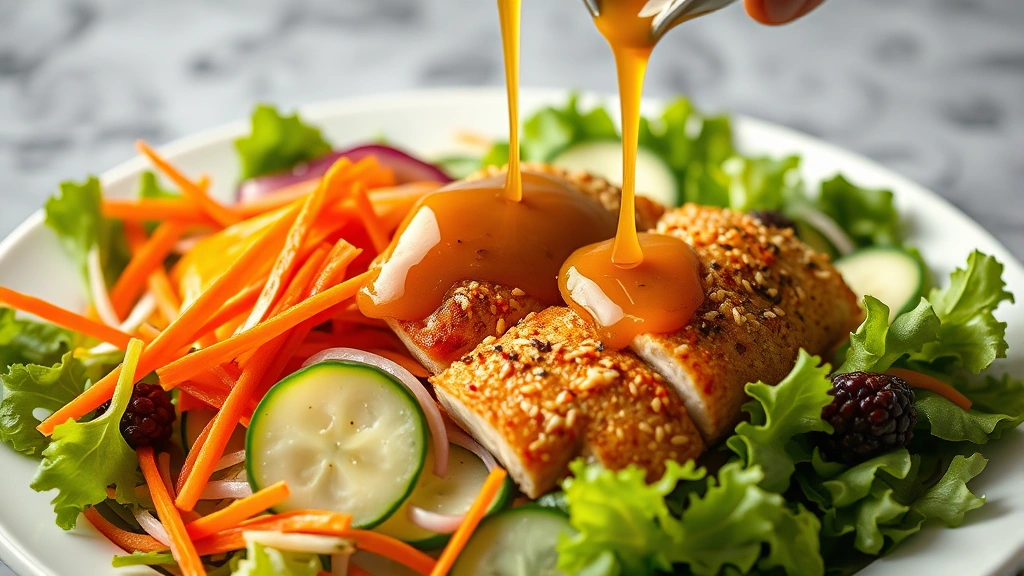
Vegetable Combinations: This dressing shines with crisp vegetables like cucumber, bell peppers, shredded carrots, and snap peas. The acidic components brighten vegetables while the umami adds savory depth.
Protein Pairings: Use this dressing with grilled chicken, shrimp, or tofu for complete meals. The dressing’s brightness cuts through rich proteins beautifully. For meal ideas, explore our collection of healthy chicken recipes that work wonderfully with this dressing.
Grain Bowls: Drizzle over rice, quinoa, or noodle bowls for authentic Asian-inspired grain dishes. The dressing moistens grains while adding flavor complexity.
Vegetable Marinades: Use this dressing as a marinade for grilled vegetables or roasted root vegetables. The acids in the vinegar help tenderize vegetables while infusing them with flavor.
Soup Enhancement: A spoonful of this dressing stirred into warm broths creates depth and complexity. It pairs beautifully with keto soup recipes for added flavor without excess carbohydrates.
Noodle Dishes: Toss with cooled noodles for refreshing cold noodle salads. The dressing coats noodles evenly while maintaining their texture.
Breakfast Applications: Surprisingly, this dressing works on breakfast salads and grain bowls. Try it with quick breakfast recipes featuring vegetables and proteins for a savory morning meal.
Troubleshooting Common Issues
Dressing Tastes Too Salty: Add more rice vinegar and honey proportionally to balance the salt. Alternatively, add a tablespoon of water to dilute the salt concentration. Never discard and start over—adjustments are always possible.
Dressing Tastes Too Sweet: Increase soy sauce or rice vinegar to counterbalance sweetness. Add a pinch of salt to enhance savory notes. Remember that dressing on salad tastes less sweet than in isolation.
Dressing Separates Immediately: This indicates inadequate emulsification. Whisk more vigorously for longer, or use a blender for 30 seconds. Ensure you’re adding oils gradually rather than all at once.
Dressing Tastes Flat: Add a quarter teaspoon more soy sauce or a small pinch of salt. Flatness usually indicates insufficient salt, not missing other flavors. Increase salt gradually and taste frequently.
Sesame Oil Flavor Too Overpowering: Reduce sesame oil to one tablespoon and increase neutral oil to three tablespoons. Balance can be adjusted to your preference without compromising the dressing’s essential character.
Ginger Flavor Too Strong: Reduce fresh ginger to one-half tablespoon, or add a touch more honey to mask the intensity. Alternatively, make fresh dressing with adjusted proportions rather than trying to fix over-gingered batches.
Dressing Won’t Emulsify: Ensure you’re using room-temperature ingredients and adding oils very slowly while whisking constantly. Temperature differences can prevent proper emulsification. If it fails, start with fresh vinegar and soy sauce, then slowly whisk in the separated mixture.
FAQ
Can I make Asian salad dressing without sesame oil?
While possible, sesame oil is essential for authentic flavor. If you must substitute, use a small amount of walnut oil for richness, but understand the dressing will taste different. Sesame oil is inexpensive and widely available, making it worth sourcing for proper results.
Is this dressing suitable for vegan diets?
Yes! This recipe is naturally vegan when made with soy sauce (check labels for animal-derived ingredients), vegetable oil, and plant-based sweeteners. All ingredients listed are vegan-friendly, making this dressing perfect for inclusive meal planning.
Can I use white vinegar instead of rice vinegar?
Not recommended. White vinegar is harsher and more acidic than rice vinegar, resulting in a sharp, unbalanced dressing. Rice vinegar’s subtle sweetness is crucial for the balanced flavor profile chefs appreciate. It’s worth purchasing proper rice vinegar.
How long does homemade dressing last?
Properly stored in an airtight glass container in the refrigerator, this dressing lasts two to three weeks. The flavors actually intensify over time as ingredients infuse. Discard if you notice any off-odors or visible mold.
Can I double or triple this recipe?
Absolutely! The recipe scales well. When multiplying, maintain the same ingredient ratios. Mix in the same order and whisk thoroughly to ensure proper emulsification. Larger batches may require a blender for even distribution.
What’s the difference between rice vinegar and rice wine?
Rice vinegar is fermented rice with acidity, while rice wine (mirin) is fermented rice with residual sweetness. They serve different purposes in this dressing. Rice vinegar provides acidity; mirin adds umami sweetness. Using both creates depth, but rice vinegar is essential while mirin is optional.
Can this dressing be heated?
Gentle heating is acceptable, but avoid boiling, which damages delicate sesame oil’s flavor. Warm dressing slightly if using as a glaze, but don’t exceed 140°F. For best results, serve at room temperature or chilled.
Is this dressing gluten-free?
Most soy sauce contains wheat. For gluten-free versions, use tamari or certified gluten-free soy sauce. All other ingredients are naturally gluten-free. Always verify labels when choosing soy sauce alternatives.
How do I make this dressing creamier?
Add two tablespoons of mayonnaise, Greek yogurt, or silken tofu, then blend thoroughly. This creates a creamy consistency while maintaining the Asian flavor profile. Adjust consistency with additional liquid if needed.
Can I use jarred minced garlic and ginger?
Fresh is always preferable for superior flavor, but jarred versions work in a pinch. Use slightly less jarred versions, as they’re more concentrated than fresh. The dressing will taste acceptable but lack the brightness fresh ingredients provide.


