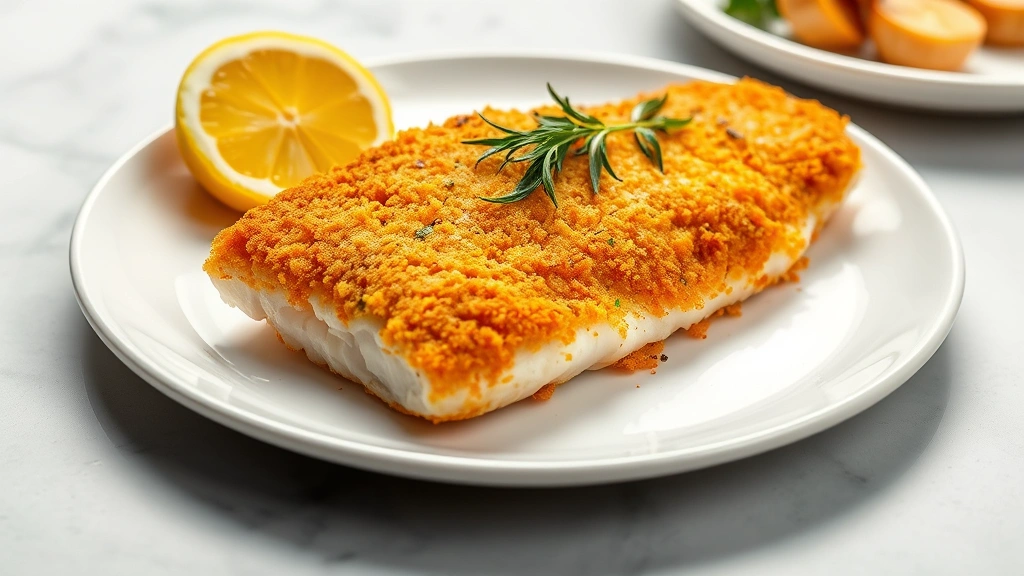
Crispy Baked Mahi Mahi? Chef’s Favorite Recipe
Mahi mahi is one of the most versatile and delicious fish options available to home cooks, yet many people shy away from preparing it because they’re unsure how to achieve that perfect crispy exterior while keeping the interior tender and flaky. This chef-favorite baked mahi mahi recipe solves that problem with a simple technique that delivers restaurant-quality results every single time. Whether you’re cooking for a weeknight dinner or impressing guests at a dinner party, this method ensures your fish comes out golden, crispy, and absolutely delicious.
The secret to crispy baked mahi mahi lies in understanding heat distribution, moisture control, and the right combination of seasonings and coatings. Unlike pan-frying, which requires constant attention and significant oil, baking allows you to achieve crispiness through high heat and strategic preparation. This recipe has become a favorite among professional chefs because it’s foolproof, requires minimal ingredients, and delivers consistent results that rival any seafood restaurant.
Why Mahi Mahi Is Perfect for Baking
Mahi mahi, also known as dorado or dolphinfish, possesses several characteristics that make it ideal for baking. First, it has a firm, dense flesh that holds up well to high heat without becoming mushy or falling apart. This firmness is crucial when you’re trying to achieve crispiness on the outside while maintaining moisture inside. Unlike more delicate white fish varieties, mahi mahi can withstand the aggressive heat required for a crispy crust.
Second, mahi mahi has a mild, slightly sweet flavor that pairs beautifully with a wide range of seasonings and coatings. Whether you prefer Mediterranean herbs, Caribbean spices, or classic lemon and garlic, this fish serves as a perfect canvas. The meat’s natural sweetness doesn’t overpower delicate seasonings, and it stands up equally well to bolder flavor profiles. This versatility means you can serve this recipe alongside everything from a simple burger bowl recipe to more elaborate seafood sides.
Third, mahi mahi is a sustainable and widely available fish that you can find year-round at most grocery stores and fish markets. It’s also relatively affordable compared to other premium fish options, making it perfect for family dinners. The fish’s popularity in both casual and fine dining establishments speaks to its reliability and appeal.
Ingredients and Preparation
For this crispy baked mahi mahi recipe, you’ll need fresh mahi mahi fillets, preferably 6 to 8 ounces each and about 1 to 1.5 inches thick. The thickness is important because thinner fillets will cook too quickly and dry out, while thicker ones ensure proper moisture retention during baking.
Essential Ingredients:
- 2 mahi mahi fillets (6-8 ounces each)
- 3 tablespoons panko breadcrumbs (for superior crispiness)
- 2 tablespoons grated Parmesan cheese
- 1 tablespoon all-purpose flour
- 1 teaspoon garlic powder
- 1 teaspoon paprika
- ½ teaspoon kosher salt
- ¼ teaspoon black pepper
- ¼ teaspoon cayenne pepper (optional)
- 2 tablespoons olive oil
- 1 tablespoon butter
- 2 lemon wedges
- Fresh parsley for garnish
Preparation Steps:
Begin by removing your mahi mahi fillets from the refrigerator about 15 minutes before cooking. This allows them to come to room temperature, ensuring even cooking throughout. Pat them completely dry with paper towels—this step is absolutely critical for achieving crispiness. Any moisture on the surface will create steam, which prevents browning and crispiness. Don’t skip this step.
Next, inspect the fillets for any remaining pin bones and remove them using a fine tweezers or fish bone remover. These small bones are unpleasant to encounter while eating, and removing them takes just a moment. Gently run your fingers along the center of each fillet to locate them.
Season both sides of the fillets with a light sprinkle of salt and pepper, allowing the natural flavors of the fish to shine through. Let them sit for 5 minutes while you prepare your crispy coating.
Creating the Crispy Coating
The coating is where the magic happens. This isn’t just a simple breadcrumb layer—it’s a carefully balanced combination designed to create maximum crispiness while adding flavor. The key is using panko breadcrumbs rather than regular breadcrumbs. Panko has larger, airier particles that create more surface area for browning and crispiness.
Coating Technique:
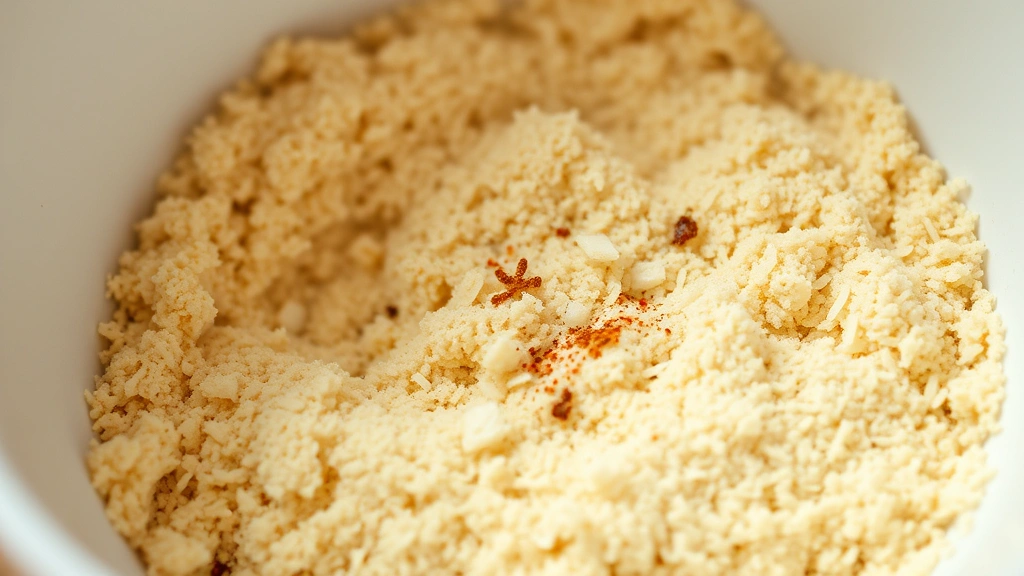
In a shallow bowl, combine panko breadcrumbs, grated Parmesan cheese, all-purpose flour, garlic powder, paprika, salt, pepper, and cayenne pepper. Mix thoroughly, breaking up any clumps. The flour acts as a binder, helping the coating adhere to the fish and creating a more cohesive crust. The Parmesan adds umami flavor and aids in browning, while the spices build a flavorful crust without overwhelming the delicate fish.
In a separate small bowl, combine olive oil and melted butter. This mixture is crucial—the oil provides fat for crisping while the butter adds richness and flavor. The combination of both ensures the coating browns evenly and develops that restaurant-quality appearance.
Pat your seasoned mahi mahi fillets once more with paper towels to ensure absolute dryness. Using a pastry brush or your fingers, apply the oil-butter mixture to the top of each fillet. Then, press the coating mixture firmly onto the oiled surface, using enough pressure so it adheres properly. Don’t be shy—you want a generous, even layer.
Step-by-Step Cooking Instructions
Preheat your oven to 425°F (220°C). This high temperature is essential for creating the crispy exterior. Position your oven rack to the upper-middle position so the fish gets direct heat from above, which helps with browning and crisping.
Line a baking sheet with parchment paper or aluminum foil for easy cleanup and to prevent sticking. If using foil, lightly oil it. Place your prepared mahi mahi fillets on the baking sheet, spacing them at least 2 inches apart to allow air circulation. If the fillets are touching, they’ll steam rather than crisp.
Place the baking sheet in the preheated oven and bake for 12 to 15 minutes, depending on the thickness of your fillets. The fish is done when the internal temperature reaches 145°F (63°C) as measured with an instant-read thermometer. At this temperature, the fish will be opaque throughout and flake easily when tested with a fork.
The coating should be golden brown and crispy. If you notice the coating is browning too quickly but the fish inside isn’t cooked through, reduce your oven temperature to 400°F and cover loosely with foil for the remaining cooking time.
Remove the baking sheet from the oven and let the fillets rest for 2 minutes. This brief rest allows the residual heat to distribute evenly and the coating to set properly, ensuring maximum crispiness when you cut into it.
Serving Ideas and Pairings
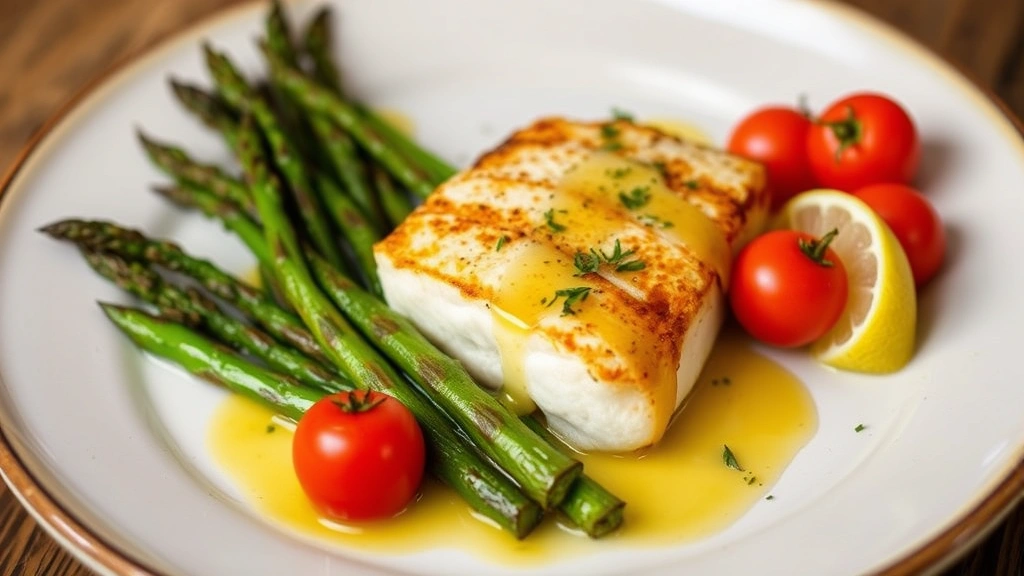
This crispy baked mahi mahi pairs beautifully with numerous side dishes and sauces. For a light, Mediterranean-inspired meal, serve it alongside roasted vegetables like asparagus, zucchini, and cherry tomatoes. The brightness of these vegetables complements the delicate fish perfectly.
For a heartier meal, pair it with roasted potatoes or a yum yum sauce recipe drizzled over rice or cauliflower rice. The creamy sauce adds richness without overwhelming the fish’s natural flavors.
Consider serving with a fresh lemon butter sauce made by whisking together melted butter, fresh lemon juice, minced garlic, and chopped parsley. This sauce enhances the fish’s flavor while adding moisture and richness. Simply drizzle it over the cooked fillets just before serving.
For a more adventurous pairing, try a mango salsa made with fresh mango, red onion, jalapeño, cilantro, and lime juice. The tropical sweetness and brightness cut through the richness of the crispy coating beautifully. This option works especially well if you’re serving this fish at a casual dinner party.
A simple green salad with a vinaigrette is always an excellent side option, providing a light contrast to the crispy, protein-rich fish. The acidity in the vinaigrette cleanses the palate between bites.
Troubleshooting Common Issues
Coating Not Crispy Enough: This usually indicates insufficient oil or butter on the fillet before adding the coating, or the oven temperature was too low. Ensure you’re using the full amount of oil-butter mixture and preheating your oven thoroughly. You can also try increasing the oven temperature to 450°F for the last few minutes of cooking.
Fish Drying Out: Overcooked fish loses its moisture. Use a meat thermometer to ensure you’re not cooking past 145°F internal temperature. Additionally, ensure your fillets are roughly the same thickness for even cooking. If some are thinner, position them on the cooler side of the oven or add them to the oven a few minutes after the thicker fillets.
Uneven Browning: This typically happens when the oven temperature isn’t consistent or the fish isn’t positioned correctly. Rotate your baking sheet halfway through cooking if you notice uneven browning. Also, ensure your oven is properly preheated—use an oven thermometer to verify your oven’s actual temperature, as many ovens run hotter or cooler than indicated.
Coating Falls Off: This happens when the fish isn’t dry enough before coating or when the oil-butter mixture isn’t applied generously enough. Always pat your fillets very dry with paper towels, and don’t skimp on the oil-butter mixture. Press the coating firmly onto the fish, using enough pressure to ensure good adhesion.
Storage and Reheating Tips
Leftover crispy baked mahi mahi can be refrigerated in an airtight container for up to 3 days. However, the coating will lose some of its crispiness as it sits, so consume leftovers within 1 to 2 days for the best texture.
To reheat, place the fillets on a baking sheet and warm in a 350°F oven for about 8 to 10 minutes. This gentle reheating method helps restore some of the crispiness without drying out the fish further. Avoid microwaving, as this will make the fish rubbery and the coating soggy.
For longer storage, you can freeze the cooked fillets for up to 2 months. Wrap them individually in plastic wrap and then place them in a freezer-safe container. Thaw in the refrigerator overnight before reheating.
If you prefer to freeze before cooking, you can prepare the fillets with the coating and freeze them on a baking sheet before transferring to a freezer bag. When ready to cook, there’s no need to thaw—simply add 2 to 3 minutes to the cooking time and bake straight from frozen.
FAQ
Can I use frozen mahi mahi for this recipe?
Yes, but thaw it completely in the refrigerator overnight before cooking. Frozen fish contains excess moisture that will interfere with achieving crispiness. Pat it very dry with paper towels after thawing. Alternatively, you can cook frozen fillets directly in the oven, but increase the cooking time by 3 to 5 minutes and ensure the internal temperature reaches 145°F.
What’s the difference between mahi mahi and other white fish?
Mahi mahi has firmer, denser flesh than many other white fish like cod or flounder, making it ideal for high-heat cooking methods like baking. Its mild, slightly sweet flavor is more pronounced than some delicate white fish varieties, and it holds up better to bold seasonings.
Can I make this recipe with other types of fish?
Absolutely. This recipe works well with firm white fish like halibut, sea bass, or snapper. Avoid very delicate fish like sole or flounder, which may fall apart under the high heat. Adjust cooking times based on thickness—thinner fillets may need only 10 to 12 minutes.
Is this recipe gluten-free?
Not as written because it contains all-purpose flour. To make it gluten-free, substitute with cornstarch or a gluten-free flour blend in equal amounts. The cornstarch actually creates an even crispier coating in some cases.
Can I prepare the fillets ahead of time?
You can coat the fillets up to 2 hours ahead of time and refrigerate them uncovered. However, I recommend cooking them fresh for maximum crispiness. If you do prepare ahead, let them come to room temperature for 10 minutes before baking.
What’s the best way to check if the fish is done?
Use an instant-read meat thermometer, inserting it into the thickest part of the fillet. The fish is done at 145°F internal temperature. Alternatively, the flesh should be opaque throughout and flake easily when tested with a fork.
How does this compare to pan-fried mahi mahi?
Baking requires less hands-on attention and uses less oil than pan-frying, making it healthier and less messy. Pan-frying can be faster and offers more control over browning, but baking is more forgiving and delivers consistently excellent results with minimal effort.
Can I add different seasonings or herbs?
Definitely. Try Italian seasoning, Old Bay seasoning, or Cajun spices for different flavor profiles. Fresh herbs like dill, thyme, or cilantro can be mixed into the coating. You can also add finely grated lemon zest or lime zest to the coating for extra brightness.
What internal temperature should mahi mahi reach?
According to food safety guidelines from the FDA, fish should reach an internal temperature of 145°F (63°C). At this temperature, any harmful bacteria are eliminated and the fish is perfectly cooked without being overdone.
Is mahi mahi sustainable to eat?
Yes, mahi mahi is generally considered a sustainable seafood choice. It’s a fast-growing fish that reproduces quickly, making it a good environmental option. Look for fish labeled as wild-caught from reputable sources or responsibly farmed mahi mahi.


