Table of Contents
Introduction
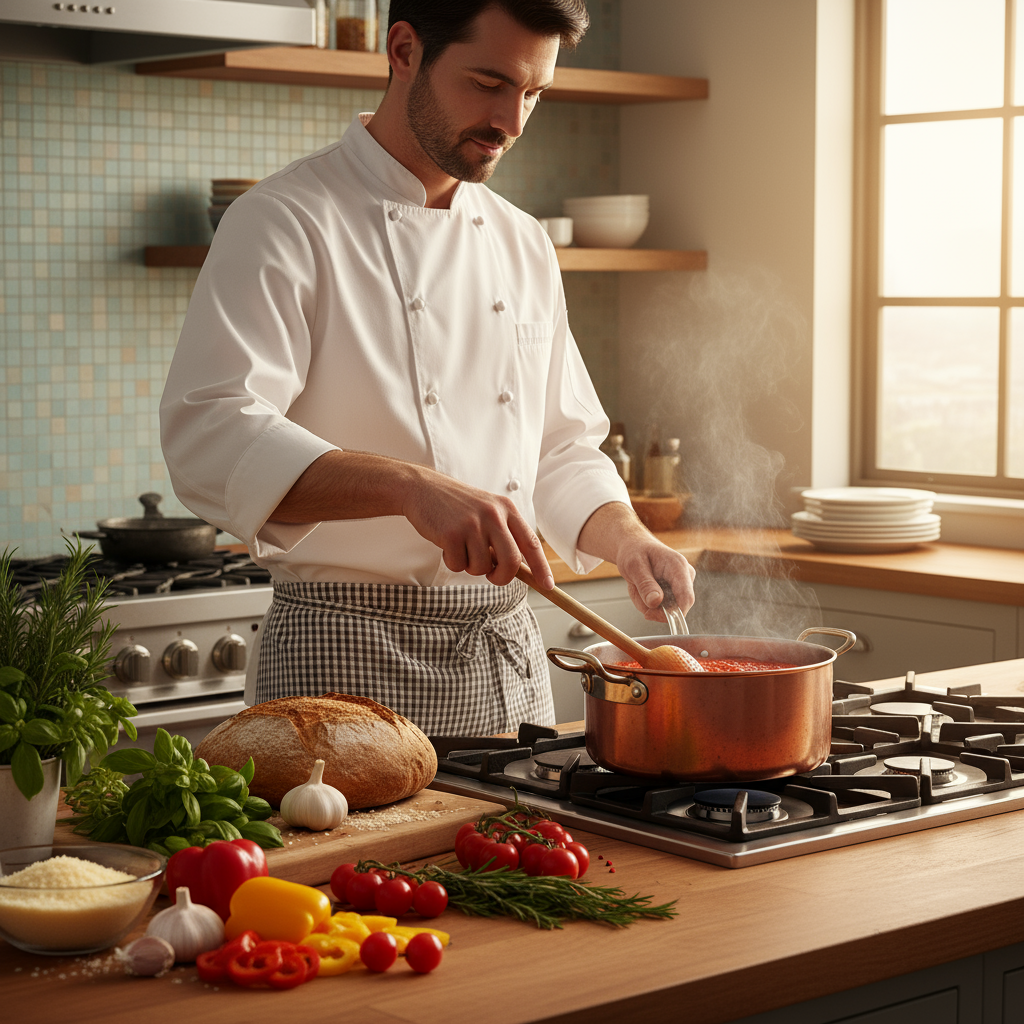
Picture this: you’re stirring a simple pan of pasta when you add just a few spoonfuls of your own homemade sauce. Suddenly, that ordinary Tuesday night dinner transforms into something special. That’s the magic of homemade sauces—they bring a depth of flavor and personal touch that no jar from the store can match. Whether you’re trying to jazz up a weeknight meal or wow guests at dinner, learning to make your own sauces opens up a whole world of delicious possibilities.
Here’s the thing about sauces: they’re not just something you drizzle on top. They’re the soul of a dish. A great sauce can balance flavors, add moisture and richness, and turn basic ingredients into something memorable. When you make them yourself, you get to control every ingredient, tweak flavors exactly how you like them, and accommodate any dietary needs. Plus, homemade sauces are incredibly versatile—start with one base recipe, and you can create dozens of variations.
I get it—making your own sauces might seem intimidating at first. Maybe you’re worried about them turning out lumpy, or you think it’s too complicated. But once you nail down a few basic techniques and know which ingredients to keep on hand, you’ll wonder why you waited so long to try. It’s actually pretty forgiving, and the confidence you’ll gain opens up so much creative freedom in the kitchen. If you’re looking for more ways to upgrade your cooking game, checking out best healthy food recipes can give you plenty of inspiration for your meal planning.
There’s another bonus to making sauces at home: you’ll probably end up wasting less food. Got some herbs that are about to turn? Leftover vegetables? Random pantry ingredients? Perfect sauce material. This kind of mindful cooking is becoming more important to a lot of us these days. You might find some helpful strategies in food waste reduction tips that work perfectly with your sauce-making adventures. And if you’re curious about whether to splurge on organic ingredients for your sauces, organic vs non-organic food breaks down what you need to know.
What You’ll Learn in This Guide
We’re going to walk through everything you need to become confident with homemade sauces. No fluff, just practical stuff that works. Here’s what we’ll cover:
- Basic Techniques and Ingredients: The fundamental methods and pantry staples that form the foundation of great sauces. We’ll break down key ingredients from herbs and spices to thickeners and acids—no guesswork involved.
- Classic Homemade Sauces: How to master the big three—tomato-based, cream-based, and herb/oil-based sauces. We’ll give you foolproof recipes and insider tips to get you started on the right foot.
- Flavor and Texture Tips: The secrets to balancing sweet and tangy, choosing the best fresh herbs, and getting that perfect consistency every time. Plus, we’ll help you avoid those frustrating moments with lumpy or burnt sauces.
- Storage and Usage: Smart ways to store your sauces (including freezer tricks), creative pairing ideas, and the best methods for reheating without losing that fresh-made taste.
As we go along, you’ll discover that sauce-making isn’t just doable—it’s actually really satisfying. There’s something deeply rewarding about creating these flavor-packed additions that make every meal better. If you want to get even more thoughtful about your ingredients, learning about benefits of omega 3 fatty acids and importance of dietary fiber can help you make smarter choices for both taste and health.
By the time we’re done, you’ll have a solid arsenal of versatile sauces, know how to troubleshoot when things go sideways, and feel confident about when it’s worth making your own versus grabbing something from the store. Want to expand your cooking skills beyond sauces? Quick breakfast recipes offers some great ideas for easy, healthy meals anytime. And if you’re the type who loves diving deep into food culture, top food documentaries will give you some fascinating stories about what we eat and why.
Ready to get started? By the end of this guide, making your own sauces will feel natural—and your family and friends will definitely notice the difference. Fresh, flavorful, and totally personalized to your taste. Let’s dive in and discover just how much these simple additions can transform your everyday cooking!

Here’s the thing about homemade sauces—they’re absolute game-changers. Seriously. Once you start making your own, store-bought versions taste flat and boring. You get to control every ingredient, ditch the preservatives, and create flavors that are uniquely yours. Plus, there’s something deeply satisfying about stirring a pot and watching simple ingredients transform into something magical.
Basic Techniques and Essential Ingredients for Sauce Making
Let’s start with your sauce-making arsenal. Think of these as your trusty sidekicks: good olive oil, fresh herbs and spices, thickeners like flour and cornstarch, and acidic ingredients like vinegar or lemon juice. These basics will get you pretty far in the sauce world.
But here’s where it gets interesting—technique matters just as much as ingredients. Learning to sauté properly means your garlic won’t burn (we’ve all been there). Deglazing? That’s just a fancy word for scraping up those gorgeous brown bits from your pan with a splash of wine or stock. Pure gold. And when you’re simmering and reducing, you’re basically concentrating all those flavors into something incredible. For anyone curious about ingredient quality and how it impacts your cooking, our guide on organic vs non-organic food dives deep into choosing the best ingredients for your kitchen.
The real secret? Understanding how flavors work together. Herbs and spices aren’t just seasoning—they’re the personality of your sauce. Oils and fats bring richness, but they also carry flavors in ways that water simply can’t. Thickeners are your texture control, preventing that dreaded watery disaster or cement-thick sauce that won’t budge from the spoon. And here’s a pro tip: those browned bits from cooking meat? Pure flavor treasure. Deglaze that pan and work them into your sauce for serious depth. If you’re thinking about kitchen efficiency while you cook, check out our food waste reduction tips to make the most of every ingredient.
Key Aspects of Basic Techniques and Ingredients
Master these fundamentals, and you’ll be making restaurant-quality sauces at home:
- Common Herbs and Spices: Fresh basil transforms a simple tomato sauce, while thyme adds earthiness to cream sauces. Paprika brings warmth, and black pepper? It’s not just for finishing—it builds flavor from the ground up.
- Oils and Fats: Your choice here shapes everything. Olive oil brings fruity notes, butter adds richness, and in emulsified sauces like mayo or vinaigrette, the fat is literally holding everything together.
- Thickeners like Flour and Cornstarch: These are your texture heroes. Flour gives body and richness, cornstarch creates glossy, clear sauces. The trick is knowing which one to use when (and how to avoid lumps—nobody wants those).
- Acids such as Vinegar and Citrus Juice: This is your secret weapon for balanced flavor. A splash of acid brightens heavy sauces and makes everything taste more alive. It’s the difference between “meh” and “wow.”
Once you’ve nailed these basics, you’re ready to tackle the classics. Each traditional sauce has its own personality and tricks—think of them as different chapters in your sauce-making story.
Popular Homemade Sauces to Master
Ready to dive into the classics? These sauces will expand your cooking horizons and give you serious kitchen confidence. Tomato-based sauces like marinara and pomodoro are where many of us start—and for good reason. They’re forgiving, versatile, and absolutely delicious. Cream sauces like béchamel and Alfredo might seem intimidating, but once you get the hang of them, you’ll be adding silky richness to everything. Then there are the fresh, vibrant herb and oil sauces—pesto and chimichurri—that bring brightness to grilled meats and vegetables. Speaking of pairing, if you’re interested in making fresh pasta to go with these sauces, our guide on how to make homemade pasta is perfect for creating those restaurant-quality combinations at home.
Each sauce family has its own quirks and personality. Tomato sauces reward patience—slow simmering builds that deep, complex flavor that makes your kitchen smell like heaven. Cream sauces need gentle heat and constant attention (turn your back, and you might end up with scrambled cream). Pesto is all about balance—too much oil and it’s greasy, too little and it won’t come together. The beauty is in the variation. Once you understand the foundation, you can riff endlessly. Want inspiration from sauce traditions around the world? Check out our list of top food documentaries for some serious culinary motivation.
Key Aspects of Popular Sauce Varieties
Here’s your starter pack for classic sauce mastery:
- Tomato-Based Sauces: Marinara brings robust, herb-forward flavor that’s perfect for pasta night. Pomodoro keeps it simple with pure tomato goodness. And don’t sleep on fresh salsa—it’s technically a sauce and brightens up everything it touches.
- Cream-Based Sauces: Béchamel is your smooth, mild foundation sauce (master this, and you can make lasagna like a pro). Alfredo is pure indulgence—cream, butter, cheese perfection. Mornay takes béchamel up a notch with melted cheese goodness.
- Herb and Oil-Based Sauces: Pesto is summer in a bowl—basil, pine nuts, Parmesan, and olive oil creating magic. Chimichurri brings tangy, garlicky brightness that makes everything taste better. And simple garlic oil? Sometimes the simplest things are the most elegant.
- Technique Variation and Flavor Profiles: Each sauce has its own rhythm. Some need slow patience, others require quick whisking. Learning these rhythms is what separates good cooks from great ones.

Here’s the thing about making sauces from scratch—it changes everything. Once you start creating your own, those store-bought jars just won’t cut it anymore. We’ve covered a lot of ground together: the essential ingredients (herbs, oils, thickeners, acids), the techniques that actually matter (sautéing, deglazing, emulsifying), and how to balance flavors so your dishes sing instead of just existing on the plate. When you make your own sauces, you control every single element. The freshness? Unmatched. The flavor? Exactly how you want it.
But let’s be real—sauce-making isn’t just about following recipes. It’s about those little tricks that save you from disaster. You know, like how to rescue a lumpy sauce (we’ve all been there) or prevent that heartbreaking moment when your cream sauce breaks. Proper storage techniques? They’re game-changers too. Your homemade creations can actually last longer than you’d think, and they taste better than anything you’ll find on a shelf. Plus, there’s something deeply satisfying about using up those leftover herbs before they go bad. It’s like solving a delicious puzzle every time you cook.
Ready to take this further? Your sauce skills are going to pair beautifully with our guide on how to make homemade pasta—because honestly, fresh pasta with your own sauce is basically magic on a plate. Want to keep the healthy momentum going? Check out our collection of best healthy food recipes that’ll make perfect canvases for your sauce creations. And if you’re like me and hate throwing food away, our food waste reduction tips will show you how to turn every scrap into something delicious. Trust me, once you start thinking like this, your whole approach to cooking shifts.
Making your own sauces isn’t just cooking—it’s taking back control. Control over what goes into your food, how it tastes, and what kind of meals you put on your table. Sure, it takes a little practice. (My first béarnaise was… let’s just say it was a learning experience.) But that’s the beauty of it. Every sauce you make teaches you something new. Every experiment—even the failures—gets you closer to that perfect flavor you’re chasing. So go ahead, get your hands dirty. Make mistakes. Taste as you go. Your family and friends are going to wonder what happened to your cooking. In the best possible way.
Frequently Asked Questions
-
What are the easiest sauces to make at home?
- Simple tomato sauce, pesto, and béchamel are great starting points for beginners, offering straightforward techniques and versatile uses.
-
How long can homemade sauces be stored?
- Generally, refrigerated sauces last about 3-5 days; freezing them can extend their shelf life up to 3 months when stored properly.
-
Can I freeze homemade sauces?
- Yes, most sauces freeze well. Use airtight containers or freezer bags to maintain flavor and texture during storage.
-
What should I do if my sauce is too thick?
- Thin it with small amounts of water, stock, or milk, depending on the sauce type, to achieve the desired consistency.
-
How can I avoid lumps in my sauce?
- Slowly add thickeners while stirring constantly, use proper heating techniques, and whisk thoroughly to ensure smooth texture.