Chick-fil-A Kale Salad? Home Chef’s Copycat Recipe!
If you’ve fallen in love with Chick-fil-A’s Market Salad featuring crisp kale, tender chicken, and that signature apple cider vinaigrette, you’re not alone. This beloved fast-casual menu item has captured the hearts of health-conscious diners everywhere. But here’s the secret: you can recreate this restaurant favorite right in your own kitchen with fresher ingredients, better portion control, and a fraction of the cost.
The beauty of making a Chick-fil-A kale salad copycat recipe at home is that you control every element. Want more kale? Add it. Prefer organic chicken? Use it. Looking to boost the protein? We’ll show you how. This comprehensive guide walks you through building an authentic recreation that tastes just like the original, with restaurant-quality results from your own prep space.
Why Recreate This Salad at Home
The Chick-fil-A Market Salad has been a menu staple for good reason. It combines nutrient-dense ingredients with satisfying flavors, making it an ideal choice for those seeking high protein recipes for weight loss or simply wanting a wholesome meal. However, several compelling reasons make creating your own version worthwhile.
First, cost efficiency matters. A single salad from the chain can run $9-12, depending on location and protein additions. Making this at home costs roughly $4-6 per serving, allowing you to prepare multiple servings for the week. Second, ingredient transparency ensures you know exactly what’s going into your body—no mystery additives or excess sodium. Third, customization is unlimited. Prefer more apples? Add them. Want extra nuts for crunch? Go ahead. Looking to incorporate protein ball recipe concepts into your salad prep? You can do that too.
Making salads at home also develops valuable kitchen skills. You’ll learn proper kale preparation, protein cooking techniques, and vinaigrette emulsification—knowledge that extends far beyond this single recipe.
Essential Ingredients Breakdown
Before you begin, gather these carefully selected ingredients that mirror the Chick-fil-A version:
- Kale: 2 cups curly kale, firmly packed (about 3-4 ounces). Curly kale provides the signature texture and stands up better to massage and dressing than other varieties.
- Chicken Breast: 8 ounces boneless, skinless chicken breast. This delivers the lean protein foundation that makes the salad so satisfying.
- Granny Smith Apples: 1 medium apple, sliced thin. The tartness balances the kale’s bitterness perfectly.
- Blueberries: ½ cup fresh blueberries. These add natural sweetness, antioxidants, and visual appeal.
- Roasted Almonds: ¼ cup sliced roasted almonds. They provide crunch and healthy fats essential for nutrient absorption.
- Sunflower Seeds: 2 tablespoons raw sunflower seeds. These contribute additional texture and a subtle nutty flavor.
- Low-Fat Feta Cheese: ¼ cup crumbled feta. The tanginess complements the apple cider vinaigrette beautifully.
- Apple Cider Vinegar: 3 tablespoons. This is the backbone of the signature dressing.
- Extra Virgin Olive Oil: 6 tablespoons. Quality oil makes a noticeable difference in the vinaigrette.
- Dijon Mustard: 1 teaspoon. Acts as an emulsifier and adds subtle depth.
- Honey: 1 tablespoon. Balances acidity with natural sweetness.
- Garlic: 1 clove, minced. Provides aromatic complexity.
- Salt and Black Pepper: To taste.
Preparing the Perfect Kale Base
Many home cooks make the mistake of using raw kale straight from the bag. The Chick-fil-A version uses kale that’s been properly treated—lightly massaged to break down tough fibers and make it more palatable. Here’s the professional technique:
- Wash and Dry: Rinse your kale under cold water and pat completely dry using paper towels or a salad spinner. Moisture is the enemy of a crisp salad.
- De-stem: Hold the kale leaf at the base and run your fingers upward, separating the tender leaf from the tough central stem. Discard stems or save them for vegetable broth.
- Chop: Cut the kale into bite-sized pieces, approximately 1-2 inches. Uniform sizing ensures even coating with dressing.
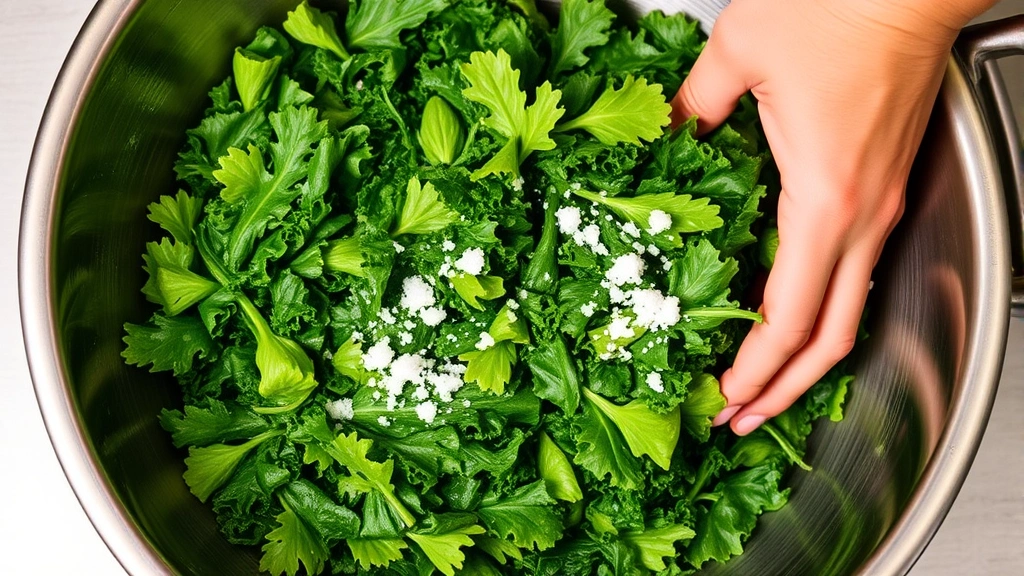
- Massage: Place kale in a large bowl and drizzle with ½ teaspoon of olive oil and a pinch of salt. Using your hands, massage the kale for 2-3 minutes. You’ll feel the leaves soften and darken slightly. This step is crucial—it breaks down the cellular structure, making the kale tender without cooking.
- Rest: Allow the massaged kale to sit for 5 minutes before adding other ingredients. This allows the salt to further tenderize the leaves.
This preparation method ensures your kale base matches the texture and mouthfeel of the restaurant version. The leaves should be tender yet maintain their structural integrity.
Cooking Chicken Like Chick-fil-A
The chicken in the Chick-fil-A kale salad is notably tender, juicy, and properly seasoned. Achieving this requires precision in both cooking method and timing. Here’s how to replicate their technique:
Brining Method (Recommended for Maximum Juiciness):
- Prepare a simple brine by dissolving 2 tablespoons of salt in 2 cups of water. The salt penetrates the chicken breast, helping it retain moisture during cooking.
- Submerge your 8-ounce chicken breast in the brine and refrigerate for 30 minutes to 2 hours. Don’t exceed 4 hours, as the chicken can become overly salty.
- Remove the chicken and pat it dry with paper towels. Pat drying is essential—moisture on the surface prevents proper browning.
- Season the exterior with salt, black pepper, and ¼ teaspoon garlic powder.
- Heat 1 tablespoon of olive oil in a large skillet over medium-high heat until shimmering.
- Place the chicken breast in the pan and cook for 6-7 minutes without moving it. This creates a golden crust and locks in juices.
- Flip and cook for another 6-7 minutes until the internal temperature reaches 165°F (74°C) when measured with a meat thermometer at the thickest point.
- Remove the chicken to a cutting board and let it rest for 5 minutes. This allows juices to redistribute throughout the meat.
- Slice the chicken against the grain into ¼-inch strips. Slicing against the grain shortens muscle fibers, resulting in more tender bites.
Quick Pan-Sear Method (For Busy Weeknights):
If you’re short on time, skip the brine and simply season the chicken generously, then pan-sear as described above. The result won’t be quite as juicy, but it’s still delicious and takes only 15 minutes total.
Mastering the Apple Cider Vinaigrette
The signature dressing is what elevates this salad from ordinary to exceptional. This vinaigrette must be perfectly balanced—tart but not harsh, sweet but not cloying. Here’s the professional approach to emulsification:
- In a small bowl or jar, combine 3 tablespoons apple cider vinegar, 1 teaspoon Dijon mustard, 1 tablespoon honey, 1 minced garlic clove, ¼ teaspoon salt, and ⅛ teaspoon black pepper.
- Whisk these ingredients together vigorously for about 30 seconds. The mustard acts as an emulsifier, helping oil and vinegar blend together.
- While whisking constantly, slowly drizzle in 6 tablespoons of extra virgin olive oil. This gradual addition is crucial—pour too quickly and the vinaigrette breaks and separates.
- Continue whisking until the mixture becomes creamy and slightly thickened. This should take 2-3 minutes total.
- Taste and adjust: Add more honey if you want it sweeter, more vinegar if you want more tartness, or more salt if the flavors taste muted.
- Let the vinaigrette rest for 10 minutes before using. This allows flavors to meld and the emulsion to stabilize.
Pro Tip: If you’re making this in advance, store the vinaigrette in a mason jar. Shake vigorously for 30 seconds before each use to re-emulsify if it has separated.
This vinaigrette is versatile beyond this salad. Use it on grain bowls, roasted vegetables, or as a marinade for grilled proteins. Understanding how to build a proper emulsified vinaigrette is fundamental culinary knowledge that improves countless dishes.
Building Your Salad Bowl
Assembly order matters when constructing a salad. Here’s the professional method that prevents sogginess and ensures each bite has balanced flavors and textures:
- Start with the Base: Place your prepared and massaged kale in a large bowl or on a plate. The hearty greens form the foundation and can handle dressing without wilting.
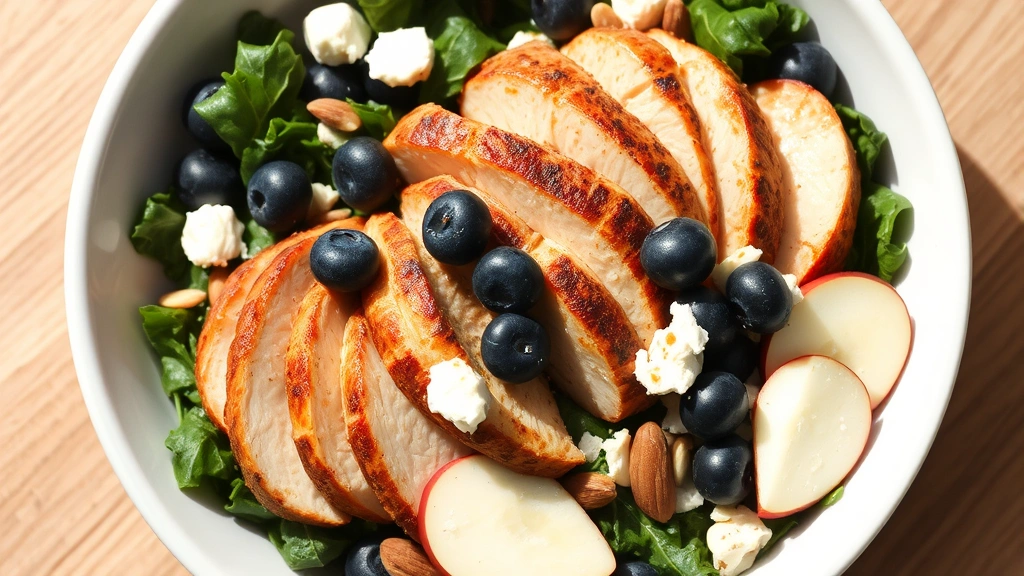
- Add Protein: Arrange your sliced chicken breast over the kale. Warm chicken is ideal, as it slightly warms the kale without cooking it further.
- Distribute Fruits: Scatter the thin Granny Smith apple slices and fresh blueberries evenly across the salad. The apple’s tartness complements the kale, while blueberries add bursts of sweetness.
- Sprinkle Cheese: Add the crumbled feta cheese over the fruit layer. The tanginess of feta bridges the gap between the sweet and savory elements.
- Add Crunch: Top with sliced roasted almonds and sunflower seeds. Wait to add these until the last moment before eating—nuts absorb dressing and lose their crunch over time.
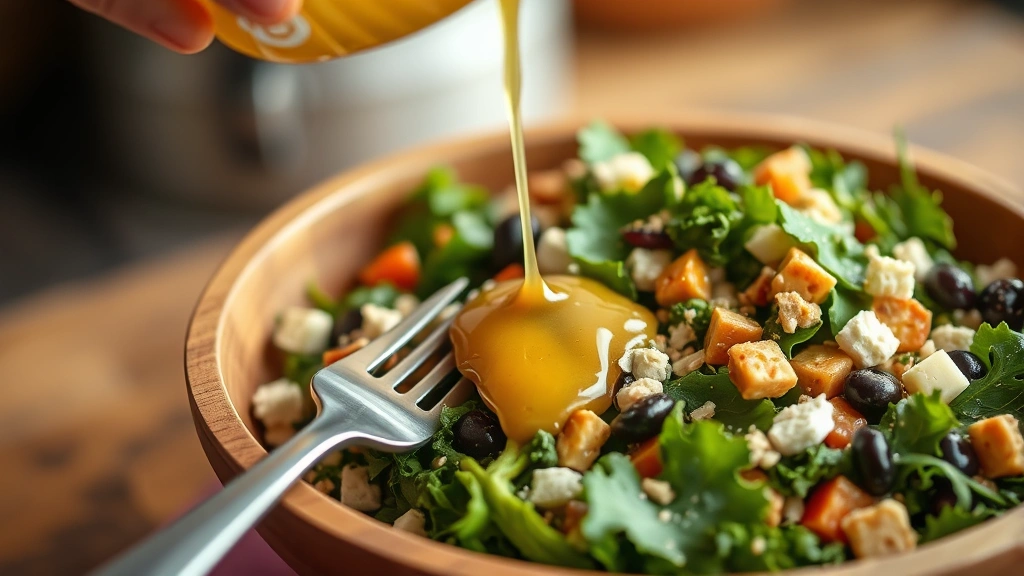
- Dress Just Before Serving: Drizzle 3-4 tablespoons of vinaigrette over the entire salad. Toss gently but thoroughly, ensuring every component gets coated.
For best results, dress the salad within 5 minutes of eating. If you’re preparing this for meal prep, keep the dressing separate and add it only when you’re ready to eat. This prevents the kale from becoming overly soft and maintains the almonds’ crispness.
Storage and Make-Ahead Tips
One major advantage of preparing this salad at home is the ability to meal prep efficiently. Here’s how to store each component for maximum freshness:
Kale Base: Store massaged kale in an airtight container with a paper towel to absorb excess moisture. It keeps for 3-4 days and actually improves slightly as it continues to soften. The paper towel prevents condensation that leads to sliminess.
Cooked Chicken: Store sliced chicken in a separate airtight container. It lasts 3-4 days refrigerated. You can eat it cold or reheat it gently in a skillet over medium heat for 2-3 minutes.
Apple Slices: To prevent browning, toss apple slices with a squeeze of fresh lemon juice and store in a sealed container. They last 2-3 days this way.
Blueberries: Keep them in their original container or transfer to an airtight container. They last up to a week refrigerated.
Nuts and Seeds: Store these separately in an airtight container at room temperature. They maintain their crispness for up to 2 weeks.
Vinaigrette: Store in a mason jar or glass container. It keeps for 5-7 days refrigerated. The flavors actually improve slightly as the ingredients meld together.
By storing components separately, you can assemble fresh salads throughout the week without any ingredients losing their appeal. This approach is far superior to pre-assembled salads, which become soggy within hours.
Nutritional Information
Understanding the nutritional profile helps you make informed decisions about portions and frequency. Here’s the breakdown for one serving (using the measurements above):
- Calories: Approximately 420-450 calories
- Protein: 28-32 grams (primarily from chicken)
- Carbohydrates: 25-28 grams (from apple, blueberries, and seeds)
- Fat: 22-25 grams (mostly unsaturated from olive oil, almonds, and seeds)
- Fiber: 4-5 grams (from kale and seeds)
- Sodium: 380-420 mg (significantly lower than the restaurant version)
This salad makes an excellent choice for those following high protein recipes for weight loss protocols. The balance of lean protein, healthy fats, and complex carbohydrates keeps you satisfied for hours while supporting muscle maintenance and metabolic health.
The homemade version contains considerably less sodium than the restaurant version, making it ideal for those monitoring salt intake. The use of real, whole ingredients also means you’re getting more bioavailable nutrients and fewer additives.
FAQ
Can I use a different type of kale?
While curly kale is traditional and provides the signature texture, you can substitute Lacinato (dinosaur) kale or red kale. Both are slightly less bitter and more tender than curly varieties. However, they’ll yield a slightly different eating experience. For the most authentic Chick-fil-A recreation, stick with curly kale.
What if I don’t have apple cider vinegar?
You can substitute white wine vinegar or red wine vinegar in equal amounts, though the flavor will be slightly different. Apple cider vinegar’s unique character is hard to replicate perfectly, but these alternatives work in a pinch. Avoid distilled white vinegar, which tastes too harsh.
How can I make this salad vegan?
Replace the chicken with baked tofu or tempeh seasoned identically to the chicken recipe. Use nutritional yeast instead of feta cheese for a tangy, umami-rich element. Everything else remains the same. The resulting salad is equally delicious and maintains the nutritional balance.
Can I prepare this salad the night before?
Assemble everything except the dressing and nuts. Store the bowl covered in the refrigerator. In the morning, add dressing and nuts just before eating. The kale will be slightly softer than a fresh salad but still delicious.
What’s the best way to reheat leftover chicken for this salad?
Place sliced chicken in a skillet over medium heat with a splash of water or chicken broth. Cover and heat for 2-3 minutes until warmed through. This prevents drying. Alternatively, microwave on 50% power for 1-2 minutes, checking halfway through.
How do I prevent the salad from getting soggy?
The key is keeping components separate until the moment you eat. Dress only the portion you’re consuming immediately. The massaged kale can handle dressing better than delicate greens, but nuts should always be added last to maintain their crunch.
Can I double or triple this recipe for meal prep?
Absolutely. Scale all ingredients proportionally and store components separately. You can assemble 3-4 days’ worth of salads this way. Keep dressing, nuts, and apple slices separate until serving time.
What external resources help me master salad-making techniques?
Check out Culinary Schools Organization for foundational cooking techniques. Serious Eats offers detailed food science explanations for why certain techniques work. Food & Wine Magazine provides recipe inspiration and chef techniques. The Kitchn focuses on practical home cooking approaches. Finally, Bon Appétit covers both technique and flavor development for ambitious home cooks.
Creating your own Chick-fil-A kale salad at home is easier than you might think, and the results rival the restaurant version while offering superior freshness and value. By following these detailed instructions and understanding the why behind each step, you’ll develop skills that extend far beyond this single recipe. Start with one batch, adjust seasonings to your preference, and soon you’ll be making this salad from memory—a true mark of culinary confidence.


