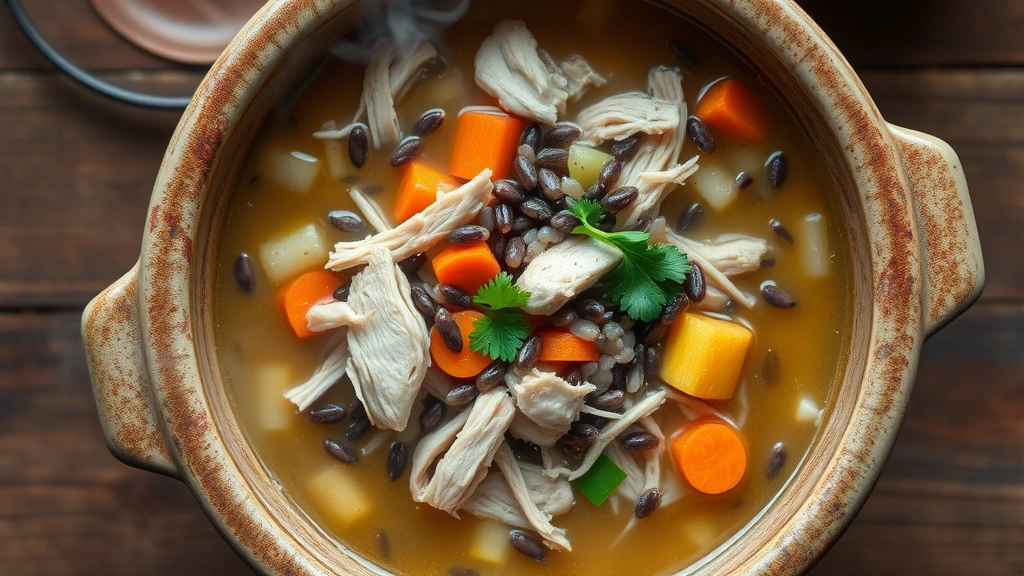
Cozy Chicken & Wild Rice Soup: A Family Favorite Recipe
There’s something truly magical about a steaming bowl of chicken and wild rice soup on a chilly evening. This classic comfort food combines tender chicken, nutty wild rice, and aromatic vegetables in a rich, savory broth that warms you from the inside out. Whether you’re cooking for your family on a weeknight or preparing a hearty meal for guests, this recipe delivers restaurant-quality results with minimal fuss.
What makes this soup so beloved is its perfect balance of wholesome ingredients and deep, satisfying flavors. The wild rice adds a wonderful texture and earthiness, while the chicken provides lean protein that makes this dish both nourishing and delicious. Unlike heavy cream-based soups, this version relies on quality broth and natural thickening to create a comforting consistency that feels indulgent without being overly rich.
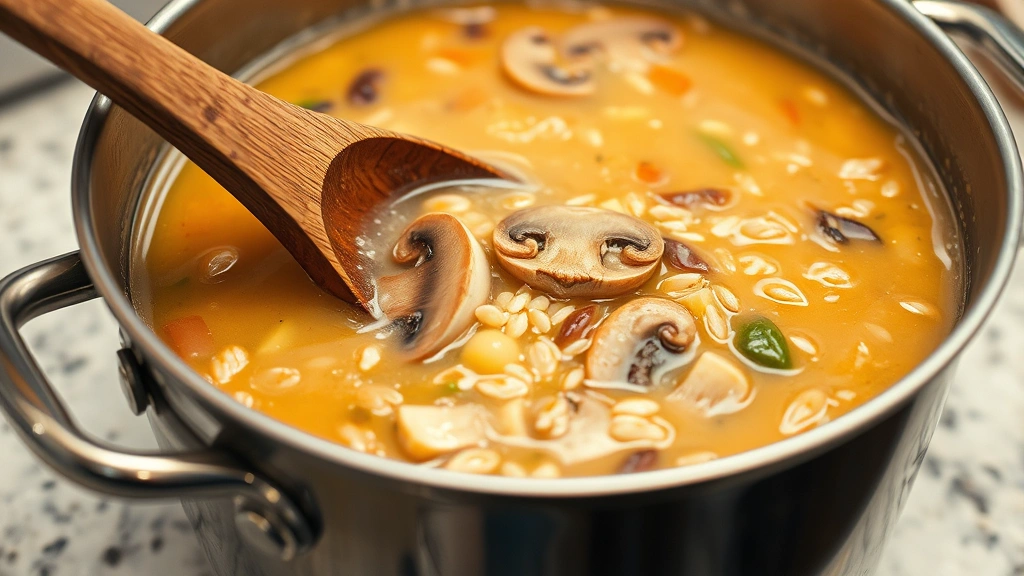
Why This Soup Works
Chicken and wild rice soup has earned its place as a family favorite for several compelling reasons. First, the ingredient combination creates a naturally balanced meal with protein, vegetables, and whole grains all working together. The wild rice provides fiber and a distinctive nutty flavor that sets this soup apart from ordinary chicken noodle soup.
The cooking method allows all the flavors to meld beautifully over time. As the wild rice simmers, it releases starches that help create a naturally thick, creamy texture without requiring cream or heavy thickening agents. This means you get comfort food satisfaction with a lighter nutritional profile. The long, gentle cooking process also ensures that the chicken becomes incredibly tender and absorbs all the savory flavors from the broth and aromatics.
This recipe is also incredibly forgiving and adaptable. Whether you have fresh herbs on hand or prefer dried, whether you want to use a pressure cooker for faster results or prefer the traditional stovetop method, this soup accommodates your preferences and available equipment beautifully.
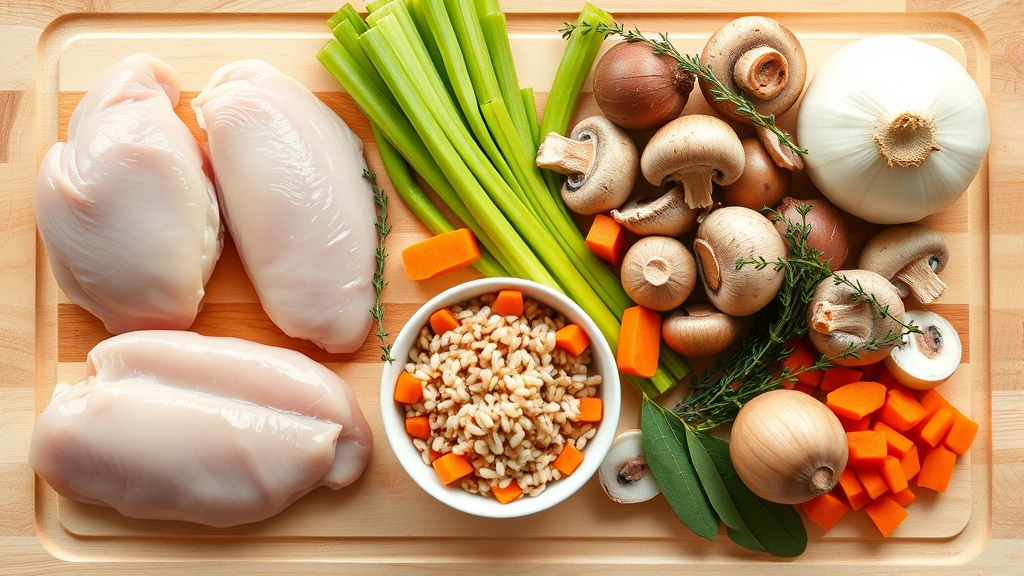
Essential Ingredients
Before you begin, gather these quality ingredients for the best results:
- Chicken: Two pounds of boneless, skinless chicken breasts or thighs work equally well. Thighs offer slightly more flavor and moisture, while breasts provide a leaner option. You can also use a rotisserie chicken for even faster preparation.
- Wild rice: One cup of true wild rice (not wild rice blends, which contain white rice). Wild rice takes longer to cook but offers superior texture and nutty flavor.
- Chicken broth: Eight cups of quality chicken broth forms the flavor foundation. Use low-sodium broth so you can control the salt level throughout cooking.
- Carrots: Two medium carrots, diced into bite-sized pieces. Carrots add natural sweetness and vibrant color.
- Celery: Two stalks of celery, diced. Celery provides aromatic depth and classic soup flavor.
- Onion: One large yellow onion, diced. The onion caramelizes slightly during cooking, adding complexity.
- Mushrooms: Eight ounces of mushrooms (cremini or button), sliced. Mushrooms add umami richness and meaty texture.
- Herbs: Two teaspoons of fresh thyme (or one teaspoon dried), one bay leaf, and fresh parsley for garnish.
- Seasonings: Salt, black pepper, and a pinch of garlic powder round out the flavor profile.
- Oil: Two tablespoons of olive oil for sautéing the aromatics.
Step-by-Step Instructions
Preparation Phase (10 minutes):
Begin by rinsing your wild rice thoroughly under cold water, stirring it with your fingers to remove any debris. This simple step prevents any gritty texture in the finished soup. Pat the chicken dry with paper towels—this helps it brown more effectively and develop deeper flavor.
Dice your vegetables into uniform, bite-sized pieces. Even-sized pieces cook at the same rate, ensuring consistent texture throughout the soup. Aim for half-inch cubes for carrots and celery, and slightly smaller pieces for onion so it breaks down into the broth.
Building Flavor (5 minutes):
Heat olive oil in a large, heavy-bottomed pot over medium-high heat. Once the oil shimmers, add your diced onion, carrots, and celery. This aromatic base, known as mirepoix in culinary traditions, creates the foundational flavor layer. Sauté for three to four minutes, stirring occasionally, until the vegetables begin to soften and release their aromas. The onion should become translucent at the edges.
Add your sliced mushrooms to the pot and cook for another two minutes. The mushrooms will release their moisture and begin to brown slightly, concentrating their savory umami flavors. This step is crucial for depth—don’t skip it.
Cooking the Chicken (30 minutes):
Pour the eight cups of chicken broth into the pot, scraping up any browned bits from the bottom with a wooden spoon. These flavorful bits, called fond, dissolve into the broth and add tremendous depth. Add the rinsed wild rice, whole chicken breasts or thighs, bay leaf, thyme, and a generous pinch of salt and pepper.
Bring the mixture to a boil, then reduce heat to medium-low and maintain a gentle simmer. Partially cover the pot with a lid, leaving it slightly ajar to allow steam to escape. Simmer for twenty-five to thirty minutes until the wild rice is tender and has burst slightly, and the chicken is cooked through (internal temperature of 165°F).
Final Assembly (5 minutes):
Remove the chicken from the pot using tongs and place it on a cutting board. Let it cool for two to three minutes, then shred it into bite-sized pieces using two forks. Return the shredded chicken to the pot, discarding the bay leaf.
Taste the soup and adjust seasonings as needed. The wild rice and vegetables will have released starches, creating a naturally thick, creamy consistency. If you prefer a thicker soup, simmer uncovered for an additional five to ten minutes. If it’s too thick, add more broth or water in quarter-cup increments.
Ladle into bowls and garnish with fresh parsley and a crack of black pepper.
Cooking Techniques & Tips
Understanding the why behind each technique helps you achieve perfect results every time. The gentle simmering temperature is crucial—a rolling boil can toughen the chicken and make the wild rice burst unevenly. Think of simmering as a conversation: you should see occasional bubbles breaking the surface, not a constant rolling action.
The order of ingredient addition matters significantly. Adding the chicken to cold broth and bringing everything up to temperature together ensures even cooking. If you add cold chicken to already-simmering broth, the exterior cooks faster than the interior, potentially resulting in dry meat.
For those seeking faster preparation, pressure cooker cooking reduces time dramatically, bringing everything to tender perfection in under twenty minutes. The sealed environment of a pressure cooker allows wild rice to soften more quickly while keeping the chicken moist.
When shredding chicken, slightly warm meat shreds more easily than completely cooled meat. The warmth makes the muscle fibers more pliable. Use two forks held back-to-back, pulling them apart in opposite directions for uniform, bite-sized pieces.
The natural thickening that occurs in this soup comes from the starch released by the wild rice. As the rice cooks, its outer layers break down and release this starch into the broth, creating a silky, naturally thick consistency. This is why you don’t need cream or cornstarch—the ingredients do the work for you.
Variations & Customizations
One of this soup’s greatest strengths is its flexibility. Consider these variations to match your preferences or pantry availability:
Cream Addition: For an even richer version, stir in one cup of heavy cream or half-and-half during the final two minutes of cooking. This creates a more luxurious mouthfeel while maintaining the soup’s essential character.
Additional Vegetables: Green peas, diced bell peppers, or fresh spinach can be added in the last five minutes of cooking. These additions contribute color, nutrition, and flavor complexity. Tender vegetables like spinach should be added just before serving to prevent overcooking.
Protein Variations: Turkey can substitute for chicken with nearly identical results. For a vegetarian version, omit the chicken and use vegetable broth instead, perhaps adding extra mushrooms and a handful of diced sweet potato for substance and natural sweetness.
Herb Experimentation: While thyme is classic, try adding sage, rosemary, or a combination of dried herbs. Fresh dill works beautifully if you’re feeling adventurous. Start with small amounts and taste as you go.
Grain Alternatives: If wild rice is unavailable, a combination of wild rice and brown rice works nicely. For a faster-cooking version, use white rice or pearl barley, though the cooking time will decrease accordingly.
Spice Levels: A quarter teaspoon of white pepper adds subtle heat, while a small pinch of cayenne provides gentle warmth. Some cooks add a teaspoon of Worcestershire sauce for depth, though this is optional.
Storage & Make-Ahead Options
This soup actually improves with time as flavors continue to meld and deepen. Store cooled soup in airtight containers in the refrigerator for up to four days. The soup will thicken further as it cools because the starches continue to absorb liquid—simply thin it with additional broth when reheating if desired.
For longer storage, freeze the soup in quart-sized containers for up to three months. Leave an inch of headspace at the top to allow for expansion. Thaw overnight in the refrigerator before reheating gently on the stovetop over medium-low heat, stirring occasionally.
For make-ahead convenience, prepare the soup completely through the vegetable sautéing step the evening before. Store the sautéed vegetables in the refrigerator, then add the broth, rice, and chicken the next day and proceed with cooking. Alternatively, cook the entire soup, cool it quickly in an ice bath, and refrigerate until needed.
This soup pairs beautifully with quick and easy pasta recipes for a light side, crusty bread for dipping, or a simple green salad. The warm, comforting nature of the soup makes it perfect for meal prep—prepare a double batch on Sunday for several convenient weeknight dinners.
FAQ
Can I use regular white rice instead of wild rice?
While you technically can, the results won’t be quite the same. Wild rice provides a distinctive nutty flavor and chewy texture that defines this soup. White rice becomes mushy and lacks the flavor complexity. If wild rice is unavailable, brown rice or a wild rice blend offers better results than white rice.
How do I know when the wild rice is done?
Properly cooked wild rice should be tender but still slightly chewy, with some grains having split open to reveal the lighter interior. It should take twenty-five to thirty minutes of simmering. Taste a few grains—they should yield to your bite without any hard, chalky center.
Can I make this soup in a slow cooker?
Yes! Sauté the aromatics and mushrooms in a skillet first, then transfer everything to a slow cooker with broth and rice. Cook on low for six to eight hours or high for three to four hours. Add the chicken in the last hour of cooking to prevent it from becoming tough.
What if my soup is too thin?
Simmer uncovered for another ten to fifteen minutes to allow excess liquid to evaporate. The wild rice will continue releasing starch, naturally thickening the soup. For immediate thickness, you can mix a tablespoon of cornstarch with two tablespoons of cold water, stir it into the soup, and simmer for two minutes.
Is this soup freezer-friendly?
Absolutely. The soup freezes beautifully for up to three months. Freeze in quart-sized containers with headspace, and thaw overnight in the refrigerator before reheating. The texture remains excellent, and flavors actually develop further during freezing.
Can I use bone-in chicken?
Yes, though cooking time increases to forty-five minutes to an hour. Bone-in chicken creates richer, more flavorful broth. After cooking, remove the bones and shred the meat before serving. The extra effort yields noticeably deeper flavor.
What’s the best way to reheat this soup?
Reheat gently over medium-low heat on the stovetop, stirring occasionally to ensure even warming. This prevents the bottom from scorching and allows flavors to warm through gradually. Add a splash of broth if the soup has thickened too much during storage.


