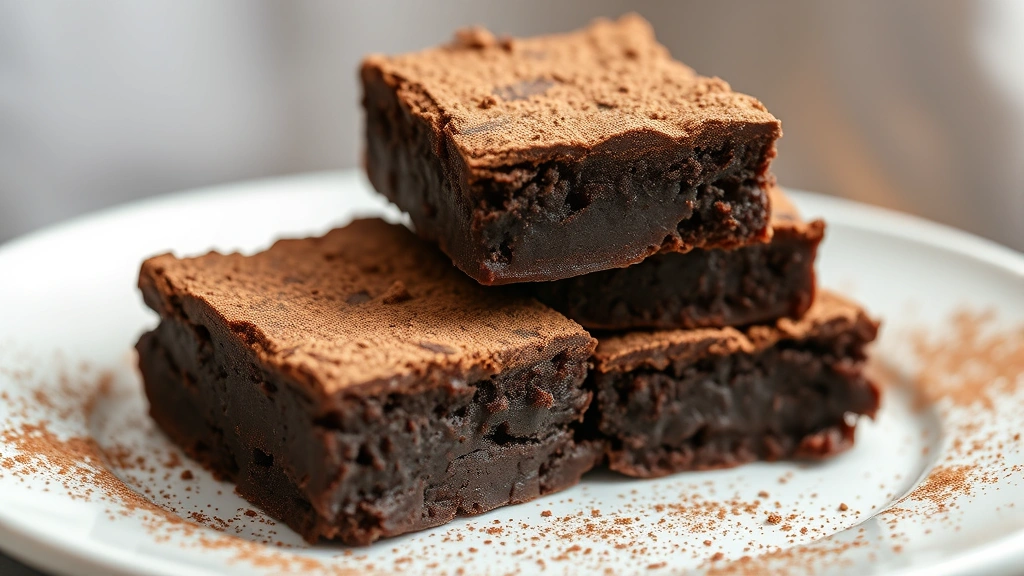
Chocolate Delight Recipe: Grandma’s Secret Revealed
There’s something magical about the desserts our grandmothers made that we can never quite replicate—until now. This chocolate delight recipe has been passed down through generations, whispered from kitchen to kitchen, and today we’re unlocking the secrets that make it absolutely irresistible. Whether you’re preparing for a special occasion or simply craving that nostalgic, homemade chocolate experience, this recipe delivers richness, depth, and pure indulgence with every single bite.
What makes Grandma’s chocolate delight truly special isn’t just one ingredient or technique—it’s the combination of quality chocolate, proper tempering, and a few unexpected flavor notes that elevate this dessert beyond ordinary brownies or cakes. This recipe has earned its place at countless family gatherings, holiday celebrations, and quiet Sunday afternoons. The beauty of this chocolate delight lies in its versatility; you can serve it warm with vanilla ice cream, chilled as a sophisticated mousse-like treat, or even crumbled over fresh berries for an elegant presentation.
As you explore this comprehensive guide, you’ll discover not just the ingredient list and instructions, but the reasoning behind each step, professional baking tips, and creative variations that honor the original while allowing you to make it your own. Let’s dive into the world of this beloved chocolate delight recipe and understand why it has captivated taste buds for decades.
Ingredients You’ll Need
Creating an authentic chocolate delight recipe requires quality ingredients that work in harmony. Don’t be tempted to skip steps or substitute premium chocolate for cheaper alternatives—the difference will be immediately noticeable. Here’s what you’ll need to gather before beginning:
- 8 ounces of dark chocolate (70% cacao or higher for depth and sophistication)
- 4 ounces of unsweetened chocolate (adds complexity without excess sweetness)
- ½ cup of butter (unsalted, for pure flavor control)
- ¾ cup of granulated sugar
- ¼ cup of brown sugar (adds moisture and subtle caramel notes)
- 3 large eggs (room temperature for proper emulsification)
- 1 teaspoon of vanilla extract (pure vanilla, not imitation)
- ½ teaspoon of sea salt (enhances chocolate flavor)
- ⅓ cup of all-purpose flour
- 2 tablespoons of cocoa powder (unsweetened, for extra richness)
- ¼ teaspoon of instant espresso powder (deepens chocolate notes without coffee flavor)
- Optional: ½ cup of chocolate chips (for texture variation)
Understanding the Foundation
Before we dive into the actual preparation, let’s understand why each component matters in this chocolate delight recipe. This knowledge will help you execute the recipe with confidence and troubleshoot any issues that might arise.
The combination of dark chocolate and unsweetened chocolate creates a sophisticated flavor profile that experienced chocolate lovers recognize immediately. The dark chocolate provides natural sweetness and complex notes, while the unsweetened chocolate contributes pure cocoa solids and intensity. This is what separates Grandma’s chocolate delight from ordinary chocolate desserts—the depth of flavor that comes from understanding chocolate as a serious ingredient.
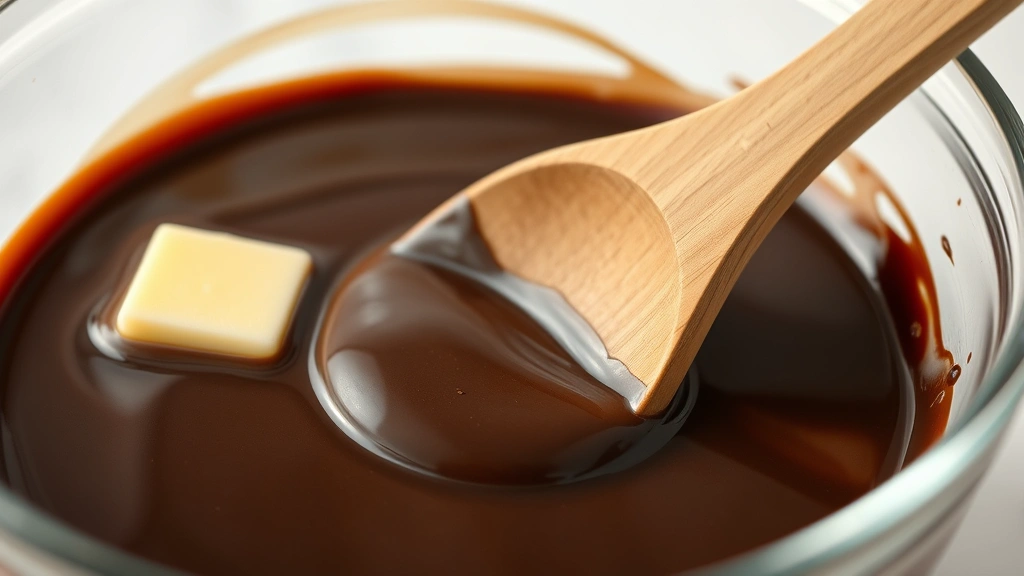
Temperature control is absolutely crucial when working with chocolate. Chocolate contains cocoa butter, a fat that crystallizes differently depending on temperature. When you’re melting your chocolate and butter together, you want to use a gentle heat source. Many professional bakers recommend a double boiler method—placing a heatproof bowl over simmering water—rather than direct heat. This prevents the chocolate from seizing or burning, which would ruin the entire batch.
The eggs in this recipe serve multiple purposes. They provide structure, moisture, and help create a slightly fudgy texture that makes this chocolate delight so memorable. Room temperature eggs blend more smoothly with the chocolate mixture, creating a homogeneous batter that bakes evenly. Cold eggs can cause the chocolate to seize slightly, resulting in a grainier texture.
Notice that we’re using both granulated and brown sugar. This combination creates complexity—the granulated sugar provides structure and helps with browning, while the brown sugar adds moisture and subtle caramel undertones that complement the chocolate beautifully. This is a professional baking technique often overlooked in home kitchens.
Step-by-Step Instructions
Step 1: Prepare Your Equipment
Preheat your oven to 325°F (163°C). Line an 8×8-inch baking pan with parchment paper, allowing it to overhang on two sides for easy removal later. This makes serving and storing your chocolate delight recipe much simpler. Have all ingredients measured and ready before you begin—this is called mise en place in professional kitchens and prevents mistakes.
Step 2: Melt the Chocolate and Butter
Chop both the dark and unsweetened chocolate into small, uniform pieces. This increases surface area and ensures even melting. Place the chopped chocolate and butter in a heatproof bowl and set it over a pot of gently simmering water, making sure the bowl doesn’t touch the water. Stir occasionally with a rubber spatula until completely smooth and melted, approximately 5-7 minutes. Remove from heat and let cool for about 2 minutes before proceeding.
Step 3: Combine Sugars and Eggs
In a separate mixing bowl, whisk together the granulated sugar, brown sugar, and room temperature eggs. Whisk vigorously for 2-3 minutes until the mixture becomes pale and slightly fluffy. This whisking incorporates air into the mixture, which helps create a lighter texture in your finished chocolate delight. Add the vanilla extract and whisk for another 30 seconds.
Step 4: Marry the Mixtures
Gently fold the cooled chocolate mixture into the egg mixture using a rubber spatula. Use a folding motion rather than stirring—this preserves the air you’ve incorporated and prevents overdeveloping the gluten in the flour. Fold until just combined; you should still see some streaks of chocolate and egg mixture.
Step 5: Add Dry Ingredients
In a small bowl, whisk together the flour, cocoa powder, sea salt, and espresso powder. This ensures even distribution of the salt and espresso powder throughout your batter. Gently fold this dry mixture into the chocolate mixture until just combined. Don’t overmix—a few flour streaks are perfectly fine. Overmixing develops gluten and results in a dense, cake-like texture rather than the fudgy consistency we’re after.
Step 6: Optional Add-ins
If using chocolate chips, fold them in gently at this point. Some people prefer to sprinkle them on top of the batter in the pan instead, which creates lovely little pockets of extra chocolate throughout.
Step 7: Bake
Pour the batter into your prepared pan and smooth the top gently with a spatula. Bake at 325°F for exactly 22-26 minutes. The key to perfect texture is not overbaking. At 22 minutes, the center should still jiggle very slightly when you gently shake the pan. A toothpick inserted in the center should come out with moist crumbs, not wet batter, but also not completely clean. This is the sweet spot for a fudgy chocolate delight recipe.
Step 8: Cool Completely
Remove from the oven and let the chocolate delight cool in the pan for at least 30 minutes before cutting. This cooling time allows the structure to set properly. For the best results, refrigerate for at least 2 hours or overnight before cutting into squares. The cold temperature makes cutting cleaner and the texture more pronounced.
Pro Tips for Perfect Results
Achieving the perfect chocolate delight recipe requires attention to detail. These professional tips come from years of baking experience and will help you create restaurant-quality results in your home kitchen.
Chocolate Quality Matters Immensely
Invest in quality chocolate from reputable brands. Look for chocolate that lists cacao or chocolate liquor as the first ingredient. Avoid chocolate labeled as “chocolate product” or containing excessive additives. The difference between a $2 chocolate bar and a $5 bar becomes immediately obvious in the finished chocolate delight. Brands like Ghirardelli, Lindt, and Toblerone are readily available and provide excellent results.
Temperature Control Throughout
Keep your kitchen relatively cool when making this recipe. If your kitchen is very warm, your batter may be too warm, resulting in a cake-like texture instead of fudgy. Conversely, if your chocolate mixture gets too cool, it becomes difficult to fold into the eggs. The ideal temperature for the chocolate mixture when combining is around 90-95°F—warm to the touch but not hot.
Use an Oven Thermometer
Many home ovens run hot or cold, which significantly affects baking times. An inexpensive oven thermometer ($10-15) ensures your oven is actually at 325°F. This prevents underbaking or overbaking your chocolate delight recipe.
Don’t Skip the Espresso Powder
The ¼ teaspoon of instant espresso powder doesn’t make this taste like coffee—it amplifies the chocolate flavor through a scientific process. Espresso powder contains compounds that enhance our perception of chocolate’s depth and richness. This is a secret weapon used by professional pastry chefs.
Invest in a Good Rubber Spatula
A flexible, high-quality rubber spatula makes folding much easier and more effective. Cheap spatulas don’t flex properly and can overmix your batter. Look for heat-resistant silicone spatulas that cost $8-12.
Consider Your Chocolate Delight Recipe’s Altitude
If you live at high altitude (above 3,000 feet), you may need to adjust baking times and temperatures. High altitude can cause moisture to evaporate faster, potentially drying out your chocolate delight. Consult a high-altitude baking guide or experiment with adding an extra egg yolk for moisture.
For those interested in understanding the science behind chocolate baking, food science resources provide excellent information about how chocolate behaves at different temperatures and why certain techniques work.
Creative Variations
Once you’ve mastered the classic chocolate delight recipe, you can experiment with variations that honor the original while adding your personal touch. These variations are inspired by professional pastry techniques and ingredient pairing principles.
Salted Caramel Swirl
Prepare ¼ cup of salted caramel sauce and drizzle it over the batter before baking. Use a knife to swirl it through, creating a marbled effect. The sweet and salty combination complements the rich chocolate beautifully.
Mint Chocolate Version
Add ½ teaspoon of peppermint extract and ¼ teaspoon of fresh mint powder to the chocolate mixture. Top with crushed candy canes before baking for a festive chocolate delight recipe perfect for holidays.
Orange-Infused Delight
Add 1 tablespoon of fresh orange zest and ½ teaspoon of orange extract to the chocolate mixture. The citrus brightens the chocolate without overpowering it, creating a sophisticated flavor combination.
Coconut Chocolate Version
Fold in ½ cup of unsweetened shredded coconut and sprinkle additional coconut on top before baking. This adds tropical notes and interesting texture to your chocolate delight.
Almond Butter Swirl
Drizzle 3 tablespoons of natural almond butter over the batter and swirl through before baking. The nutty flavor adds depth and the protein content makes it more satisfying.
Spiced Chocolate Delight
Add ½ teaspoon of cinnamon, ¼ teaspoon of cayenne pepper, and a pinch of cardamom to the dry ingredients. This creates warming spice notes that enhance chocolate’s complexity. This approach is inspired by traditional Mexican chocolate preparations.
Those interested in exploring global chocolate traditions might enjoy reading about chocolate history and preparation methods across different cultures.
Storage and Serving Suggestions
Proper Storage Techniques
Your chocolate delight recipe stores beautifully when handled correctly. Keep the baked dessert in an airtight container at room temperature for up to 3 days. The edges may firm up slightly, but the center remains fudgy. For longer storage, wrap individual pieces in plastic wrap and freeze for up to 2 months. Thaw at room temperature for 30 minutes before serving.
Serving Suggestions
The versatility of this chocolate delight recipe means there are countless ways to serve it. Enjoy it at room temperature for maximum fudginess, slightly chilled for a firmer texture, or even warm with a scoop of vanilla ice cream for an indulgent treat. Dust with powdered sugar or cocoa powder just before serving for an elegant presentation. A small square pairs perfectly with fresh berries, whipped cream, or a cup of espresso.
For dinner parties, consider serving your chocolate delight recipe as part of a low carb dinner recipes menu by pairing it with lighter main courses. The richness of this dessert means a little goes a long way, so serve modest portions.
Presentation Ideas
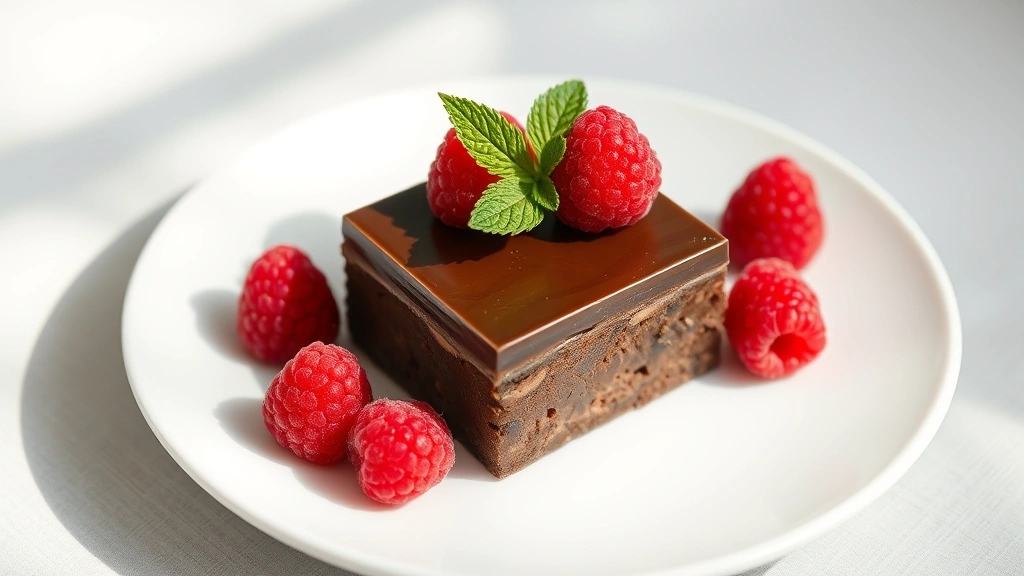
Cut your chocolate delight into small squares and arrange on a white plate with a drizzle of raspberry sauce. Garnish with fresh mint leaves or edible gold leaf for sophistication. You could also crumble pieces over vanilla yogurt for breakfast, layer it in a parfait glass with whipped cream, or serve alongside fresh fruit for contrast.
Pairing with Beverages
This chocolate delight pairs wonderfully with a variety of drinks. Espresso or strong coffee brings out chocolate notes. Red wine, particularly Cabernet Sauvignon or Pinot Noir, creates an elegant pairing. For non-alcoholic options, try herbal teas like chamomile or peppermint, which provide interesting flavor contrasts.
If you’re planning a special meal, check out our chicken and biscuits recipe for a complete dinner that ends beautifully with this chocolate delight.
FAQ
Can I make this chocolate delight recipe dairy-free?
Yes, substitute the butter with coconut oil or dairy-free butter in equal amounts. Use dairy-free chocolate and ensure your eggs are room temperature. The texture may be slightly different but equally delicious. Some bakers add a tablespoon of almond milk to the chocolate mixture for smoothness when using dairy-free options.
What’s the difference between this recipe and regular brownies?
This chocolate delight recipe has a higher chocolate-to-flour ratio, creating a denser, more fudgy texture. Regular brownies typically use more flour and less chocolate, resulting in a cake-like crumb. The lower baking temperature (325°F vs. typical 350°F) and shorter baking time also contribute to the fudgy consistency.
Can I double this chocolate delight recipe?
Absolutely. Double all ingredients and use a 9×13-inch baking pan instead. Increase baking time to 28-32 minutes, checking for the same doneness cues (jiggle in center, moist crumbs on toothpick). The larger pan may bake slightly faster due to thinner depth, so watch carefully.
Why is my chocolate delight recipe dry?
Overbaking is the most common cause. Remove it at 22-26 minutes when the center still jiggles slightly. Overmixing the batter can also cause dryness by developing too much gluten. Additionally, ensure your chocolate and butter are properly melted and not overheated, as this can affect the final texture.
Can I use cocoa powder instead of chocolate?
Not as a complete substitute, as cocoa powder lacks the cocoa butter that gives chocolate its texture. However, you can use quality Dutch-process cocoa powder as part of the chocolate component. Reduce the amount to ⅔ cup and add 2 ounces of cocoa butter or additional butter to maintain moisture.
Is this chocolate delight recipe gluten-free?
To make it gluten-free, substitute the all-purpose flour with a 1:1 gluten-free flour blend. Some bakers add ¼ teaspoon of xanthan gum to improve texture. The result is slightly different but still delicious. You might also explore healthy crock pot recipes for gluten-free dessert options using slow cookers.
How do I know when my chocolate delight is done?
The top should look set and slightly matte. The center should jiggle very slightly when you shake the pan—about ½ inch of movement. A toothpick inserted in the center should come out with moist crumbs clinging to it, not wet batter and not completely clean. This takes practice; your first batch might be slightly over or underbaked, but you’ll develop a feel for it.
Can I add nuts to this chocolate delight recipe?
Yes, fold in ½ cup of chopped walnuts, pecans, or almonds in step 5. Toast them lightly first for enhanced flavor. Avoid chocolate chips if using nuts, as the combination can be overwhelming. Some people prefer to sprinkle nuts on top of the batter before baking instead of folding them in.
What type of pan works best?
A metal 8×8-inch baking pan works perfectly for this chocolate delight recipe. Metal conducts heat evenly and promotes proper browning. Avoid glass pans, which heat differently and can cause uneven baking. If you must use glass, reduce the oven temperature by 25°F and check for doneness a few minutes earlier.
Why does the recipe call for instant espresso powder?
Espresso powder deepens and enhances chocolate flavors through chemistry rather than adding coffee taste. The compounds in espresso trigger our taste receptors in ways that make chocolate seem richer and more complex. It’s a professional baking secret that transforms ordinary chocolate into exceptional chocolate delight.
For those interested in learning more about baking techniques, professional baking resources offer comprehensive guides on chocolate work and pastry techniques. Additionally, food science and cooking technique resources explain the why behind baking methods, helping you become a more confident baker.
This chocolate delight recipe represents more than just a dessert—it’s a connection to tradition, family, and the joy of creating something beautiful and delicious with your own hands. Whether you’re making it for the first time or the hundredth time, approach it with care and attention, and you’ll understand why Grandma’s secret has remained so treasured across generations. The perfect chocolate delight awaits you.


