Gourmet Chocolate Truffles? Expert Secrets Revealed
Chocolate truffles represent one of the most elegant and deceptively simple confections in the culinary world. These spheres of pure indulgence have graced the dessert tables of fine dining establishments for centuries, yet creating them at home requires understanding specific techniques that separate mediocre truffles from truly gourmet creations. The secret lies not in exotic ingredients but in mastering temperature control, emulsification, and the art of proper coating.
Whether you’re a home baker seeking to impress guests or someone looking to develop a small artisanal business, learning the expert secrets of chocolate truffle making will elevate your confectionery skills. This comprehensive guide walks you through every step, from ganache preparation to the final flourish of cocoa powder or tempered chocolate shells. You’ll discover why professional chocolatiers obsess over seemingly minor details and how these details transform ordinary chocolate into something extraordinary.
Understanding Truffle Fundamentals
A gourmet chocolate truffle consists of three primary components: a ganache center, a coating layer, and optional decorative elements. The ganache—a smooth emulsion of chocolate and cream—forms the heart of every truffle. This isn’t merely melted chocolate; it’s a carefully balanced mixture where fat molecules from both the chocolate and cream create a silky, melt-in-your-mouth texture that defines quality truffles.
Professional chocolatiers understand that truffles are about texture contrast and flavor intensity. The ganache should be rich enough to coat your palate with chocolate flavor, yet light enough to dissolve almost instantly. This balance comes from precise ratios and proper technique. Most gourmet truffles use a 1:1 ratio of chocolate to cream by weight, though some variations adjust this based on desired firmness and chocolate type.
The distinction between homemade and professional truffles often comes down to three factors: ingredient quality, temperature precision, and technique consistency. Unlike baking, where chemistry follows strict rules, truffle making requires understanding why certain steps matter. When you comprehend the science behind each action, you can troubleshoot problems and create consistently excellent results.
Before diving into recipes, recognize that chocolate truffles exist on a spectrum. Simple truffles rolled in cocoa powder require minimal equipment, while chocolate-coated varieties demand more precision. Both can be gourmet; the difference lies in technique and ingredient selection. A simple cocoa-dusted truffle made with premium 70% dark chocolate and fresh cream rivals elaborate multi-component designs when executed properly.
Essential Equipment and Ingredients
Creating professional-quality chocolate truffles doesn’t require an industrial kitchen. However, having proper tools dramatically improves your results. Start with a reliable thermometer—specifically one that reads between 40°F and 120°F with accuracy to 1 degree. Temperature control is non-negotiable in truffle making.
Essential Equipment:
- Digital thermometer (crucial for ganache and chocolate tempering)
- Double boiler or heat-proof bowl over simmering water
- Whisk (metal preferred for better heat transfer)
- Rubber spatula for folding and scraping
- Truffle scoop or melon baller (1-inch diameter)
- Parchment or silicone mats
- Dipping fork or chocolate fork
- Shallow bowls for coatings
- Microwave or tempering machine (optional but helpful)
Regarding ingredients, quality matters enormously. Purchase chocolate from reputable suppliers, preferably single-origin varieties where you know the cocoa percentage and flavor profile. Premium chocolate producers offer detailed tasting notes that help you select varieties matching your flavor vision.
For cream, use heavy cream with at least 36% butterfat. Ultra-pasteurized cream contains stabilizers that can interfere with ganache emulsification; standard pasteurized cream works best. The cream should be fresh, cold, and stored properly. Older cream may contain bacteria that affects texture and shelf life.
Additional ingredients include butter (unsalted, for enrichment), liqueurs or extracts for flavoring, and finishing coatings like cocoa powder, nuts, or tempered chocolate. Salt—whether standard or specialty varieties like Japanese pink salt—elevates chocolate’s flavor complexity. Even a tiny pinch of quality sea salt in dark chocolate truffles enhances the cocoa’s depth.
Mastering the Ganache Base
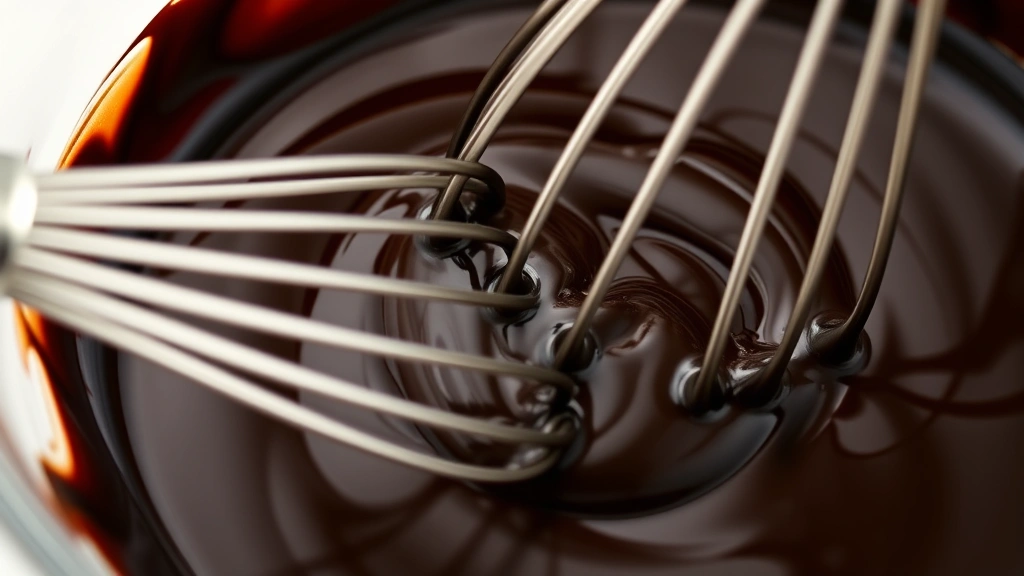
The ganache is where gourmet truffles begin. This emulsion of chocolate and cream requires understanding both ingredients’ behavior at different temperatures. When you heat cream and pour it over chopped chocolate, the heat melts the chocolate while the cream’s fat begins dissolving cocoa butter. The key is achieving proper emulsification without seizing the chocolate or breaking the cream’s structure.
Step-by-step ganache method:
- Chop chocolate into uniform pieces (smaller pieces melt more evenly). Use a chef’s knife or food processor to achieve pieces roughly the size of peas.
- Heat cream to 160-170°F. It should steam noticeably but not boil. Pour into a bowl containing the chopped chocolate.
- Let the mixture rest undisturbed for 2-3 minutes. This allows heat to penetrate all chocolate pieces.
- Whisk gently from the center outward, incorporating chocolate into cream slowly. Rushing this step creates grainy, separated ganache.
- Continue whisking until completely smooth and shiny. The mixture should have a glossy appearance with no chocolate streaks.
- For enrichment, whisk in softened butter (about 10% of chocolate weight) and any flavorings like vanilla extract or liqueurs.
- Allow ganache to cool to 82-86°F before shaping. This temperature ensures proper firmness for rolling.
Temperature precision during cooling is critical. If ganache becomes too firm, it shatters when rolled. Too soft, and truffles lose shape during coating. Professional chocolatiers often cool ganache to exactly 82°F before scooping. At this temperature, ganache has set enough to hold shape but remains plastic enough to roll smoothly.
If your ganache breaks or becomes grainy, don’t discard it. Add a splash of warm cream and whisk vigorously. Often this re-emulsifies the mixture. The science here involves breaking apart chocolate clumps and redistributing fat evenly, which fresh cream facilitates.
For a firmer ganache that’s easier to handle, use a higher chocolate-to-cream ratio (2:1 instead of 1:1). For a softer, creamier center, adjust toward 1:1.5. Some premium truffles use 3:1 ratios, creating almost fudgy centers that melt immediately on the tongue.
Shaping and Rolling Techniques
Once ganache reaches proper temperature, shaping begins. This is where patience and technique create uniform, professional-looking truffles. A truffle scoop or small melon baller ensures consistent sizing—typically 0.5 to 0.75 ounces per truffle for gourmet varieties.
Professional chocolatiers use specialized equipment like enrobing machines, but home methods work excellently when done carefully. Here’s the expert technique:
- Line a baking sheet with parchment paper and refrigerate.
- Using a truffle scoop, extract ganache and gently push it onto parchment. Don’t worry about perfect spheres yet; rough balls are fine.
- Refrigerate scooped ganache for at least 4 hours, preferably overnight. This firms the centers, making them easier to roll.
- Remove from refrigerator and let sit at room temperature for 5 minutes. Cold ganache is too brittle; slightly warmed ganache rolls smoothly.
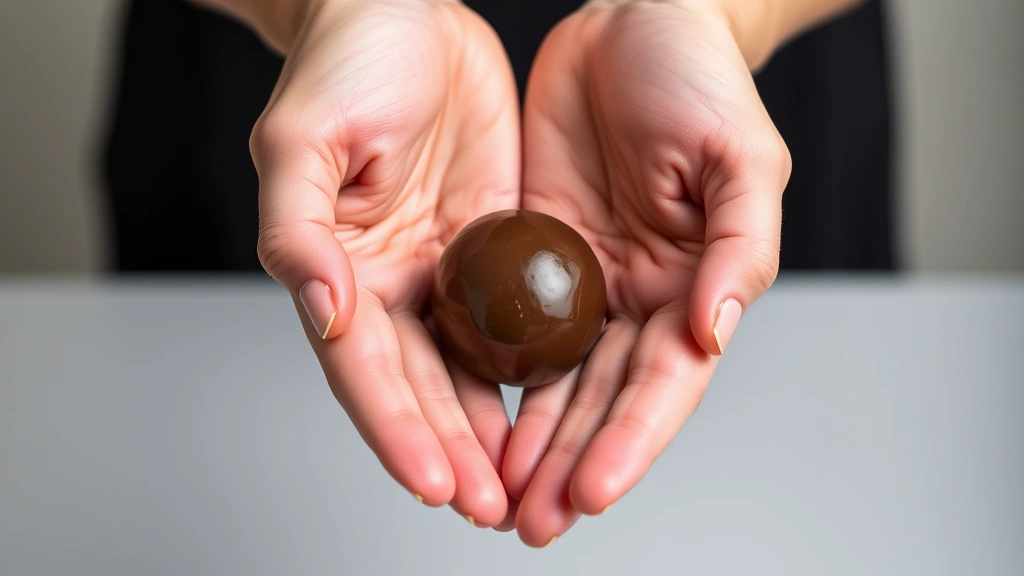
- Using your palms, roll each ball gently but firmly, using circular motions. Rotate between your hands continuously for even shaping.
- If ganache becomes too warm and sticky, refrigerate for 10 minutes before continuing.
- Keep shaped truffles on parchment and refrigerate until coating time.
The rolling technique matters more than you might think. Gentle, consistent pressure creates smooth, uniform spheres. Rough handling creates cracks and uneven surfaces that show through coatings. Professionals develop a feel for the ideal pressure—firm enough to shape but light enough not to compress the ganache.
For perfectly spherical truffles, some chocolatiers use a technique involving rolling in cocoa powder first. This creates a thin, dusty layer that helps subsequent coatings adhere while making spheres easier to handle without fingerprints.
Coating and Finishing Methods
The coating transforms shaped ganache into gourmet truffles. Three primary methods exist: cocoa powder dusting, chocolate coating, and combination finishes. Each requires different techniques.
Cocoa Powder Method (Simplest):
This classic approach requires only premium cocoa powder. Sift cocoa into a shallow bowl and roll chilled truffles until fully coated. Use a fork to lift and rotate each truffle, ensuring even coverage. The cocoa adheres to ganache’s surface, creating an elegant, rustic finish. Dutch-process cocoa produces darker, more sophisticated appearance, while natural cocoa offers brighter, more acidic flavor notes.
Chocolate Coating Method (Most Professional):
Dipping truffles in tempered chocolate creates a shell that snaps when bitten, providing textural contrast. Tempering is essential—improperly tempered chocolate blooms (develops white streaks) and has dull appearance. Professional tempering guides explain the science in detail, but here’s the practical method:
- Chop chocolate into small pieces. Melt two-thirds of it over a double boiler to 113-122°F (depending on chocolate type).
- Remove from heat and add remaining unmelted chocolate. Stir constantly as it cools to 81-82°F.
- Reheat to working temperature: 88-90°F for dark chocolate, 84-86°F for milk chocolate, 79-81°F for white chocolate.
- Using a dipping fork, submerge each truffle briefly (1-2 seconds) in tempered chocolate. Tap fork against bowl’s side to remove excess.
- Place on parchment and allow chocolate to set at room temperature (68-72°F). Don’t refrigerate, as this can cause bloom.
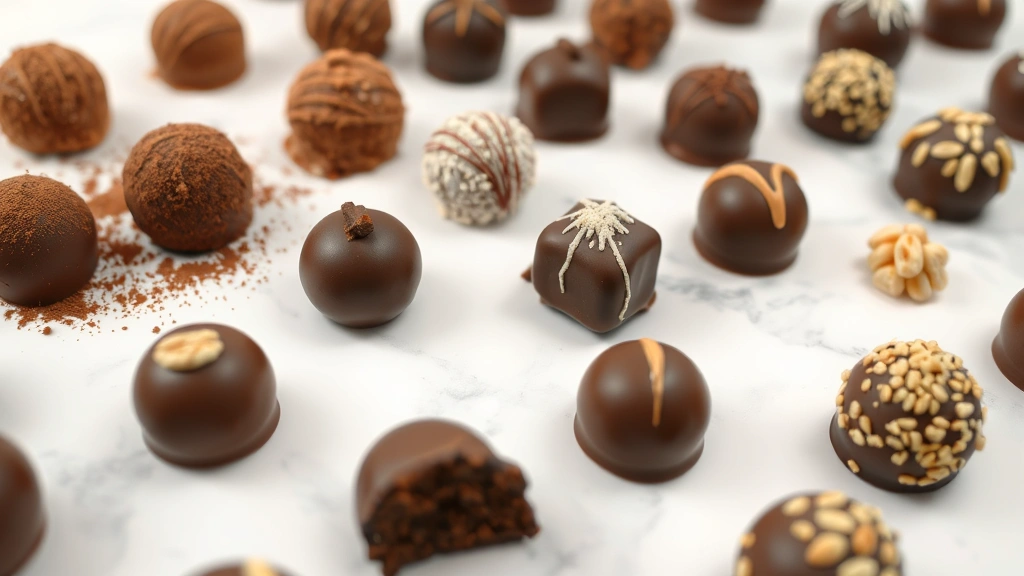
- Once set, apply decorative touches: cocoa powder, nuts, edible gold leaf, or contrasting chocolate drizzles.
The dipping motion requires practice. Professionals use a fluid wrist motion, dipping and immediately withdrawing at a slight angle. This creates a thin, even coating. Holding the truffle submerged too long creates thick, uneven coatings that obscure the truffle’s shape.
Combination Finishes:
Many gourmet truffles combine techniques. Dip in chocolate, then immediately roll in chopped pistachios, crushed freeze-dried raspberries, or toasted coconut. The chocolate coating must still be slightly tacky for toppings to adhere. This method creates visually stunning, flavor-complex truffles that feel truly gourmet.
Flavor Variations and Infusions
Once you master basic technique, flavor variations distinguish your truffles. The ganache base is infinitely adaptable. Here are expert approaches to creating sophisticated flavor combinations:
Infused Cream Method:
Heat cream with flavor ingredients before adding to chocolate. Steep tea, coffee, spices, or citrus zest in hot cream for 10-15 minutes, then strain through fine mesh. The cream absorbs flavors while maintaining proper fat content for emulsification. This method creates subtle, sophisticated flavors rather than artificial-tasting results.
Liqueur Integration:
Add liqueurs (Grand Marnier, Cointreau, Kahlúa, Frangelico) to finished ganache at a 5-10% ratio by weight. The alcohol doesn’t cook off, so liqueur-based truffles have longer shelf lives than cream-based varieties. Alcohol acts as a preservative while adding complexity.
Complementary Flavor Pairings:
- Dark chocolate (70%) + espresso + sea salt
- Milk chocolate + vanilla bean + cardamom
- Dark chocolate + chili powder + cinnamon
- White chocolate + lavender + lemon zest
- Dark chocolate + raspberry + black pepper
- Milk chocolate + maple + toasted walnut
Professional pastry chefs understand flavor balance. When adding multiple flavorings, each should complement rather than compete. Start with subtle quantities—a quarter teaspoon of spice in a batch of 24 truffles—then adjust based on taste. It’s easier to add more flavor than remove excessive seasoning.
Consider texture variety within flavor profiles. A dark chocolate-espresso truffle might have a ganache center infused with coffee, dipped in dark chocolate, and finished with cocoa powder. The layers of chocolate and coffee flavor, combined with textural contrast (creamy center, snappy shell, dusty exterior), create a more interesting eating experience than single-element truffles.
Storage and Shelf Life
Proper storage ensures your gourmet truffles maintain quality for extended periods. Understanding how chocolate and ganache respond to different conditions helps you preserve your creations.
Room Temperature Storage:
Chocolate-coated truffles store excellently at 68-72°F for up to three weeks. Keep them in an airtight container with parchment between layers to prevent sticking. At room temperature, chocolate maintains snap while ganache remains creamy. This is ideal for consumption within 2-3 weeks.
Refrigerated Storage:
Cocoa-dusted truffles keep refrigerated for 4-6 weeks. Place in an airtight container on a parchment-lined shelf away from strong-smelling foods (chocolate absorbs odors). When removing from refrigeration, let truffles come to room temperature before opening the container. This prevents condensation that creates moisture on surfaces.
Frozen Storage:
Truffles freeze beautifully for up to three months. Wrap individually in parchment, place in airtight containers, then freeze. Thaw at room temperature for 30-45 minutes before serving. The ganache’s fat content prevents hardening, so thawed truffles have the same texture as fresh ones.
Factors Affecting Shelf Life:
- Ingredients: Fresh cream shortens shelf life; liqueur-based truffles last longer
- Coating: Chocolate shells extend shelf life by protecting ganache from oxidation
- Temperature consistency: Fluctuations cause blooming and texture changes
- Humidity: High humidity can cause chocolate bloom; keep storage areas dry
- Light exposure: UV light degrades chocolate quality; store in opaque containers
If you notice white streaks (bloom) on chocolate-coated truffles, they’re still perfectly safe to eat. Bloom is cocoa butter separating from cocoa solids—it affects appearance and slightly changes mouthfeel but doesn’t indicate spoilage. To prevent bloom, maintain consistent cool temperatures and avoid rapid temperature changes.
FAQ
Why does my ganache break or become grainy?
Separation occurs when chocolate and cream don’t properly emulsify. Common causes include: water entering the chocolate (causes seizing), cream being too hot or too cold, or mixing too vigorously. Fix this by adding a splash of room-temperature cream and whisking gently until smooth.
Can I make truffles without tempering chocolate?
Yes. Use cocoa powder or non-chocolate coatings for simple truffles. If you want chocolate coating without tempering, use compound chocolate (chocolate-flavored coating made with vegetable oil instead of cocoa butter). It sets without tempering but lacks chocolate’s snap and flavor complexity. For truly gourmet truffles, learning basic tempering is worthwhile.
How do professional chocolatiers achieve such perfect spheres?
Practice and specialized equipment. Professionals use enrobing machines that coat truffles with perfect uniformity. At home, the rolling technique described in this guide produces excellent results. The key is consistent pressure, proper ganache temperature, and patience. Most professionals hand-roll small batches just like home cooks.
What’s the difference between ganache and truffle?
Ganache is the chocolate-cream mixture. A truffle is ganache that’s been shaped, often coated. The terms are sometimes used interchangeably, but technically, ganache is an ingredient while a truffle is the finished confection.
Can I make truffles with milk chocolate or white chocolate?
Absolutely. Both work excellently with adjusted ratios. Milk chocolate needs slightly less cream (1:0.8 ratio) due to higher cocoa butter content. White chocolate, which contains no cocoa solids, requires even less cream (1:0.6 to 1:0.7 ratio) and benefits from added flavoring since it lacks chocolate’s natural complexity. Pair white chocolate truffles with fruit, spice, or floral flavors.
Why do some recipes use butter in ganache?
Butter adds richness and improves shine. It also lowers the ganache’s setting point, making it easier to work with. Typically, use 10-15% of the chocolate’s weight in butter. Unsalted butter prevents interfering with flavor balance, though some chocolatiers intentionally use salted butter for contrast. See how salt enhances savory dishes—the same principle applies to chocolate.
How can I avoid fingerprints on truffles while shaping?
Keep hands cool by running them under cold water occasionally. Some professionals wear food-grade gloves. Another technique: roll ganache balls in cocoa powder or finely chopped nuts immediately after shaping. The coating hides fingerprints while making truffles easier to handle for subsequent steps.
What’s the ideal serving temperature for chocolate truffles?
Room temperature (68-72°F) is ideal. At this temperature, ganache is creamy but structured, chocolate coating has proper snap, and flavors are most pronounced. Cold truffles are harder to bite through and flavors are muted. If serving from refrigeration, remove 5-10 minutes before serving.
Can I add filling to truffles for complexity?
Yes, though this requires more advanced technique. Create a thin chocolate shell using a mold, add a small amount of filling (ganache, jam, nut butter), seal with more chocolate, then coat. National Confectioners Association resources provide detailed instructions for filled chocolates. Start with simpler single-ganache truffles before attempting multiple layers.


