Crawfish Etouffee Recipe: Master This Cajun Classic
Crawfish etouffee stands as one of Louisiana’s most beloved culinary treasures, a dish that embodies the soul of Cajun cooking. The word “etouffee” comes from the French term meaning “to smother,” and that’s exactly what happens when succulent crawfish are smothered in a rich, flavorful sauce built on the holy trinity of Cajun cuisine: onions, celery, and bell peppers. This iconic dish transforms humble crawfish into something truly extraordinary, delivering layers of spice, umami depth, and comfort that transport you straight to the bayou.
What makes crawfish etouffee so special is its balance of bold flavors and tender texture. The crawfish meat stays delicate and sweet while absorbing the complex sauce made from a dark roux, aromatic vegetables, and a carefully chosen blend of spices. Whether you’re cooking for a special dinner or craving authentic Louisiana flavors, this recipe will guide you through creating restaurant-quality etouffee in your own kitchen. The process might seem intimidating, but with proper technique and fresh ingredients, you’ll master this classic in no time.
Essential Ingredients for Authentic Crawfish Etouffee
Building authentic crawfish etouffee starts with understanding each ingredient’s role. The foundation begins with quality crawfish tail meat—approximately 1.5 to 2 pounds of fresh or frozen crawfish tails form the heart of this dish. Fresh crawfish offers superior flavor, but high-quality frozen crawfish works wonderfully when fresh isn’t available. Make sure to thaw frozen crawfish completely and pat it dry before cooking.
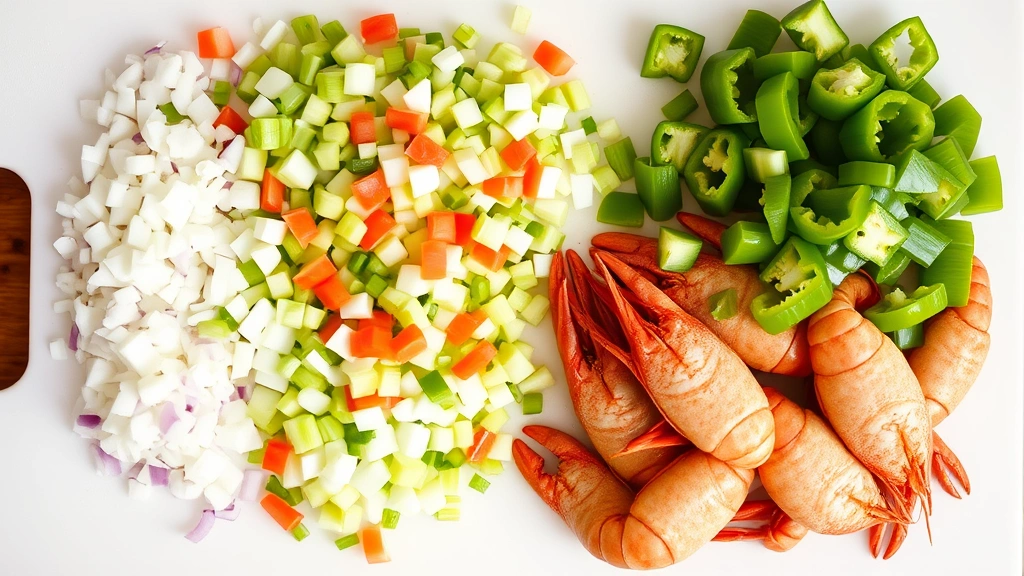
The holy trinity—one large onion, three celery stalks, and one large green bell pepper—creates the aromatic base that defines Cajun cooking. Finely dice these vegetables to ensure they cook evenly and integrate seamlessly into your sauce. You’ll also need all-purpose flour (approximately 1/3 cup) and butter (6 tablespoons) to create the roux, which serves as the thickening agent and flavor foundation.
Seasonings are where crawfish etouffee truly shines. Gather cayenne pepper (1-2 teaspoons depending on heat preference), paprika (1 teaspoon), garlic powder (1 teaspoon), onion powder (1 teaspoon), dried thyme (1/2 teaspoon), dried oregano (1/2 teaspoon), salt, and black pepper. Fresh garlic—three to four minced cloves—adds another layer of complexity. You’ll need chicken or seafood stock (approximately 2 cups), tomato paste (2 tablespoons), and hot sauce (1 teaspoon) to round out the sauce. Many traditional recipes also include a splash of Worcestershire sauce (1/2 teaspoon) and lemon juice (1 tablespoon).
- 1.5-2 pounds crawfish tail meat
- 6 tablespoons butter
- 1/3 cup all-purpose flour
- 1 large yellow onion, finely diced
- 3 celery stalks, finely diced
- 1 large green bell pepper, finely diced
- 3-4 garlic cloves, minced
- 2 cups chicken or seafood stock
- 2 tablespoons tomato paste
- 1-2 teaspoons cayenne pepper
- 1 teaspoon paprika
- 1 teaspoon garlic powder
- 1 teaspoon onion powder
- 1/2 teaspoon dried thyme
- 1/2 teaspoon dried oregano
- 1 teaspoon hot sauce
- 1/2 teaspoon Worcestershire sauce
- 1 tablespoon fresh lemon juice
- Salt and black pepper to taste
- Cooked rice for serving
- Fresh parsley for garnish
Preparation Steps Before Cooking
Proper preparation determines the success of your crawfish etouffee. Begin by ensuring all ingredients are prepped and within reach—this is crucial because the cooking process moves quickly once you start. Mise en place, the French culinary principle of having everything prepared and organized, prevents scrambling and ensures even cooking.
Start by thoroughly thawing your crawfish if using frozen. Pat the meat dry with paper towels to remove excess moisture, which prevents proper browning and can water down your sauce. Set the crawfish aside in a bowl. Next, prepare your holy trinity by washing and peeling the vegetables. Dice the onion into small, uniform pieces—aim for 1/4-inch cubes. Cut the celery into similar-sized pieces, removing the stringy portions that can get caught in teeth. Dice the green bell pepper, removing seeds and white membranes completely. The consistency of your vegetable cuts matters because it affects cooking time and texture.
Mince your fresh garlic finely—use a microplane or knife to create small pieces that will distribute flavor evenly. Measure out all your spices into small bowls or onto a plate so you can add them quickly without fumbling. Combine your salt and pepper in one small container. Open your stock and tomato paste, and have your hot sauce, Worcestershire sauce, and lemon juice within arm’s reach of your cooking station.
If cooking rice to serve alongside your etouffee, start that now so it finishes around the same time as your crawfish dish. Many cooks prefer jasmine or long-grain white rice, though some traditionalists swear by short-grain varieties. The rice serves as a neutral canvas that absorbs the rich sauce beautifully.
Making the Perfect Roux: The Foundation of Flavor
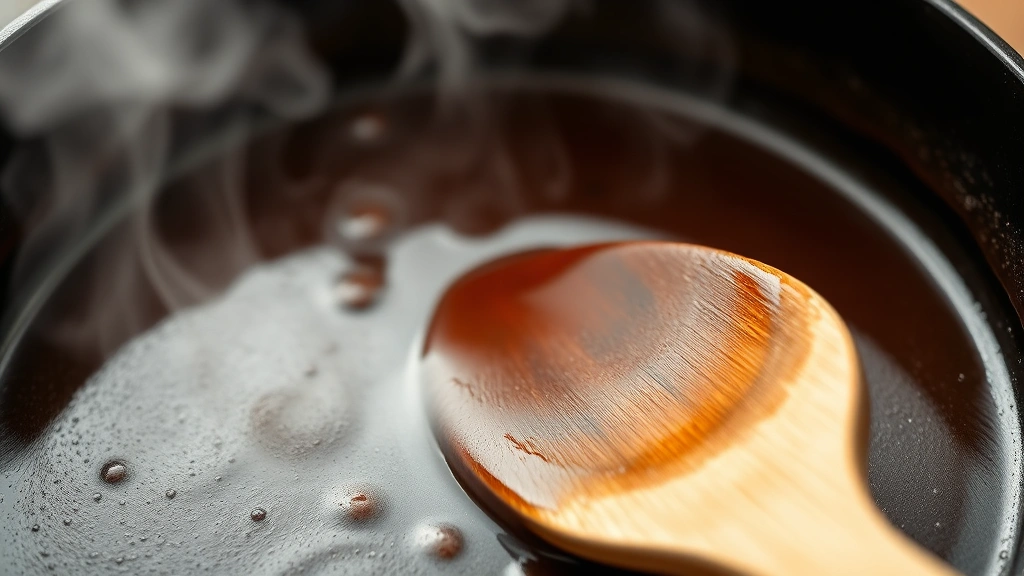
The roux is arguably the most critical component of crawfish etouffee, and mastering it separates good etouffee from exceptional etouffee. A proper roux requires patience—rushing this step results in burnt flour and bitter flavors that ruin the entire dish. You’re aiming for a medium-brown roux with a nutty aroma, not the blonde roux used in French cooking or the nearly black roux of gumbo.
Begin by melting your butter over medium heat in a heavy-bottomed saucepan or Dutch oven. Once fully melted, add your flour gradually while stirring constantly with a wooden spoon or whisk. The mixture will initially look like wet sand, then progressively darken as the flour toasts. Continue stirring for 8-12 minutes, maintaining medium heat throughout. The key is constant movement—stationary roux burns on the bottom while remaining pale on top.
Watch for color changes as your roux develops. Initially, it will be pale blonde, then progress to tan, then light brown, then medium brown. The entire process takes approximately 10-15 minutes depending on heat level. You want to stop when the roux reaches a chocolate-brown color with a rich, nutty aroma reminiscent of toasted hazelnuts. If it smells burnt or acrid, start over—burnt roux cannot be salvaged.
Once your roux reaches the desired color, immediately add your diced onions, celery, and bell peppers. The vegetables’ moisture will stop the cooking process and prevent over-browning. Stir vigorously for 2-3 minutes as the vegetables begin releasing their juices. This step, called “sweating” the vegetables, develops their natural sweetness and melds them with the roux. The mixture will initially seem dry, but moisture from the vegetables will gradually appear.
Cooking Instructions: From Roux to Finished Dish
After sweating your vegetables for 2-3 minutes, add your minced garlic and stir continuously for about 30 seconds. Garlic burns quickly, so watch carefully to prevent bitterness. Now add your tomato paste, stirring it into the roux and vegetable mixture for 1-2 minutes. This step, called “caramelizing” the tomato paste, deepens its flavor and eliminates the raw taste.
Gradually pour in your stock while stirring constantly to prevent lumps from forming. Add the stock slowly—about 1/2 cup at a time—stirring thoroughly between additions. This gradual incorporation ensures a smooth sauce without the grainy texture that results from dumping stock into roux too quickly. Once all stock is incorporated, add your Worcestershire sauce and hot sauce.
Now add your seasonings: cayenne pepper, paprika, garlic powder, onion powder, dried thyme, and dried oregano. Stir well to distribute the spices evenly throughout the sauce. Bring the mixture to a gentle simmer over medium heat. The sauce should bubble slowly around the edges—not a rolling boil, which can break down the crawfish meat and make it tough.
Let the sauce simmer for 10-15 minutes, allowing the flavors to meld and the sauce to thicken slightly. The longer simmering time develops deeper flavor complexity. Taste the sauce and adjust seasonings as needed—add more cayenne if you want additional heat, more paprika for smokiness, or salt for overall flavor enhancement. Remember that crawfish meat is naturally slightly sweet, so the sauce should have a balanced spice profile that complements rather than overwhelms the delicate seafood.
When the sauce reaches the desired consistency and flavor, gently fold in your prepared crawfish tail meat. Use a gentle folding motion rather than vigorous stirring to keep the crawfish pieces intact. Simmer for only 3-5 minutes—overcooking toughens the delicate meat. Add your lemon juice in the final minute of cooking. The acid brightens the sauce and adds a subtle complexity that prevents the dish from tasting heavy.
Remove from heat and let the etouffee rest for 2-3 minutes before serving. This resting period allows flavors to settle and the sauce to reach optimal consistency. If your etouffee seems too thin, you can return it to medium heat and simmer for an additional 5-10 minutes. If it’s too thick, add stock or water a tablespoon at a time until you achieve the desired consistency.
Serving Suggestions and Presentation
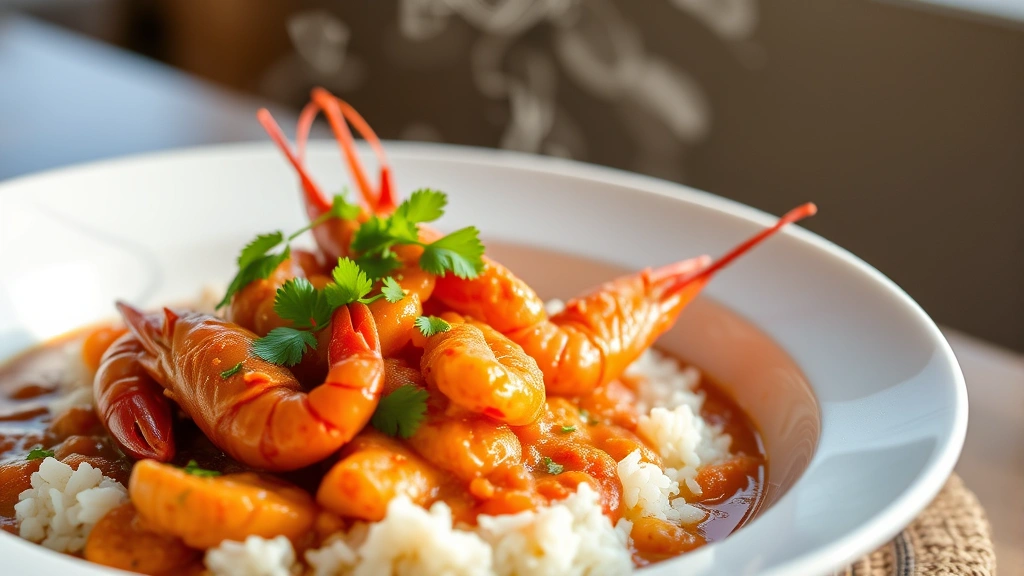
Proper presentation elevates your crawfish etouffee from home-cooked meal to restaurant-quality dish. Ladle the etouffee over a bed of fluffy white rice in shallow bowls rather than deep ones—this showcases the beautiful sauce and crawfish meat. Use a 1:1 ratio of rice to etouffee, adjusting based on personal preference. Some diners prefer more sauce, while others want less.
Garnish each bowl with fresh parsley, which adds color contrast and a subtle herbal note. A light sprinkle of paprika on top enhances visual appeal. Some traditional presentations include sliced green onions or a light drizzle of hot sauce on the side for those who prefer additional heat. Fresh lemon wedges served alongside allow diners to adjust acidity to their taste.
Crawfish etouffee pairs beautifully with sides that complement its richness. Crusty bread—particularly French bread or a warm baguette—is essential for sopping up every drop of sauce. Some cooks serve it with cornbread, which offers a slightly sweet counterpoint to the spicy, savory etouffee. A simple green salad with vinaigrette cuts through the richness and refreshes the palate between bites.
For beverages, traditional pairings include sweet tea, which is refreshing and authentic to Louisiana dining. Beer enthusiasts often choose light lagers or pilsners that won’t overpower the crawfish’s delicate flavor. Wine drinkers might select a crisp white like Sauvignon Blanc or Pinot Grigio. For non-alcoholic options, sparkling water with lemon complements the dish beautifully.
Pro Tips for Success and Troubleshooting
Temperature control is crucial throughout the cooking process. Maintain medium heat when making your roux—high heat burns it too quickly, while low heat takes forever and risks uneven cooking. Use a heavy-bottomed pan that distributes heat evenly and prevents hot spots where roux burns easily.
Quality ingredients make an enormous difference in the final dish. Fresh crawfish produces superior results compared to older frozen stock. When purchasing crawfish, look for a fresh, sweet smell—any ammonia odor indicates spoilage. If using frozen crawfish, purchase from reputable seafood suppliers who handle their product properly. Proper spice selection matters too—old, stale spices contribute little flavor, so replace them annually.
Don’t skip the resting period after cooking. This allows flavors to fully develop and the sauce to achieve optimal consistency. Many cooks find that etouffee actually tastes better the next day after flavors have had time to meld. This makes it excellent for advance preparation—cook it a day ahead, refrigerate, and gently reheat before serving.
If your etouffee breaks or the sauce becomes grainy, it’s often salvageable. Remove from heat and strain the sauce through a fine-mesh sieve into a clean pot. Gently reheat and add a bit of cream or additional stock to smooth out the texture. This technique often restores a broken sauce.
For thicker etouffee, make a beurre manié (equal parts butter and flour mixed into a paste) and whisk it into the simmering sauce. Add small pieces at a time, whisking well between additions. For thinner etouffee, simply add more stock or water, a tablespoon at a time, until you reach the desired consistency.
Storage is straightforward—crawfish etouffee keeps refrigerated for 3-4 days in an airtight container. Reheat gently over low heat, adding a splash of stock if needed to restore sauce consistency. Etouffee also freezes well for up to 3 months. Freeze in portion-sized containers for easy reheating. Thaw in the refrigerator overnight before reheating.
Recipe Variations and Creative Adaptations
While the classic recipe is exceptional, there’s room for creative interpretation. Shrimp etouffee is equally delicious and often more affordable than crawfish. Adjust cooking time to 2-3 minutes for shrimp, as it’s more delicate than crawfish. Crab etouffee offers a richer flavor—use lump crab meat for the best results. Combination etouffee featuring crawfish, shrimp, and crab creates a luxurious seafood medley.
Some cooks incorporate roasted red peppers instead of fresh green peppers for a sweeter profile. Others add diced tomatoes for brightness, or include okra for additional body and traditional Creole character. A splash of brandy or cognac added before the stock creates restaurant-quality depth. Some recipes include a pinch of cayenne-infused butter swirled in at the end for enhanced spice.
For a lighter version, reduce butter to 4 tablespoons and substitute olive oil for the remaining fat. This creates a leaner sauce that still develops proper flavor. Some health-conscious cooks use cornstarch slurry instead of roux, though this sacrifices the deep, toasted flavor that makes traditional etouffee special.
Consider serving your etouffee over alternatives to rice for variety. Creamy polenta creates an Italian-influenced interpretation. Buttered egg noodles offer comfort-food appeal. Some adventurous cooks serve etouffee over grits for a Southern twist, or even use it as a filling for crepes. These variations maintain the dish’s essential character while offering new dimensions.
FAQ
Can I make crawfish etouffee ahead of time?
Absolutely! In fact, many cooks find that etouffee improves after a day in the refrigerator as flavors meld and develop. Prepare the complete dish, cool it to room temperature, then refrigerate in an airtight container for up to 4 days. Reheat gently over low heat, adding a splash of stock if the sauce has thickened too much. You can also freeze etouffee for up to 3 months—thaw overnight in the refrigerator before reheating.
What’s the difference between etouffee and gumbo?
Both are Louisiana classics, but they differ significantly. Etouffee uses a medium-brown roux and focuses on the protein smothered in sauce—it’s concentrated and intense. Gumbo uses a nearly black roux and is brothier with more vegetables and often includes okra or filé powder as thickeners. Gumbo is typically served in bowls with broth, while etouffee is ladled over rice. Etouffee emphasizes the primary protein, while gumbo is more of a complete one-pot meal.
Is crawfish etouffee spicy?
Traditional crawfish etouffee contains cayenne pepper, making it moderately spicy. The heat level depends on how much cayenne you add—start with 1 teaspoon and adjust upward if you prefer more spice. Many Louisiana cooks serve hot sauce on the side so diners can customize heat levels. The spice should complement rather than overwhelm the delicate crawfish flavor.
Can I use frozen crawfish?
Yes, high-quality frozen crawfish works beautifully. Thaw completely in the refrigerator (never at room temperature, which allows bacterial growth). Pat thoroughly dry before adding to the sauce. Frozen crawfish from reputable seafood suppliers is often superior to poor-quality fresh crawfish, so don’t hesitate to use it when fresh isn’t available.
What if I can’t find crawfish?
Shrimp is the most common substitute—use large or jumbo shrimp and reduce cooking time to 2-3 minutes. Lump crab meat creates a richer version. You can also use a combination of shrimp and crab. Some cooks make etouffee with oysters, though the cooking time is even shorter (1-2 minutes). The sauce works with virtually any quality seafood.
How do I fix broken or grainy etouffee sauce?
Strain the sauce through a fine-mesh sieve into a clean pot, pressing gently on solids. Reheat gently and whisk in a bit of cream or additional stock. If the sauce broke due to temperature shock, gentle reheating usually restores smoothness. For future batches, ensure all ingredients are at similar temperatures before combining and avoid rapid temperature changes.
Can I reduce the fat in this recipe?
You can substitute 2 tablespoons of butter with olive oil, creating a lighter version that still develops good flavor. However, reducing fat further compromises the roux’s ability to brown properly and develop that signature nutty flavor. The fat is essential for both flavor and proper sauce consistency, so minimize reduction to maintain quality.
What rice should I serve with etouffee?
Long-grain white rice is traditional and works beautifully—it absorbs sauce without becoming mushy. Jasmine rice adds subtle floral notes. Short-grain varieties work but can become sticky. Brown rice and wild rice are healthier alternatives, though they have stronger flavors that may compete with the etouffee. Avoid instant or minute rice, which lacks the texture to properly absorb sauce.
Crawfish etouffee represents the heart of Louisiana cooking—a perfect balance of technique, ingredients, and tradition. Master this recipe, and you’ll have a dish that impresses diners and transports them to the bayou. The combination of a properly made roux, aromatic holy trinity, and tender crawfish in rich sauce creates something truly special. Whether cooking for family weeknight dinner or entertaining guests, crawfish etouffee delivers authentic flavor and genuine comfort. Start cooking today and discover why this Cajun classic has endured for generations.


